
7 Subtle Signs Your Water Heater Element is Failing and What to Do
Key Takeaways
-
Knowing what to look for can save you from a water heater crash. All signs to watch for—lukewarm water, lukewarm showers, strange sounds, increased energy bills, cloudy water, or tripped circuits!
-
Sediment buildup and hard water are two leading causes of element failure in homes throughout Los Angeles. Regular tank flushing and use of water softeners can go a long way in protecting your system.
-
Homeowners can perform simple checks, such as monitoring water temperature and listening for unusual sounds, but professional inspections ensure accurate diagnoses.
-
Regular, professional maintenance and as-needed element replacement get more years out of your water heater. They’re key to ensuring water quality and efficiency.
-
If you need to choose between replacing a failed element or replacing the whole unit, consider the age of your water heater. Additionally, take a look at its general state of repair.
-
Replacing high-use water heaters with new, energy-efficient models can provide substantial savings and improve reliability across Southern California homes.
Water heater element failure manifests itself with subtle warning signs such as lukewarm water, increased heating time, or elevated energy costs. In LA residential properties, hard water prevalent in the area, along with high water usage, can rapidly deteriorate heater elements.
Fluctuating water temperatures or unusual sounds coming from your water heater are common precursors to element failure. Other signs of a failing element include rusty water, a tripped reset button, and uneven hot water flow.
Identifying these signs sooner can prevent larger problems such as leaking or having no hot water. Understanding how these issues show up in LA’s climate and water conditions can help folks act sooner and save money on repairs.
The following sections explain what each sign means and how to react if you notice them.
What Is A Heating Element?
Understanding the role of a heating element A water heater heating element is the component that performs the magic. Its primary function is to absorb electrical energy. It takes that electricity and transforms it into heat, heating water for your shower, your dishes, or your laundry.
The components of industrial heating elements are mostly created from durable metal alloys such as nickel and chromium. These metals are poor conductors of electricity, causing the electricity to heat the metal. When electric current passes through the element, it produces heat. That heat is then transferred into the water stored in the tank.
These elements are located at the top and bottom of most electric water heater tanks. Test a quality heating element with a multimeter. It should read between 10-30 ohms! Though today’s elements are more durable than ever, they cannot withstand everyday use indefinitely.
For electric tank-type water heaters, most heating elements continue to function reliably for 10 to 15 years. In comparison, tankless heaters can have their elements last as long as 20 years.
Its Job: Making Water Hot
The heating element is the star player of your water heater. Electric current passes through the metal, heating it up. All of that heat is absorbed by the water, increasing its temperature.
Just as with cookstoves, the most dangerous feature of a kettle is inconsistent heat. When the element functions properly, your water is always the perfect, enjoyable temperature. When the element goes out, you’ll start to see lukewarm or cold water that indicates the system isn’t able to maintain temperature.
Upper vs. Lower Elements
Though most tanks do have two elements, if the tank has a lot of cold water, the upper element heats the water first. Once the top reaches temp, the bottom element kicks in, heating water at the bottom.
This joint effort allows the tank to heat more quickly and maintain an even water temperature consistently.
Why They Eventually Burn Out
Heating elements are designed to fail eventually. If you have hard water, the element may be coated with minerals or sediment. This buildup decreases the HVAC equipment’s efficiency and effectiveness and causes it to strain itself.
Additionally, frequent on-off cycles further wear down the metal, extending their life. The finest materials can only absorb so much abuse before they need to be replaced.
Decoding Subtle Element Failure Signs
Signs of water heater element failure are subtle, but they usually appear well in advance of a complete failure. Catching these early not only saves time and money, it helps avoid costly water damage and keeps their daily routines running smooth. Simple repetitive inspections can go a long way in LA.
Fortunately, with a little education, you can overcome the challenges that hard water and sediment accumulation often present in the region.
1. Lukewarm Water: Not Quite Hot
When the water doesn’t quite get hot, it’s usually an indicator that one or both heating elements are starting to fail. This drastic change can turn simple activities like dishwashing and showering into a complicated endeavor.
When lifecycle or other issues lead your tap water to be consistently lukewarm, check both the top and bottom heating elements. After that, take a look at your thermostat settings.
2. Hot Showers Cut Short
If your hot showers go cold mid-way, the culprit may be a failed lower element. This is more than a nuisance — it’s a signal that the heater is failing to maintain setpoint.
Monitor for inconsistent temperature readings, and be alert for error messages on digital units. A simple test of the circuit and the use of a thermostat can narrow it down to other causes.
3. Strange Hissing or Popping
If you hear strange hissing or popping sounds, it typically indicates that sediment has accumulated on the element. Sediment causes the element to work harder and wear out faster by insulating it.
If you notice these noises, drain the tank and examine the element for deposits.
4. Your Energy Bill Spikes
A spike in your energy bill is an indicator that your heater may be working overtime to keep up with your temperature settings. Keep an eye on usage by tracking your use/energy bill each month and watch for unusual spikes.
Unnecessary and inefficient elements overcomplicate the system and waste energy.
5. Cloudy or Discolored Water
Cloudy or rust-colored water is a sign of corrosion, typically due to a bad or worn anode rod or element. Cloudiness may indicate either sediment or bacterial growth.
Frequent water quality tests and visual inspections, particularly at the bottom of the tank, can prevent these issues from becoming significant failures.
6. Breaker Keeps Tripping
If the breaker trips often, it could indicate an electrical failure with the element. This may indicate insulation failure or a short.
Whenever your heater trips, be sure to inspect the wiring and breakers, and have a professional evaluate your system to avoid dangerous situations.
Top Culprits Behind Element Failure
Understanding the main culprits behind water heater element failure is key to preventing much larger headaches down the line. Even in the mild climate of Los Angeles, temperature shifts and hard water pose serious risks. These issues can be a surprise to even the most seasoned travelers!
Routine inspections prevent minor concerns from becoming major maintenance costs.
Pesky Sediment Buildup
Sediment accumulates at the bottom of your tank. Sediments, minerals, and other debris settle out of the water and accumulate in the bottom of your tank.
This layer can be compared to a blanket, causing the element to work much harder to heat the water. With time, sediment traps heat, making the element overheat and ultimately fail.
In older heaters, heavy sediment can actually break the tank. Flushing the tank one or two times annually removes this sediment-destroying buildup.
This quick, easy action prevents big problems down the road and unnecessary deterioration.
Hard Water’s Harsh Toll
Hard water carries an abundance of minerals, especially calcium and magnesium, which deposit on the heating element. This mineral coating inhibits heat transfer and causes the element to run too hot.
For countless Los Angeles residents, hard water is an inconvenient truth. Removing these minerals with a water softener will not only prevent problems from developing but can increase your water heater’s lifespan by up to 10 years.
Faulty Installation Woes
We all know an element installed improperly is destined to fail prematurely. Loose wiring, incorrect wattage, improper sealing – you name it and it causes issues.
It’s always worth it to hire a pro for installation. When issues arise right after installation, look to the installation first before placing the blame on the heater unit.
Just Plain Old Age
Unfortunately, every heater ages. Most tank models last 8–12 years, and tankless models can last as long as 20.
After 6–13 years, no heater, no matter how durable it may be, will start to fail. Replacing an aging element prior to complete failure prevents leaks, odorous water, or an unexpected expensive deluge.
Spotting Trouble: DIY vs. Pro
Spotting trouble early can help extend the life of your water heater and save you from costly repairs. If you’re a homeowner, it’s intelligent to understand what DIY inspections you are capable of conducting yourself. Know when it’s right to call a pro!
DIY vs Pro – Knowing when to do it yourself
Sometimes a little DIY know-how can save the day, but not always. Knowing the limitations of DIY inspections will save you from more costly issues later on.
Easy Checks You Can Perform
-
Check for water puddles or wet areas around the heater. Even a gentle drip can indicate a corroded part or connection.
-
Run the hot water in your sink or shower. If the water swings from hot to cold or never gets hot enough, the heating element may be on its way out.
-
To ensure that your heater is working efficiently, stand next to the heater while it’s running. Hissing, popping or crackling sounds indicate either sediment has accumulated on the element or that the part is failing.
These checks are well within the ability of most Los Angeles homeowners. In this region, hard water is prevalent and shortens the lifespan of equipment.
Pro Tools for Early Detection
Professionals have access to multimeters, infrared cameras and clamp meters. These tools indicate whether the element is heating properly or if there’s an electrical short circuit.
For instance, a multimeter will test for continuity and voltage, letting you know if the heating element is fried. These readings are fast and identify issues you may not see or hear.
Know When to Call Experts
Handle these issues yourself: rust-colored water, burnt wiring smell, loss of hot water quickly are all signs that you need a pro.
Waiting it out could lead to serious water damage or complete heater failure. Smart, speedy response saves your home and money.
Extend Element Life: Smart Tips
Water heater elements are daily workhorses, and daily duties are more challenging in a place like Los Angeles, where water quality and usage patterns can change regularly. Spending a little time and effort to maintain your elements goes a long way. By keeping a few habits in check, you can keep your heater running longer and prevent it from dying out on you too soon.
Here’s the biggest takeaways to preventing a smooth operation.
How Long Elements Should Last
Traditional tank-type water heaters generally have an expected service life of eight to twelve years. Tankless systems can last even longer. The heating element itself is due for replacement earlier, usually within six to ten years.
While age is an important factor, the quality of the water plays a crucial role. There are many factors that can shorten element life, hard water for instance. If your heater is older than eight years, note its age.
Look out for weird sounds such as popping or rumbling! These sounds shouldn’t scare you, but they can indicate serious issues. Label the install date in a convenient location so you have a point of reference to check or replace the element.
Flush Your Tank Regularly
Sediment accumulates on the floor of the tank. This is compounded with LA’s water, which is full of minerals. This helps remove sand, sediment, or grit that may have built up in the bottom of your tank.
To begin with, cut off the power and allow the water to cool. After that, attach a hose to the drain valve and drain some water. This simple flush can increase your efficiency as well as the life expectancy of your element.
Every once in a while, a full flush helps remove any buildup and keeps piping systems operating longer.
Fight Hard Water Effectively
Hard water is an issue in Southern California. This is because it leaves mineral deposits on heating elements which accelerates their failure. The most effective way to prevent hard water deposits is to use a water softener.
Have your water tested for hardness every few years. When applicable, use water treatments to protect elements and extend their lives.
Value of Annual Inspections
Schedule an annual inspection with an expert in your area. Annual Inspections are Valuable Year after Year. After around ten years, inspection becomes even more critical.
An expert can easily identify a failing anode rod or early rust, and inspect settings such as temperature—120°F is ideal. These inspections identify issues before they become big headaches and save taxpayers money in the long run.
Element Repair or Full Replacement?
When determining whether to repair a broken water heater element or replace the whole unit, consider the cost, age, and condition more critically. All three factors are key in determining which path to pursue! It’s not as simple as a yes or no answer, and each element can swing the balance to repair or replace.
Cost of a New Element
Replacing only a heating element is almost always much more economical than replacing the entire water heater. In LA, a labor inclusive replacement element can run you $150-$350!
The cost of a new element will vary based on the type and size of heater. Tankless models typically cost more, often exceeding $500 just for the element itself plus install.
Before you make any plans, take a long look at your bottom line. If you’re planning to move soon and a repair can keep things running a few more years, a quick fix could make sense.
Factor In Heater’s Age
How old is your water heater? Tank models generally live about eight to twelve years. Tankless units can make it twenty.
If your tank is less than five years old, repair typically makes economic sense. If it’s approaching ten, move towards a full replacement.
It can save you money in the long run, particularly as older heaters tend to break down in more ways than one.
Assess Overall Unit Condition
Don’t lose sight of the overall unit condition. If you have reddish tint in your water, leaks around your home, or varying water temperatures, these are all warning signs.
Occasionally, repair isn’t enough, and fixing one issue won’t prevent others from arising.
When Replacement Is Smarter
If your heater is getting on in years, continuing to malfunction, or has visible damage, replacement is the more intelligent decision.
Newer models are much more effective and use less energy. They come with new warranties, making them more cost-effective in the long-term.
Conclusion
Identifying signs of a bad water heater element quickly prevents a great deal of inconvenience. A poor shower, strange noises or lukewarm water may indicate the element is failing. In Los Angeles, for example, the hard water and long hot days can rapidly wear out components. Replacing a failed element can be cheap and easy! Pushing off those repairs just might leave you with a lot of cold showers—and bigger bills—in the future. It’s true that most people are more than capable of identifying issues and repairing minor items, but other work requires a certified technician. Every home is unique, but by paying attention to your water heater, you can be on the lookout for warning signs that something is amiss. Looking to avoid more problems down the line? Take heed of those subtle indicators. Water heater element failure Insufficient heating Think your water heater is acting up? Contact a local tech or explore today.
Frequently Asked Questions
What are the first signs that my water heater element is failing?
Perhaps you’re experiencing lukewarm hot water, inconsistent availability of hot water, or hot water running out too soon. If you notice any popping or hissing sounds or rusty water discharges, your element may be calling it quits.
Can I replace a water heater element myself?
Definitely, as long as you’re familiar with common tools and electrical safety precautions. Never forget to shut off water supply and power first. If you are still unsure, contact a licensed plumber in Los Angeles.
How long do water heater elements last in Los Angeles?
Water heater elements last on average 6–10 years. Especially with hard water in Los Angeles, this lifespan can be shortened, so routine maintenance goes a long way.
Is it better to repair or replace a broken water heater element?
If your water heater is less than 10 years old and in good condition, it makes sense to replace the element. For very old or leaking tanks, full replacement is often the better option.
What causes water heater element failure most often?
Hard water, sediment buildup, and power surges are frequent offenders in the Los Angeles area. The good news is you can prevent element failure with regular flushing and the use of a water softener.
How can I extend my water heater element’s life?
Flushing the tank every 6–12 months, checking the anode rod, and using a water softener to minimize mineral buildup can help prolong water heater element life. These actions go a long way in Southern California.
When should I call a professional for water heater element issues?
If you experience leaks or electrical problems, call professionals right away! Water heater element issues too complex to troubleshoot at home require the help of a licensed Los Angeles plumber. Safety considerations are always paramount.
Key Takeaways
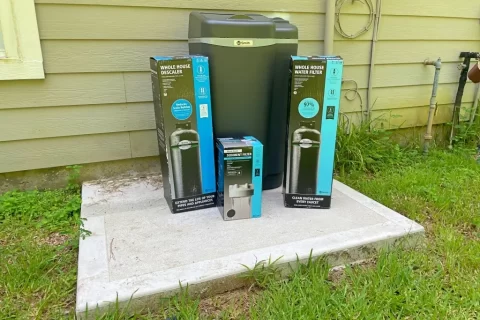
Water softener vs water filter They both rely on different mechanisms to solve different water problems. Softeners remove hard…
Key Takeaways
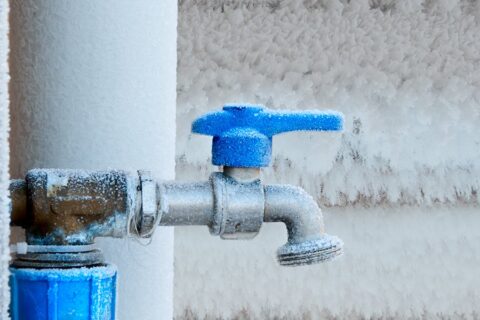
Pipes often freeze because they are exposed to cold air or because there are drafts around the pipe causing it to be…