
7 Warning Signs It’s Time to Replace Your Galvanized Pipes
Key Takeaways
-
Inspect your galvanized pipes for signs of deterioration if you notice rust, corrosion, or discoloration in your water. Time is of the essence and taking immediate action is essential.
-
Low water pressure, frequent leaks, and odd plumbing noises are clear signals that the pipes may be failing and need professional evaluation.
-
The dangers of lead invasion and other negative effects with aging galvanized pipes are very grave. With a little vigilance, you can help protect your family from contaminated water.
-
Compare the long-term costs and benefits of repairing versus replacing old pipes, as patching is often only a temporary solution.
-
Learn about some newer piping materials, like copper and PEX. They’ll help you clear the way to greater durability, higher quality water, and more efficient plumbing throughout your home.
-
Replace and budget for their old, problematic pipes in advance. Hiring experienced, licensed plumbers and having all work performed to local code will help you safeguard your investment and provide peace of mind.
Watch for warning signs it’s time to replace your home’s old galvanized pipes. You may experience low water pressure, rusty or discolored water, and repeated leaks.
You may notice brown stains on your sinks or tubs, or tap water with an unusual metallic taste. Eventually, the corrosion or rust deposits within these old galvanized pipes can clog them, reducing your water pressure and causing leaky pipes and other plumbing emergencies.
Many people feel that these patch jobs never stick, and people continue to leak over and over again. If your house was built before the 1960s, you’re likely not swimming in luck.
Replacing corroded pipes with copper or PEX pipes improves water flow and quality. In this post, I’ll share the common signs and simple steps you can use to spot pipe problems in your home.
What Are Galvanized Pipes?
Galvanized pipes are steel pipes that have been submerged in hot, molten zinc to create a coating that prevents rust. This layer of zinc serves as a protective barrier for the steel that lies beneath it. Originally, these pipes do have a shiny appearance, similar to that of nickel.
That’s because a long time ago, primarily pre-1960s, builders used them in houses for service lines. Their primary appeal was the cost and durability. The installed cost was cheap, and the claims of decades without leaks found the marketers a willing audience.
They have seen these alternatives as the prudent move. In many others, these pipes continued to be installed in homes as late as 1990.
The average life span of galvanized pipes varies greatly. Other pipes have lifespans of 50 to 100 years. Their lifespan is really contingent on how they’re installed, what level of maintenance you’re able to do, and what kind of water is running through them.
For many, these pipes begin to fail after about 40 years. On the other hand, some can live a life span of 70 years or even more if the coating and quality of the pipe are top-notch.
Zinc coat protection Initially, the zinc cover works well, but it quickly deteriorates. Water, minerals, and age gradually erode the inside, causing rust to form. You may notice a rusty water color, diminished water pressure, or even experience leaks and bursts as these deteriorating pipes age.
Now, the most common piping materials used by homeowners are copper, PVC or PEX when it comes time for new pipes. From copper to PEX, they all offer different benefits and come with different costs.
Replacing all of a home’s old pipes can cost $2,000 to more than $15,000. Today, less than 1 percent of homes across the nation retain fully functioning galvanized pipes. These pipes are safe to use.
Key Signs Your Pipes Need Replacing
Spotting problems in old galvanized pipes early helps keep your water safe and avoids big repair bills down the line. Yet many homes built before the 1960s, including more than 20% of those in Hawaii, hide old, hazardous pipes beneath their walls. Here’s why these pipes are quietly crumbling under the radar.
By catching these warning signs early, you ensure you continue to enjoy the conveniences of daily life while greatly reducing the risk of damaging leaks or contaminated water.
1. Visible Corrosion and Rust Spots
When inspecting your pipes, any signs of rust or flaking on the pipe exterior indicate corrosion and should raise a red flag. Rust-colored stains, particularly about fittings, indicate that the pipe is corroding. Misshapen or bulging pipes indicate the pipe’s integrity is compromised.
When neglected, these areas frequently develop into leaky pipes or other serious problems that wreak havoc on your home.
2. Low Water Pressure Issues
If your showers feel weak or faucets dribble, look for low water pressure. Corrosion and mineral buildup inside pipes can clog them, causing uneven flow and making chores like washing dishes drag on.
These changes go beyond being an inconvenience. Beyond aesthetics, these signs indicate bigger plumbing problems that may cost you a fortune if not addressed.
3. Discolored or Rusty Water
When water comes out brown, yellow, or orange and has solid particles with it, rust from old pipes is probably conjoining with the water. This is not just an aesthetic issue.
Discolored water may be a sign that your water is hazardous to consume, especially if lead is involved. If your levels are at 15 ppb or higher, you should take immediate action.
4. Frequent Leaks or Pipe Damage
Recurring leaks, unsightly water stains gracing your walls, or patches of mold forming in your home are all signs that your pipes are allowing moisture to seep through.
Even minor leaks can cause extensive damage and increased expenses.
5. Odd Noises from Plumbing
Banging, clanking, or gurgling noises coming from your plumbing system are an indicator of air bubbles or a blockage, signaling critical plumbing concerns that could lead to rusting or mineral buildup in your old water pipes.
6. Water Tastes or Smells Metallic
If your water has an unusual taste or odor that smells metallic, it’s often due to corroding galvanized pipes or old plumbing materials harboring bacteria, impacting both your health and water clarity.
7. Uneven Water Distribution
One area of the house gets a powerful, steady stream of water while the other does not. This inconsistent delivery typically occurs due to clogs or rust forming further inside the pipes.
More than one pipe failing at once, it’s usually an indication the entire system should be examined.
8. Your Home’s Age Matters
If you live in an older home, your pipes are likely aging galvanized pipes. Whether your home is a few or several decades old, making periodic checks and planning for phased replacement helps them—and your home—keep things flowing smoothly.
While replacing old, galvanized pipes can be costly, costs can vary from $2,000 to $15,000 depending on the size of your home and which new pipes you opt for.
Hidden Dangers of Old Pipes
Old galvanized sewer pipes buried under your home or yard may have dangers that extend past minor leaks or low water pressure. Pipe placed in the ground between 1880 and 1960 were galvanized or were coated with zinc. This zinc was frequently made with lead and other dangerous substances.
As these pipes age from the inside out, they pose a significant health risk, threaten the community’s water quality, and a 1.7 billion annual repair tab. The reality is, many homes – over 20% of homes in Hawaii, for example – are served by pipes installed before the 1960s, making this far from uncommon.
Hidden Dangers of Old Pipes — Awareness is Protection. Inspecting your plumbing system’s actual state is crucial before serious damage occurs.
Potential Lead Contamination Risk
Lead in antiquated pipes is a significant concern. Old, corroded galvanized pipes allow lead to leach into your drinking water. Even when the lead pipes are removed, the steel pipes can still leach lead.
There’s no reason they can’t put it out on a regular basis now. If the test result shows lead levels at or above 15 ppb, act right away. Even small amounts of lead are dangerous, especially to children.
Symptoms of lead poisoning, such as lead-related headaches or stomach pain, can be difficult to identify. Annual testing of your water and being on the lookout for strange tastes or discoloration can help identify problems quickly.
Internal Buildup Restricting Flow
With decades of water flowing through aging pipes, rust and other minerals have laid claim to the interiors of pipes. This accumulation restricts water passage, creating feeble showers or trickling faucets.
Perhaps you’ve noticed water stains or the unexplained increase of your water bill due to minor leaks. Keeping pipes clean with yearly checks and flushing can keep water moving right and stop big problems before they start.
Sudden Pipe Burst Possibility
Over time, pipes become weak and brittle, creating conditions where they can explode without any prior indication. Indicators such as wet patches, flaking paint, or a mysterious, unexplained loss of water pressure indicate imminent danger.
Burst pipes can lead to long-standing flooding and expensive repair costs. Being prepared and understanding where your shutoff valve is located can help mitigate damage quickly.
Assess Your Pipe Situation
Checking your pipes starts with a good look at what’s in your home. Many houses, especially older ones, like over 20% in Hawaii built before the 1960s, have plumbing that’s seen decades of use. Galvanized pipes might last 70 years if they’re made well, but poor work or low-quality metal can cut that down to 30 or 40 years.
It pays to know the age and past repairs of your system, since these clues help spot trouble before a leak hits your wallet.
Identify Your Pipe Material
First and foremost, take stock of your pipes. Galvanized steel with copper and PVC are also commonly used. Galvanized pipes are heavy and gray, copper pipes are reddish-brown, and PVC pipes are white or cream-colored plastic.
Each one lasts a distinct number of years. For instance, copper can last over 50 years, and PVC is still performing well in many homes built in the last few decades. Make a quick sketch noting all visible pipes, their material, and location. This will come in handy down the line should you need a plumber.
Check Exposed Pipe Sections
Look through pipes in basements, crawlspaces, or under sinks. Signs of rust, leaks, corrosion, discoloration or peeling metal indicate corrosion. Joints and connectors are particularly vulnerable areas—look out for unopened drips or stains below them.
If you see small leaks or flaking, it’s likely that the pipe’s interior is deteriorating as well.
Consider Professional Pipe Inspection
Only a licensed plumber can inspect otherwise hidden pipes that you can’t easily access. These tools help them identify problems including corrosion or a lack of structural support behind a wall. Let them know if you’ve noticed funky smells, low water pressure, or if you’ve had leaks before.
This information allows you to plan when repairs or replacements will be necessary. Replacing the old infrastructure can be expensive. Depending on the size of your home and the type of pipe material you choose, expect to bring the cost down from $2,000-$15,000.
Understand Local Water Impact
Unfiltered local water can erode pipes from the outside-in. Don’t just rely on city-mandated water reports—these reports inform you of any corrosive minerals or chemicals present in your water that could accelerate corrosion.
If your water suddenly becomes discolored or tastes strange, it might be your pipes sending you an early alarm signal. Many local jurisdictions have specific guidance on which pipe types are permissible, so verify before you go replacing them.
Replacement vs. Repair Decisions
When the time comes to address your home’s corroded galvanized pipes, the repair vs. Replacement decision arises pretty quickly. The state of your pipes directly impacts your replacement vs repair decision. At the same time, you have to factor in your budget and the risk of future leaks.
It can be tempting to just patch a leak as the easy solution, when in reality that’ll only cover up more serious issues. Galvanized steel pipes, for example, might last 20 to 50 years, but poor materials or old age can cut that down to 30 years or less. If you see corrosion or multiple leaks, it’s time to start considering a replacement.
It saves you from water damage or a pipe bursting in your home, both of which can set you back thousands.
Why Patching Often Fails
Treating a leak with a surface fix won’t work. The age-old zinc coating inside galvanized pipes corrodes over time, exposing the interior of the pipe to rust and scale buildup.
When you patch one area, other compromised sections might be hiding in the shadows. If you’re experiencing water stains, low flow, or rusty water—those are symptoms that there’s a bigger problem festering.
Band-aids fix the repair problem once or twice—before long, the same issues reoccur. A complete replacement eliminates the cycle, providing assurance of your roof’s condition.
Compare Long-Term Costs
Repairs may be less expensive in initial bills, but repairs are cumulative. With each patch, you’re still leaving yourself vulnerable to additional leaks in the future.
Not to mention that you are paying more in water bills if your pipes are leaky. Newer materials such as copper and PEX piping can last 50 years or longer, and their longevity leads to less need for replacement or repair.
Replacing your pipes today means saving money, time, and peace of mind in the future.
When Full Replacement is Necessary
When faced with multiple leaks, rust, or pipes over 30 years in age, it’s best to replace the old pipes. Whether you notice an increase in water stains or a decrease in water pressure, that’s your sign to stop.
New pipes protect your home and help you avoid bigger repair bills later.
Explore Modern Piping Options
As soon as you begin to explore modern piping options with your home, you notice several compelling options. Copper, PEX, and PVC all excel in their durability and extended lifespan. These pipes are designed to last over 50 years if installed correctly.
Now that’s what I call an improvement! Older galvanized piping usually fails after 20 to 70 years, often exhibiting signs of rust or leaks much earlier. When you select the appropriate piping material for your residence, you can rest assured knowing your water quality is protected. It reduces potential leaks, too.
Benefits of Copper Pipes
Copper pipes are an excellent choice for many home applications. They last a long time, more than 50 years on average, and do not rust internally like old pipes do. This ensures your drinking water is clean, safe, and free of harmful contaminants.
Copper is beneficial for both retrofit and new construction plumbing applications, making it an ideal choice for a variety of plumbing needs. The first thing to consider is price. Copper can be expensive, with complete pipe replacements usually costing anywhere from $2,000 to $15,000 based on the size of your home.
Advantages of PEX Piping
PEX pipes provide an incredible amount of quality for the money spent. Since they can bend around corners, you have less joints. This is impossible on the standard modular piers, which results in leaks being less likely and repairs being easy.
Cross-linked polyethylene pipes, like Uponor PEX-A, endure even the coldest winters like Hoosier winters in Indiana. They’re much less likely to freeze or burst than outdated pipes. Additionally, they are less costly to install than copper and can still last for decades.
Choose the Right Material
Consider what’s important for your residence—price point, longevity, ease of installation. Find out what your local ordinances say about piping.
Whether you want elegant curves or stark angles, a pro can ensure you choose the option that works best.
Plan Your Pipe Replacement
Planning to swap out old galvanized pipes starts with a clear look at your home’s setup. Most homes built before the 1960s, like those in Hawaii, often have these pipes. Galvanized pipes usually last about 20–50 years, but they rust and clog over time.
If your pipes date back to the 1960s or earlier, it’s smart to plan for a full change. You might find a mix of pipe types in the house, which can make the job trickier. It helps to walk through your home, check the visible pipes, and note any problem spots before reaching out to plumbers.
Budget for the Project
Costs can vary wildly—from $1,500 to $15,000—depending on the size of your home and what material you choose. Copper, PEX, and PVC are typical materials for water lines, and PVC and ABS for drains. Prices for these various materials fluctuate, so it’s imperative to visit local suppliers to establish a realistic budget in the real world.
Labor typically plays the biggest role in the cost. If you find undisclosed damage or need other repairs, the cost can skyrocket. Planning to pay these bumps with a small cushion of contingency funds will help your project go the distance. It’s just good sense to plan for regular maintenance and fixes in the future.
Find Qualified Plumbers
Find licensed plumbers that have good track records. Online reviews and good word-of-mouth from your neighbors can indicate whether a plumber is trustworthy. Having conversations with a handful of plumbers gives you a chance to judge who really knows their stuff and what’s required by local codes.
Inquire about their experience with old homes and mixed piping. This has saved many a home and crew from major issues down the road.
Understand Permits and Codes
Cities require permits for all pipe replacement work, especially when dealing with old plumbing pipes that may corrode. Be sure your professional plumber understands the regulations in your area to avoid critical plumbing concerns and protect the environment.
My Take: Procrastination Costs More
It may seem appealing to delay repairs on aging pipes, but in reality, waiting ends up costing far more. So it’s a common misconception that old galvanized plumbing in a home only rusts from the inside out. They get clogged with grease and other debris as time progresses, leading to serious plumbing concerns.
When water pressure drops or you spot stains on walls and ceilings, you might think it is just a small fix. These indicators are clear proof that water may be leaking behind the drywall, soaking into wood, or even dripping down onto insulation. Each drip is slow damage that may create mold, warped floors, or worse, a pipe that bursts completely and floods living areas.
When an ugly mess like that inevitably happens, you’ll be on the hook to replace those old pipes. You’ll incur additional repair costs to walls, floors, or cabinets, especially if the water supply lines have been compromised.
Getting a professional plumber to conduct a thorough inspection as soon as possible is a wise investment. It keeps small leaks from becoming large leaks that require repairs beyond regular maintenance. An expert plumber can identify areas of general degradation or spots where corrosion has rotted through the pipe.
If you see brown tap water, it’s not just an indication of old pipes. That also suggests it may be a quick win—good news that could save you time and money. That’s an indicator that rust is already chipping off into the lines, and your water can potentially be staining sinks, bathtubs, and clothes.
Replacing pipes at the first sign of trouble keeps the rest of your home safe and cuts down on future bills. Regular plumbing inspections every few years allows you to be proactive about your plumbing system. You don’t need to be left in the dark as to when the next crisis will strike.
By scheduling regular maintenance, you take charge of your finances and your comfort, ensuring good clean plumbing throughout your home.
Conclusion
Old pipes are a recipe for future leaks, discolored rusty water, and expensive bills. Replacing them prevents the problem before it starts. Replaced pipes increase your water pressure and reduce the need for repairs. You avoid the frustration of stopgap solutions each year. Between protecting your constituents’ drinking water and keeping their basements muck-free, you have your hands full. I saw folks hit with surprise pipe bursts, and the fix cost way more than a full swap would have. Once you see those warning signs, the sooner you’ll take action, the more money and hassle you’ll save. Old pipes can pose a serious threat to your home. Inspect your system, consider your options, and advocate for pipe replacement today. Contact a qualified plumbing pro and find out how fast the change can be.
Frequently Asked Questions
What are the main warning signs of failing galvanized pipes?
Low water pressure, rusty or discolored water, leaks everywhere, and visible corrosion are critical plumbing concerns. If you experience any of these issues, your galvanized plumbing could be on the verge of disaster and require urgent repair or replacement.
Can old galvanized pipes affect my water quality?
Are old galvanized pipes, which may corrode and leach rust and metals into my water supply, causing brown or yellow discoloration and metallic tastes, posing serious health risks, particularly for children and the elderly?
How long do galvanized pipes typically last?
Galvanized plumbing materials typically have a lifespan of 40–60 years, and if your home is older than that or the plumbing pipes were installed before the 1970s, it’s past time to replace them.
Is it better to repair or replace galvanized pipes?
Plus, making do with repair is ultimately an approach that just prolongs plumbing issues. Replacement of old plumbing pipes is the smarter choice for long-term savings, better water quality, and most importantly, your peace of mind.
What modern piping materials should I consider?
PEX, copper, and CPVC pipes are all excellent, long-lasting, and safe options compared to old galvanized steel pipes, which can corrode and compromise water supply lines, making modern plumbing materials a better choice.
How much does replacing galvanized pipes cost?
Costs depend on home size and pipe layout, especially when considering old plumbing pipes like galvanized pipe. On average, you can expect to pay $2,000–$15,000 for a full-home repipe, making it crucial for homeowners to invest in good clean plumbing now to avoid future plumbing issues.
Why shouldn’t I wait to replace old pipes?
Delaying replacement of old plumbing pipes can lead to water damage, mold, and higher costs, making it critical to address plumbing concerns sooner for good clean plumbing.
Key Takeaways
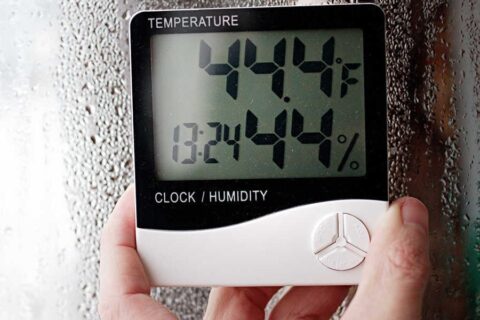
Keep an eye on your home humidity level with a hygrometer and humidistat, and try to maintain it between 30 percent and 40…
Key Takeaways
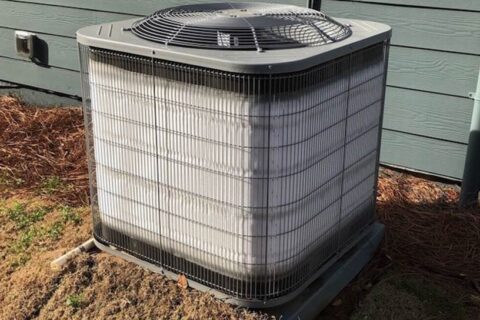
Inspect often for obstructed airflow, filthy filters, and coil pollution to avoid AC freezing and ensure optimal…