
8 Common Causes of Low Water Pressure in Your Home
Key Takeaways
-
Low water pressure can be due to municipal supply issues, pipe corrosion or buildup, hidden leaks, defective fixtures or valve problems.
-
Routinely check pipes, fixtures, and valves for wear, leaks, or obstructions.
-
Take readings with a pressure gauge to track water pressure across the home and record changes to assist in diagnosing lingering issues.
-
Know the difference between water pressure and flow rate. Measure both to troubleshoot and fix water issues accurately.
-
Pressure regulators are key. If they’re malfunctioning, they might need to be adjusted, repaired, or replaced to get the pressure back up.
-
Proactive maintenance, including cleaning aerators and booking professional inspections, can help prevent and address low water pressure before it becomes a major concern.
Low water pressure causes include clogged pipes, leaks, faulty pressure regulators, and main supply problems.
Old pipes with build-up, small leaks in plumbing joints, or a broken water valve can cause weak flow.
Occasionally, city-wide supply issues or localized repairs impact the home’s water pressure.
To assist in finding the proper repair, the bulk of this post outlines typical causes along with basic advice for each.
Uncovering Causes
Low water pressure is usually the result of a combination of causes rather than a single cause. Before you repair, it’s crucial to determine the leak’s extent: one faucet, multiple taps, or the entire structure. Here are the main sources:
-
Municipal water supply changes or disruptions
-
Aging or blocked pipes
-
Hidden leaks inside or outside the home
-
Faulty fixtures
-
Valve issues
1. Municipal Supply
Municipal supply problems can occur for a number of causes. Local water suppliers occasionally modify their distribution systems or implement regulations and these can reduce residential pressure. Drops in flow can also be caused by scheduled maintenance, pipe replacements, or emergency work.
Consumers could detect these pressure drops by monitoring their water meter for unusual swings. Hot spots, when multiple residents draw water simultaneously, can strain the municipal system and cause pressure to drop. For well-fed water, things can be more varied; well pump malfunctions or low water tables could be the culprit instead.
2. Pipe Condition
Pipe issues are another frequent cause of weak water pressure, particularly in aged structures boasting the now-obsolete galvanized steel pipes. Over time, these pipes can rust or corrode, reducing the pipe’s inner diameter and impeding water flow.
They can mineralize inside the pipes and cause blockages that hinder flow to individual fixtures or areas. At other times, tree roots working their way beneath a home can pierce pipes, allowing water to seep out and reducing pressure inside the house.
Pipe materials are important as well. Pipes endure roughly 20 years, and older plumbing might require replacement. By testing water pressure at various locations, such as sinks on different floors, you can isolate which pipes are acting up.
3. Hidden Leaks
Invisible leaks are often responsible for silent water pressure drops. Wet splotches or stains on walls and ceilings can indicate a concealed leak. Other times, the only hint is a spike in the water bill.
Leak detection services employ specialized tools to locate leaks concealed behind walls or beneath floors. This includes checking around your appliances and under sinks for any puddles or dampness that can identify leaks early on. Even a tiny leak can sap fluid pressure from the entire network if ignored.
4. Faulty Fixtures
Fixture problems can cause water pressure problems in only one or a few locations. Clogged faucets and showerheads can create issues. Buildup inside aerators or screens may impede flow, and replacing these is a simple solution.
You can test different fixtures to see which ones need work. Toilets can have internal faults that influence the pressure in the remainder of the house.
5. Valve Issues
There are two primary valves for water pressure, the main shutoff and the pressure regulator. If either is partially closed or malfunctioning, flow can decline. Occasionally, individual fixture valves are the offenders.
The water meter valve outside the house gets bumped or stuck. Testing all these valves and ensuring they are open and in good condition is an easy measure, but one that’s frequently overlooked.
Pinpointing Problems
Discovering the cause of low water pressure is not always straightforward. A lot of things can make the water come slow or weak. Identifying the root cause is essential if you want to resolve the issue once and for all. A great place to begin is by examining your plumbing, step by step.
Start with fundamentals. Check for leaks in pipes, faucets, or toilets. Even small leaks can reduce pressure by allowing water to seep out before it reaches your destination. Next, test any shut-off valves. If they are partially closed, water flow decreases immediately. Ensure that all valves are open wide.
Identifying Issues. A pressure gauge is something anybody can use to check water pressure significantly. You screw it onto a tap, twist the water on and witness the reading. If it is under 3.5 bar (approximately 50 psi), you have a pressure issue.
Verify pressure at various taps, showers and hose fittings. If one spot is low, the problem is likely local, like a stuck faucet or clogged filter. If all locations are low, the issue could be in your main water line or even the water supply.
Monitoring pressure fluctuations over days or weeks assists in identifying trends. Note the readings daily, at approximately the same time. Notice if pressure reduces following intense water usage, such as laundry or showers. This can indicate whether your pipes are undersized or if sediment accumulates in filters.
Over time, filters can clog with grit from hard water or old pipes. Even a thin film of sediment can reduce water flow and pressure by 50%. Hard water is another quiet culprit. It deposits minerals inside pipes, constricting them and clogging them.
Old steel or iron pipes rust inside, which reduces the flow every year. If you’ve inspected everything and the issue remains, then call a certified plumber. Certain problems are difficult to identify without proper equipment or expertise.
Plumbers do inspections, seeking hidden leaks, testing line pressure, and identifying traces of corrosion or mineral deposits in inaccessible areas. They identify and repair issues before they escalate or harm your setup.
Professionals recommend getting a plumber to inspect your plumbing annually. This little step can extend your system’s life by years and save a bundle on major repairs.
Pressure Versus Flow
Water pressure and flow are not one and the same. Most people confuse them. Pressure is what drives water through pipes and is most frequently measured in pounds per square inch (psi). Flow is how much water flows through the pipes, typically measured in gallons per minute. Understanding this distinction can assist you in identifying where the true problem lies within your system.
Low water pressure means slow flow and slow flow means slow going, for example when you’re washing your hands or taking a shower. In certain homes, what appears to be a pressure issue could simply be one blocked faucet or an undersized or clogged pipe. Even if your primary source has ample pressure, if the flow is restricted by a narrow pipe or aging fitting, you still won’t get enough water to the right place.
The connection between pressure and flow rate is more than just a knob-turning exercise. Bernoulli’s equation connects pressure, flow rate, and speed of water. If your water pressure drops, your flow rate can drop too, but not necessarily. You could still have high pressure at a tap, but if the pipes are long or narrow, the flow you receive is less than anticipated.
For instance, a 1¼ inch pipe will flow about 75% more water than a 1 inch pipe at equal pressure. That’s why building codes usually specify larger pipes for homes with more fixtures. The length and diameter of your pipes can affect your water flow. For a longer pipe, there is more friction inside, thus slowing the water and reducing the flow rate.

Flow is a function of the square root of pressure with the simple empirical formula Q equals the square root of H divided by s times L, where Q is flow, H is pressure difference, s is friction loss, and L is the length of the pipe. These things are important for every home, no matter where you live, and can be measured with straightforward tools or by a plumber.
Examining flow is one way to test if your water system satisfies your needs. For the majority of households, water pressure is between 45 and 60 psi, though this varies based on local regulations or your supplier. If you see a big drop in flow with multiple taps running simultaneously, it could mean your pipes are too small or too long, or that there is a build-up somewhere in the line.
The Regulator’s Role
About the Regulator’s Role
A pressure regulator is an essential component in water systems, maintaining consistent water flow and pressure. It behaves like a gatekeeper, ensuring water pressure in pipes remains at a safe and practical level, typically between 275 and 415 kilopascals (kPa) or 40 to 60 psi.
It counts in our homes, offices, and factories, where excessive or insufficient pressure might cause leaks, burst pipes, or feeble tap flow. They choose the proper regulator based on a number of factors, including the required flow, the temperature of the system, the type of liquid or gas in the lines, and the pressure sensitivity of the process. If the wrong regulator is applied, it can exacerbate, not ease, the problem.
A malfunctioning pressure regulator can be the culprit for low water pressure or unexpected fluctuations in flow. This can manifest as low flow at taps, slow filling toilets or weak showers. Occasionally, pressure can go from too high to too low in a hurry.
Common signs that the regulator needs attention include:
-
Water pressure is significantly reduced throughout all outlets.
-
Pressure rises and falls for no clear reason.
-
Unusual sounds, like whistling or banging, from pipes.
-
Leaks at or near the regulator itself.
-
Visible corrosion or moisture buildup on the regulator housing.
When these signs appear, it pays to investigate the regulator. Occasionally, a regulator requires a minor tweak. Twist the adjustment screw, but never more than a full turn at a time to prevent damage. If this doesn’t solve the issue, the regulator may be shot.
Grinding rocks in the pipe work or the first start up can cause a problem called “creep,” where the internal parts do not seal well, letting pressure rise above the set limit. Eventually, wear and neglect can make a regulator less dependable. On average, most regulators have a lifespan of 10 to 15 years, although this can vary based on usage and maintenance.
Besides weak flow, bad regulation can do more. If the flow in the system increases but the regulator isn’t tuned or designed for that shift, pressure can drop below what’s needed. Another issue is supply pressure effect (SPE), where the inlet pressure changes cause outlet swings.
A two-stage pressure-reduction setup can assist in maintaining stable pressure in the majority of situations. If a home always has low pressure, even with a functioning regulator, then a pressure booster may assist. This device works with the regulator to maintain a robust and consistent stream, even when the source is feeble.
External Influences
Low water pressure typically traces to external forces beyond the control of most homes. Most houses have municipal water, so any changes or issues with the municipals will present themselves as a drop in pressure inside the home. Knowing what these outside forces are can help you identify and potentially sidestep some of the most common pressure issues.
Seasonal changes are a big factor. Hot weather can cause droughts which reduce water levels in municipal tanks or reservoirs. When wells are low, cities may restrict water or adjust pressure to make the reserves last. Cold snaps can freeze pipes above or below ground, constricting flow and reducing pressure until thawing occurs.
In certain locations, torrential rains can wash rubble into the source, gumming up city pipes and reducing pressure for multiple households simultaneously. Neighborhood water use is another important highlight. Early mornings and late nights are common times for water pressure to dip due to the increased number of people showering, cooking, or doing laundry.
Shared water lines between homes, as is typical in some city blocks or apartment buildings, can spread out flow and cause pressure to dip, particularly if a home fills a pool or runs heavy irrigation. Even though each home pays its own tab, that common pipe restricts the flow of water.
Construction and repair near water mains or pipes can create sudden pressure changes. Crews could possibly have to shut lines, open valves or redirect flow temporarily. This can pull air, rust or dirt through pipes and clog screens or valves. Other times, digging rattles or breaks ancient pipes, allowing water to bleed and pressure to drop until the rupture is located and repaired.
Roadwork and water lines are not going to be done hole by hole or house by house, but likely whole blocks or neighborhoods would be impacted. City water tank levels are important. If tanks get low, the city may shut off pressure to everyone until tanks refill. This can occur during extended dry periods, following fire crews deploying massive volumes of water, or in the event of an issue at the treatment plant.
Local firefighting, street cleaning, or even large-scale farm irrigation can use a lot of water at once, depressing pressure for others in the vicinity temporarily. Main shut-off and meter valves, which sit outside homes, can be problematic if they’re not fully open or partially clogged by debris or rust.
They are routinely inspected by city employees, but every once in a while a stuck valve or concealed clog slips through, leaving residences with below-normal pressure.
Proactive Maintenance
Proactive plumbing maintenance helps prevent low water pressure from becoming a bigger problem. It means inspecting and repairing frequently, not just upon failure. It prevents leaks, reduces water waste, and can save you a fortune on major repairs. Proactive maintenance catches small troubles, like clogged pipes or slow leaks, before they become big ones.
These measures apply to houses, apartments, and even office buildings in pretty much any country, as nearly all plumbing systems require these same basic things.
-
Arrange annual visits from a licensed plumber. An annual inspection will detect what you might miss, like weakened pipes, rusty fittings or the beginnings of a clog. Expert plumbers employ equipment to test water strain and seek leakages inside wall surfaces or below floors. They’re able to repair minor defects as they encounter them, which can prevent larger problems down the line.
If your home has older plumbing or hard water, more frequent checks can assist.
-
This proactive maintenance can help prevent buildup and corrosion, saving you money down the line. Mineral deposits can form and block water flow, causing a pressure drop. Take out the aerator or showerhead and leave it to soak in vinegar for a couple of hours to dissolve the mineral deposits. Rinse and return.
This easy action can bring good flow back and maintain pressure. If accumulation is persistent, you may want to have your water tested for hardness and consider having a water softener installed.
-
How to catch silent leaks. Even small leaks can reduce water pressure and waste a significant amount of water over time. Drop a couple of drops of food coloring into your toilet tank for ten minutes. If it appears in the bowl, you’re leaking. Swap the toilet flapper every five years.
Peek under sinks and around appliances for wet spots or musty smells. These can indicate concealed leaks.
-
Test water pressure with an easy-to-use gauge. You can buy them at most hardware stores. Connect it to a tap and see the number. Typical pressure is around 300 to 500 kPa. If it is significantly lower, it might signal a clog, buildup, or leak.
High pressure can be equally problematic and should be addressed with a pressure-reducing valve.
-
Maintain water-using appliances and irrigation. Inspect hoses and connections on dishwashers and washing machines for leaks or cracks. Clean filters and screens as the manufacturer recommends.
For irrigation, seek out broken pipes, leaky joints, or sprinkler heads that do not spray properly. Repairing these maintains air pressure and conserves water.
-
Use water liberally. Don’t run a whole bunch of taps or appliances at the same time. Stagger laundry and dishes. Educating everyone in the household on these habits keeps stress even.
Conclusion
Low water pressure is a drag on any household or work environment. Leaks, clogged pipes, aging fixtures, or a faulty regulator all contribute. Even swings beyond, such as municipal supply or climate, can rattle the flow. Verifying these issues early keeps stress down and repairs easy. A regular inspection of your pipes and valves goes a long way. Replacing old components or hiring a professional occasionally can keep the flow hearty and silky. Since many people experience the same bumps, a quick glance at the fundamentals saves you time and gets the little issues cleared fast. For additional advice on maintaining water systems, consult reliable resources or connect with professionals in your area.
Frequently Asked Questions
What are the most common causes of low water pressure?
Low water pressure is usually due to clogged pipes, leaks, malfunctioning pressure regulators or buildup in fixtures. These are some of the possible causes of low water pressure issues.
How can I tell if my water pressure regulator is faulty?
Faulty regulator signs of low water pressure causes. A plumber can check and swap out the regulator when necessary.
How do external factors affect my water pressure?
Outside influences such as municipal supply problems, construction or main line breaks can reduce your water pressure. Consult your local water authority if you observe sudden fluctuations.
What is the difference between water pressure and water flow?
Water pressure is what propels water through pipes and water flow is how much is moving. Low pressure reduces flow, but blockages reduce flow even if pressure is fine.
Can regular maintenance help prevent low water pressure?
Yes. By routinely cleaning fixtures, ensuring no leaks, and inspecting pipes, you can avoid the majority of common water pressure problems. A stitch in time saves nine.
How do I pinpoint the source of low water pressure in my home?
Try different taps to isolate the issue. If it’s just one fixture, clean or replace it. If the entire building is affected, check the main line or pressure regulator.
When should I call a professional for low water pressure?
Call a professional if you can’t locate the cause, see leaks, or drops in pressure throughout your home. They have the equipment and skills to fix tricky problems securely.
Key Takeaways
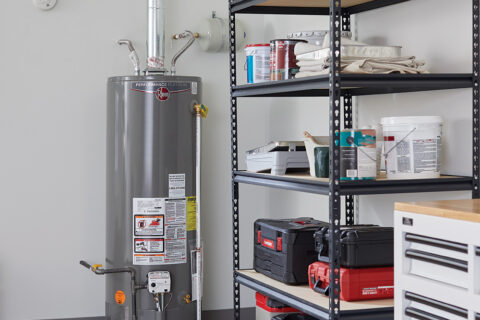
A water heater leaking from the bottom requires speedy action. Switch off both power and water supply and empty the tank to…
Key Takeaways
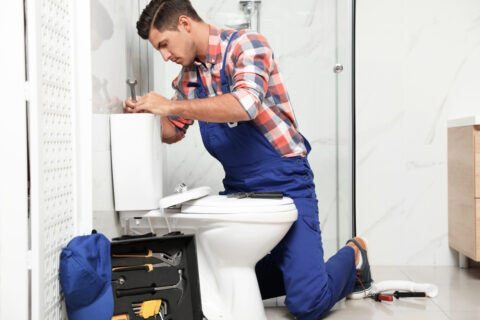
Do yourself a favor — when you hear that running water, get that leak fixed!
Diagnose issues such as worn flappers,…