
How to Test Indoor Air Quality in Your Parker, CO Home
Indoor air quality testing measures the pollutants circulating inside your home, including particulates, VOCs, mold spores, and radon. You can test three ways: DIY monitors for real-time readings, mail-in lab kits for specific contaminants, and professional audits for a full diagnosis. In Parker and across the Front Range, tightly sealed winter homes and Colorado’s elevated radon levels make testing especially worthwhile.
No single method catches everything, so the right approach depends on your symptoms, your budget, and how much detail you need. This guide walks through the warning signs worth watching, the pollutants that matter most, and how to read your results against recognized health standards.
Key Takeaways
-
Routine indoor air quality testing detects possible health hazards and facilitates prompt action to avoid chronic problems.
-
Keep an eye out for symptoms like allergies, respiratory issues, or headaches to know when testing is necessary.
-
There’s a range of testing options, from DIY detectors and lab kits to professional audits with varying degrees of granularity and precision.
-
Interpreting results with the help of baseline measurements and air quality standards helps monitor progress and isolate sources.
-
Sensory hints such as odors or obvious dust combined with data give you a more complete picture of your home air quality.
-
The best strategies combine source control, improved ventilation, and air purification, all underpinned by continuous monitoring and household engagement.
Indoor air quality testing at home means checking the air inside your house for things like dust, mold, pollen, or fumes. Many people use small test kits or hire a pro to spot problems early.
Good air helps people feel better, sleep well, and stay healthy. Today, more families want simple ways to test air at home.
The next sections cover types of tests, what to watch for, and how to read results.
Why Test Air
Testing indoor air is key to decoding how the air you breathe in your home influences your health and comfort. Indoor air can be up to five times more polluted than outdoor air, particularly in sealed or low-ventilation areas. Pollutants accumulate silently, and because we spend ninety percent of our time indoors, the danger is present and pervasive.
Awareness of what’s in your air identifies unseen trouble, directs solutions, and prevents minor issues from becoming major health concerns.
Health Signals
Watch out for symptoms such as coughing, wheezing, or shortness of breath which could indicate irritants in the air such as dust mites, pet hair, or mold. These are common asthma or allergy triggers and tend to be exacerbated inside, where irritants stick around longer. Occasionally, a headache or fatigue after several hours indoors can signal bad air.
Carbon monoxide or other unseen gases can induce these symptoms, and in larger quantities, can be fatal. Skin itching or rashes inside – when you’re okay outdoors – can indicate your body is responding to toxins. This could be from chemical cleaners, cigarette smoke, or mildew spores.
If your symptoms initiate or intensify when you’re home, but subside when you leave, that’s another tip-off. Even small stuff, like dry eyes or a dry nose, can be linked to the air in your home.
Home Sickness
What you breathe at home impacts more than just you. It impacts everyone around you. Kids are most vulnerable because they’re still growing. Airborne toxins such as ETS, pet dander, or radon can stunt growth or lead to chronic breathing ailments.
Exposure over months or years can cause permanent health issues such as chronic bronchitis or lung cancer. Radon, for instance, is a major cause of lung cancer after tobacco smoke, so testing is essential.
Peace of mind that comes with a home that feels fresh and clean promotes improved sleep and mood, all of which translates to a more joyful and healthier life for all residents.
Peace of Mind
Air quality testing gives you real data about the air inside your home. Now you can take action, such as installing a purifier, opening windows, or repairing leaks. When you know your air is clean, your stress goes down, particularly for families with children, the elderly, or anyone with asthma.
Frequent check ups keep you ahead of the curve and ahead of the damage. When you know what you’re up against, you’re in control. This makes it simpler to maintain your home secure, cozy, and inviting.
Key Pollutants
Indoor air can contain dozens of pollutants that may cause health problems. They are found from both indoor and outdoor sources. Understanding the major indoor pollutants lets you identify hazards and act to maintain clean air.
Particulates
One type, particulate matter, consists of microscopic solids and liquid droplets suspended in air. Dust, pollen, pet dander, ash and smoke are among the most prevalent indoors. Candles, fireplaces, and even cooking can send particulates into the air.
They come in different sizes, and the tiniest kinds – sometimes referred to as PM2.5 – can infiltrate deep into the lungs when they’re inhaled. It may trigger or exacerbate issues such as asthma, bronchitis, and other pulmonary diseases.
Particulates in high concentrations can exacerbate symptoms among individuals with heart disease. Children and the elderly are particularly susceptible. Air purifiers with HEPA filters, clean floors, and no indoor smoking are effective methods of reducing particulate.
Chemicals
Most homes have chemical pollutants known as volatile organic compounds (VOCs). These lurk in paints, cleaning sprays, air fresheners and even certain furniture. VOCs can off-gas gradually or in bursts, specifically when items are fresh or frequently applied.
Exposure to VOCs can cause eye, nose and throat irritations. Some folks might experience dizziness and headaches. Chronic, high exposure could damage your liver and kidney function or increase your cancer risk.
To reduce chemical exposure, select unscented products, use natural cleaners, and keep chemicals sealed. Always read the label for safe use and discard old or unused chemicals at hazardous waste sites.
Biologicals
Biological pollutants are caused by living things. Mold, mildew, bacteria, pet hair, and dust mites can all live or accumulate inside homes. Damp walls, leaky pipes, and insufficient airflow facilitate the propagation of mold and bacteria.
Pet or dust mite allergens can trigger sneezes, itchy eyes, or asthma attacks. Mold spores can cause severe allergic reactions or lung issues in certain individuals. Maintaining indoor humidity below 60% prevents the growth of mold and dust mites.
Seal leaks, clean frequently, and operate kitchen and bath exhaust fans. Wash bedding in hot water and vacuum with a HEPA filter to keep allergens down. If you discover mold, scrub it with soap and water. Dispose of non-cleanable items such as soaked carpets or ceiling tiles.
Testing Methods
Testing your home’s air quality is an important step in improving the air you breathe. A few methods for checking indoor air exist, each with its pros and cons. Selecting the appropriate approach will depend on your needs, budget, and level of desired detail. Others use multiple methods for a more complete picture.
-
DIY monitors are convenient to use and provide fast results. Lab kits are more detailed and can detect specific pollutants. Professional audits offer the most comprehensive examination and include expert recommendations. They differ in expense, accuracy, and required effort. Mixing them can help strike a balance of ease, cost, and comprehensiveness.
1. DIY Monitors
DIY air quality monitors are basic devices you can install yourself in your home. They are available as portable or stationary units. Portable monitors enable you to inspect different rooms, whereas stationary ones remain fixed. Prices vary from simple models to more sophisticated ones that detect a range of pollutants including VOCs, CO2, and dust.
They provide on-the-spot readings of things such as carbon dioxide, VOCs and occasionally radon. Read the manual and calibrate sensors. VOC and CO2 sensors might need a week to provide consistent measurements. Radon sensors may take up to 30 days.
DIY monitors are easy and cheap, but they can only go so far. They won’t capture every pollutant, and their precision can vary based on placement. For instance, a short-term radon test may not capture seasonal variation, missing up to 96 percent of those variations. Incorporating these devices into your regular schedule does assist in capturing shifts across time.
2. Lab Kits
Lab kits provide a granular peek into your air. You take samples at home and mail them in to a lab. These are kits that test for mold, radon, or allergens. Short-term radon kits function over a period of a few days, whereas long-term kits run for 90 days or more and provide a stronger method for monitoring change.
They’re testing the methods. Where it’s placed and how long you leave it impacts results and some kits require special treatment. Lab kits will detect issues that DIY monitors cannot, particularly when you need accurate measurements for health-related concerns.
Lab kits are more reliable than standard home monitors. They allow you to use the lab’s results to make more intelligent decisions about air cleaners, new behavior, or repairs.
3. Professional Audits
Professional audits hire pros to check your air. They employ state-of-the-art equipment, test numerous locations and seek out concealed defects. These audits are more comprehensive than home tests and address gases, particles and moisture.
Experts provide targeted upgrade or fix advice based on their findings. Although costlier, professional audits provide peace of mind, particularly if you and your family are plagued with health problems or believe your air quality to be severely compromised.
Professional audits are the way to go if you want a thorough trustworthy overview. Community-led projects like student-created radon toolkits hold promise for democratizing expert testing.
Interpreting Results
Indoor air quality test results are of little value unless you understand what those numbers mean for your home. Trends, baselines, and standards are all involved. Compare your results with known benchmarks and check for patterns over time to help you identify issues and determine your next steps.
Understanding Baselines
Baselines tell you what’s normal for your space. These are the numbers you initially obtain from air quality tests. They establish a baseline for your household and allow you to detect shifts quickly.
Baselines vary based on location, home layout, and even season. For instance, homes located adjacent to bustling highways could experience elevated particulates, whereas those in coastal, humid environments might contend with increased mold spores.
It’s important to gather data across the seasons. Winter could mean more indoor carbon dioxide as windows are shut. Summer could increase the humidity, which stimulates mold activity. By tracking these numbers over many months, you can begin to see if things are getting better or worse.
If you replace your air filters or bring in a dehumidifier, a fresh baseline will make it easier to notice if these measures are effective. It’s important to manage your own expectations. A city apartment and a country home won’t have the same baseline.
Interpret your findings by comparing them to your previous tests, not just the national average.
Comparing Standards
It’s matching your numbers up with air quality standards that really puts your results into context. Different agencies establish thresholds for typical pollutants.
Here’s how some standards compare:
|
Pollutant |
WHO (µg/m³) |
EPA (µg/m³) |
EU (µg/m³) |
|---|---|---|---|
|
PM2.5 (annual) |
5 |
12 |
25 |
|
PM10 (annual) |
15 |
50 |
40 |
|
Ozone (8-hr) |
100 |
137 |
120 |
Check mold test results. Concentrate spore counts and molds. Cladosporium and Penicillium are quite common and not necessarily a health threat, though elevated counts of Stachybotrys or Aspergillus are red flags.
If your measures creep above these thresholds, that is where to intervene initially. Standards employ the AQI, which grades air from 0 (clean) to 500 (hazardous) in colors from green through maroon. If your numbers remain under thresholds and within the green or yellow range, then your air is probably safe.

Seasonal Context
Seasons change indoor air. Pollen counts increase in spring and summer. Less ventilation in winter increases indoor pollutants like carbon monoxide. Tracking needs to shift with the season.
Test more frequently during pollen season if you’re battling allergies. Mold is a big concern during wet months. Humidity over 60% fuels mold, so keep air dry with fans or dehumidifiers.
Schedule maintenance by seasons. Swap filters prior to heating or cooling seasons. Open windows for small bursts when the outside air is clean. Interpret AQI results. If AQI is orange or worse, close windows and stay inside.
|
Month |
PM2.5 (µg/m³) |
AQI |
Mold Count |
|---|---|---|---|
|
Jan |
20 |
65 |
500 |
|
April |
16 |
55 |
900 |
|
July |
12 |
40 |
700 |
|
Oct |
17 |
60 |
750 |
Beyond The Numbers
It cannot be measured as simply as test kit numbers when it comes to indoor air quality. Data from monitors can provide helpful benchmarks, but understanding depends on what you observe, sniff, and experience in the space each day. Other symptoms, such as headaches, fatigue, or dry eyes, are not necessarily associated with a particular reading but are very much indicators that air quality requires action.
Because we spend roughly 90 percent of our time inside, the danger transcends coziness. Long-term exposure to indoor toxins can lead to breathing problems, migraines, and can even affect memory and learning, particularly in young kids. Pre-1978 homes could still have lead paint that quietly damages health without tripping the alarms on typical air quality monitors.
Sensory Clues
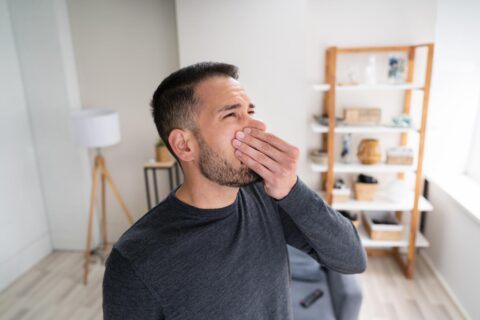
Most people realize something is wrong before a scan confirms it. That stale smell – maybe a strong chemical scent or mustiness – could indicate some underlying ‘ick’ like mold or off-gassing from cleaners and new furniture. If you notice haze or dust motes suspended in sunbeams, that is an indication particles exist.
A quick bout of congestion or decreased comfort with dry or irritated eyes should not be overlooked. These triggers frequently coincide with sneezing, headaches or crankiness. When you detect a weird smell or irritation, it can motivate focused testing for things such as VOCs or mold spores, getting you to the source sooner.
Data Limitations
No single test can catch every pollutant in the air. A large number of consumer-grade monitors only monitor a select few common culprits, for example, carbon dioxide or fine particles, but omit others, like pesticides, ozone, or lead dust. Some pollutants, like those from cooking or spray cleaners, spike quickly and may be missed if testing is too infrequent.
Some tests are subject to false positives or negatives, such as in homes with varying humidity or temperature levels. This is why it’s best to treat air quality data as a directional tool, not the last word. Look for changes over time, not a single reading, and pair that information with what you feel in the room.
Holistic View
Better air quality is a journey, not a destination. Begin with practices that reduce indoor pollution, such as clean stoves and fuels, proper ventilation, and safe storage of chemicals. Routine cleaning, proper ventilation, and maintaining heating or cooling systems all assist.
Involve everyone in the home: teach children about not tracking in dirt or how to spot mold and moisture. These measures minimize exposures that can damage lungs, trigger headaches, and stunt development, particularly among young kids or individuals with pre-existing conditions. Monitoring shifts and distributing accountability constructs a more secure, more robust environment for everyone.
Actionable Solutions
For starters, quality indoor air reduces health risks for everyone in the household. A practical checklist can guide families to focus on what matters most by removing key pollutants, tracking progress, and working together for better air.
Source Control
-
Use sealed containers for household cleaners and paints.
-
Mop and vacuum floors once a week, using HEPA-equipped ones if you can.
-
Ban indoor smoking to cut out tobacco smoke exposure.
-
Store shoes at the door to keep dirt outside.
-
Fix leaks fast to stop mold growth.
-
Clean or replace appliance filters as the maker suggests.
-
Check gas appliances for leaks and vent them outdoors.
-
Stop using scented candles and aerosol sprays.
-
Educate your household about what contributes to indoor pollution and the importance of good habits.
Dust, smoke, and chemicals pose the greatest indoor air threat. Effective source control begins with simple, consistent actions such as selecting low-emitting products and maintaining a clean home environment.
Even little kids can chip in by learning not to traipse in with their soccer cleats and assisting with simple chores. This team strategy keeps all parties in the loop.
Better Ventilation
Allowing in fresh air can flush out indoor toxins. Open up some windows and doors if the weather is conducive. A great, simple step is not always possible in areas with bad outdoor air or severe weather.
Exhaust fans in kitchens and bathrooms suck out moisture and fumes. Turn on these fans when you’re cooking or showering and leave them running for a while afterwards.
For homes in areas with heavy outdoor pollution, mechanical ventilation with filtration can provide clean, consistent air flow. These choices are great for homes and offices, contributing to EHS guidelines for healthier air.
Yearly system inspections and filter changes keep everything operating well because routine maintenance feeds better performance.
Air Purification
-
Choose air purifiers with HEPA filters for optimum dust and allergen elimination.
-
Seek out room-sized models.
-
Replace or clean filters as frequently as the manual specifies.
-
Position purifiers in rooms where people spend a majority of their time, like bedrooms.
Air purifiers are most effective when combined with other measures such as regular cleaning and proper ventilation. Layering technologies, such as integrating air sensors or UV-C devices, can provide even more enhanced protection.
Continuous tracking aids identify patterns and indicate whether your approach is effective. Schedule reminders for filter replacement and annual checks. Monitoring air quality over time supports a healthier home environment and protects children, whose little lungs are most vulnerable.
Conclusion
Nice air at home changes everything. Easy tests catch dust, mold, or gases threatening health. Actionable steps come next, simple things like airing out rooms, using fans, or choosing non-toxic cleansers. Every step reduces what lingers in the air. Tools such as air monitors or superior filters do the trick for most spaces. Even just hearing about these steps already leads to safer air for all ages. In order to select the optimal method to test or remediate your air, consider your specific space and requirements. Experiment with one tiny modification and observe for a change. Follow trusted health organizations and stay updated for additional advice. Clean indoor air is worth the effort for every Parker, CO household.
Frequently Asked Questions
What is indoor air quality testing for homes?
Indoor air quality testing measures pollutant levels in your home’s air. It seeks out nasties such as mold, dust, or chemicals to make your space safer.
Why should I test the air in my home?
Testing assists identify concealed contaminants that may impact health. Bad indoor air quality can give you allergies, headaches, or respiratory problems. Identifying it early enough enables you to make changes and feel better.
What are the main pollutants found indoors?
Common indoor air pollutants include mold, dust mites, pet dander, VOCs (volatile organic compounds), carbon monoxide, and formaldehyde. Each can impact health in a different way, particularly for children and allergy sufferers.
How can I test indoor air quality at home?
You can use do-it-yourself test kits or hire professional services. Test kits often measure specific pollutants, while professionals provide a comprehensive assessment using specialized equipment.
How do I interpret air quality test results?
Match your readings to health organizations’ guidelines, such as those of the WHO. If they are elevated, you will want to work on minimizing exposure and enhancing ventilation.
What actions can improve indoor air quality?
Open windows, use HEPA purifiers, clean often, don’t smoke inside, and cut down on strong chemicals.
How often should I test my home’s air quality?
Once a year or after major renovations, it’s a good idea to test. Test sooner if you experience health symptoms, mold, or unusual odors. Periodic inspections keep the air clean.

Key Takeaways
Hot water tank efficiency, insulation and heat loss. Standby heat loss from your hot water tank is the equivalent of the…
Key Takeaways
Isolate the smell by determining its precise odor, where it is coming from and when it occurs, in order to zero in on causes…