
Energy-Efficient Heating Solutions for Colorado Homes
Energy-efficient heating solutions deliver the same indoor comfort while using less fuel or electricity. For a Front Range home, the practical short list is a high-efficiency condensing gas furnace (90 to 98 percent AFUE), a cold-climate or dual-fuel heat pump, or a modern boiler paired with radiant floor heat – all managed by a smart thermostat and backed by good insulation. The best fit depends on your home, not on a single “winner.”
This guide covers the heating options that genuinely make sense in Parker, Castle Rock, Centennial, and the rest of the south Denver metro, plus how our altitude, cold snaps, and hard water change what “efficient” really means here. Because heating loads are the biggest single energy expense in a Colorado home, the choices below are worth getting right.
What Counts as an Energy-Efficient Heating System?
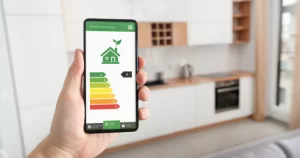
Efficiency is measured with a few standard ratings, and understanding them keeps a sales pitch honest. Gas furnaces and boilers are rated by AFUE (Annual Fuel Utilization Efficiency) – the percentage of fuel actually turned into heat. A standard older furnace might run 80 percent AFUE, while a condensing unit reaches 90 to 98 percent. Heat pumps are rated by HSPF2 for heating and SEER2 for cooling; higher numbers mean lower operating cost.
The ENERGY STAR label is a quick filter for equipment that meets stricter federal efficiency guidelines. It is a useful starting point, but on the Front Range the installation details – correct sizing, sealed ducts, and altitude adjustment – often matter more to your actual bill than the badge on the box.
Energy-Efficient Heating Options for Front Range Homes
High-Efficiency Gas Furnaces
Natural gas is the dominant heating fuel across Douglas and Arapahoe counties, and a high-efficiency condensing furnace is still the most common upgrade we install. A 95-plus percent AFUE unit with a variable-speed blower keeps a large two-story home evenly warm through a January cold snap while cutting gas use compared with an old 80 percent model. Condensing furnaces vent through PVC and produce acidic condensate, so they need a proper drain and, in our cold winters, protection against a frozen condensate line.
Cold-Climate and Dual-Fuel Heat Pumps
Heat pumps have earned their place in Colorado. Modern cold-climate models are engineered to pull usable heat from outdoor air well below 0 degrees F, and they cool your home in our hot, dry summers using the same equipment. For our climate, a dual-fuel (hybrid) setup is often the smartest configuration: the heat pump handles mild days efficiently, and a gas furnace takes over automatically when temperatures drop into single digits. That pairing hedges against both high electric rates and the coldest stretches of winter.
Boilers and Radiant Floor Heating
Hydronic systems heat water and circulate it through radiators or in-floor tubing, delivering steady, draft-free warmth that many homeowners prefer. High-efficiency condensing boilers reach comparable AFUE numbers to furnaces and pair naturally with radiant floor heat in basements, additions, and tile bathrooms. One local caveat: Denver-metro hard water leaves scale in boiler heat exchangers and tankless coils, which quietly erodes efficiency, so annual flushing and service pay for themselves.
Smart Thermostats and Zoning
The least expensive efficiency upgrade is often better control. A smart thermostat learns your schedule, adjusts for our big day-to-night temperature swings, and lets you avoid heating an empty house. Zoning – splitting a home into independently controlled areas – stops you from overheating rarely used rooms and is especially effective in the walkout basements and bonus rooms common in Castle Pines and Highlands Ranch.
How Colorado’s Climate and Altitude Affect Efficiency
At roughly 6,000 feet of elevation, gas equipment behaves differently than it does at sea level. Manufacturers require derating gas input at altitude – a common rule of thumb is about 4 percent of rated input for every 1,000 feet above 2,000 feet. That means a furnace installed in Parker delivers noticeably less output than its nameplate rating, which is exactly why proper sizing and a licensed installer matter. An oversized furnace short-cycles, wastes fuel, and wears out sooner.
Our freeze-thaw cycles and long cold season also reward tight construction. Even the most efficient system fights a losing battle against drafty rim joists and thin attic insulation. If you are still weighing your options, it helps to compare the advantages and disadvantages of various heating systems against how your specific home is built and used.
Sizing, Insulation, and Installation Matter Most
The efficiency rating on the box is a ceiling, not a guarantee. To hit it, the system has to be sized with a proper load calculation (Manual J) rather than a rule of thumb, the ductwork has to be sealed and correctly sized, and the home needs a reasonable envelope. Before spending on new equipment, it is worth checking attic and wall insulation and sealing obvious air leaks at windows, doors, and penetrations – poor insulation can waste a meaningful share of the heat you pay for.
A professional load calculation and an honest look at your ducts frequently save more energy than jumping to the highest AFUE model on the shelf.
Rebates and Tax Credits
Efficient heating upgrades often qualify for help with the upfront cost. Federal tax credits are available for qualifying high-efficiency furnaces, heat pumps, and boilers, and Colorado utility programs frequently offer rebates on ENERGY STAR equipment and smart thermostats. Programs and dollar amounts change, so confirm current eligibility with your utility and a tax professional before you buy – the incentive can meaningfully shorten the payback period.
Frequently Asked Questions
What is the most energy-efficient heating system for a Colorado home?
There is no single answer, but for most Front Range homes a high-efficiency condensing gas furnace or a dual-fuel heat pump paired with good insulation and a smart thermostat gives the best balance of comfort, cost, and reliability through our cold winters.
Do heat pumps really work in Colorado winters?
Yes. Cold-climate heat pumps are designed to produce heat well below 0 degrees F. In our climate, a dual-fuel system that switches to a gas furnace during the coldest stretches is often the most efficient and dependable configuration.
What AFUE rating should I look for in a new furnace?
For our long heating season, look for at least 90 percent AFUE, with 95 percent or higher offering the strongest fuel savings. Remember that at our altitude the unit must be correctly derated and sized to actually deliver that efficiency.
Are there rebates for energy-efficient heating in the Denver metro?
Often, yes. Federal tax credits and local utility rebates frequently apply to qualifying high-efficiency furnaces, heat pumps, boilers, and smart thermostats. Because these programs change, verify current offers before purchasing.
Choosing an energy-efficient heating system is easier when someone accounts for your home’s size, your ductwork, our altitude, and Denver-metro hard water. 1st Choice Pro Services is a licensed, bonded, and insured plumbing and HVAC contractor serving Parker, Castle Rock, Castle Pines, Centennial, and Highlands Ranch. Call us at 303-841-1448 to schedule a load calculation and get a straight recommendation on the right heating solution for your home.
Key Takeaways
Moving your sink to an island increases your kitchen’s workflow by centralizing prep and clean-up, diminishing perimeter…
Key Takeaways
Understand typical issues such as drain clogs, incorrect installation, and pump or hose malfunctions to target fixes where…