
Air Purifier Installation:for Homeowners to Improve Indoor Air Quality and Enhance Health Benefits
Key Takeaways
-
Evaluate the size and needs of each room before choosing and installing an air purifier for best results and energy meanness.
-
Organize your required tools and study the manufacturer’s manual to follow suggested installation and safety practices.
-
Position the air purifier in a central, open space away from walls and furniture to optimize air circulation and purification.
-
Think about incorporating smart features or additional units for extensive areas or high-tech tracking, rearranging them as conditions fluctuate.
-
Keep an eye on your air purifier for performance issues, strange noises, or safety hazards, and troubleshoot problems promptly to ensure efficiency.
-
Figure in filter changes and cleaning, and keep up with compliance standards and warranty requirements for continued effectiveness.
Air purifier installation refers to setting up a unit in a room to assist with air purification by removing dust, pollen, smoke, and other tiny particles. Proper air purifier installation improves air quality, reduces allergens, and can protect those within a residence or workplace. There’s something for everyone–from portable to built-in, they come in sizes and filters that accommodate many needs. Each type has installation steps and tips that greatly impact its effectiveness. Most of us choose air purifiers because they’re healthy and convenient. The following sections demonstrate what to know, which tools work best, and how to setup things correctly.
Pre-Installation Checklist
– A must before any air purifier installation. Thinking in advance gets the system flowing properly and prevents those final-minute slow-downs. This checklist ensures you’re prepared, from choosing the proper model to clearing the area.
Assess Room
Begin by taking measurements of your room’s length, width, and ceiling height. You need these figures in order to select a purifier that is right for the area. A mini won’t clean a large living room, and an oversized model in a tiny room dissipates energy.
Consider your resource usage. Bedrooms could require quieter models, living rooms a higher CADR. If you have pets, dust, or pollen, aim for a model with a corresponding filter for those pollutants.
Test whether windows and doors impact airflow locations. If your room has drafty windows, position the unit away from them. Open doors can overwork the purifier.
Check Power
Find a socket by the air purifier’s desired location. Dragging cords across the floor of a room is hazardous. Some models pull more power and can trip a weak breaker.
Examine the cord for fraying. A frayed cord is an unsafe cord. In order to protect your air purifier from power surges, a standard surge protector is a wise accessory.
Review Manual
Read the manual cover to cover. It includes not only instructions for installing the unit, but guidance on changing filters and troubleshooting. Every model’s a little different, so even if you’ve used purifiers before–peek at the specifics.
Several manuals provide contacts for assistance or warranty service. Jot these down. Plus, check out how frequently filters must be replaced. Some models require new filters every few months, so be sure to note it on your calendar.
Prepare Tools and Materials
Clear of clutter, toys and furniture. This allows air to circulate around the purifier.
Keep a measuring tape, screwdriver and the correct filter nearby.
Pets and kids cannot be around the installation area.
Give a final once-over to see that you don’t have anything.
The Installation Process
Proper air purifier installation facilitates air circulation, enhances indoor air quality, and promotes healthier breathing. Every step, from initial unboxing to that first use, counts towards long-term performance. Various kind require different installations. Others stand and plug. Others have to hook up to a central HVAC system. Either way, having explicit steps matters.
1. Unboxing
Begin by removing the air purifier and inspecting for any dents or fractures. Even a minor crack can become a big issue down the road.
Hold on to all packing material for the time being. If the unit is defective, you might needing them for a return or exchange. Then, spread out all of the included components—filters, screws, user guides—so you don’t overlook anything when you’re installing. This simplifies the remainder of the install. Discard packaging only after you’ve confirmed the unit works well, and recycle whenever possible to reduce waste.
2. Filter Prep
Consult your manual for the proper filter style—HEPA, carbon, or both. Slide in each filter, ensuring it’s snug. Loose filters allow dirty air to bypass the system, which defeats its purpose. Remove plastic wrap or cardboard from new filters – this stuffs blocks air flow. We find it useful to label the backup filters with the install date, so you’re reminded to swap them out the next time around.
3. Unit Placement
Place the purifier in a central location in the room, not hidden in a corner. If you can, choose a location that is not near walls and big pieces of furniture. Air can come in and out. Ensure that the intake and outlet are not obstructed by curtains or shelves. Mounting the unit on an elevated surface — for example, a table — can assist with air mixing in large rooms.
4. Power Connection
Plug the unit into a working wall outlet. If you’re using an extension cord, verify the manufacturer indicates it’s safe. Don’t let the cord become trapped under rugs or kinked behind furniture. First, test the plug with a lamp or phone charger to ensure there’s power.
5. Initial Test
Switch on the purifier and listen for strange noises or shaking. These could indicate that something’s not okay inside. If your model has an air quality light, watch how it responds during the initial minutes. Let it go for a while and see if the room feels fresher.
Strategic Placement
Room geometry and air circulation influence the effectiveness of an air purifier. That strategic placement is crucial — it can be the difference between new, clean air and a little pocket of better. It pays to understand how the air circulates and where it is impeded and which places are most important.
Airflow Dynamics
Air doesn’t circulate equally in every room. Windows, doors, even people passing on through can sway the current. For maximum effect, position the purifier so it can draw in the most contaminated air—typically close to walkways or doors. Don’t wedge the unit in a corner. Corners stifle airflow, and the purifier can’t draw in sufficient air or expel clean air effectively either. If you feel air is stale or not moving much, open a window or use a fan to help circulate air around the purifier. Always allow at least 1–1.5 meters (3–5 feet) of clearance around the unit, and avoid placing it above 1.5 meters (5 feet) from the ground.
Common Obstructions
Chairs, tables, curtains or even pet beds can obstruct the air purifier’s vents. All of these things reduce airflow and reduce purifier performance. If the intake or exhaust is obstructed, the device can’t purify the air properly. Look for dust or pet hair accumulating near the purifier — these can accumulate and clog the unit. As the room shifts, adjust the purifier or the obstructions so the air flow remains unobstructed.
Always space it out enough so the unit doesn’t obstruct traffic or make walking through the room difficult.
Room-Specific Spots
These busy areas catch more dirt, dust, pollen and odors. Strategic Placement – locating your purifier near these spaces—say next to a kitchen or hall—can help trap more pollutants. In a bedroom, position the unit approximately 2–3 meters (6–10 feet) from your bed’s head. If your room is large, having multiple air purifiers (one per 28–46 square meters, or 300–500 square feet) works best. Position them away a few feet from vents or AC units so both can process and replenish air well together. When seasons shift, like during spring pollen spikes, consider relocating the purifier closer to windows or doors that are opened frequently.
Key Placement Tips:
-
3–5 feet of clear space around the air purifier
-
Place away from corners, walls, or behind large furniture
-
Avoid blocking walkways or daily-use areas
-
For bedrooms, keep 6–10 feet from the bed’s head
-
Apply one per 300 – 500 square feet in large rooms.
Advanced Setups
They provide options for power-hungry homes or offices with intricate needs—larger spaces, smart-heavy setups, or those aspiring for premium air quality. These systems combine smart controls, multi-unit coverage and the latest filter technology for a cleaner, safer indoor space.
Smart Integration
Intelligent air purifiers operate alongside your Wi-Fi connection, allowing you to review or adjust configurations remotely. You can switch the purifier on before you get home, or schedule it to run at specific times through an app. With smart home assistants such as Google Assistant or Alexa, you simply talk to get the system started or stopped.
If you have connected apps, they will display live air quality updates, so you know what’s going on in your space. Most apps will allow you to schedule reminders for filter changes or maintenance. This prevents dumb errors, like letting the system run with a clogged filter, which drags down its efficiency and air quality.
Multi-Unit Systems
|
Single Unit |
Multi-Unit Systems |
|---|---|
|
Easier setup |
Better coverage for larger spaces |
|
Lower upfront cost |
Custom placement for unique air quality issues |
|
Limited to one area |
More flexible, targets multiple rooms/zones |
|
Simple maintenance |
Higher cost, more filters to check or change |
For optimal coverage with multi-unit systems, install one in each primary room, such as bedrooms, living rooms or offices. This assists in addressing varied air issues–pets in one area, dust in another. The expense can accumulate, but it’s frequently more efficient than one big whole-house beast, particularly if rooms have varying requirements. Always size the purifier to the room.
Technology-Specific Needs
Consider what type of tech suits your space. If you’re already using smart home tools, opt for a purifier that integrates with them for more convenient management. We offer some of the most advanced air purifiers, which use true HEPA filters (MERV 11A or higher) that can trap 99.97% of particles as small as 0.3 microns. MERV 13 filters strike a nice sweet spot of affordability and effectiveness, snagging up to 99% of airborne debris.
See if your system has active or passive filtration. Active systems typically perform best for allergy/asthma relief, eliminating dust, pollen and even particles as small as 0.15 microns. Look out for your purifier’s software updates to keep features and air quality optimal.
HVAC Compatibility
Matching your air purifier to your current HVAC can really help. This setup purifies air throughout your building, not just one room.
Verify the filter variant—most whole-house models feature HEPA or MERV 13 filters. For optimal performance, replace filters every 3-6 months. Select one that matches your HVAC’s airflow. Too potent or too mild will do the trick.
Installation Pitfalls
It’s not as simple as just installing an air purifier and switching it on. Bad installation can result in performance losses, noise problems and even safety hazards. Identifying the symptoms and avoiding the blunders can help to keep your air cleaner humming!
Performance Loss
Performance sometimes falls off when the unit sits too close to walls or in high-traffic areas, which can obstruct airflow. Most owners place air purifiers adjacent to heating vents or in high velocity air flow, believing that this will enhance performance, but it actually decreases the amount of air treated.
If you feel your airflow is slowing or your air quality not improving, check for clogged filters or blockages inside the unit. Filters should be changed every three to twelve months, depending on the particular model and use, but letting this slide can make matters worse. Forgetting to clean when replacing filters or deviating from the manual can reduce the purifier’s lifespan. Clean the outside and the inner components regularly to ensure dust isn’t accumulating and clogging the system.
Noise Issues
Noise can indicate an issue. If your air purifier begins to rattle, buzz or hum louder than normal, it can be due to being on an uneven surface or not having the parts fitted properly after filter changes. This becomes even more critical if you run your air purifier in a bedroom, study, or other quiet environment.
Make sure your unit sits flat and stable always. If noise develops, don’t bury it. Research now to deter larger problems later, or to detect a fault in the motor or fan before it fails.
Safety Risks
Electrical safety is not optional. Ensure that all plugs and wires are tight and undamaged. Never install an air purifier in wet areas such as bathrooms, as this presents a hazard for shocks or fire. Do not set it on or near stoves, heaters, or in direct sunlight, as heat can damage parts or induce overheating.
Educate all in the household or office on safe usage–i.e. Not covering vents and not transporting the purifier while it’s operating.
Common Installation Pitfalls
-
Placing unit too close to walls or furniture
-
Ignoring instruction manual and setup guides
-
Not changing filters often enough
-
Forgetting to clean during filter replacement
-
Setting up in damp or hot areas
-
Overlooking noise or efficiency changes after installation
Beyond The Box
Air purifier setup is more than just unboxing. Thoughtful decisions regarding who installs the unit, how you maintain it, and if it is suited to your home’s needs can make a difference in your long term air quality and safety.
DIY vs. Pro
DIY installation works for most, particularly with simpler models, or when a homemade air cleaner using a box fan and MERV 13 filters. More filters might slow the fan by, say, 25%, but you can compensate by going deeper filters, like a 2” or 4” MERV 13—which slow it down about 50% and 40%. DIY cardboard ‘fan shroud’ projects can increase efficiency even more, and one study even found these configurations matched or outperformed commercial units in efficiency and clean air delivery (CADR).
With complex air purifiers or whole-home systems, you may need a pro. Pros have the wiring skills and tools, ductwork and compliance checks that are dangerous or technical for most DIYers. Professional installation typically is more expensive in the beginning but it can save you from mistakes that could void warranties or reduce efficiency. If you’re unsure about steps or tech specs, get help or advice from experts.
Compliance Standards
Air purifiers rules vary by country or city. Most are needed devices in safety or filter standards most places where PM 2.5 is concerned. MERV 13 or above for smoke / high pollution areas.
|
Region |
Local Standard (Example) |
Safety Requirement |
|---|---|---|
|
EU |
EN 1822, ISO 16890 |
CE marking, fire safety |
|
USA |
AHAM, UL 507, MERV 13+ |
Electrical certification |
|
Australia |
AS/NZS 3000 |
Fire/safety compliance |
|
Singapore |
NEA standards |
Electrical safety |
Regulations change, particularly following air quality incidents. Check with local professionals or authorities to ensure that you are complying with all regulations prior to installation.
Maintenance Planning
A filter schedule keeps air clean. Check and replace filters as the manufacturer recommends or more frequently in smoky or dusty periods. Set reminders for these switches—most brands recommend every 3–6 months, but heavy use zones might require more frequent rotation.
Cleaning counts, as well. Wipe down the unit, clean vents, and maintain intake clearance. That prevents grime from jamming the works and keeps it running longer. Save receipts and keep a task list to steer clear of warranty woes.
Spread the hygiene around the household. Show basic steps to keep air clean, even if you’re not home.
Tailoring to Your Home
All homes have their own air requirements. Consider room size, sources of PM 2.5 (smoke or pets) and the unit’s CADR rating before selecting a model.
Check local air quality for extra guidance.
Conclusion
Clean air at home begins with a clever configuration. As any good air purifier, a little TLC never hurts. Select an ideal location, verify filter status, and power it on. Be smart about the model and room size. Resist the temptation to jam the unit in a cramped nook or cover the vents. Rooms with plenty of dust or odors require extra assistance — so pair the filter to the task. Stay on top of simple inspections and changes. Good air just seems to be free and fresh and keeps one’s head clear. Ready for that next step. Leave your own advice, or pose a question, about how to get clean air at home.
Frequently Asked Questions
What should I check before installing an air purifier?
Make sure you have the appropriate power source, sufficient room and the appropriate filter variety for your requirements. Review the user manual for safety and installation guidelines.
Where is the best place to install an air purifier?
Position your air purifier in the middle of the room, not near any walls or obstacles. This provides the best airflow and efficiency.
Can I install an air purifier myself?
Yes, the majority of air purifiers are simple to install with minimal instructions. For integrated or sophisticated systems, it’s advisable to have them installed professionally.
How often should I replace the filter after installation?
Review the manufacturer’s instructions. For best results, most filters should be replaced every 3–6 months.
What are common mistakes during air purifier installation?
Typical errors such as placing units near walls, obstructing air inlets, and using the incorrect power source. Stick to the manual to prevent troubles.
Do I need special tools for installation?
Majority of the air purifiers need no special tool to install. For more sophisticated or wall-mounted models, you might require simple tools such as a screwdriver or drill.
Does air purifier placement affect its performance?
Yeah, placement is key for air cleaning. Stay away from corners and don’t let it get clogged by furniture or drapes.
Key Takeaways
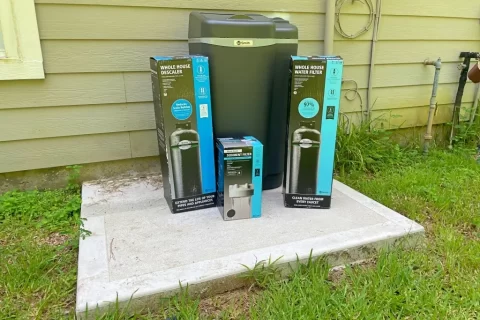
Water softener vs water filter They both rely on different mechanisms to solve different water problems. Softeners remove hard…
Key Takeaways
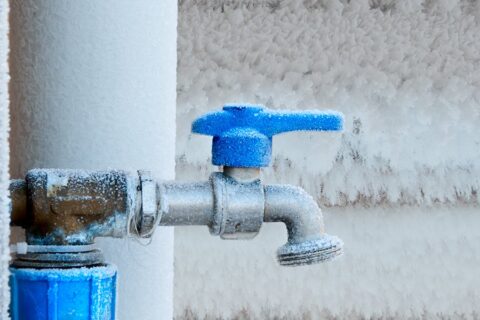
Pipes often freeze because they are exposed to cold air or because there are drafts around the pipe causing it to be…