
The Key Benefits of Annual Plumbing Inspections for Older Colorado Homes
Key Takeaways
-
Book annual plumbing inspections to identify the early sign of leaks, corrosion, and the use of outdated materials. These are common issues in older Colorado homes. This simple act goes a long way in reducing potential plumbing emergencies and costly future repairs.
-
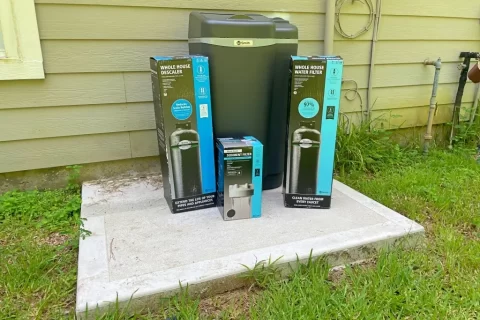
Inspect for cracks caused by freeze-thaw cycles and examine for hard water mineral deposits. Insulating pipes and putting your plumbing through a water softener will help keep the entire system healthy longer.
-
Repair small plumbing problems and update old plumbing fixtures before they turn into emergencies. It is true that proactive maintenance is almost always less expensive than reactive responses to emergencies.
-
Provide documentation of excellent maintenance practices- stock detailed inspection reports and maintenance records to help preserve home value, resale, and insurance applications. Well-documented plumbing care can attract buyers and lower insurance risks.
-
Be sure to cover all the key plumbing areas. This involves water heaters, piping, individual valves, and drainage systems. Utilize advanced technology such as cameras and moisture detectors to make a comprehensive evaluation.
-
Hire qualified, licensed plumbing professionals who understand the nuances of aging homes and the unique water and plumbing challenges that Colorado faces. Be sure to check credentials and request references to ensure trustworthy inspection services.
Key benefits of annual plumbing inspections, especially for older Colorado homes, include early leak detection, keeping pipes in good shape, and stopping water damage before it starts. In older Colorado homes, the risk of pipe freezing, cracking, and flooding due to extreme cold winters is high.
Many times, leaks go unnoticed until they cause a disaster. Regular inspections allow plumbers to catch worn, cracked, or corroded pipes, blockages, and low water pressure. Practiced plumbers are adept at locating water heater and sump pump problems that could suddenly break down when a cold snap arrives.
For homes with original plumbing or older fixtures, these inspections give peace of mind and help keep costs down over time. Our full post will explore each of these benefits in-depth and illustrate how they align with everyday reality here in Colorado.
Older Colorado Homes Plumbing Challenges
Older Colorado homes often encounter frequent plumbing challenges due to the aging of Denver pipes. These homes’ plumbing systems endure decades of wear and tear, exacerbated by harsh Colorado temperature shifts. Routine plumbing inspections can’t happen soon enough, as many homes over 20 years old have pipes and fixtures that are well beyond their useful lives. Regular plumbing inspections help identify concealed damage before it escalates.
Unique Risks in Aging Pipes
This is just one example of how aging pipes display their wear. Corrosion inside older pipe materials such as galvanized steel or iron accumulates with age. You may notice discolored water, low water pressure or even areas where your water is spraying out.
These leaks can show as stains on ceilings or walls, and even a small leak can cost you thousands in repairs. Pinhole leaks are deceptive—they appear small on the surface but project water internally behind a wall or under a floor. These tiny leaks usually go undetected until they create more significant issues.
Checking the whole plumbing setup, from main lines to small joints, helps keep the system strong and ready for daily use.
Colorado Climate Impact Explained
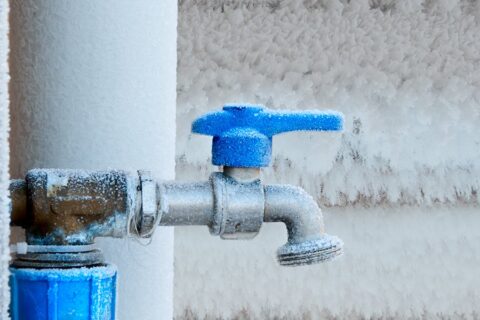
Colorado’s dry and hot climate takes a toll on old pipes. Freezing winters cause pipes to shrink and swell with increases and decreases in temperature, which can weaken joints, causing separation, or even cracking materials. Sudden warm days with warm nights followed by frigid nights stress pipes as they are stretched to their limits.
Older homes with copper pipes that are located next to external walls are especially prone to this type of stress. Quick cold snaps can freeze water in vulnerable pipes and lead to breakage. Basic renovations such as pipe insulation or preventing radiant heat loss make all the difference.
Common Outdated Materials Found
Older homes often have galvanized steel or iron pipes, which have their own set of problems. These are always rusting from the inside out and reducing water flow. With 670,000 homes in Colorado still having lead pipes, their presence increases health risks.
Older fixtures can be unsafe and more prone to leaks. PEX pipes, which have become a popular material for these updates, can crack if used in exposed areas or if incorrectly installed. Identifying these legacy materials early gives you time to plan these repairs out and prevent larger costs later.
What Is Annual Plumbing Inspection?
Annual plumbing inspection is like a physical exam for your home’s water system from the ground up. For historic homes all across Colorado, this is the perfect chance to investigate the various components that ensure a functional and continuous flow of water.
Having an annual inspection scheduled means that I am proactively solving issues before they start and become more serious. Not only does this extend the lifespan of my system, but it ensures that my system is running at its best.
I’ve saved thousands of dollars just by catching cracks and leaks before they can do serious, expensive damage. Besides, it’s shorter for me to get them resolved.
Further, each check can save me an average of 8 to 10 percent on my water bill as well. Your plumber will be able to identify small leaks, weak points, and old parts that should be replaced before they become an issue.
Over time, you’ll find yourself looking at fewer expensive repairs. This greatly minimizes the chances of a basement flooding or pipe bursting in the cold winter months.
Defining Proactive Plumbing Care
Routine inspections are a key factor in preventing the failure of old pipes and valves. Each year, I get an annual plumbing inspection.
For example, they usually find small leaks or compromised joints that I can easily repair. This level of proactive maintenance is what ensures my plumbing works well for decades longer and prevents me from being hit with an unexpected, large expenditure.
Repairing drips and tightening loose valves before the cold season will help lessen the concern of pipes freezing and bursting.
Key Areas Checked During Visit
-
Water heaters for rust, leaks, and heating strength
-
Pipes and valves for wear, leaks, or corrosion
-
Drainage systems to ensure water drains away properly
This includes every major aspect, ensuring that routine plumbing inspections cover nothing that falls through the cracks.
Modern Tools for Old Systems
Using wireless camera scopes, a plumber can see down inside pipes without demolishing walls or floors.
Moisture meters can be used to locate leaks underlying sinks or in the basement. Tools like these provide startling detail on what’s crumbling, down to the last connection joint.
Why Annual Inspections Matter Most
Regular plumbing inspections provide an honest view into what’s actually happening beneath our homes. If you have an older Colorado home, these inspections can be a literal life saver. They allow you to identify minor leaks or failing pipes before they turn into major, expensive disasters.
You keep our industry moving as smoothly and safely as possible. That’s how you avoid the insanity of a blown pipe and a flood of water under the winter freeze emergency. That peace of mind goes a long way.
1. Catching Issues Before Disaster Strikes
When we inspect our plumbing annually, not only do we avoid devastating damage, but catching issues early literally saves us thousands of dollars. When you see that slow drip under your sink, repair it on the spot.
Like “unexpected friends,” this little ceiling stain could be a harbinger of flooding as well, so pay attention! Regular checks help us stay informed and focused, and they prevent unexpected failures or mold infestations.
2. Preventing Costly Emergency Repairs
Avoiding one annual inspection could mean facing unexpected, costly fixes all at once. When you fix rooftop leaks and worn parts ahead of time, you save money and maintain your peace of mind.
A little preventive maintenance now will spare you a potential $576 billion in replacement costs down the road. We all understand that plumbers bill much higher for after hours calls!
3. Ensuring Water Safety Always
Safe, clean drinking water is essential and should be a universal right. Annual checks keep an eye out for lead or other harmful contaminants in pipes to help ensure your water stays healthy.
This is especially true for older homes, as pipes can corrode or collect minerals over time.
4. Avoiding Hidden Water Damage
Annual home plumbing inspections can identify leaks behind walls or under floors before significant damage occurs, helping to prevent issues like decay, buckling, or damaged drywall.
5. Protecting Your Home Investment
Keeping your property value stable and strong begins with staying up to date with routine plumbing inspections. Home buyers prefer a history of proper maintenance, and these inspections let future buyers know you’ve been proactive.
6. Addressing Colorado Hard Water Effects
Hard water deposits mineral buildup that result in reduced pipe flow diameters and appliance efficiency. A routine plumbing inspection can identify these issues, and by installing a water softener, you’ll be extending the life of your entire plumbing system.
7. Mitigating Freeze-Thaw Cycle Damage
With Colorado’s drastic temperature swings, routine plumbing inspections before winter help us insulate and prep our plumbing systems, preventing plumbing emergencies like burst pipes after a cold snap.
Extend Your Plumbing System Lifespan
Our plumbing partners tell us that older homes throughout Colorado have plumbing systems that are more susceptible to the impacts of age and weather extremes. That’s why annual plumbing inspections are essential to ensuring your system works for as long as possible.
These routine check-ups help detect tiny leaks, worn seals, and mineral build-up before they can escalate into major issues. Avoid costly replacements and expensive emergencies by extending the life of your plumbing system for peace of mind and budget relief.
Taking proper precautions, many plumbing disasters can be avoided and repaired quickly.
How Maintenance Prevents Wear
Regular checkups, usually once a year, mean a plumber looks at pipes, fittings, water heaters, and the main sewer line. These maintenance visits, typically only one or two hours of effort, range from $100-$300.
Constant investment through maintenance, replacement, and rehabilitation as well as modernization keeps pipes and fixtures in good shape, helping them last longer. Basic things—like noticing a leak from the faucet, a slow leak from the sink, watching your water heater fail—go a long way.
When these are repaired early, you prevent catastrophic water damage, mold, or having to replace entire sections of pipe. It’s been estimated that 90% of all plumbing emergencies could be prevented through routine maintenance.
Keeping Water Pressure Optimal
By maintaining consistent water pressure there are fewer incidents of water main bursts and pipe leaks. Plumbers look for abnormal pressure fluctuations and perform tests for clogs or accumulation within piping.
They can fine-tune individual valves to ensure water is flowing correctly into each and every one of your rooms. This maintains a steady flow in showers, improves the performance of appliances, and prevents pipes from aging prematurely.
Slowing Down Pipe Corrosion
Failing pipes, particularly in Colorado’s now moist, cold, and dry desert climate, tend to corrode. Regular inspections can help catch rust or green stains before they become a bigger problem.
Many plumbing professionals will recommend replacing old lines with copper or PEX, both of which are more corrosion-resistant. This extends plumbing system lifespan, prevents contamination, and reduces future leakage from existing failing plumbing.
Save Money with Regular Checks
Regular plumbing inspections allow you to catch small plumbing problems before they become major expenses, an issue that’s even more critical in aging Colorado homes. Investing in regular plumbing inspections saves you money on unexpected repair costs and ensures your home’s plumbing system is functioning at its best.
Routine inspections can detect minor leaks, frayed pipes or slow drain issues before they develop into bigger problems. That ultimately allows you to be better prepared to make necessary repairs and stay within your budget.
Comparing Inspection vs Repair Costs
|
Service Type |
Average Cost |
Example Scenario |
|---|---|---|
|
Annual Inspection |
$150–$300 |
Full house check, minor fixes |
|
Emergency Pipe Repair |
$500–$1,500 |
Burst pipe, water shutoff, cleanup |
|
Water Heater Replacement |
$1,000–$2,000 |
Failed heater, urgent replacement |
|
Major Leak Damage Repair |
$3,000–$8,000 |
Mold removal, wall/floor repairs |
Repairing a pinhole-sized leak in the roof today is far cheaper than addressing an emergency plumbing situation and subsequent water damage repair tomorrow. While working on an unrelated issue, a plumber could identify a recently cracked pipe.
If you choose to repair it on the spot, that will run you about $200. Waiting until the pipe bursts can lead to damage costs in the thousands.
Improving Water Bill Efficiency
Leaks and aging infrastructure lose precious water and increase your cost. Routine inspections are the most effective way to identify such issues.
Just like a plumber would notice immediately if you have a slow drip under your sink or a toilet that runs 24/7, correcting these anomalies costs money every month.
Replacing old toilets with low-flow models or outdated faucets with newer, better designed ones during an inspection will drastically reduce water usage without sacrificing quality water pressure.
Lowering Potential Insurance Claims
Regularly monitoring your plumbing reduces the chance of extensive water damage. This is because insurance claims for water damage result in steeper increases in insurance premiums.
Your annual checkup records prove that you have a track record of taking good care of your property. This documentation can be extremely useful should you ever need to submit a claim.
Preserve Your Home’s Integrity
Annual plumbing inspections are an essential part of how we preserve older Colorado homes while preserving the home’s original character and integrity. While these homes all come with charm and character, their pipes and home systems may reveal their age.
Schedule annual plumbing inspections to protect your home’s integrity! Catch problems before they start and make sure your home functions better for a longer time. Beyond fire, this strategy is an important way to conserve water, a critical benefit in drought-focused states such as Arizona and Colorado.
Balancing Updates and Preservation
Like a vintage sink or clawfoot tub, older homes are usually filled with charming details you want to preserve. When you modernize plumbing, you can preserve these appearances while updating the insides so everything functions properly.
For starters, you may be able to conceal new pipes within the walls or beneath the floor, leaving the old fixtures intact. Consulting with professionals will help you determine which upgrades suit your home’s architectural style.
They build on the existing bones of your home, searching for opportunities to introduce new materials and features without altering the elements you’re most enamored with. Request a free consultation to find out what big and small changes can improve safety and efficiency.
In the process, you can preserve the architectural integrity of your home. Keeping a plumbing log and following seasonal plumbing tips can further help you identify small, easily fixable issues before they become big, costly repairs.
Meeting Modern Code Requirements Safely
Science-based plumbing codes and practices will continue to protect your home, your family, and your peace of mind. Inspections determine whether your system complies with these regulations.
In addition to looking for leaks, the inspector examines pipe materials, including lead, checks water heaters and other connections. They identify code violations and recommend corrections, which protects your home and prevents you from incurring costly penalties.
These checks prevent problems associated with hard water and root growth. Eighty percent of a home’s integrity relies on home’s pipes. Not only can you save your investment with an improved home but you can help maintain or increase your investment.
Boost Home Value and Insurability
Inspecting plumbing structures annually saves time and money, rather than spending years blind to their condition. They’re playing a fundamental role in boosting home value. This is especially the case in many of Colorado’s older neighborhoods, where buyers look for indications of nurtured beauty and maintenance.
When you stay proactive with your plumbing, you’re taking major steps to prove that you care about your home’s long-term health. That kind of track record isn’t just what buyers seek out; it helps homes stand out amid a competitive real estate landscape.
By doing regular maintenance on systems, we can prevent a lot of water from going to waste. This results in lower bills and encourages more responsible use of our resources. In states like Colorado, where every drop counts, this can truly set a home apart.
Inspection Reports Impact Value
A thorough, concise inspection report goes a long way towards influencing appraiser and potential buyer perception of the value of a home. If you maintain documentation from each yearly inspection, you have documentation of all work performed and problems addressed early on.
This, in turn, helps them build trust when it comes time to sell. Buyers appreciate knowing exactly what’s been repaired and that they won’t be surprised by major issues lurking inside the walls. Having a maintenance log that includes bike tubes greased and spring to fall checks on all plumbing increases confidence in the house.
Timely repairs combined with a regular flushing program make investors feel safe. Providing this documentation upon sale helps ensure an open and transparent sales record.
Making Insurance Easier Obtain
Insurance companies generally favor homes with a pristine inspection history. A home that demonstrates consistent upkeep and maintenance sails through the process more quickly and usually with higher rate offerings.
When you maintain a current state of inspections, you’re proving you’ve reduced the risk to all parties. This can translate to simpler application forms, quicker underwriter approval, and occasionally, a reduced premium.
Maintain a focused inventory to identify major issues in advance of need. This approach saves money and increases your peace of mind.
Choose the Right Inspection Service
Choosing the right plumbing inspection service is important for aging Colorado homes. Sure, working with an experienced team gives you peace of mind, but we mean real peace of mind. They know the peculiarities of old pipes and fixtures.
I’m getting pickier about plumbers with 20-plus years in the business. Take Save Home Heat Company, for instance, they’ve been keeping customers comfortable since 1948. Their years of experience provide them with a finely tuned perspective on older homes.
They fully understand what to examine in detail, from sleuthing out offset hidden water leaks to verifying that toilets and water heaters perpetrate no mischief. It helps when companies use smart tools for leak detection, so small issues don’t turn into big repairs down the line.
What Experience Matters Most
Plumbers experienced working with vintage homes know how to identify dangers so they don’t become future irritations. First, I make sure they have the appropriate state licenses and can provide examples of previous work.
Checking customer reviews should provide an idea of how they complete their work, as well as whether or not they consistently arrive on time. In Colorado, plumbing faces distinctive challenges like hard water and freezing pipes. It’s why it’s a good idea to select inspectors who are familiar with these local idiosyncrasies.
Questions for Potential Plumbers
-
What is your experience with older plumbing systems?
-
How do you handle unexpected issues during inspections?
-
Can you provide references from previous clients?
-
What advanced tools do you use for leak detection?
-
Do you offer annual maintenance plans or discounts?
These questions help you feel confident about your choice of professional plumbing inspection.
Understanding Inspection Report Details
A good inspection report should be your blueprint, powerfully reasserting what to improve, repair, and replace. I usually have all those reports on hand to reference later, and if something is even remotely unclear, I’ll question the inspector on it.
This allows me to get out ahead of issues and schedule fixes before they become more expensive to repair.
Conclusion
Annual plumbing inspections help make my old home sound and safe, year after year. Wear and tear on pipes in older Colorado homes The pipes in older Colorado homes take quite a beating. Annual inspections stop me from dealing with serious leaks, rust problems, and slow drains. I watch the savings add up quickly—no major emergency repairs needed, no large service bills coming due, and no clean-up from sudden flooding. Maintaining clean, functional pipes protects my home’s value and assists with insurance payouts. I continue to work with a pro who understands the quirks of older Colorado homes. Thanks to each annual check of my plumbing system, I not only have peace of mind but real value. Looking to protect your aging Colorado home from a surprise plumbing disaster? Contact your local plumbing experts today and schedule your next inspection! Both your pipes and your wallet will be thankful for your improved upkeep.
Frequently Asked Questions
What are the main plumbing issues in older Colorado homes?
Pipe corrosion, leaks, low water pressure, and risks from outdated materials are just some of the challenges that older Colorado homes encounter. Cold Colorado winters can aggravate this damage. A routine plumbing inspection allows experienced plumbers to identify plumbing issues before they escalate into emergencies that require expensive repairs.
Why should I get an annual plumbing inspection?
Annual plumbing inspections, such as routine home plumbing inspections, can help catch minor inconveniences before they develop into larger plumbing issues. They save you water damage, money, and ensure your plumbing system works safely for years to come—all benefits for older Colorado homes.
How do regular plumbing inspections save money?
Routine plumbing inspections help find leaks and wear early. Addressing plumbing issues sooner, rather than later, is always less expensive than emergency repairs or extensive water damage, assisting homeowners in avoiding surprise costs.
Can annual inspections increase my home’s value?
Well-maintained plumbing, highlighted by routine plumbing inspections, is a definite selling point. Annual inspections demonstrate to prospective buyers that you take pride in your home, thereby increasing values and bolstering desirability.
Do plumbing inspections help with home insurance?
Yes. In fact, most homeowners’ insurance providers offer discounts to homes that conduct routine plumbing inspections. This can make it easier for you to obtain lower rates or qualify for coverage.
How do I choose a qualified plumbing inspection service?
Find a licensed plumber who specializes in routine plumbing inspections for Colorado homes. Read reviews, request referrals, and ensure they can provide a comprehensive inspection report.
Will annual plumbing checks extend my system’s lifespan?
Amen to that, brother. Routine plumbing inspections help prevent premature wear and tear to pipes, plumbing fixtures, and appliances. This not only prolongs the lifespan of your plumbing systems but also minimizes the risk of a sudden plumbing emergency.
Key Takeaways
Water softener vs water filter They both rely on different mechanisms to solve different water problems. Softeners remove hard…
Key Takeaways
Pipes often freeze because they are exposed to cold air or because there are drafts around the pipe causing it to be…