
Busting 7 Common AC Myths That Are Costing You Money
Key Takeaways
-
Myth #5: Larger systems cool faster Right-sizing your AC system is extremely important. Units that are too big or too small will run up your bills, cause increased repair needs, and create uncomfortable hot/cold spots.
-
Myth #1 Setting your thermostat lower than 78°F cools your home faster. In fact, it actually raises your energy bills and adds unnecessary wear and tear to your system!
-
Myth #3 — Closing vents in unused rooms is a good way to save money. In reality, it can produce duct leaks and pressure problems, which in turn lowers efficiency.
-
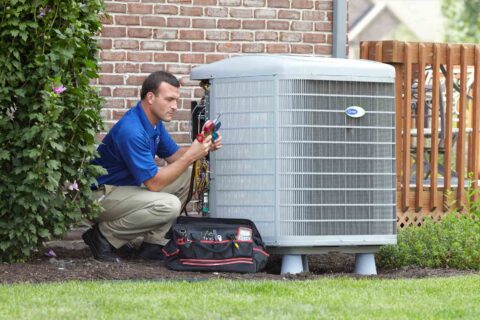
Changing filters regularly and scheduling professional tune-ups for your AC system will help keep it running at peak performance. This simple maintenance skips expensive emergency breakdowns and reduces energy use.
-
Don’t try this at home—DIY fixes can be dangerous! For any repairs beyond basic maintenance, turn to qualified HVAC experts to ensure that your investment and safety are well protected.
-
Buying a high-SEER rated AC system will be more expensive upfront. It delivers big reductions on energy bills over the lifetime of the system.
Busting common AC myths that cost you money means knowing real facts about how air conditioning works in daily life. Many folks in the U.S. Still believe things like leaving the AC running all day saves more cash or shutting vents in unused rooms helps cut the bill.
In reality, these practices only increase your energy consumption and result in higher bills. This confusion caused by misinformation extends even to identifying when your unit requires repair. For families in cities with long, hot summers, like LA, understanding what’s real can save them a lot of money.
Those myths are what we’ll cover in the next few sections. They’ll be sharing more mythbusting like this too, along with easy tips you can use to save money and stay cool at home.
Common AC Myths Costing You Big
Most importantly, everybody wants to be comfortable in the summer without spending a fortune. A few myths about air conditioning could be draining your wallet. Ignoring these myths will cost you in higher bills, less comfort, and yes, a shorter lifespan for your AC.
So it’s important to identify what really works and what merely sounds good. Here’s what you need to know about the biggest AC myths that cost you the most.
1. Myth: Bigger AC Means Better Cooling
So, getting a bigger AC seems like a fool proof plan. A unit that’s too large for your space usually equals more headache. Because they cool the room down so quickly, oversized units don’t run long enough to take humidity out of the air.
You’ll be left with ice box conditions in some rooms and sauna-like humidity in others. What’s more, these units begin and end operation more frequently—a process known as short cycling. Short cycling causes excessive strain on parts and results in higher repair frequency.
In Los Angeles, summer heat can linger for six months. That not only causes premature failures and an increase in repair shop calls. A properly sized AC operates more consistently, maintaining your household comfortable while avoiding spike in bills.
In fact, using an oversized system increases your energy costs by 10-20% per month, particularly on the hottest days. Knowledgeable local HVAC pros can measure your space and assist you in choosing the right size. It’s an easy, upfront decision that pays dividends in life-cycle costs.
2. Myth: Crank Thermostat for Quick Cool
Setting the cooling thermostat much lower than your desired temperature WILL NOT cool rooms any faster. That’s because the unit runs and blows air at the same CFM regardless of what you put the unit’s setting on.
If you drop the temp down to 65°F your AC unit will need to run longer and use more electricity. Additionally, if you don’t remember to turn it back down, it’s going to ice you out! Every degree you set it below 78°F will increase your bill by 5-10%.
The U.S. Department of Energy suggests 78°F as a good compromise between comfort and savings. It’s important to use ceiling or box fans actively to move air. This lets you set the thermostat a few degrees higher and still feel comfortable!
3. Myth: Closing Vents Saves Money
It sounds logical: close vents in empty rooms to save on cooling. Today’s central ACs are built to pump a predetermined amount of air through the system. Closing vents in your home actually builds up pressure inside the ducts.
This can create leaks and make the blower fan have to work harder, unnecessarily wasting energy. In reality, the system will run as much as 15% less efficiently with only a few closed vents. For Southern California homes with ductwork that stretches long distances, these pressure problems can result in fat losses.
When all vents are open, air can flow easily and your AC won’t have to work as hard to cool your home.
4. Myth: Turn AC Off When Gone
The idea of turning off your AC while you’re at work or running errands seems like a money-saving approach. When you come home, the AC has to play catch up and work overtime. First, it brings down a previously sweltering environment, requiring a significant instant burst of energy.
Instead, leave the system operating at a constant, warmer temperature—such as 82°F—while you’re away. When you are home, set it at 78°F to allow it to run more evenly and avoid wasting energy. Smart thermostats can help automate this, learning your schedule and automatically warming or cooling your home accordingly.
This simple strategy can save you as much as 10% in cooling costs throughout the summer months.
5. Myth: Air Filters Last Ages
Air filters are one of those “set it and forget it” components of your HVAC system. In a city with lots of dust, pollen, and wildfire smoke, like L.A., filters get clogged up quicker than you realize. Clogged filters impede airflow and force your AC unit to work harder, increasing energy consumption by 5-15%.
Replace or wash filters every 1-3 months, based on usage and air quality. To avoid this, set reminders or create a checklist for yourself. In addition to improving HVAC efficiency, clean filters are vital for maintaining healthy indoor air, which is important for those with allergies.
6. Myth: AC Maintenance Is a Scam
Many view AC maintenance as an upsell. Routine checkups help your system run as efficiently as possible and catch minor issues before they become major headaches. Regular maintenance such as cleaning coils, checking refrigerant and tightening electrical connections can increase efficiency by 15-20%.
Properly cared for systems can last a decade or more beyond their expected lifespan. Avoiding service leads to higher utility bills, unexpected replacements, and more costly repairs in the future.
7. Myth: Any DIY Fix Works
DIY has its place, but ACs are more complicated than one might think. Using the wrong refrigerant is a recipe for disaster. Taping over duct tape over leaks is actually worse than leaving it un-taped!
Some fixes even nullify warranties or make things more dangerous. Things such as odd sounds, insufficient cooling or moisture should drive you to contact a trained expert. Professionals have the right tools and expertise.
While simple maintenance, such as changing a filter or cleaning out vents, is perfect for a DIY approach, for everything else, leave it to the professionals.
8. Myth: Set Thermostat Super Low
Setting your thermostat to 60°F on a hot day won’t cool your home faster. The system’s maximum cooling speed is unchanged. It doesn’t stop there—energy and money are wasted because it just continues running until reaching that low set point.
When you find a setting you’re comfortable with—typically about 78°F—you’ll be cool without the shock of the sticker price in your monthly bill. Just raising the temperature by a single degree can save you money.
Fans improve comfort at warmer settings. Fan use can make you feel comfortable at warmer thermostat settings.
Thermostat Secrets for Lower Bills
Clearing up these AC misconceptions begins with thermostat use. Many households in the U.S. Still believe that setting the thermostat lower will cool the house faster, but this simply isn’t the case. In other words, the AC unit is cooling in a constant manner.
The only result from cranking it down is a jump in energy consumption—not an increase in comfort speed. For consumers who want to save money on energy costs, knowing these truths will help prevent high bills and will prolong the life of their HVAC system.
Smart Thermostats: Your Best Friend
Smart thermostats are packed with so many benefits beyond remote control. They learn your daily routines to automatically adjust temperatures based on when you’re home or away, meaning you’re not cooling an empty house.
For instance, a smart model such as Nest or Ecobee gives you the option of programming schedules. Or simply let the device learn when you’re away! That means it can automatically raise the temperature to 80°F during the day when you’re away, then cool down to 76°F just before you return.
These little, automated changes contribute to cost savings and wasted cooling hours saved.
Finding Your Ideal Temperature
Keep the thermostat at 78°F-80°F when home and work from there. Put ceiling fans to work for added comfort—fans can allow you to feel up to 5°F cooler. Your energy bill will thank you!
Set the AC a degree higher — particularly when you’re not home. Just think of how much you’ll save by month’s end! Keep at least 75% of vents open for proper airflow, and don’t neglect regular filter changes to keep your system efficient.
Why “Set It Low” Fails
Setting your thermostat lower than necessary just makes your AC work harder and use more energy. Rather go for baby adjustments—set temps higher when you leave and return to comfort gradually.
This prevents the system from overdoing it and helps bills stay manageable.
AC Sizing: Get It Right
Getting AC sizing right is key to keeping your home comfortable without wasting energy. As an added bonus, it saves you money on energy bills, too!
Reinforcing the myth Too often, folks believe bigger is better, but that just isn’t true when it comes to AC systems. The right size is about a lot more than square footage. Factors like insulation, window size, and even the part of Los Angeles you live in make a huge difference. A slight error here could be an expensive mistake that costs you thousands of dollars each year.
Oversized ACs Waste Money
When the AC is oversized for a room, it cools the air quickly—in a bad way. The system cycles on and off constantly, consuming more energy while causing increased wear and tear on the system’s components.
This short cycling means the unit doesn’t run long enough to remove humidity, so it feels clammy indoors. As an example, if your lounge room is around 30m², a system rated 7kW is too much. All that added capacity simply increases your electric bill.
In the long term, you waste money on energy and repairs, and the system is likely to fail earlier, as well.
Undersized ACs Struggle Hard
Going undersized means the AC is always running, but failing to maintain comfort. It struggles to cool the room and you waste additional energy as it works harder to do so.
This puts a lot of undue stress on the compressor and other components, creating more frequent breakdowns and costly repairs. Let’s say you install an undersized 2kW unit in a 45m² open-plan space—your comfort will be compromised and your AC unit will be doomed to an early grave.
It’s a lose-lose situation.
Why Pro Sizing Is Key
When they do, they understand that sizing things correctly is key. They consider your home’s size, layout, and insulation, your windows and how they affect your HVAC’s work, and of course, LA’s hot summers.
They use this information to select a system that best fits, which reduces waste and helps maintain comfort. A better fit = Lower bills + Fewer repairs + Better air quality.
Real AC Maintenance That Saves
Proper, regular AC maintenance is an important factor in helping homes stay cool and saving on energy costs. In southern cities such as Los Angeles, summer can last eight months and feel like an oven. An undermaintained AC unit can seriously burn up your budget in no time!
That means with simple, regular maintenance the system operates better, more efficiently and for a longer period of time.
Tune-Ups Aren’t Just Fluff
Tune-ups aren’t just fluff. Getting an annual tune-up isn’t just a dealer ploy to take your money. During a tune-up, a professional will check refrigerant levels, test thermostat settings, inspect electrical components, and ensure proper airflow through the blower.
They replace or clean filters, which need to be changed every 30–90 days. These measures relieve the burden on the AC and boost its cooling effectiveness. They prevent minor problems from escalating into major, expensive repairs.
It’s been demonstrated that a properly maintained system lasts two or three times as long as a poorly maintained system, resulting in substantial long-term savings.
Clean Coils, Cooler Air, Lower Costs
The coils inside and outside the AC unit pull the heat out of the air. Over time, dust and grime can build up on your system. That’s why it has to exert more effort to cool the home, which consumes more energy.
Cleaning coils is straightforward: turn off the unit, remove debris, and wipe coils with a gentle brush or coil cleaner. Proper airflow and clean coils will save 10 – 15% in energy costs alone.
That one small move results in less breakdowns when demand and heat peak.
Spotting True Problems Early
Identifying early warning signs—such as strange sounds, reduced airflow, or moldy odors—can help save time and money. All of these symptoms usually indicate clogged ducts, dirty filters, or failing parts.
When identified early, repairs are often straightforward and much less costly. Keep an eye out for these signs! Make spring checkups part of your routine to enjoy cool air all summer long!
DIY AC Fixes: Know When to Stop
Saving money is important to most people, and most people enjoy taking care of small home repairs DIY-style, so AC maintenance seems like a great candidate. Replacing air filters or cleaning supply vents are reasonable tasks for the average Los Angeles homeowner. These positions require little technical expertise or equipment, and they go a long way in preventing larger infrastructure jobs and helping the system function better overall.
Once fixes move past a simple clean or battery swap, the dynamic changes. Air conditioning units are filled with electrical wires and fast-moving mechanical parts. They contain dangerous chemicals that can injure you or your home if misused! Repairing fans, electrical boards, or refrigerant leaks without the proper training usually leads to a much larger issue. You could invalidate your warranty or inflict catastrophic damage!
Dangers of Untested “Hacks”
While the internet is bursting with quick fixes and hacks for your AC issues, most have not undergone rigorous testing by industry professionals. Shortcuts such as using an old sock for a filter or bypassing the furnace’s safety switch not only endanger the system but your safety. While these hacks may sound like a good alternative, they can do even more harm.
You might be left with more expensive repairs or worse, create fire risks. Trusting proven methods and certified professionals protects your home and family.
Your AC Isn’t a Toy
AC units require consistent, professional maintenance. Approaching them like a simple Saturday afternoon fix can do more harm than good and lead to greater wear over time. Over-tightening screws, using the wrong replacement products, or neglecting routine maintenance checks can lead to permanent damage.
Proper maintenance such as regularly cleaning coils or getting annual maintenance checks can make all the difference in your AC’s lifespan and efficiency.
Trust Certified Pros for Repairs
When to skip the DIY repairs: For anything more involved than a good cleaning, call a certified HVAC professional.
Trust certified pros with your repairs. Look for licenses, insurance, and strong reviews in your area. Certified pros have the training and experience to work safely with complex electrical components and refrigerants.
Trust certified pros to perform repairs. Their diligence protects your warranty and helps keep your home from peril.
Energy Ratings: Invest Smart Now
Energy ratings are important when choosing a new air conditioner. They’re an easy way to get a comprehensive picture of a unit’s energy consumption. You see the monthly cost to run it, month after month.
In cities like Los Angeles, where summers are hot and long, this information is critical. Two AC units could have the same amount of cooling power, but different energy ratings. This small difference can make a huge difference on your utility bills!
Looking at those star ratings or SEER figures upfront isn’t just a smart practice. It’s common sense money management!
Understanding SEER Ratings Easily
SEER, or Seasonal Energy Efficiency Ratio, is a measure of an air conditioner’s efficiency at cooling over a typical cooling season. It indicates how much energy the unit uses.
The higher the SEER, the more efficient it is, using less power to provide the same amount of cooling. A model with a SEER rating of 14 is more efficient. A model that has a SEER of 20 provides more efficient performance.
The most common replacements today begin at a SEER of around 13. These high-efficiency models can go up to 25 and even higher! Here’s a quick look:
|
SEER Rating |
Efficiency Level |
Estimated Savings (per year) |
|---|---|---|
|
13-15 |
Basic |
$100-$200 |
|
16-19 |
Good |
$200-$400 |
|
20+ |
Excellent |
$400+ |
Selecting an AC rated 6-7 stars can make a big difference in reducing your energy consumption and costs. Remember, maintenance and wise operation are just as important!
Upfront Cost vs. Lifetime Savings
Understanding the true cost of ownership is crucial. It’s tempting to zero in on sticker price—the upfront cost of a vehicle.
While high SEER units are an upfront investment, they’re designed for a longer lifespan—estimated at 15 to 20 years. Not only that, they save more energy as time goes by.
That’s a tremendous savings when you add everything up. Energy-efficient air conditioners put money back in your pocket! At the same time, they save more electricity than they use, saving consumers and the environment.
Never consider upfront cost without considering your lifetime savings.
Conclusion
These old AC myths are costly, particularly in Southern California where the heat lingers deep into fall. Little stuff, like cranking the thermostat to the lowest setting or delaying a filter replacement, add up to expenses you can avoid. One right-sized unit, one quality filter change, and some genuine maintenance go a long way, saving you money and ensuring your space stays cool. Energy ratings count for something—the best smart buys get you savings starting the first bill and last long after the first one. If you want to save the most money on AC, be informed and avoid the myths that cost you. Trust real science not old wives’ tales! Have additional questions or looking for local advice? Consult an expert or review reliable guides before you spend big bucks again.
Frequently Asked Questions
What’s the biggest air conditioning myth that costs me money?
Another myth we’ve heard is that if you set your AC to a lower temperature, it will cool your home faster. It’s a myth, and it doesn’t. Your AC is doing the same amount of work, but your bill continues to increase.
Does closing vents in unused rooms save money?
No. In reality, closing vents can create negative pressure in your ducts, forcing your AC to work harder and use more energy.
How often should I really change my AC filter?
For those of us in Los Angeles, changing your AC filter every 1-3 months is ideal. Things like dust, smoke, and pollen can quickly clog filters, costing you more in energy.
Is a bigger AC unit always better?
No. While oversized ACs may cool quickly, they won’t do a good job removing humidity. This can leave your home feeling muggy and use a lot of unnecessary energy.
Will running my ceiling fan with the AC save money?
Yes. Will running my ceiling fan with the AC save me money? You may be able to raise your cooling thermostat several degrees and be just as comfortable!
Do I need a professional for AC maintenance?
Yes. The truth is, regular, professional maintenance will prevent small issues from becoming costly catastrophes, ensure your AC operates at peak efficiency, and keep your warranty intact.
Do energy ratings really matter when buying an AC?
Q. Choose ENERGY STAR®-rated units Look for ENERGY STAR®-rated units. They consume less electricity, save you money on utility bills, and are more effective in Southern California’s extreme heat.
Key Takeaways
HVAC maintenance saves Highlands Ranch homeowners from expensive emergency repairs and early system replacement by keeping…

Key Takeaways
Check typical locations to identify main and secondary water shutoff valves fast. These locations include basements, garages,…