
Carbon monoxide alarm going off? What to do immediately
Key Takeaways
-
Get out right away and get everyone, even pets, out to fresh air outside before calling 911 or first responders to report the alarm and symptoms.
-
If a carbon monoxide alarm sounds, open doors and windows as you leave. Don’t stay to ventilate or use fans and HVAC that could spread CO.
-
Watch for symptoms like headache, dizziness, nausea, confusion, or breathlessness and get immediate medical attention if anyone displays signs of poisoning.
-
TREAT LOUD ALARMS GOING OFF CONTINUOUSLY AS EMERGENCY. HIKE TO ERROR CHIMES AND LOW-BATTERY CHIRPS PROMPTLY. NEVER BRUSH OFF OR DISABLE A DETECTOR WITHOUT INVESTIGATION.
-
Put CO detectors on each level and outside sleeping areas. Test them monthly. Replace batteries as needed and units per manufacturer schedule.
-
Have your fuel-burning appliances inspected annually, keep vents and chimneys unblocked, and never run a vehicle or generator inside to minimize future CO danger.
A carbon monoxide alarm going off signifies heightened levels of carbon monoxide in the area and you must act promptly. Get everyone outside into fresh air and call 911. Air out the premises if it can be done safely and don’t operate appliances that could generate fumes. Immediately seek medical attention for anyone with a headache, nausea, dizziness, or confusion. Once the authorities give the all clear, have a certified expert check fuel-burning appliances and ventilation.
Take Immediate Action
If your CO alarm goes off, don’t wait. Take immediate action! Carbon monoxide is odorless, tasteless, and invisible. Brief exposure to high levels can result in severe injury or fatality. The fire department should be notified immediately. The steps below detail what to do, why it’s important, where to go, and how to survive until the pros arrive.
1. Evacuate Promptly
Rally the troops and bail out the door the minute the fire alarm goes off, with no waiting for shoes or backpacks. Get outside to somewhere safe — a neighbor’s yard, a sidewalk, or another building — away from vents and exhaust. Once outside, check for all members of the household: infants, elderly, and pets. Do a quick head count; no one’s missing. Do not allow anyone back inside until the fire department has determined it is safe to do so, as re-entry can expose individuals to lingering or concentrated CO.
2. Check Symptoms
Monitor everyone for signs of CO poisoning, such as headache, dizziness, nausea, confusion, weakness, or trouble breathing. Create a quick cheat sheet of these symptoms and inform everyone where to look for them. This assists both caregivers and children in knowing what to communicate. If anyone shows symptoms, obtain medical care immediately, even if they seem mild, as effects can descend rapidly after leaving the scene. Report any symptoms to the fire department and emergency responders on the call so medical teams can triage care and conduct carbon monoxide testing.
3. Call Help
If your CO alarm goes off, immediately call 911 to report the alarm and potential CO leak. Clearly state your address and mention that your CO detector has been triggered. Follow the operator’s directions and remain on the line if requested, as they may provide safety measures or facilitate a response from the fire department. Avoid trying to locate or repair the source yourself, as researching fuel-burning appliances could increase your risk. Having an emergency plan with numbers to call and a meeting place can expedite this process.
4. Ventilate Safely
As you exit, knock open as many windows and doors as you can to help disperse CO, which is crucial in case of a fire. Do this only while leaving; do not linger indoors. Avoid turning on fans, air conditioning, or heaters, as these systems can cause contaminated air to be blown into other rooms. Remember, contacting the fire department should be a priority once everyone is outside, as ventilation is good but getting everyone out safely is paramount.
5. Stay Outside
Stay outside in fresh air at least 150 yards away until the fire department declares it safe. Keep your distance from vents, chimneys, and exhaust outlets that may be leaking gas. Use this time to check humans and animals for delayed symptoms and update incoming responders with any information regarding the fire or co alarm when they arrive. Do not re-enter the house until they confirm it’s safe.
Decode Alarm Sounds
Decode the alarm sounds from your CO alarm and respond immediately. Varied patterns alert to problems such as fire hazards, malfunctions, or routine servicing, so check your detector’s user manual for specific patterns and record sounds for fast reference.
|
Sound pattern |
Likely meaning |
Immediate action |
|---|---|---|
|
Loud continuous horn or three-beep pattern |
High CO concentration (alarm) |
Evacuate, call emergency services once outside |
|
Single chirp every minute or so |
Low battery |
Replace battery immediately; test unit |
|
Repeating short beeps or error chime |
Malfunction or internal error |
Check reset/test button, inspect unit, replace if needed |
|
Intermittent crackling or hiss |
Possible water intrusion or sensor fault |
Take unit down, inspect for moisture, dry or replace |
|
Random short chirps at long intervals |
End-of-life warning |
Check printed expiration date; replace detector |
|
False or occasional alarms |
Sensor dirty, nearby fumes, or placement issue |
Move unit ≥15 m from fuel appliances, clean sensor |
Warning Signal
A strong, constant alarm or quick beeps generally indicates carbon monoxide levels are elevated. Leave the building immediately, don’t pack anything. Stop and don’t pack anything. When you’re out, call your local emergency line and let them know about the potential CO poisoning.
Don’t attempt to hush the alarm prior to exiting. While some detectors will silence temporarily, the danger can persist. Once emergency responders have cleared the area, heed their instructions regarding re-entry and medical evaluations.
Error Chime
Error tones often point to a fault in the unit: sensor failure, internal error, or end of life. First, refer to the manual for the pattern. Attempt to decode alarm sounds. Use the reset or test button. A lot of problems clear with a reset.
Look for the printed expiration date on the detector and look for visible damage or moisture. If error tones continue after reset, replace or service the alarm. A detector that beeps but cannot verify CO levels provides misleading comfort and should not be overlooked.
Low Battery
One chirp at normal intervals typically indicates a low battery. Swap out the battery as soon as possible with the variety the manufacturer recommends, then hit the test button to make sure the unit is working.
Establish a routine reminder to check batteries every 6 months and perhaps invest in long-life batteries or hardwired units with backup battery. Intermittent chirps can indicate end-of-life. If replacing the battery doesn’t end the chirp, change your detector.
Recognize Poisoning Signs
Carbon monoxide (CO) is a colorless, odorless gas that can kill in minutes at high enough levels. Early identification of poisoning and a quick response are crucial. It frequently mimics flu-like symptoms and improves with removal of exposure. While CO detectors are useful, they are imperfect, and if multiple individuals in the same vicinity experience similar symptoms, suspect CO and get to fresh air immediately. Remember, having a functioning co alarm can be a vital first step in detection.
-
Headache, dull or throbbing
-
Dizziness, lightheadedness, or confusion
-
Nausea or vomiting
-
Weakness or fatigue out of proportion to activity
-
Shortness of breath or rapid breathing
-
Blurred vision or tunnel vision
-
Loss of coordination or difficulty walking
-
Chest pain (especially in people with heart conditions)
-
Fainting or loss of consciousness
Symptoms can show up in one individual initially and then transmit to others with ongoing exposure. For instance, if a member of the household has a persistent headache and another member comes down with nausea, consider both as potential CO cases. It’s reckless to ignore them. Hundreds of people unknowingly perish each year from CO emitted by inefficient or misused fuel-burning appliances. Waiting until serious symptoms set in to act can result in coma or death.
Where are symptoms going to pop up first? Often near the source: a boiler room, attached garage, or a poorly vented stove. CO diffuses with air, so symptoms can arise anywhere in the structure. Notice patterns: symptoms that improve when you leave the building and return when you go back strongly suggest CO. If symptoms get worse during sleep or after operating a fuel-burning appliance, that too is indicative of CO.
How to evaluate severity and what to do: If anyone is faint, confused, has chest pain, or cannot breathe, call emergency services immediately from a safe location. Get everyone outside to fresh air and stay out until experts, including the fire department, say it’s okay. If symptoms are mild—like a headache or nausea—still evacuate the building, seek medical attention, and inform clinicians of suspected CO exposure so they can test carboxyhemoglobin levels. CO detectors should complement recognizing poisoning symptoms; they are less reliable than smoke alarms.

Why this matters: Recognizing signs early saves lives. Listen, particularly when more than one person is complaining about it. Respond by heading outside, seeking medical assistance when necessary, and having your appliances inspected by a professional before returning.
Identify Risk Sources
Determine risk sources for CO and vulnerable locations, including areas where a fire could occur. A good map of risk sources allows your fire department to respond quickly when the co alarm bell tolls. Here are targeted checklists and actionable steps to detect issues, eliminate false alarms, and keep residents informed.
Heating Units
Check boilers, furnaces, fireplaces and water heaters. Check for soot, yellow or lazy flames when using gas appliances and any strange odors. Flues and chimneys should be unobstructed. Bird nests, debris or creosote in wood stoves can clog exhaust and push CO back into living areas.
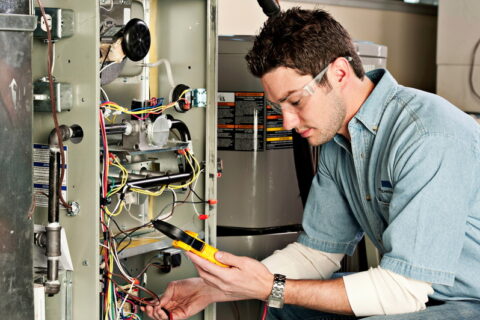
Have all fuel burning heating units serviced annually by professionals. One of our certified technicians will ensure combustion efficiency, seals, venting joints, and safety controls are checked. Swiftly change out worn gaskets and seals. Never operate portable heaters or generators indoors. Even small engines can generate lethal levels of carbon monoxide in minutes.
Some winter-specific risks include improperly used or poorly maintained fireplaces and wood stoves. Chimney caps and regular sweeping minimize backdrafts. Keep vents exposed and inspect them after storms or winds that can jostle or clog elements.
Cooking Ranges
Gas stoves and ovens should be used only as the manufacturer intended and never to heat your home. Operating a gas range to warm a room can generate carbon monoxide, leading to serious risks, including fire hazards. To minimize these dangers, know your risk sources and ventilate kitchen areas when using cooking appliances. Always operate exhaust fans that vent outdoors, or briefly open a window during heavy use.
Additionally, it’s crucial to install a CO alarm near the kitchen, but not directly above the stove. Detectors should be positioned at least 15 feet from fuel-burning appliances to reduce false alarms caused by heat and humidity. If the alarm goes off, promptly shut off cooking appliances, evacuate, and call the fire department if symptoms occur.
Vehicle Exhaust
Never operate vehicles or gas powered tools in garages, even with the door open. Carbon monoxide can build up quickly and infiltrate the house. Park vehicles outdoors prior to warming and don’t use lawn mowers, snowblowers, chainsaws, or portable generators in close proximity to windows or vents. These tools can inundate a house with carbon monoxide in minutes.
Make sure attached garages are sealed well from the home and mount CO detectors in proximity to garage entry points into the house. Carbon monoxide can waft in from adjoining properties that operate fuel-burning appliances. Installing detectors on each floor, in lower levels and finished attics as well, provides advance notice. Detectors have a lifespan of roughly 5 to 10 years, so replace them accordingly and test them monthly.
Rethink Safety Assumptions
Carbon monoxide isn’t interested in new paint, shiny appliances, or neat wiring. Don’t accept safety assumptions. Take every CO alarm as an actual prompt to get moving, not as a slight irritation. CO can emanate from fuel-burning appliances, obstructed vents, combined flues, or even next door. Never assume that a newly constructed or renovated home is safe. A faulty installation, cracked heat exchanger, or dislodged flue can cause leaks in any home, potentially leading to dangerous situations that could require a fire department response.
Don’t trust smell or sight. Carbon monoxide is colorless and odorless. Visible soot or a rotten-egg smell indicates other issues, but the lack of either doesn’t assure safety. Rethink safety assumptions. Consider digital carbon monoxide detectors that have number readouts, as these can display increasing levels prior to an alarm blasting. A numeric indicator can assist you in determining if the exposure is limited and short-term or climbing and risky.
Know alarm limits and longevity. Most CO detectors endure for 5 to 10 years, after which sensors degrade and accuracy declines. Indicate purchase dates and swap out units as your manufacturer advises. Swap batteries regularly and test alarms weekly to ensure the detector reacts. Routine testing and maintenance are straightforward measures that prevent both false alarms and missed events, helping you avoid unnecessary calls to the fire department.
Anticipate some false positives and dig into them. Humidity spikes, temperature shifts, cleaning sprays, or a sensor gone bad can all set off an alert. Cases where detectors went off ceased after a bit and moved out of people’s heads if there was an actual leak or not. Treat such events as ambiguous: ventilate the space, check fuel-burning appliances, and call a professional if any doubt remains. Neighbors or outdoor sources can generate transient CO that raises indoor levels — think nearby construction, idling vehicles, or a shared ventilation shaft.
Reimagine safety presuppositions. Others fret about flaky sensors, complaining of missed catches or constant false positives. Choose certified models from reputable manufacturers and follow installation guidance. Place alarms near sleeping areas and on each level, but not directly next to fuel appliances where harmless transient spikes might occur. If a detector provides recurrent warning signals or unusual readings, have an HVAC or gas professional come out and check flues, vents, and appliances. Record when alarms happened and note symptoms to assist experts in figuring out the cause.
Follow clear safety steps: If the alarm sounds, leave the building, call emergency services from a safe location, and get medical help if anyone feels unwell.
Prevent Future Leaks
Preventing future CO leaks demands a combination of direct action, routine inspection, and strategic placement of detectors, including a CO alarm, to ensure safety and facilitate prompt response from the fire department.
-
Once you’ve identified leaks, do a comprehensive sweep of all fuel-burning appliances and venting. * Have boilers, furnaces, water heaters, stoves, fireplaces and space heaters checked for soot, rust, loose connections or unusual smells. They can be indicative of incomplete combustion or leaks. * Make sure flues and chimneys are intact and that exhaust gases go outside. Blocked or damaged flues can push CO back into living spaces. * Verify that outdoor vents and intakes are not blocked with debris, snow or nests. Even partial blockages disrupt airflow and can cause CO buildup.
-
Install and maintain CO detectors as well. Install detectors on each floor of your home and near sleeping rooms. If you live in a multi-family building or have a basement apartment, include those levels as well. Don’t mount units directly above or beside fuel burning appliances, near windows or vents, or in bathrooms where steam can cause false alarms. Adhere to the manufacturer’s advice regarding mounting height. Some units are designed for placement on ceilings, while others should be affixed to walls. Map out detector locations and store it with your safety plan.
-
Set a regular schedule for test and replacement. Test each alarm once a month by using the built-in test button. If an alarm fails, swap the batteries and test again immediately. Maintain a record of test dates and results for each unit. Document battery changes, failures, and maintenance. Replace the whole detector at the manufacturer’s recommended service life, usually five to ten years, or earlier if there are multiple failures.
-
Keep vents and combustion air clear all year round. Clean dryer vents and range hood exhausts. Verify that outside vent caps open freely and seals are sound. In the colder months, keep an eye out for snow or ice accumulation around vent terminations. In warmer climates, clear any vegetation and debris that might accumulate around vents. For solid-fuel appliances, have ash and creosote deposits cleaned and arrange for sweeping per suggested intervals.
Annual Inspections
Have a certified technician inspect boilers, furnaces, water heaters, and other fuel-burning appliances annually to prevent potential fire hazards. Request a report that outlines discoveries, recommended repairs, and timelines for completion. If repair is advised, get it scheduled and keep receipts. Additionally, include HVAC and mechanical ventilation systems in this inspection to ensure balanced airflows and proper exhaust, helping to maintain safety in relation to your CO alarm.
Strategic Placement
For prevention of future leaks, be sure to install smoke detectors and CO alarms on each floor and outside sleeping areas, keeping them away from drafts, windows, and humid rooms. Properly mount these units per the manual, either on the ceiling or wall, as this influences when they detect. Maintain a map of locations for the fire department or service technicians to locate units rapidly.
Monthly Testing
Every month, hit the test button on each detector and record results, ensuring your fire alarms and CO alarms are functional. Change batteries when chirps start or if a unit fails testing, and contact the fire department if issues persist.
Conclusion
Carbon monoxide alarm going off? Get out immediately. Go to fresh air, at least 50 meters away or to a safe outside location. Call emergency services from outside and inform them you have a CO alarm going off. If anyone feels dizzy, ill, or has a headache, inform a doctor or poison control.
Have fuel appliances, vents, and chimney inspected by a certified gas or HVAC pro. Change old alarms every five years and test new ones on a monthly basis. Air out, keep vents clear, and use exhaust fans when you run gas stoves or heaters.
Act quickly, believe your detector, and seek professional assistance. If you want, book a safety check today.
Frequently Asked Questions
What should I do immediately when a carbon monoxide alarm goes off?
EVACUATE IMMEDIATELY. Get everyone outside to fresh air. In case of a carbon monoxide alarm, call the fire department and 911 from a safe place. Don’t return until the experts give the all-clear.
How can I tell if the alarm means real danger or a low battery?
Consult the CO alarm’s manual for tone codes. Non-stop blaring typically indicates fire peril. I remember what the intermittent chirps mean: low battery or fault. Take any alarm seriously until the fire department inspects it.
What are the main symptoms of carbon monoxide poisoning to watch for?
Headache, dizziness, nausea, confusion, and weakness can mimic flu symptoms but without fever; if you experience these, it’s crucial to alert the fire department and check your CO alarm.
Where can carbon monoxide come from in my home?
Typical culprits are gas stoves, furnaces, and boilers, which can lead to a dangerous fire if faulty. Always ensure your CO alarm is functioning to alert you to carbon monoxide leaks.
Can I stay in my home after a CO alarm if I feel fine?
No. Even if you’re showing no symptoms, you and others need to get out. Call the fire department and do not return until a professional has checked your home for fire hazards and cleared it.
How can I prevent future carbon monoxide leaks?
Have appliances serviced annually, install CO alarms on every level, and ensure your fire department is informed, keeping vents clear to reduce fire risk.
When should I replace my carbon monoxide alarm?
Swap your smoke and CO alarms every 5 to 7 years, or as recommended by the manufacturer, to ensure reliable protection from fire hazards.
Key Takeaways
Most furnaces in Colorado last about 15 to 20 years with proper care, but expect aging signs after 10 to 15 years. Consider…
Key Takeaways
This is the main drain cleanout—a capped pipe that allows direct access to the main sewer line and is crucial for clearing…