
Central Air Repair Centennial CO | HVAC Maintenance & Service
Key Takeaways
-
Routine maintenance saves expensive breakdowns and keeps your central air in tip-top shape, so book those yearly tune-ups and make sure they cover drainage, sensors, and airflow.
-
Watch for telltale signs like uneven cooling, odd sounds or odors, icing, water leaks, or high energy costs and schedule service immediately.
-
Refrigerant leaks, electrical failures and airflow obstructions need licensed technicians to diagnose and repair safely while protecting equipment and indoor air quality.
-
Adhere to your proactive care checklist of filter changes, duct inspections, thermostat calibration, and seasonal furnace checks to ensure your system’s longest life and reliability.
-
Smart upgrades like high-efficiency heat pumps, smart thermostats, and whole-house humidity controls can make your home more comfortable, cut down on your energy use, and even qualify you for rebates.
-
When selecting a pro shop, consider qualifications, estimates, warranties, and service coverage. Emphasize factory-authorized, insured technicians with straightforward communication and financing.
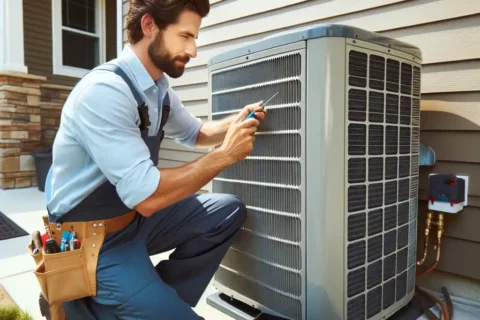
Central air repair Centennial is the service for fixing home cooling systems in Centennial, Colorado. Local techs find faults, swap parts and get the air flowing again with their usual tools and spare parts supplies.
Response times depend on the provider. Some have same-day visits and seasonal maintenance packages available for a flat rate per unit. Homeowners need straightforward quotes, warranties and thermostat tuning.
The meat details typical failures, cost ranges and advice for selecting a trusted technician.
Common Air Issues
Central air systems in Centennial frequently exhibit a known list of problems that impact comfort, efficiency, and safety. Here is a quick troubleshooting guide for common air conditioning issues, followed by detailed descriptions of the most common fault types and how to fix them.
-
Reduced cooling or inconsistent temperatures
-
Unusual noises from indoor or outdoor units
-
Increased energy bills or sudden spikes in power use
-
Water leaks or pooled water near equipment
-
Ice buildup on coils or outdoor condenser
-
Frequent system cycling or short cycling
-
Poor airflow or blocked vents and ducts
-
Faulty thermostats or sensor errors
-
Blown fuses, tripped breakers, or wiring faults
-
Refrigerant loss or obvious leaks
1. Refrigerant Leaks
Low refrigerant presents as weak cooling and longer runtimes. Frequently, you will notice frost or ice on the outdoor unit or evaporator coils indoors. On sultry days, you’ll experience less cooling, too, because the evaporator has to extract more moisture.
A leak makes that tougher and increases the indoor humidity. Operating with a low refrigerant charge causes the compressor to be overworked. On hot days, this can even trip the high-pressure limit switch, shutting down the compressor to avoid damage.
Repair leaks promptly. A qualified technician will locate and fix the leak, evacuate and recharge the system to proper levels, and then test for efficiency. Immediate repair conserves energy, reduces environmental damage from escaped refrigerant, and enhances indoor air quality.
2. Electrical Failures
Electrical faults can be as easy as blown fuses and tripped breakers or as complex as worn contactors and frayed wiring. These problems cause it to work intermittently or not at all.
Electrical work should only be carried out by licensed technicians to ensure it is done safely and in accordance with code. As part of your general maintenance, have an electrician conduct a complete electrical inspection to avoid recurring problems and identify parts that are close to failing.
Updating outdated electrical components can bring in newer, more efficient units and lessen the risk of harm when you swap out the system after multiple repairs.
3. Drainage Problems
Clogged condensate lines lead to water leaks and mold risk. Water pooling near a furnace or air handler must be addressed immediately to prevent damage to property and increased indoor humidity.
Add drainage inspections to seasonal maintenance and clear lines with safe approaches before they completely plug. If you notice water at the unit, call for service instead of allowing it to sit.
Allowing a unit to cool down for five minutes before rebooting can occasionally erase smaller errors. Stagnant water requires a specialist.
4. Sensor Malfunctions
Malfunctioning thermostats or sensors provide incorrect readings, leading the system to short cycle or overrun. Test accuracy and recalibrate or replace parts as necessary.
Smart thermostats like these can help stabilize your comfort and save you energy. Make sensor inspections a routine part of every service visit to maintain system consistency.
5. Airflow Obstructions
Dirty filters, blocked vents, and obstructed ducts choke airflow and stress the system. Switch filters monthly and check ducts annually to save energy and help your equipment last longer.
Well-maintained systems can generally last 10 to 15 years. Remove debris from registers and arrange for duct cleaning if necessary. Common air problems.
Centennial’s Climate Challenge
Centennial lies in the intersection where high plains meet foothills, with dry hot summers and cold, often snowy winters. The region experiences significant temperature fluctuations between day and night and throughout various seasons. That’s why central air repair and HVAC options have to manage quick shifts, control moisture, and circulate clean indoor air in the midst of dust and particulate-heavy outdoor air.
Centennial HVAC service for summer and winter Technicians ought to size systems for peak summer cooling and efficient winter heating. That means testing ductwork for leaks, testing insulation levels and making sure the furnace and heat pump are adjusted for low-temperature starts. Work should include seasonal system checks in spring and fall to detect worn belts, weak capacitors or failing motors before they trigger breakdowns during heatwaves or cold snaps.
Opt for equipment built for severe weather swings and high SEER. Seek out units with a high SEER for cooling and a high HSPF for heat pumps. Variable-speed compressors and multi-stage thermostats respond better to changing loads, decrease on and off cycling, and lower energy consumption. For homes that experience significant day and night variations, inverter-driven units maintain a consistent output and consume less energy than single-stage equipment.
Clean local heating and cooling system vents, it’s the best of both worlds! Swap filters monthly when it’s being used a lot, dust off coils and keep outdoor units clear of debris. In heatwaves, check refrigerant charge and fans to prevent loss of performance. Before winter, test ignition systems, heat exchanger integrity and back-up heat sources if required. Fixing refrigerant leaks or broken blower motors quickly stops big breakdowns and increases a system’s lifespan.
Think humidity with whole house humidifiers and dehumidifiers. During dry seasons, a whole-house humidifier mitigates dry skin, static, and wood shrinkage. On sticky summer days, a whole-house dehumidifier or an air conditioner with optimized moisture removal reduces mold risk and increases perceived comfort.
Maintenance habits support indoor air quality. Change filters monthly, opt for higher MERV rated where compatible, and freshen ducts once dust build-up is noticeable. A good, maintained central air system in Centennial lasts about 10 to 15 years. Lifespan varies with use, care, and local environment.
Regular maintenance, quick-fix repairs, and humidity control care keep systems dependable and indoor air clean longer.
Proactive System Care
Proactive system care maintains central air systems in good working order and reduces the risk of major breakdowns during peak use. Regular inspections catch minor issues before they become major, save you a bundle over time, and assist in maintaining manufacturer warranties. Below, you’ll find a straightforward checklist and actionable tips for planning maintenance work, setting your furnace up for fall and the winter ahead, and selecting maintenance plans that address heating, cooling, and indoor air quality.
Checklist for proactive system care and maintenance
-
Check and replace air filters every 1 to 3 months based on usage and filter variety. Write the date on the filter to monitor changes.
-
Test thermostat settings and batteries. Ensure the control cycles properly in both heating and cooling modes.
-
Clean condensate drain lines, check for any clogs. Flush with a light bleach solution if mold or algae pop up.
-
Remove leaves and plants a minimum of 1 meter away from outside units to allow air flow. Cut back plants and leaves.
-
Open your eyes and ears – Visually inspect ductwork for gaps, loose connections, or heavy dust. Seal gaps with foil-backed tape or mastic.
-
Hear any strange noises on startup and run. Record any grinding, rattling, or hissing to be checked out by a technician.
-
Measure refrigerant charge and leakage. Low refrigerant usually leads to less cooling and more energy consumption.
-
Test safety controls and airflow out of vents. Make sure there’s an even temperature across rooms with a simple room thermometer.
-
Keep track of system runtimes and any energy use spikes to share with a technician.
Schedule regular maintenance and annual AC inspections
Schedule tune-ups at least once a year for each major mode: cooling in the spring and heating in the fall. Annual AC inspections help avoid mid-season crises and keep your system at its peak. A tune-up can cost anywhere from 80 to 200 USD, depending on the system’s age, type, and location. Save service records and receipts, as quite a few manufacturers require proof of annual professional tune-ups to maintain warranties.
Furnace checklist before cooler seasons
Test the furnace fan, ignition system, and flame sensor. Replace worn belts and clean burners. Change filters and check thermostat calibration. Check your venting and carbon monoxide detectors for safety. Have your furnace run through a full cycle before cold weather sets in to ensure dependable ignition and consistent heat delivery. Don’t wait to deal with strange smells or soot accumulation.
Invest in comprehensive maintenance plans
Opt for coverage plans that include diagnostics, labor, seasonal tune-ups and priority service. Add indoor air quality options such as UV lights or enhanced filters if allergies or pollutants are a consideration. A clean and cared for system typically lasts a few years longer and is more efficient, using less energy and saving on both bills and environmental impact.
If you’re a homeowner who tests and replaces filters, schedules annual tune-ups and follows this checklist, you’ll limit downtime and surprise repairs.
The Repair Process
The repair process begins with a brief overview of what a homeowner can expect: scheduling, on-site diagnosis, clear estimates, repair or replacement options, and follow-up care.
Here’s a numbered step-by-step breakdown that illustrates the flow and details technicians use when doing central air repair in Centennial and other cities.
-
Schedule and arrival: Book a same-day or scheduled appointment. Technicians confirm a time window and show up with common and complex parts. The vast majority of calls can be taken care of the same day for emergency situations.
-
Initial inspection: The tech checks outdoor and indoor units, notes visible damage, checks filters, coils, and duct access points, and tests the thermostat. Repair process Technicians usually get this done in a single visit with premium components.
-
Advanced diagnosis: Use of gauges, multimeters, refrigerant leak detectors, and airflow meters to pinpoint problems such as low refrigerant, frozen evaporator coils, or electrical control failures.
Here’s what our technicians check on every call: refrigerant levels, electrical connections, and airflow.
-
Report and estimate: Findings are written up and shared with the customer. The report catalogs current damage, safety concerns, and suggested repairs.
We give you a transparent quote before we get to work, and our general price range is between 150 and 500 CHF.
-
Repair or replacement: Targeted repairs are made when cost-effective. If it’s less than 10 years old and hasn’t given you trouble a lot, fix it, not replace it.
Parts used are quality OEM or approved equivalents.
-
Testing and calibration: After work, systems are tested for proper refrigerant charge, electrical stability, and thermostat calibration.
Technicians verify that airflow and temperature split are within anticipated values.
-
Final walkthrough and advice: Customers receive documentation of work done, recommended future tasks, and options for maintenance plans to extend system life.
Financing is displayed for larger repairs or new installs.
-
Follow-up and warranty: Technicians explain warranties on parts and labor and schedule follow-up if needed.
Diagnosis
Using advanced diagnostic equipment, technicians locate errors in air conditioners, furnaces, or heat pumps. They verify refrigerant pressure, measure electrical current, and test airflow through vents.
Discoveries are recorded in a system health report that outlines potential risks such as frayed wiring or inadequate drainage. Finding frozen coils or a failing capacitor early can prevent larger failures down the road.
Solutions
-
Refrigerant leak repair and recharge
-
Replace clogged filters and clean coils
-
Replace capacitors, contactors, or blower motors
-
Thermostat recalibration or smart thermostat upgrade
-
Complete system replacement if repairs cost more than it is worth.
Repair technicians provide efficiency upgrades and demonstrate financing plans for significant work. Suggestions track with energy savings and long-term reliability.
Technology
They then have technicians install new AC units, heat pumps, and smart thermostats designed to increase air quality and comfort.
There are advanced heat pump and geothermal options for long-term energy savings. As a factory-authorized dealer, we have access to many premium models and parts not available through others.
Continued factory training keeps our technicians up to date on leading AC brands and industry best practices.
Choosing A Professional
How do you choose the right central air repair technician in Centennial? Below is a quick context: evaluate qualifications, estimate transparency, warranty terms, service area coverage, and whether the company offers full-home services such as plumbing, electrical, and heating. Use these factors in combination when evaluating providers.
Qualifications
|
Feature |
Why it matters |
What to ask or check |
|---|---|---|
|
Refrigeration license & factory authorization |
Legal compliance and brand-level training |
Ask for license numbers and dealer paperwork |
|
Years of experience & product knowledge |
Faster diagnosis, fewer repeat calls |
Request years in business and example projects |
|
Ongoing training & certifications |
Ability to work on new, complex systems |
Look for manufacturer or trade school certificates |
|
Proof of insurance & safety adherence |
Protects you from liability and damages |
Verify insurer and policy limits |
Check licensing and insurance before you schedule work. Experience eliminates a lot of the guesswork. An experienced pro can flag potential future problems such as duct leaks or undercharged refrigerant.

Just check out online reviews and testimonials to see actual work results and turnaround times. Certificates from reputable organizations indicate a commitment to continued education and security consciousness.
Go for companies that do plumbing, electrical, and heating so you can bundle work and avoid multiple trades in one visit.
Estimates
|
Contractor |
Flat fee (visit) |
Diagnostics included |
Typical repair range (EUR) |
Financing options |
|---|---|---|---|---|
|
A |
60 |
Yes |
200–900 |
Yes, 6–24 months |
|
B |
75 |
No |
150–1,200 |
No |
|
C |
50 |
Yes |
250–1,000 |
Yes, subject to credit |
Step 2: Choose A Professional Get written estimates from more than one contractor to compare scope, parts brands, labor hours and exclusions. An honest quote clarifies what’s routine maintenance, such as filter change and capacitor swap, as opposed to high-end or urgent work like compressor replacement and after hours labor.
You should ask how long the quote is good for and if taxes or disposal fees are added. For big jobs, inquire about payment plans and credit approval to extend cost over time.
Warranties
Look at both repairs and new equipment warranty information. Make sure it covers labor and key parts such as compressors and heat exchangers and not just parts. Skim terms that link warranty coverage to maintenance.
Most makers mandate yearly tuneups. Opt for companies with longer warranty or service plans. They typically come with priority scheduling and discounted service rates.
Warranty claim communication should be transparent and timely, and a reputable office will walk you through the paperwork and timelines. Trust your judgment. If something feels vague, ask for written clarification before work begins.
Smart Upgrades
Smart upgrades provide better control, reduced operating costs, and enhanced indoor air quality for central air systems in Centennial homes. Begin by addressing the key equipment, then top it off with controls and whole-house air treatments that fit your comfort objectives and budget.
Purchase high efficiency furnaces, stylish new air conditioners or advanced heat pumps for smarter energy efficiency. Modern high-efficiency furnaces and air conditioners use variable-speed motors and higher seasonal energy efficiency ratios, which slash fuel and power consumption. Heat pumps, particularly cold-climate varieties, can heat and cool using less energy than dedicated systems.
For instance, upgrading an aging air conditioner with a higher SEER-rated unit can reduce summer cooling bills significantly. Select equipment that is right-sized for your home. Oversizing causes short cycling and inadequate humidity control, while undersizing stresses parts and reduces life.
Request manual J and S calculations from a certified technician and explore variable-capacity units if you desire finer temperature control and quieter operation.
Upgrade to smart thermostats and zone control for personalized comfort and reduced energy costs. Smart thermostats replace analog dials and allow you to schedule, see energy reports, and adjust settings via your phone. They can cut heating and cooling costs by as much as 8% on average.
Most learn your routines and utilize geofencing, so they follow your daily life. Zone control adds dampers and multiple thermostats to heat or cool different areas independently, eliminating the need to treat the whole house the same.
In practice, combining a smart thermostat with zone control allows you to reduce setpoints in unoccupied rooms and maintain comfort in living spaces, reducing energy waste and equipment wear.
Think whole house humidifier or dehumidifier systems! Humidity really impacts the feeling of warmth or coolness, so whole-home humidifiers during dry seasons and dehumidifiers in muggy climates minimize comfort-related complaints and preserve woodwork.
These systems install onto the HVAC ductwork and operate on demand instead of tiny portable units. Adequately controlling humidity helps HVAC systems run more efficiently and can even take some load off heating and cooling during shoulder seasons.
Smart Upgrades: Rebates, incentives and financing options for energy-saving upgrades in your Centennial home. Lots of utilities and governments give rebates for high-efficiency furnaces, heat pumps, and smart thermostats.
Manufacturers and contractors frequently offer financing that amortizes costs over months or years. Tap into local programs, calculate payback times, and factor in rebates when you’re weighing options to see a crystal-clear snapshot of net cost and long-term savings.
Conclusion
Central air repair centennial homes. Routine inspections reduce failures and save money. Identify worn belts, dirty filters, low refrigerant, and faulty thermostats in advance. Local techs know the climate and call out typical weak points quickly. Easy upgrades such as a smart thermostat, a new filter, or a sealed duct run can enhance comfort and conserve energy. Select a licensed pro with transparent pricing, stellar reviews, and rapid response times. Request a written estimate and a parts warranty. For emergencies, seek out same-day service and technicians who demonstrate and test repairs. What are you waiting for? Get a local system check and compare two quotes this week.
Frequently Asked Questions
What are the most common central air problems in Centennial?
Typical problems are feeble airflow, unequal cooling, weird noises, refrigerant leaks, and short cycling. These can be caused by dirty filters, blocked ducts, or dying parts.
How does Centennial’s climate affect central air systems?
Hot, dry summers add to run time and wear. Temperature swings can stress components. Periodic tune-ups keep systems humming and prevent heat induced breakdowns.
How often should I schedule maintenance for my central air?
Schedule a professional inspection twice a year: before summer and before winter. Routine inspections reduce breakdowns and increase efficiency.
What should I expect during a professional central air repair?
Repair technicians diagnose, check refrigerant levels, inspect electrical components, and clean and replace parts. They will discuss results and give an estimate before any major work.
How do I choose a qualified HVAC professional in Centennial?
Seek out licensed techs, local reviews, transparent estimates, warranties, and central system experience. Inquire about certifications and insurance for confidence.
Are smart upgrades worth it for central air systems?
Yes. Smart thermostats and zoning controls save energy, increase comfort, and provide remote control. They pay back in lower energy bills and smarter system management.
Can I temporarily fix a central air issue myself?
You can try basic steps: change filters, clear outdoor unit debris, and reset the breaker. For refrigerant, electrical, or compressor problems, call a certified technician to prevent harm or injury.
Key Takeaways
Pinpoint typical emergency AC culprits such as refrigerant leaks, filters, thermostats, electrical faults and frozen coils to…

Key Takeaways
Ductless mini splits deliver efficient, zoned cooling with no ductwork, reducing energy loss and allowing for customized…