Understanding Colorado Plumbing Codes: A Homeowner’s Guide
Key Takeaways
-
Colorado plumbing codes help protect the safety and health of your home. By staying compliant with these codes, you can prevent damage, expensive repairs, and potential health risks.
-
The state adopts its rules from the International Plumbing Code (IPC). It further supplements with local amendments, so it’s crucial to review both state and local requirements before beginning any project.
-
Permits & Inspections Homeowners should always obtain a permit and inspection for any work except the most minor plumbing repairs, which should be done without official approval.
-
Proper installation and maintenance of plumbing systems—including traps, pipe supports, water heaters, and backflow devices—are vital for safety and efficiency in Colorado’s unique climate.
-
Hiring experienced, licensed, and insured plumbers who are well-versed in Colorado’s plumbing codes will prevent unnecessary legal trouble, lost capital, and unsafe plumbing practices.
-
Being aware of code changes and regularly communicating with your local building department will help you remain in compliance and protect your new investment.
Colorado plumbing codes set the standards for how pipes, fixtures, and plumbing systems are installed and maintained in homes across Colorado. They help keep standard practices at the forefront to protect life and property.
Here’s what Colorado homeowners need to know about plumbing codes. Armed with this information, they can successfully navigate inspections, prevent leaks, and keep their homes safe and compliant with local codes.
These codes adhere to state and city regulations, which usually coincide with the International Plumbing Code. Denver, Boulder, and other municipalities might have their own amendments or additional regulations.
Always consult with your local building office before beginning your project to avoid any surprises! Understanding these plumbing code fundamentals will help you avoid thousands of dollars in expenses and headaches in the future.
The following sections explain some important issues in detail and respond to frequently asked questions Colorado homeowners have.
What Are CO Plumbing Codes?
Colorado plumbing codes dictate the minimum standards for the safest and most efficient plumbing practices in residential homes. These rules protect the quality of our waters, prevent pollution due to leaks, and ensure a well-functioning system overall.
By adhering to these codes, homeowners not only reduce the chances of costly repairs but help maintain consistent water bills. Plumbing codes dictate which materials can be used.
For these supply lines, you can choose copper, PEX, or CPVC. For drain pipes, choose PVC or cast iron. They lay out the proper diameter piping and drainage slope.
For optimal flow, horizontal pipes less than or equal to three inches in diameter should have a minimum slope of ¼ inch per foot. This helps to provide superior drainage performance!
Why Codes Protect Your Home
Plumbing codes have your home’s best interest in mind. When piping isn’t installed correctly or with improper materials, leaks and mold can appear in no time at all.
That can mean unsafe air or water. Staying up to date with the codes ensures that a home’s value remains high. Potential buyers and home inspectors alike turn a discerning eye toward code-compliant work.
Ignoring the codes puts your family at risk! You might find yourself dealing with problems such as bacteria due to backflow or increased maintenance costs in the future.
Colorado Follows the IPC
As it stands, Colorado’s plumbing laws begin with the IPC. The state then supplements the national model with its own amendments to address local priorities.
For example, PEX tubing can’t be installed within three feet of a water heater. The IPC delineates requirements for signage, standpipe venting, and procedures for testing pipes for leaks.
Familiarity with the IPC and Colorado’s amendments is essential for success on any project.
Local Rules: City & County
Localities are able to adopt more stringent rules. In the case of Colorado Springs, you could find more stringent regulations, such as additional steps that require more inspections.
Other codes prohibit the installation of drinking fountains in bathrooms. Pro Tip: Always consult your city or county’s requirements before any work starts to avoid falling behind.
Key Codes: Homeowner Essentials
Colorado adoption of local rules that are IPC and UPC based. These codes are the basis for safe and effective plumbing in homes. What homeowners need to know, plain and simple. This means understanding when you need a permit, how inspections work, and the key components such as traps and backflow preventers should function.
Understanding these homeowner essentials not only protects public safety but ensures that taxpayers don’t invest in misguided or wasteful projects.
1. Permits: When to Get One
In Colorado, permits are required even for relatively modest projects—installing a water heater, replacing a sewer line, or re-piping an entire house. Repair jobs, such as fixing a leaky faucet or changing out a showerhead, typically don’t require a permit.
It’s important to consult with your city or county before getting underway. By applying for a permit, you are ensuring that the work done is inspected for safety and code compliance.
2. Inspections: A Must-Do Step
Inspections are a must-do step, especially for any projects that will require permits. Inspectors check to make sure pipes are the right size, made of the proper materials, and installed safely.
This step helps to make sure everything’s compliant with local regulations. Inspections usually take place at major milestones, such as rough-in and final. They provide much needed peace of mind, as the inspections ensure the work performed is safe.
3. Traps: Block Sewer Gases
Traps are U-shaped pipes beneath sinks or tubs. They prevent sewer gases from seeping into your house. Proper installation and regular maintenance can ensure that you’re keeping your indoor air healthy.
Whatever the case, when a trap dries out or breaks it becomes an avenue for undesirable odors or sewer gases.
4. Pipe Support: No Sagging!
Proper pipe support is key to avoiding sagging pipes and pipe leaks. Codes provide measurable, enforceable guidelines for the spacing between supports, which vary according to the type and size of the pipe.
If pipes are loose or sagging, they may eventually break or cause water damage. Inspect pipe supports frequently, particularly if you have exposed pipes in a basement or crawl space.
5. Water Heaters: Safety Rules
Water heaters have rigorous safety codes—such as venting, pressure relief valves, and clearances. Tankless models have unique requirements, such as direct vents and gas line size.
Adhering to these rules can protect you from fires, leaking tanks, or carbon monoxide poisoning.
6. Backflow: Keep Water Clean
Backflow prevention devices prevent this dirty water from backflowing into our clean supply. These are essential for irrigation, boilers, and often swimming pools.
Next, codes are only effective if they are tested and maintained. Ensuring these devices are functioning protects your home as well as the public water supply.
Colorado’s Unique Plumbing Needs
Colorado’s unique topography and geology present a double-edged sword of challenges for homeowners and their plumbing. Colorado’s intense summers and harsh winters lead to extreme temperature fluctuations on plumbing fixtures. Residences located in the high country or isolated areas require a more robust configuration than the typical installation.
Her dry climate contributes a unique challenge. Coupled with demanding water regulations, it makes for a unique plumbing landscape that only local expertise can navigate. Whether they’re new builds or century-old homes, every plumbing installation needs to meet state and local codes. These codes can vary tremendously from one county to the other!
Colorado has been an IPC state since 2003. Some cities take it a step further by introducing additional regulations, such as increasing requirements for pipe supports or venting standards.
Mountain Homes: Freeze Proofing
Mountain homes: At higher altitudes, the frequent freeze-thaw cycle can crack or burst pipes—an expensive problem to fix. To keep the headaches at bay, homeowners can install easy-to-find pipe insulation in crawl spaces and exterior walls. Heat tape or cable is another option to prevent water lines from freezing.
Ideally, you want to run pipes on interior walls whenever you can and avoid placing them in areas that won’t be heated. Routine inspections during the fall and winter season can identify leaks or insufficient insulation before the arrival of heavy snow. Most people will drain the outdoor spigots and install frost-proof hose bibs for good measure.
Water Wise: CO’s Focus
Colorado’s arid climate and recurrent droughts encourage water conservation as a way of life. The law requires the installation of water-efficient fixtures—namely low-flow toilets, EPA WaterSense showerheads, and efficient dishwashers.
These upgrades reduce the burden of high water bills, lessen the stress on local water supply, and have a positive impact on the environment. The state strongly encourages systems that reuse water or harvest rainwater, particularly in new residential construction.
Old Homes: Code Realities
Older homes, such as those found in Denver’s historic districts, can have old galvanized or lead service lines. With older homes, sometimes the upgrades are simply a matter of needing to meet code for pipe size, venting, and drainage.
During inspections, experienced plumbers can identify problems such as rust, leaks, or improper pipe support every three feet as called for in code. Retrofitting to both new and updated code realities not only restores the home to code, but increases the safety and reliability of the plumbing systems.
Avoid Common CO Code Mistakes
Code blunders are a common pitfall for plumbing projects in Colorado. These errors lead to a huge waste of time and money, in addition to putting safety at risk in the future. Colorado’s plumbing codes are already a high bar, and when combined with additional requirements from local cities, it creates a nearly impossible challenge.
Doing the due diligence to understand requirements before work begins reduces risks, minimizes legal complications, and protects your investment.
DIY Dangers: Know Limits
It’s true that many homeowners prefer to DIY the easy repairs. Without a thorough understanding of Colorado’s codes, mistakes can happen in the blink of an eye. For example, you are prohibited from using PEX tubing within three feet of a water heater. Many DIYers tend to miss this crucial piece.
Using a larger than necessary pipe or hanger rod may seem harmless, but it can lead to serious and costly damage. Not bracing pipes every three feet—hello future leaks and beyond! For when a project seems too intimidating, such as installing new water lines, it’s always best to consult a licensed plumber.
This is particularly true when working with anything close to open flame! These pros are experts not only in state codes, but local amendments to those codes, which tend to vary and change frequently.
Unlicensed Work: Costly Errors
Not hiring licensed plumbers to save a few bucks can be a costly mistake. It’s more than just the danger of poor craftsmanship. Homeowners can be slapped with fines and forced to redo work if an inspector finds code violations.
Unlicensed work often avoids critical code inspections. This includes keeping safe distance from electrical arcs and employing flawless components as described in Table 1401.4. So, always verify licensing before hiring.
Ignoring Small Plumbing Issues
Ignoring minor leaks or drips is one of the worst plumbing code mistakes. The little things, like a loose fitting or some minor corrosion, can become costly catastrophes. Being proactive with small repairs can prevent them from snowballing into larger, more expensive issues down the road.
Hire Smart: CO Plumbers
Hiring the best plumber in Colorado takes just a little bit more than hiring the guy with all the tools and the plumber’s van. Getting the right pro on your team is critical! Find a plumber who’s well-versed in local codes, understands the state’s climate conditions, and even the city’s particularities.
Keeping it Colorado, plumbing codes can be pretty tough, too. That’s particularly true in cities like Colorado Springs, where frequent cold snaps and drought conditions dictate what’s permissible. Homeowners save time and money by choosing plumbers that are already trained on the process.
Check Licenses & Insurance
Always check a plumber’s license through Colorado Department of Regulatory Agencies before hiring them. This is one way to ensure they have fulfilled state requirements and passed all relevant exams. Insurance is important as well. An insured plumber shields you from future financial surprises.
That way, in the event that something does go wrong on your property, you don’t get left holding the bag. You can further search for previous complaints or problems on local government sites. This simple added step goes a long way in filtering out those who may be more likely to take shortcuts or disregard regulations.
Ask About Code Smarts
Ask CO plumbers how they plan to address Colorado codes. The best ones can run you through their last five projects. They have installed and/or serviced water-efficient fixtures and have installed graywater systems that require custom signage.
Plumbers working in Colorado Springs, just to take an example, should be aware of the need for frost-proof materials or special pipe insulation. The best pro should be familiar with these ASTM standards and be able to demonstrate how their work meets or exceeds these requirements.
They need to be code smart and know the International Plumbing Code, or IPC. Moreover, they must be able to clearly lay out how your project will get through inspection.
Always Get Written Quotes
Work with any contractor to obtain a detailed, written quote before work begins. A written quote outlines the work, the cost, and the time frame. This prevents misunderstandings down the line and provides you with a point of reference to judge against if you inquire with multiple plumbers.
It’s a small precautionary measure that prevents loads of anxiety.
Stay Informed: CO Code Updates
Colorado’s plumbing codes are in a constant state of flux. Real change starts with informed homeowners like you, so keep reading to learn about what’s changing. Amendments to the code may have an impact on plumbing work you intend to perform, or the work already in progress.
Even if you’re not undertaking a major renovation, knowing these regulations can help equip you to identify issues before they become critical. This information will protect you from costly citations and keep your neighborhood safe! When you stay informed, you avoid surprise plumbing expenses and ensure that your configuration is in line with state requirements.
State Plumbing Board News
The State Plumbing Board, under the Division of Professions and Occupations, helps to establish and revise Colorado’s plumbing codes. The best place to get up-to-date info, and info about new proposed rules, is their website right here. Tuning in periodically will ensure you stay on top of changes that could affect your residential plumbing projects.
The board members not only draft the rules, but preside over the public hearings. These are great sessions for homeowners to come and ask questions or raise concerns that they might have. For example, if you’re planning a new bathroom or kitchen, you might learn about new rules for pipe materials or venting.
Locally, staying involved is the best way to know what’s going on and what’s required, and to have your voice heard in the process.
Your Local Building Department
Keep in mind that each city or county will likely have their own local amendments to the statewide code. Your local building department should be a great source for these specifics. Their resources include permit forms, inspection checklists, and guides for developing local plumbing rules.
Frequent communication with your local implementation staff can help address any misunderstandings and keep you from making costly errors. If you don’t understand a particular rule or permit, they want to help you get it right.
Conclusion
These regulations don’t just ensure pipes stay in line. They help to protect our families, save the freshwater we have left, and make every repair a less stressful experience. Given how quickly the weather can change in the Rockies, it is worth it to abide by local regulations. People who understand the fundamentals avoid frustration and expense—no uncertainty, no scramble at the end. Whether it’s a drip from a faucet or a slow drain, these can sometimes be signs of larger problems, so acting fast is key. Licensed plumbers in Colorado understand the ins and outs and ensure everything is running smoothly and safely. These rules are dynamic, so be sure to follow local offices to get the most up to date information. For those restoring or simply maintaining, good decisions today prevent costly disasters tomorrow. Have more questions or want to trade advice? Leave a comment below or contact your local building department.
Frequently Asked Questions
What plumbing code does Colorado follow?
Colorado’s statewide plumbing code is based on the 2018 International Plumbing Code (IPC), with state-specific amendments. Local cities and counties can have additional requirements so be sure to check with your local building department.
Do I need a permit for plumbing work in Colorado?
Yes. Generally, any significant plumbing work in Colorado, whether a repair or a remodel, will need a permit. This guarantees the work is done to code, and will protect your home and its inhabitants in the long run.
Can I do my own plumbing in Colorado?
Homeowners can perform their own plumbing work on single-family homes they live in themselves. You’ll still require permits and inspections in order to stay in line with Colorado plumbing codes.
What are common Colorado plumbing code violations?
Common Colorado plumbing code violations Typical violations involve improper venting, missing backflow prevention, and use of incorrect pipe materials. Not pulling permits and inspections is another common problem.
Why are plumbing codes stricter in Colorado?
With long, freezing winters that could otherwise lead to pipe bursts, water damage and unsafe drinking water, Colorado’s unique climate calls for stricter codes.
How do I find a licensed plumber in Colorado?
Consult the Colorado Department of Regulatory Agencies (DORA) website to confirm that your plumber’s licenses are valid. To ensure the work is code-compliant, always hire plumbers who have valid Colorado credentials.
How often do Colorado plumbing codes change?
How often do Colorado plumbing codes change? To ensure you have the most current requirements, stay connected with your local building department, or visit the Colorado State Plumbing Board for the most up-to-date information.
Key Takeaways
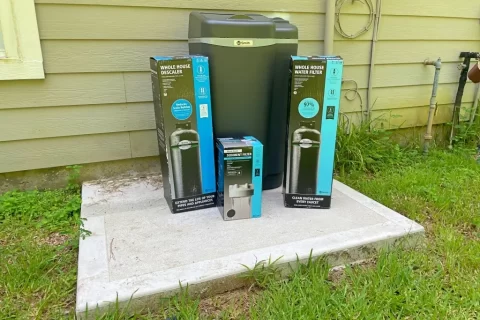
Water softener vs water filter They both rely on different mechanisms to solve different water problems. Softeners remove hard…
Key Takeaways
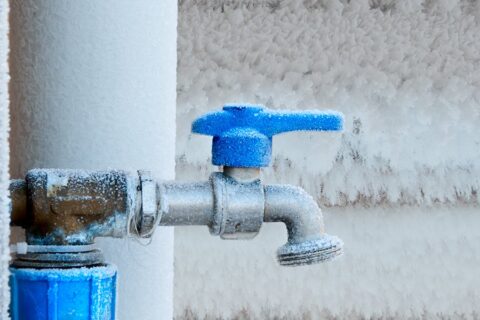
Pipes often freeze because they are exposed to cold air or because there are drafts around the pipe causing it to be…