
Creating a Healthier Indoor Environment for Asthma Management
Key Takeaways
-
Regularly clean and maintain your AC system to mitigate risks. This will ensure you avoid the accumulation of dust, mold and pet dander — all of which can lead to increased asthma symptoms.
-
Installing high-efficiency air filters and changing them regularly, per manufacturer guidelines, can help trap common indoor allergens.
-
Maintain indoor humidity between 30% and 50% to inhibit mold and dust mite proliferation. Rely on dehumidifiers, like this one, when appropriate—particularly during muggy Los Angeles summers!
-
Install smart air quality sensors and air purifiers to continuously track and improve indoor air. These devices will contribute to healthier air by helping keep allergens and pollutants below harmful levels.
-
Select low-VOC paints, flooring and furnishings to reduce chemical irritants that can trigger asthma. Never buy a product for your home without looking for asthma-friendly certifications first!
-
Plan your AC use and cleaning routine each season! Replace filters more frequently during spring pollen peaks, and avoid dry air in winter to improve indoor comfort and air quality year-round.
Asthma & AC: creating a healthier indoor environment means making changes to how air conditioning works in homes or offices to help people who have asthma breathe easier. As we know in the United States, air conditioning is ubiquitous.
Allergens like dust, mold and pet dander can accumulate in vents and filters. All of these things tend to exacerbate asthma. Consistent cleaning, using effective air filters, and maintaining proper humidity levels can reduce many of these triggers.
For many people in smoggy cities such as Los Angeles who suffer from seasonal pollen, maintaining good indoor air quality is incredibly important. Choosing an appropriate AC unit and performing routine maintenance can go a long way in bringing relief to those suffering from asthma.
The second section outlines simple actions and resources to achieve safer, cleaner indoor air.
Asthma’s Invisible Indoor Triggers
In fact, asthma frequently worsens indoors, where multiple triggers float invisibly. The air outdoors may feel more dangerous. In reality, in cities like Los Angeles, the air inside homes can be more polluted than the most congested streets. After all, the average person spends more than 90% of their time indoors.
So, what’s in the air at home is really important for anyone with asthma.
Common Culprits Lurking Inside
Unfortunately, residences are filled with other hidden indoor asthma triggers. Dust mites, pet dander, and mold spores trap in bedding, couches, and carpets. These cushy carpets, curtains, and couches quickly become magnets for allergens, nearly impossible to fully remove with your quick clean up.
Old couches, heavy carpets, and even cuddly stuffed animals can harbor these specks for months. Humidity exacerbates the issue. When the air is humid, mold and dust mites reproduce more quickly.
Controlling indoor humidity to keep levels below 50% can reduce their growth. Make sure to run exhaust fans in kitchens and bathrooms! Keeping doors open aids in moving air and reducing moisture.
Simple practices such as regularly vacuuming with a vacuum equipped with HEPA filters and washing sheets in hot water can reduce the presence of these triggers.
How Triggers Worsen Asthma
For someone with asthma, when they breathe in these indoor allergens their airways can become inflamed and constricted. Nitrogen dioxide and fine particulate matter are two common pollutants that have been shown to exacerbate asthma.
This can lead to increased attacks or increased visits to the doctor. In the long run, unhealthy indoor air leads to increased wheezing, coughing, and missed school or work days.
Long-term, chronic exposure can even increase the severity of asthma.
Why Indoor Air Now Matters Most
Although these changes improved energy efficiency, they led to homes that trapped indoor air pollutants. With people spending more time indoors than ever, it’s clear—every breath counts.
Improving air flow, such as by opening windows, using fans, or changing car vents, is another simple way to blow away harmful air. Improving awareness about indoor air is important for people with asthma.
As the pandemic has demonstrated, it’s no longer a luxury, but a public health need.
Your AC: Asthma Ally or Agitator?
Will air conditioning be an ally or an aggravator of asthma? In the majority of Los Angeles homes and offices, AC often plays a pivotal role, helping to survive hot long summers. Your air conditioner will do more than just cool the air.
In addition to providing cool air, AC lowers humidity levels, slows mold growth, and filters out dust mites and pollen, keeping asthma triggers at bay. If it’s not properly cleaned, it can actually worsen the situation by spreading mold and mildew, which irritate asthma even further.
AC’s Double-Edged Sword for Lungs
An impeccably maintained AC essentially becomes a pocket-sized vacuum that collects the pollen, smoke, and pet dander. This reduces asthma-causing irritants lingering in the air. A clogged filter or vent creates an environment where dust and humidity can thrive.
This stagnant air can cause the growth of bacteria and mold, both powerful asthma triggers. Nothing beats the feeling of cold air blowing directly on you on a hot day. However, it can dry out airways and increase breathing difficulties. The key to using AC well is finding a balance between cooling and air cleaning.
Humidity Control: A Critical Balance
The optimal indoor humidity level for minimizing asthma symptoms is generally considered to be 30–50%. While high humidity levels allow for the growth of mold and dust mites, which can trigger asthma, air that’s overly dry can irritate lungs as well.
AC paired with a dehumidifier will ensure humidity stays at a healthy level. In my hometown of Los Angeles, we would sometimes be greeted by coastal fog. Monitoring indoor humidity helps stop the growth of harmful mold.
Airflow Settings: Gentle Breeze, Not Blast
A quick blast from the AC can kick up previously settled dust. Smoother, steadier airflow and lower fan speeds are more effective against asthma. This moves air around without stirring up dust and pollen.
Temperature Myths vs. Asthma Facts
Many believe that the cooler the air, the better it will be for asthma; however, excessively cold rooms can bring on symptoms. A consistent, comfortable temperature—not cooler than 68-72°F—is ideal. Each individual’s comfort is what’s most important.
Tune Your AC for Clearer Breathing
Combating asthma in Los Angeles, or any city, should begin where the air quality is usually best—inside your home—and it all begins with the air conditioning. These small, energy-efficient units not only bring down the temperature but improve indoor air quality.
When tuned correctly, they too filter out dust, pollen, and pet dander, all known asthma triggers. Maintaining humidity levels between 30-50% is important, and if it goes too high, a dehumidifier can be very effective.
Removing old dust from air ducts and sealing holes and cracks prevents irritants from slipping back into your home. With a little know-how, a good AC checklist, and some key system improvements, you can make the indoor air a safer, calmer place to breathe.
1. Pick High-Performance Air Filters
Search for filters labeled with a “CERTIFIED asthma & allergy friendly®” seal. These catch up to 99% of allergens, compared to regular filters.
HEPA filters and electrostatic models excel at trapping small particles including pollen and dust mites. Replace filters regularly—every month to every three months is typical, but replace them more frequently if you have pets or allergies.
This prevents the airflow from becoming constrained and prevents irritants from accumulating.
2. Master AC Filter Maintenance
Good filter maintenance starts with inspecting them regularly—every month is a good baseline. Save the date or remind yourself on your phone!
Changing filters is crucial. Skipping filter changes is a frequent mistake that can negatively impact indoor air quality. Be sure to get everyone in the house on board with how critical this task is.
3. Explore HVAC System Upgrades
Upgrading to energy-smart units, or incorporating whole-house filtration as part of the heating and cooling system, helps trap even more allergens.
Smart HVAC technology can monitor air quality and alert you when filters need to be changed or other maintenance is required. These upgrades not only improve physical comfort, but mental health benefits.
4. Ensure Proper Unit Sizing & Sealing
Whether it’s too big or too small, an improperly sized unit won’t do its job efficiently. In addition, leaky ducts allow outdoor air and pollutants to enter your home’s air supply.
Have a pro size and seal your system to help it run smooth and keep irritants out.
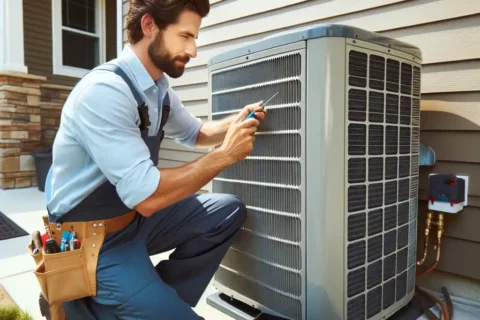
5. Schedule Regular Pro Tune-Ups
Regular professional tune-ups can help identify problems with your AC that may have gone unnoticed. During these tune-ups, techs clean coils, check refrigerant levels, and ensure that airflow and insulation are dialed in properly.
This will help ensure the system continues running at peak performance and the air remains clean year-round.
Boost Home Air Quality Beyond AC
With the average person spending more than 90% of their time indoors, boosting home air quality goes beyond having a great AC! In fact, indoor air is often two to five times more polluted than outdoor air. Common sources are fuel burning.
Like VOCs, NO2 and particulates, all released as byproducts of this process, are associated with the development of asthma and other serious health impacts. Meeting these challenges requires a multifaceted strategy.
Supplementing with air purifiers, particularly those with HEPA filters, reduces airborne allergens and fine particulate matter. For instance, housing equipped with HEPA filtration experienced an average 50% reduction in PM2.5 concentrations.
Smart purifiers can monitor and adjust to ambient air quality, ensuring a consistent level of protection, which is crucial for families learning to manage asthma. Real-time air quality sensors, notification when the filter needs changing, and app controls to run them all contribute to making these devices intuitive to use.
Though prices can vary quite a bit—models start under $100—users report a decrease in asthma attacks and dust with proven models.
Plants like the spider plant, snake plant, and peace lily are known to filter many indoor toxins. They’re a great, natural way to purify the air in your home!
Combining plants with regular cleaning—dusting, vacuuming (preferably with HEPA vacuums), and reducing clutter—further prevents allergen buildup. Research indicates that educational interventions focused on integrated pest management and household cleaning are extremely cost-effective.
It’s the only way to reduce the indoor allergen mouse antigen by 65%!
Keeping ventilation when we do have it is important. Keeping windows open during low-pollen hours or using exhaust fans in kitchens and bathrooms prevents the accumulation of indoor pollutants.
Smart monitors monitor indoor air quality in real-time. They help inform your decisions about when to ventilate or use air cleaners.
Seasonal AC Strategies for Asthma
Seasonal transitions in Los Angeles pose changing asthma triggers and air quality changes. Taking a seasonal approach to using your AC will allow you greater control over the air in your home. Each season comes with its own issues. Our seasonal asthma checklist will guide you through asthma triggers related to pollen, humidity, mold, and dry air!
Spring Pollen & Your AC Plan
Spring in LA brings a dramatic increase in outdoor pollen. Using AC can prevent pollen from coming inside by operating central or window AC with the windows shut. This of course helps to improve indoor air quality, which is even more important on days with elevated pollen counts.
High-efficiency air filters in the AC system trap the pollen, which is why changing the AC filter every month from spring through fall is extremely important. Individuals with asthma will experience an improvement in their symptoms if the filters are clean and the outdoor air is kept outdoors.
Summer Humidity & AC Tactics
This influx of humidity makes the hot LA summers even worse. Once humidity rises above 50%, dust mites and mold increases—both are asthma triggers. Running AC prevents humidity from reaching this level and significantly reduces asthma symptoms.
For homes that are still muggy despite AC running, consider installing a dehumidifier. Monitor your indoor humidity levels with a hygrometer and try to keep them between 30% and 50%. This maintains comfortable indoor air, prevents mold, and allows individuals with asthma to breathe better.
Fall Mold & Air Circulation
Autumn weather can produce wet, rotting leaves and regular rain creating the perfect environment for mold as well. Circulating air with your AC’s fan will assist in drying moist areas.
It’s prudent to inspect for mold especially in areas like bathrooms and basements. Regularly cleaning gutters and downspouts prevents water from pooling near your home, reducing the chance of mold growth.
Winter Dryness & HVAC Solutions
Winter dryness & HVAC solutions Cold LA nights create very dry air when heating appliances are used. Low humidity (less than 30%) dries out airways and aggravates asthma.
Keeping humidity in check is essential. Running a humidifier along with the air conditioner or heater helps keep humidity levels even. Set your thermostat to limit wide fluctuations in temperature.
Monitor humidity levels with a hygrometer and aim to keep humidity between 30–50%.
Smart Buys for Healthier Air
Smart choices in home products create healthier air inside, particularly for asthma. People in the U.S. Spend more than 90% of their time indoors, where air pollution can be up to 10 times worse. Smart upgrades can have a dramatic impact in such a dirty airscape!
EPA-certified cleaners and air quality monitors are valuable resources. They lower levels of dust, mold, and chemicals that make us sick and distract us from learning. Keeping indoor humidity below 50% prevents mold growth.
Good ventilation—keeping doors open or using fans—helps ensure there’s a constant supply of clean air. In workplace settings, increased air quality results in improved cognitive function. Research indicates that reducing air pollution increases test scores by more than 26%!
Look for Asthma-Friendly Labels
Asthma-friendly products will typically display seals from organizations such as the Asthma and Allergy Foundation of America (AAFA) or GREENGUARD. This means the product has undergone independent, third-party testing and meets strict standards for low emissions and fewer irritants.
Brands like Dyson, Filtrete, and Bona have certified smart buys. Always look for labels that say products are “low VOC” or “fragrance-free,” because many irritating chemicals can aggravate asthma. Being vigilant about reading labels prevents harmful irritants from making their way into your home.
Choosing Better Flooring, Furniture
Hardwood, tile, or vinyl flooring trap less dust than carpets. Non-toxic furniture, made without harsh glues or fire retardants, gives off fewer chemicals. For soft surfaces, vacuum weekly using a HEPA filter, and wash covers often.
Steer clear of heavy drapes or plush rugs that hold dust and mold.
Beyond Products: Adopt Healthy Habits
Daily habits make a difference. Let in the fresh air when you can. Remove clutter to reduce dust. Leave shoes at the door to prevent outside particles from coming in.
As always, make the area smoke-free — after all, tobacco smoke is one of the most potent asthma triggers around.
Conclusion
The message is simple — good air at home equals lower stress on the people with asthma. Regular filter cleaning, maintenance, and airflow management reduces dust and pollen levels. Properly using an AC allows it to keep the air cool as well as fresh. Replacing carpets, an effective air cleaner, and regular pet grooming all make a difference. In L.A., where heat and smog feel the worst, these measures keep the community healthy. Start with easy steps such as laundering bedding regularly or getting a smart thermostat. The cumulative effect of each action taken is significant. Interested in more tips or looking for assistance for your AC? Contact a local expert or ask your physician. Your breath will be deeper, your lungs grateful, and your time spent indoors more uplifting.
Frequently Asked Questions
How does my AC affect asthma symptoms?
A well-maintained AC can filter out allergens and lower humidity, making breathing easier for asthma sufferers. If your AC has dirty filters or mold within the system, it can cause an asthma attack. Routine maintenance is an important step to creating a healthier home environment.
What indoor triggers should I watch out for in Los Angeles?
Dust mites, pet dander, mold, and pollen are common triggers that can be found in L.A. Homes. … wildfire smoke can be sucked in through vents. Sealing windows and regularly replacing AC filters can go a long way in reducing these triggers indoors.
How often should I change my AC filter for asthma control?
How often should I change my AC filter for asthma control? If you have animals or live in areas with high traffic, inspect and change your filters regularly. Especially during wildfire season in L.A., making sure your indoor air is clean and asthma-friendly is more crucial than ever!
Are there AC settings that help reduce asthma flare-ups?
Adjust your AC to recirculate air and maintain humidity levels of 30–50%. Change to HEPA or high-MERV-rated filters. If high pollen or smog days are common in your area, like in Los Angeles, avoid using the “fan only” mode to reduce bringing in outdoor irritants.
What else can I do besides using AC to improve air quality?
Use air purifiers with HEPA filters, keep windows closed during high pollution days, and reduce indoor allergens by cleaning carpets and bedding regularly. Think about introducing indoor plants that act as natural air purifiers.
Is it worth investing in smart thermostats or air quality monitors?
Yes, smart thermostats and air quality monitors do play a role in monitoring and managing indoor environmental conditions. They alert you when the temperature, humidity, or allergens are too high. Having access to this real-time information helps you take control of asthma triggers!
What’s the best air filter for asthma in Southern California homes?
Replace your air filter regularly and make sure you’re using HEPA filters or MERV 13-rated filters in your AC system. They are effective at capturing smaller particles such as pollen, dust, and smoke. These are very typical in the Los Angeles metro area, which significantly contributes to asthma triggers at home.

Key Takeaways
Routine maintenance saves expensive breakdowns and keeps your central air in tip-top shape, so book those yearly tune-ups and…
Key Takeaways
Pinpoint typical emergency AC culprits such as refrigerant leaks, filters, thermostats, electrical faults and frozen coils to…