
Septic Drain Field Maintenance: A Front Range Homeowner Guide
Septic drain field maintenance keeps the buried network of perforated pipes and gravel trenches that filter your home wastewater working the way it should. The routine is straightforward: pump the septic tank every 3 to 5 years, spread out heavy water use, keep vehicles and weight off the field, and act quickly on slow drains or soggy ground. Done consistently, it protects your groundwater and prevents repairs that climb into the thousands.
This guide is written for homeowners on private septic systems, which are common on the larger lots around Parker, Castle Rock, Castle Pines, and the rural stretches of Douglas County. If your home ties into a municipal sewer line, most of this will not apply. But if you have a septic tank and a drain field in your yard, the habits below largely decide whether that system lasts 10 years or closer to 40.
What a Drain Field Does
A drain field, sometimes called a leach field, is the final treatment stage of a septic system. After solids settle in the septic tank, the liquid effluent flows out to a set of perforated pipes buried roughly 1 to 4 feet down in gravel-filled trenches. The effluent seeps out slowly, and the surrounding soil does the real work: naturally occurring microbes break down pathogens and organic matter before the water rejoins the groundwater below.
Because the soil is the filter, the type of ground under your yard matters as much as the hardware. Sandy and loamy soils drain and treat effluent well. Dense clay holds water and can leave a field waterlogged, which slows treatment and shortens its life.
Why Front Range Soil and Weather Matter
A lot of the south Denver metro sits on heavy clay soil that drains slowly to begin with, so a drain field here has less margin for error than one built in sandy ground. Add Colorado freeze-thaw cycles and spring snowmelt, and a field that is already near capacity can back up fast. During a hard cold snap, the ground can freeze deep enough to slow a shallow field, and a burst of melting snow can saturate it from above. Both are worth planning around.
Warning Signs of a Failing Drain Field
Drain field problems rarely appear overnight. Catching them early is the difference between a modest fix and a full replacement, so knowing the first symptoms pays off.
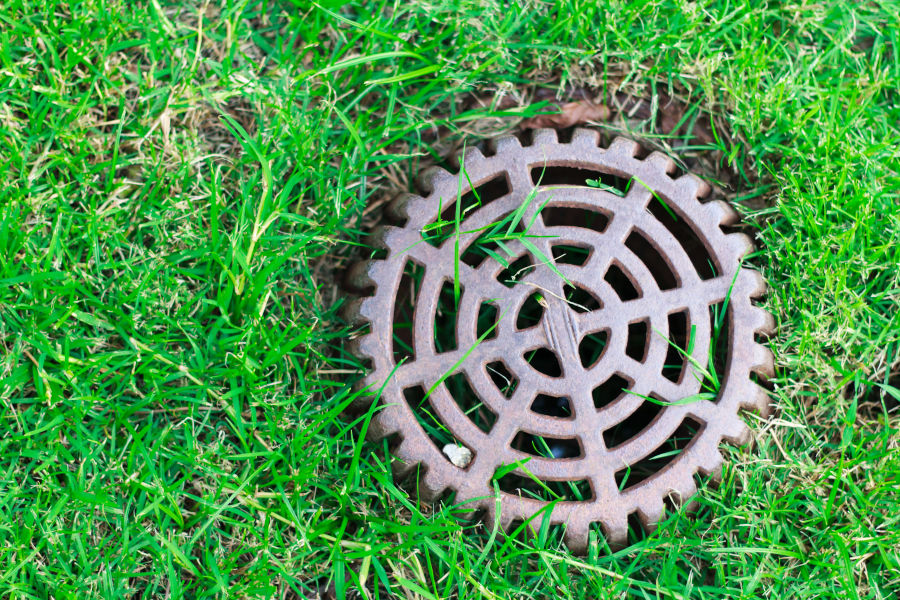
Slow drains and gurgling
When sinks, tubs, and toilets throughout the house drain sluggishly, or you hear gurgling in the pipes, the field may no longer be absorbing water fast enough. A single slow drain usually points to a local clog, but slow drainage everywhere at once points to the tank or field.
Sewage odors in the yard
A sewage smell near the tank or over the field means effluent is not filtering down the way it should. Odors often show up before you can see any surface water, so treat them as an early warning rather than a nuisance.
Soggy or spongy ground
Standing water or squishy soil over the drain field, especially when it has not rained or the snow is not actively melting, is a strong sign the field is oversaturated or clogged. This is one of the clearer red flags that the system needs attention now.
Bright green grass over the field
A stripe of unusually lush, fast-growing grass tracing your drain field lines is not a good thing. It usually means partially treated effluent is fertilizing the surface, which points to a field that is not doing its job underground.
How to Maintain Your Septic Drain Field
1. Pump the tank every 3 to 5 years
Pumping is the single most important thing you can do. A family of four typically needs pumping about every 3 years, while a smaller household may stretch closer to 5. Let the tank fill with sludge and those solids start washing out into the drain field, where they clog the gravel and soil permanently.
2. Spread out water use
A drain field can only absorb so much at once. Running several loads of laundry back to back, or overlapping laundry with long showers and the dishwasher, can flood the field faster than it drains. Spread big water jobs across the week, run full loads, and fix leaky toilets and faucets, since a running toilet alone can add hundreds of gallons a day. The average person uses around 70 gallons daily, so small habits add up.
3. Keep the field clear of weight
Never park vehicles, trailers, or equipment on the drain field, and keep it out of the path of anything heavy. The weight compacts the soil and can crush the shallow pipes, and compacted ground no longer drains. Set up parking and storage well away from the field.
4. Skip harsh drain chemicals
Chemical drain cleaners and heavy doses of bleach kill the bacteria your septic system depends on to break down waste. For everyday clogs, a plunger, a drain snake, or baking soda and vinegar are far safer. When you do have a stubborn or recurring clog, it is worth having it looked at rather than pouring caustic product down the line.
5. Route runoff and snowmelt away
Too much surface water is as hard on a field as too much wastewater. Aim downspouts, gutters, and any landscape drainage away from the drain field so roof runoff and melting snow do not pool over it. In winter, leave a natural blanket of snow on the field as insulation rather than shoveling or driving over it and packing it down, and try to avoid dumping a lot of water during a deep freeze.
6. Mind what you plant
Grass is the best cover for a drain field. Keep trees and large shrubs at least 20 to 30 feet away, because roots seek out the moisture and nutrients in the pipes and will eventually crack and block them. Native grasses and shallow-rooted ground cover protect the field and hold the soil in place.
What Neglect Actually Costs
Skipping maintenance is a false economy. A neglected drain field can clog or fail, and repairs commonly run several thousand dollars, while a full field replacement can exceed $10,000 once you add in excavation and landscaping. Routine pumping and inspections cost a small fraction of that. Beyond the money, a failing field can push untreated sewage into the soil and groundwater, and standing sewage in the yard is a genuine health hazard for your household.
Frequently Asked Questions
How often should a septic drain field be inspected?
Have the full system, including the drain field, inspected every 3 to 5 years, ideally on the same visit as pumping. Regular checks let a professional catch small issues before they turn into major repairs.
Can a drain field be cleaned or does it have to be replaced?
It depends on the cause. A field stressed by an overdue pumping or a temporary overload can often recover once the tank is serviced and water use is corrected. A field with crushed pipes, invasive roots, or years of solids washed into it may need repair or replacement. An inspection is the only way to know which you are dealing with.
Do Colorado winters hurt septic drain fields?
They can. Deep freezes can slow a shallow field, and heavy snowmelt can saturate it. Steady, moderate water use, leaving snow cover in place as insulation, and diverting melt away from the field all help it get through the season.
What should never go down the drain with a septic system?
Keep out grease and cooking oil, wipes labeled flushable, sanitary products, paper towels, cat litter, and harsh chemicals. All of them either clog the system or kill the bacteria it relies on.
Your drain field is one of the most expensive parts of your property to replace, and most failures trace back to habits that are easy to change. If you are seeing slow drains, gurgling, odors, or wet spots and you are not sure whether the trouble is inside your home plumbing or out at the septic system, the licensed plumbers at 1st Choice Pro Services can help you sort it out. We serve Parker, Castle Rock, Castle Pines, Centennial, and Highlands Ranch – give us a call and we will help you protect the system before a small problem becomes a costly one.

Key Takeaways
Understand typical issues such as drain clogs, incorrect installation, and pump or hose malfunctions to target fixes where…

Key Takeaways
We recommend changing your evaporator pad at least once a year, prior to the heating season. Coordinate the change with…