
Ductless Mini Split Installation & Maintenance in Littleton, CO
Key Takeaways
-
Ductless Mini Split Systems Ductless mini split systems provide zoned cooling and heating without requiring ductwork, which makes them an ideal option for homes that need focused comfort or have no ducts in place.
-
At the heart of them are indoor air handlers, an outdoor compressor, and refrigerant lines, with inverter technology providing efficient, quiet, and precise temperature control.
-
Installation is less invasive and usually faster than central air, with just small core drilling and professional installation to check for correct sizing, placement and connections.
-
Ductless systems can help lower energy bills by enabling zoned cooling and reducing duct losses. Homeowners should maximize savings by having systems properly sized and using zoned controls.
-
Indoor air quality is improved because it involves individual room filtration and avoids duct-related dust and allergens in the indoor air. Filter cleaning and annual professional service is still a must.
-
Ductless mini splits contribute year-round value with supplemental heating, dehumidification, smart-home compatibility, and long-term reliability when cared for properly.
Ductless AC install Littleton is the installation of a ductless mini-split AC system in houses or small offices in Littleton. These systems cool individual rooms via wall-mounted indoor units and an outside compressor, taking up little space and requiring no ductwork.
Install times range from a few hours to a day based on the layout and electrical requirements. Price varies based on unit size, zones, installer rates, and the guide below breaks down decisions and process.
Understanding Ductless
Ductless resupply conditioned air into living spaces via wall- or ceiling-mounted indoor units, foregoing ductwork altogether. This direct delivery concept employs small refrigerant lines and a discreet bioslip conduit through the wall to connect each indoor air handler to one outdoor compressor. This setup enables targeted cooling and heating where it is needed.
Core Components
Indoor air handlers stand inside the room and blow cooled or warmed air directly into the space. These units house the evaporator coil, fan, and filters and can be sized for bedrooms, living rooms, or open plan spaces to provide specific room-by-room temperature control.
The outdoor compressor unit contains the condenser and compressor and transfers heat to or from the outdoors. Many systems support multiple indoor units on the same outdoor unit, and location plays a role in efficiency and noise. Outdoor units exhaust heat and operate with inverter controls to scale output to demand.
Refrigerant lines connect indoor and outdoor units and transfer heat one way or the other depending on cooling or heating mode. Installation requires only a tiny 6 to 10 cm hole per indoor unit for lines and wiring, which is much less invasive than duct runs.
Available add-ons consist of wall or app remote controls, programmable thermostats, multi-zone controls, and air filters (HEPA/activated carbon). These add-ons assist you in controlling comfort and indoor air quality without central equipment.
The Technology
Inverter technology adjusts compressor speed to satisfy exact setpoints, minimizing on-off cycles and conserving electricity. Rather than running at full speed and then turning off, inverter-driven compressors ramp up or down, enhancing comfort and component life.
Mini splits circulate refrigerant to transfer heat between indoor and outdoor units. In cooling, the indoor coil picks up heat from the room. Outside, the system dumps that heat. The opposite occurs in heating mode, providing all-in-one functionality for both seasons.
Ductless units tend to run quieter than central systems, as indoor fans are small and motors use modern insulation. While outdoor units are noisy, room-level sound is low and frequently quieter than a normal conversation.
When properly sized, systems can hold output even in the thin air at higher elevations, making them usable in a greater range of climates. Stable temperature control is achievable since each indoor unit corresponds to local load and operates autonomously.
Key Differences
By installing a mini split, you can skip the headaches and expense of full ductwork, which often translates to less upfront disruption and quicker projects. Ductwork is invasive and intrusive to install where it does not yet exist.
No ducts means up to 30% energy loss that may escape from leaky ducts and pinhole holes in systems, increasing efficiency. With zoned setups, occupants do not waste heat or AC on unused rooms, saving energy.
Maintenance is simpler: filter cleaning, occasional coil checks, and seasonal tune-ups prevent breakdowns and keep systems near top efficiency. Lifespans are on the order of 10 to 20 years, and some units require replacement at 15.
Littleton Climate Advantages
Littleton’s climate delivers dry summers, cold winters and big daily temperature variations. Ductless mini-split systems complement these patterns by providing room-specific heating or cooling without impacting the entire house. That zoning capability allows you to have heat in the bedroom at night while keeping the living room cooler or cool common areas during hot afternoons without wasting energy on unoccupied spaces.
Older Homes
Ductless mini splits are perfect for older homes without ducts, since they need only a tiny hole to be drilled for the refrigerant lines and wiring. Installation is non-invasive and can save original moldings, plaster walls, and historic trim.
Installers affix sleek, compact indoor units high on interior or exterior walls and hook up to an outdoor condenser. Indoor blower units can be installed in main rooms, bedrooms, or hallways as required, offering flexible positioning to suit room configuration.
Skipping full duct installs trims expense and upheaval. There are no floors torn up, no extensive patching, and usually a one-day install that leaves the house whole.
Energy Bills
-
Use zoning to cool or heat only occupied rooms.
-
Set back setpoints a few degrees when away.
-
Run sleep or eco modes and timers to restrict runtime.
-
Seal and insulate rooms where outdoor lines pass to minimize losses.
-
Change filters and get yearly service to keep efficiency high.
Ductless saves monthly bills by minimizing duct losses and targeting output directly in rooms. Compared to old-school central AC, mini splits frequently achieve over 30 SEER efficiency and consume fewer watts than window units for the same level of comfort.
They minimize wasted fan energy that forces air through lengthy duct runs.
Air Quality
Ductless units have advanced filters that capture fine particles and some allergens, which can help keep indoor air cleaner during pollen-filled seasons. Without ducts, there is less opportunity for dust and mold to spread from unseen cavities.
Individual room handlers allow you to maintain top air quality where it counts — in bedrooms and nurseries — and set different fan modes by zone. Check and clean your filters regularly. A clogged filter restricts airflow and allows particulates to accumulate, thus timely maintenance maintains fresh air.
Year-Round Comfort
Mini splits offer effective cooling and powerful heating, even when temps dip below zero, so they get you through cold snaps. They respond quickly to thermostat adjustments, cooling or warming rooms to set temperature more rapidly than many central systems.
Fine control is achievable by room, so occupants receive comfort customized to their preferences. Indoor units operate quietly—approximately 19 decibels—therefore comfort arrives free of noise pollution.
The Installation Process
About The Installation Process On the left is a numbered, detailed step-through of the process, then targeted substeps on the right that mimic how technicians work on site. It’s all about safe installation, the right sizing, and getting your life back to normal – fast.
-
Initial consultation and site assessment: Schedule a visit with a licensed HVAC technician to map rooms to be cooled and measure square meters. The assessor checks insulation, window placement, ceiling height, and traffic patterns. They inspect electrical capacity and mounting surfaces and note where the outdoor compressor can sit with good airflow and low noise impact.
Use this visit to compare product lines and choose indoor unit styles (wall‑mounted, ceiling cassette) that fit room use and décor.
-
System sizing calculation: Technicians size the system by room and whole‑house load, based on area, insulation quality, glazing, and occupant habits. Good sizing saves dollars by maintaining efficiency and comfort.
Undersized units run all the time and do not cool. Oversized units short‑cycle and prematurely wear out components. Factor in sun exposure, number of rooms served, and internal heat sources when finalizing capacity.
-
Placement strategy and layout plan: Pick exact spots for indoor handlers to maximize airflow and avoid direct sun or obstructions. Select outdoor unit location that is level, accessible for service, and away from bedroom windows when possible.
Wall decisions impact refrigerant lines. It is cheaper and less leak-prone to keep them short. Make sure both units provide open access for drainage and maintenance down the road.
-
Core drilling and wall penetrations: Drill small holes (typically 60–80 mm for single-line sets) through exterior walls for refrigerant, drain, and electrical lines. Relative to ductwork, this is hardly invasive at all.
It does need to be properly sealed to prevent air and moisture infiltration. Proper flashing and sealing maintains building envelope integrity.
-
Unit mounting and outdoor pad work: Attach indoor units using manufacturer brackets, verify level and secure anchors into studs or solid backing. Outdoor condenser shall be installed on a concrete pad or vibration-isolating mounts on stable ground or brackets.
Position units so refrigerant and condensate flow properly and airflow isn’t blocked.
-
Final connections and system commissioning: Connect refrigerant lines, vacuum the system to remove moisture, check pressures and test for leaks. Connect electrical controls and set remote or thermostat programming.
Perform a comprehensive check on the system for air flow, temperature drop, condensate drainage and noise. Installers verify performance and demonstrate simple servicing to the owner.
Professional installers do most single-zone installs in a few hours with minimal disruption compared to central HVAC work, but bad installation can decimate efficiency and system life.
Cost and Value
Ductless AC installation is a combination of up-front costs and long-term value. Here are some transparent cost breakdowns and comparisons to assist you in determining whether a ductless mini-split fits your needs in Littleton, focusing on initial expenses, incentives, and long-term returns.
Investment Breakdown
|
Cost component |
Typical range (USD) |
Notes |
|---|---|---|
|
Equipment (single unit) |
2,000–5,000 |
Depends on capacity and brand; larger units cost more |
|
Multi-zone systems |
4,000–12,000+ |
Price rises with number of indoor heads and total capacity |
|
Labor / installation |
800–3,000+ |
Varies by complexity and local labor rates |
|
Electrical upgrades |
200–2,000 |
May be needed for panel or circuit work |
|
Accessories (line sets, mounts) |
150–800 |
Condensate pumps, mounts, covers |
|
Ductwork (if replacing central) |
3,000–7,500 |
Example: 300 linear feet often falls here |
|
Total typical install |
2,000–12,000+ |
Complex projects in older homes can exceed 12,000 |
Single-zone mini-splits frequently fall in the range of 2,000 to 5,000 per unit. Central air runs between 3,000 and 7,000 all-in including ductwork. Older homes or multi-level layouts add time and materials, pushing totals higher. Avoid surprise costs with a transparent site audit.
Local Rebates
Utility companies and state programs provide rebates for high-efficiency systems. Littleton homeowners, for example, should check with local utilities for current offers and with state energy offices for incentive lists.
Eligibility typically requires:
-
Installation of qualifying high-efficiency models.
-
Proof of purchase and professional installation.
-
Meeting specified efficiency metrics or ENERGY STAR certification.
Federal incentives can apply too: high-efficiency mini-splits may qualify for a 30% tax credit under the Inflation Reduction Act of 2022, reducing net outlay significantly.
While HVAC companies will occasionally run seasonal promotions, pairing those rebates with vendor discounts can drive initial cost down materially. Be sure to check deadlines and paperwork before you commit.
Long-Term Savings
Ductless cuts the energy loss inherent in ducted systems. Leaky ducts can waste 20 to 30 percent of cooled air. Mini-splits provide room-by-room control and eliminate duct losses, frequently reducing bills.
Over a 10 to 15 year life, energy savings and less maintenance can compensate for higher initial cost. Qualitatively, anticipate significant monthly cooling cost savings, particularly in homes formerly serviced by wasteful central systems.
Maintenance is generally easier and less expensive than for central HVAC. Repairs under 5,000 generally lean repair per the “$5,000 rule.” Modern units are more durable, increasing the lifespan and resale value.
Home buyers are often willing to pay a premium for a home that has zoned, efficient cooling. Think about total cost of ownership, not just sticker price, when comparing different systems.
Beyond Cooling
Ductless mini-splits are not just for cooling. They have heating, humidity control, and smart integration while still providing accurate room-by-room comfort. One outside unit can feed multiple inside units, so you have zone heating and cooling for add-ons, second floors, or retrofits.
Lifespans differ. Most units operate efficiently for 10 to 20 years, with most replaced around year 15. A little TLC, such as spring tune-ups and fall checks, keeps these efficient and long-lived.
Supplemental Heat
Ductless mini splits are heat-pump systems, meaning they’re efficient heaters in cold weather. They transfer heat instead of burning fuel, so they can be more efficient than legacy electric resistance heaters.
Compared to conventional furnaces, output depends on the model and outdoor temperature, but high-efficiency ones typically meet home heating requirements for most climates and save on fuel. In homes without ductwork or with heat leakage through ducts, mini splits bypass the approximately 30% energy loss that central systems can experience.
They heat up a single room quickly and stay consistently cozy, which comes in handy for bedrooms, home offices, or additions where you only heat the rooms you’re using. Fast warm-up times translate to reduced energy loss, and every indoor unit has an individual thermostat for personalized control.
Dehumidification
Mini splits dehumidify, or pull moisture out of the air, as an inherent part of the cooling cycle, pulling warm, humid air across cold coils so condensate drains off. Dehumidification is important for comfort and health.
Lowering indoor humidity levels actually feels cooler at higher setpoints and inhibits household mold growth. This is critical in humid climates or summer months when moisture rises.
Natural Cooling with built-in humidity controls enables systems to operate in a dehumidify mode or adjust fan speeds to achieve a desired relative humidity automatically. Lower humidity means better indoor air quality and it can help protect wood floors and furnishings from moisture damage.
Smart Home Integration
-
Mitsubishi Electric Wi-Fi Control
-
Daikin Comfort Control app
-
Fujitsu Wi-Fi module + app
-
Sensibo Sky
-
tado° Smart AC Control
-
Google Nest (via compatible bridges)
-
ecobee (with third-party adapters)
Remote apps allow you to adjust temperature, toggle modes, and monitor status from anywhere, assisting you in conserving energy by reducing runtime. Voice assistant integrations and home automation platforms allow scenes and routines, such as turning down temps when you leave or beginning pre-heating prior to your arrival.
Scheduling tools allow you to establish week-by-week schedules and track energy consumption over time, so you can identify problems soon. Remote access allows technicians to diagnose faults without an on-site visit, occasionally reducing service time.
System Longevity
On average, ductless mini-split systems have a lifespan of approximately 10 to 15 years and can extend to 20 years with diligent maintenance. This lifespan depends on your installation quality, equipment brand, local climate, and system run times. Systems in very hot, humid, or sun-exposed sites expire more rapidly.
Proper sizing and placement at installation reduce undue stress and help the system meet that higher end of its life expectancy.
Owner Maintenance
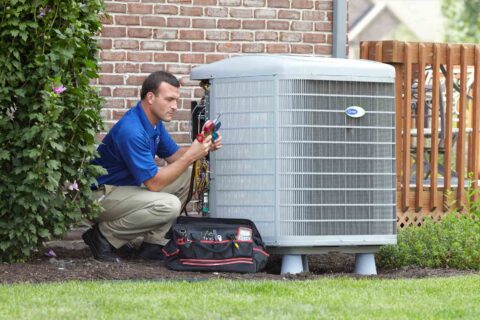
Renew your air filters every 1 to 3 months, depending on use and indoor air quality. A plugged filter restricts air, makes the compressor labor, and reduces equipment life. Inspect indoor and outdoor units for obvious blockages or debris.
Clear away dust, pet hair, or leaves that collect near vents or on condenser fins. Track your thermostat settings and observe any abnormal shifts in run times, since modest set points minimize load and extend wear.
Look for frost or ice on the indoor coil, which frequently indicates airflow or refrigerant issues. Leave the outdoor condenser free of leaves, grass cuttings, and standing water. Set a little barrier if wind regularly blows debris toward the unit.
Professional Service
Have annual inspections done by a certified HVAC technician for a deep cleaning. Technicians check refrigerant charge, test electrical connections, and measure airflow. They can detect minor leaks or loose wiring before they lead to compressor failure.
Request that evaporator and condenser coils and fan blades be cleaned regularly. Clean coils enhance heat transfer and reduce runtime. Verify refrigerant lines are properly checked and insulated and condensate drains are free flowing.
For any complex repairs, such as refrigerant refill, compressor repair, or significant electrical repairs, turn to the seasoned professionals to sidestep warranty voids and hazards.
Common Repairs
Common problems are frozen coils due to clogged airflow, faulty thermostats that misread temperature, and low refrigerant from leaks. Symptoms requiring immediate repair include diminished cooling, strange sounds, short cycling, or increased energy consumption with no comfort improvement.
Common repairs in Littleton and other similar climates are compressor replacement, fan motor repair, leak detection and sealing, and control board fixes. Be prompt when symptoms arise — minor repairs can prevent major damage.
For instance, an unchecked refrigerant leak can wreck a compressor and necessitate costly replacement. Selecting quality gear and adhering to the maintenance schedule keeps breakdowns rare and predictable.
Conclusion
Ductless AC install littleton It cools and heats rooms fast, runs quiet, and uses less energy than most whole-home systems. For old houses or new adds, the wall units skip duct work and reduce install time. You have more control. Set room-by-room zones, reduce bills, and maintain comfort where people live and sleep.
Opt for a unit sized for every room. Choose a licensed installer with local experience. Request a written quote, a specific schedule, and a parts warranty. Search for seasonal energy scores and inverter compressors for steady use.
Want to shop around or get a quote? Call a local HVAC pro and schedule a site visit.
Frequently Asked Questions
What is a ductless AC and how does it differ from central air?
A ductless AC (mini-split) has an outdoor compressor and one or more indoor air handlers. It cools directly with no ducts. This translates into greater efficiency, zoned control, and simpler installation than central systems with ducts.
Is a ductless system a good choice for Littleton’s climate?
Yes. Ductless units are great in any climate. They provide efficient cooling during the hot months and typically provide heating during the cooler months, so they work well for Littleton winters and summers.
How long does a typical ductless AC installation take?
The majority of single-zone installations require three to five hours. Multi-zone installs take longer, usually one to two days. Installation duration varies based on indoor head quantity and wall access.
What are the expected installation costs in Littleton?
Price depends on system size and zones. Anticipate a moderate to higher up-front cost than window units, but lower than full central replacements. Request accurate quotes and energy savings estimates from local installers.
How energy efficient are ductless systems?
Ductless systems are incredibly efficient because they eliminate duct losses. High SEER ratings keep energy use down and your utility bills lower than older central units.
Do ductless units require special maintenance?
They require no special upkeep other than cleaning filters and annual professional checks. Basic home maintenance keeps efficiency high and helps to prolong system life.
How long do ductless systems last?
With good care, ductless systems tend to last 10 to 20 years. Routine maintenance and prompt repairs assist in extending lifespan and safeguarding your investment.

Key Takeaways
Ductless mini splits deliver efficient, zoned cooling with no ductwork, reducing energy loss and allowing for customized…
Key Takeaways
HVAC maintenance saves Highlands Ranch homeowners from expensive emergency repairs and early system replacement by keeping…