
Emergency Plumbing Services in Centennial, CO
1st Choice Pro Services provides 24/7 emergency plumbing across Centennial and the south Denver metro, dispatching licensed technicians for burst pipes, sewer backups, water heater failures, and gas leaks. Trucks arrive stocked with parts, typically within 30 to 90 minutes, so a Front Range winter freeze or a midnight mainline clog gets contained before it floods a basement or drives up costly structural repairs.
Not every drip qualifies as a true emergency, and knowing the difference protects both your home and your wallet. This guide walks Centennial homeowners through the failures that demand an immediate call, how the region’s freeze-thaw swings and expansive soils drive them, and exactly what to check, ask, and expect before a technician reaches your door.
Key Takeaways
-
Centennial homeowners would be wise to seek out a local 24 hour plumbing service that knows freezing winters, shifting soils, and regional codes to minimize emergency risk and expensive repairs.
-
Yearly water heater flushes, sewer camera inspections, and pre-winter pipe checkups avoid the majority of weather and soil related damage.
-
Keep emergency contacts handy and respond fast to burst pipes, severe clogs, sewer backups, and gas leaks. Turning off the main water or evacuating for gas can contain harm and risk.
-
Make sure to pick licensed, insured plumbers with quick local response times, clear written estimates and transparent pricing to stay compliant and avoid hidden fees.
-
Think professional service steps from transparent intake calls to comprehensive diagnostics, detailed estimates, and post-visit follow-up. Ask for photos or a camera for underground problems.
-
Request written warranties on both parts and labor, schedule suggested return maintenance, and develop a relationship with a local trusted plumber for continued care and peace of mind.
24 hour plumbing service Centennial provides 24/7 repair and emergency service for residential and small commercial customers. Our licensed technicians deal with leaks, clogs, water heater faults and sewer issues with all parts on the truck.
Response times are usually 30 to 90 minutes depending on where the service is needed and traffic. Rates can include flat fees for nights and weekends and transparent estimates prior to work starting.
The main body details typical issues, prices, and how to select a provider.
Centennial’s Plumbing Profile
Centennial’s plumbing profile is impacted by local climate stresses, our diverse housing stock and soil conditions that define the types of failures and services homeowners require. The summary below highlights core risks, prevalent systems, and the value of seasoned, code-conscious plumbers 24/7.
Climate Impact
Freezing winter temperatures frequently lead to pipe bursts in exposed or poorly insulated lines. When water freezes, it expands and can crack copper, PVC, or older iron pipes, creating a critical plumbing emergency that must be repaired immediately. Seasonal swings make leaks and water heater faults more likely.
Mineral buildup in tanks and inlets restricts flow and can cause low hot water pressure, like in homes across Centennial as well as neighboring Piney Creek. Fast transitions from hot days to freezing nights put extra stress on fittings and joints, leading to hairline cracks that do not become evident until a leak develops.
Schedule annual inspections and winterization checks, and flush water heaters, both tank and tankless, each year to remove mineral deposits, maintain pressure, and extend lifespan.
Soil Conditions
Centennial sits on pockets of shifting or expansive soils, which can put stress on sewer lines and pipes underground. Soil movement causes joint separation, sagging lines, and uneven load on pipes, giving roots a better chance to intrude, leading to sewer backups that block flow and cause health hazards.
Blocked drains and sewer backups are common complaints and can turn bad really fast. Routine sewer camera inspections identify early cracking, offset joints, or root encroachments without complete excavation.
When soil damage is present, trenchless sewer repair, such as pipe lining or pipe bursting, provides less disruptive and often faster solutions that protect landscaping and cut costs compared to full dig-and-replace work.
Housing Age
Many older Centennial homes have antiquated sewer lines and clay or cast iron pipe systems that are susceptible to rot and collapse. Undetected leaks and corroded pipes are common in older homes. Symptoms include persistently low hot water pressure, elevated water bills, and damp areas in basements or crawl spaces.
Proactive maintenance, such as drain clearing, camera inspections, and snaking, extends system life and helps prevent failures that tend to occur when remodeling or converting to low-flow fixtures. These aging systems require professional plumbers who know the local codes for safe replacement work, particularly if you’re switching from clay to modern PVC or upgrading to tankless water heaters during renovations.
|
Age of Building |
Common Pipe Types |
Typical Issues |
|---|---|---|
|
Pre-1960s |
Clay, cast iron |
Corrosion, root intrusion, leaks |
|
1960s–1990s |
Copper, galvanized steel |
Scale, corrosion, low pressure |
|
2000s–present |
PVC, PEX, modern copper |
Installation errors, mineral buildup |
Emergency Plumbing Situations
Plumbing emergencies are situations requiring urgent attention to prevent water or gas from further threatening life or property. Obvious indicators are water flooding a home or basement, a sudden loss of hot water, foul sewer odors, or the sound of rushing water behind walls. Emergencies occur 24/7 and an hour can make the difference of thousands in property damage.
Some common plumbing emergencies include:
-
Burst pipes
-
Severe clogs and toilet backups
-
Water heater leaks or failures
-
Sewer backups and mainline blockages
-
Gas leaks and damaged gas lines
-
Sump pump failure during heavy rain
-
Frozen pipes and cracked valves
Have contact information for a good 24-hour emergency plumber on hand and store it in your phone and in a physical location in the house.
1. Burst Pipes
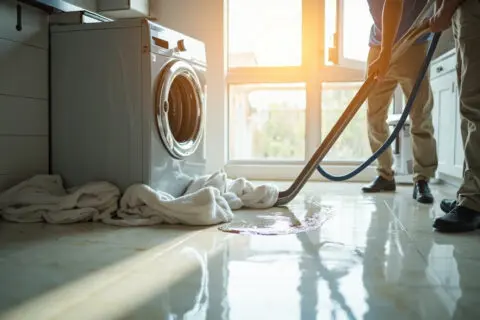
Bursted pipes can flood basements and living areas and wreak havoc on structure and contents in mere minutes. A sudden loud bang, spraying water, or a quick pressure loss often gives you advance warning.
If you suspect a burst pipe, shut off the main water supply immediately. Turning off the water restricts flow and reduces damage. Once you do, call an emergency plumber who can find the break and fix it.
Timely repair minimizes water loss and structural restoration costs, all of which can increase dramatically if repair occurs an hour late. Yearly inspections catch weak spots, corrosion, or frozen areas before they break.
Pipe insulation during cooler seasons reduces the potential for pipes freezing and rupturing.
2. Severe Clogs
Clogged drains and toilets can bring things to a grinding halt and become an emergency when water reverse flows. Serious clogs can cause sewage backups, unhygienic conditions, and health hazards.
Don’t risk extended do-it-yourself experiments with caustic chemicals or sink plungers that can force obstructions further or damage pipes. Hire a pro drain cleaner who can use mechanical augers and hydro-jetting to actually restore flow.
Smart plumber note: Proper maintenance and careful disposal of grease, wipes, and solids avert many of these emergencies.
3. Water Heaters
Water heater issues cause a ruckus and can be dangerous when they leak or have defective valves. Leaks, no hot water, or odd sounds need immediate service to prevent water damage and scalding.
Emergency water heater installers can identify leaks, replace failed thermostats, or suggest replacement. Annual flushing of tanks eliminates sediment that reduces tank life.
Never hire unlicensed plumbers for water heater repairs and replacements.
4. Sewer Backups
Sewer backups cause puddling, odors, and health risks in the home. These require on-the-spot containment and expert sewer services to prevent raw sewage from spreading.
Sewer cam inspections uncover root causes such as tree roots, collapsed lines, or heavy blockages. Routine sewer care and timely action minimize the risk of recurring crises.
5. Gas Leaks
Gas leaks are life-threatening and necessitate immediate evacuation and expert assistance. If you smell gas, get out, call 911 and a qualified gas line plumber.
Only gas-trained plumbers should fix lines. Regular checks on gas appliances and detectors provide advance notice and increase safety.
Choosing Your Plumber
All these issues in choosing your plumber for 24 hour plumbing service in Centennial impact not only your immediate safety but your long-term costs and the size of the damage from emergency situations. Here are key spots to inspect before you dial. Have a tried-and-true local number in your back pocket so you can move quickly when a pipe bursts or a water heater dies.
Licensing
Don’t hesitate to demand licensed plumbers that comply with local code and safety standards. Licensed technicians undergo formal training, certification, and typically background checks that minimize risk to your home.
Insurance issues. Find out if the plumber has liability insurance and bonding so you won’t be held responsible if a worker gets hurt or a fix makes things worse. Check credentials before work starts by requesting license numbers and insurance. Numerous states allow you to verify online.
A license indicates that the contractor is responsible to a regulatory organization. That responsibility usually requires ongoing education, so plumbers remain up to date on codes, fixtures, and safety practices.
Response Time
Early intervention bounds water damage, mold and secondary cost. For immediate needs such as an overflowing toilet or a major leak, you want a local team that dispatches fast.
Inquire about typical arrival times and if the company maintains overnight on-call technicians. They will provide specific time windows and triage emergencies if they are genuinely 24/7.
Businesses with local dispatch in Centennial neighborhoods tend to get to you more quickly than businesses that have to come from a distance. Have a plumber on speed dial for immediate necessities. Knowing who is going to be there in an hour or two builds confidence and stops more property damage.
When catastrophe strikes, turn off the main water supply right away while you wait.
Estimates
Get a written estimate before they start work. A quality plumber will itemize labor, parts, permit costs, and any additional expenses. Free estimates let you plan and avoid surprise fees.
Not without comparing two or three estimates first. Seek out clear pricing and a warranty or guarantee in writing. A warranty will protect you in case issues resurface post-fix.
Transparency builds trust: ask how they handle unexpected findings, such as corroded pipes or hidden leaks, and whether those will trigger a new estimate. These plans reduce emergency risk and are worth shopping against one-off repair quotes.
The Service Experience
A transparent window into the plumbing service experience reduces stress and accelerates resolution. The service experience includes first contact, technician arrival, and the diagnostic work that leads to repairs. Every phase should be about transparency, dignity, and efficiency.
Initial Call
When you call, explain the problem in simple terms and provide the specific location in the unit. Let them know if water is leaking, a drain is clogged, or a fixture is non-functional and for how long. Record any recent DIY efforts, such as the chemical drain cleaners used or a quick pipe bandage, so the technician will know what to avoid.
Inquire about emergency rates and availability right up front. Specify if after-hours work has a different charge and if parts are included. Verify licensing and insurance over the phone. Ask for the company name, tech ID, and approximate ETA window.
Speed of response counts in an emergency, so book the soonest slot available and query how the firm triages calls.
Technician Arrival
Anticipate attending technicians who announce themselves and show company ID. A timely arrival and a clean, organized vehicle are usually an indication of preparedness. Technicians need to come equipped with standard tools, parts, and diagnostic equipment such as pressure gauges and drain cameras, so they do not have to make multiple visits.
Before you start, request an action plan and an approximate completion time. Pros describe what they will do, why they selected that approach, and potential results. A little courtesy and plain speaking can help overcome worries.
Technicians who talk clearly and answer questions generally make a better impact. Check the tech’s credentials once again and list any warranty or service guarantees.
Problem Diagnosis
Point inspection comes before any major repair. The technician should test water pressure, inspect visible piping, and employ cameras or smoke tests as necessary. Insist on understanding the root cause and why a particular repair, not simply a quick fix, is in order.
Request visual evidence when you can, such as photos of corroded fittings or drain-camera video, and request a written estimate that itemizes parts, labor, and anticipated outcome. Honest service means that technicians recommend the least invasive and most cost-effective procedure first and do not try to sell you work you do not need.
The right diagnosis reduces callbacks by making lasting repairs, which builds trust and the likelihood that you will refer the service.
Beyond The Fix
Fixing a leak or unclogging a drain is one thing. Beyond the fix means examining underlying causes, future risk, and system behavior so it doesn’t return. That demands explicit warranties, scheduled return visits, and maintenance care alternatives. The subpoints below detail what to request and why it’s important to homeowners who want long-lasting, affordable outcomes.
Service Guarantees
Demand written warranty coverage for parts and labor for any work performed. A written warranty clarifies accountability and prevents bickering if something breaks after the team departs. Clarify exactly what is covered: pipe sections, fittings, sealants, fixtures, and whether the plumber pays for return visits or only supplies parts.
Mention the warranty period in months or years and highlight exclusions, like hard water corrosion or freeze damage. Inquire about workmanship guarantees beyond manufacturer warranties on parts. Others provide a satisfaction guarantee that states follow-up visits will be at no charge if the issue returns within a predetermined time frame.
Key aspects of service guarantees in plumbing:
-
Written coverage for parts and labor with start date and duration.
-
Clear list of exclusions and homeowner responsibilities.
-
Remedy options: repair, replace, or refund.
-
Warranty call response time and emergency visit fees.
-
Transferability of warranty if the property is sold.
A solid guarantee mitigates long term cost risk and encourages a permanent solution mentality instead of a quick fix. It demonstrates the provider’s pride in his diagnosis and craftsmanship.
Follow-Up
Don’t be surprised if you receive a return phone call or visit after the repair to make sure the problem is completely fixed. This step confirms that your fix tackled the root cause and not just the symptom. Tell us what you really think about the service and technicians. That data helps influence what we recommend and how we train.
Set future inspections according to the technician’s recommendation, perhaps a one year check on sewer lines or seasonal checks of outdoor piping. Maintain good records of dates, work done, parts, and warranties. These notes accelerate later diagnosing and assist the plumber in identifying patterns that indicate underlying problems.
Follow-up paves the way for proactive care. Inquire about maintenance plans, including periodic inspection, drain treatment, and component replacement schedule. If the problem is more serious, don’t skimp on preventive upgrades like pressure regulators or water-conditioning equipment that could increase efficiency and prevent a return trip.
Proactive Home Care
Proactive home care is frequent servicing and check-ups to prevent minor plumbing issues from turning into expensive fixes. It ties into broader home routines such as cleaning the gutters, replacing HVAC filters and checking smoke detectors. Here are targeted actions Centennial homeowners can take to maintain plumbing systems, prolong appliance lifespan, and reduce surprise costs.
Seasonal Checks
Get a full plumbing inspection before winter to minimize the chances of frozen pipes and burst fittings. PRO TIP: Inspect and insulate any exposed pipes in unheated spaces, check outdoor hose bibs, and drain garden hoses to prevent ice damage.
Every spring after frost season, inspect outdoor faucets, hoses, and irrigation for leaks and wear. Swap out cracked hoses, flush irrigation lines, and test backflow preventers to safeguard potable water and landscaping.
Be prepared before storm season. Even a quick pump test, dumping a bucket of water into the pit, can demonstrate if the motor and float switch function. Consider a battery backup or second pump in flood zone homes.
Please review water heater settings seasonally for efficiency and safety. Turn your thermostat down to 120 to 130 degrees Fahrenheit for energy conservation and scald prevention. Flush the tank annually to discharge sediment if local water is hard or if heater performance drops.
Fixture Maintenance
Periodically clean and check sinks, toilets, and faucets to identify slow leaks, mineral buildup, or loose fittings. Wipe aerators and faucet bases of scale that can reduce flow and conceal leaks.
Have worn washers and seals changed immediately to prevent those continual drips that waste water and increase bills. A couple of spare washers and a pair of adjustable wrenches can repair a number of common leaks in minutes.
Plan regular drain cleaning – tubs, sinks, and main lines to prevent hard to remove clogs and backups. Consider mechanical snakes or hydro-jetting from a pro for serious blockages instead of caustic chemicals that can damage pipes.
-
Check and clean faucet aerators every 3 to 6 months to keep flow even and detect grit.
-
Tighten loose toilet bolts and test the flapper once a year to guard against hidden leaks.
-
Shower hoses and seals should be replaced every 3 to 5 years or as soon as they show signs of wear.
-
Check under-sink supply lines for bulges or corrosion and replace braided lines every 7 to 10 years.
Water Pressure
Monitor water pressure with a gauge to detect concealed leaks or blockages. Typical residential pressure is 40 to 50 psi. Rapid increases can strain joints. Rapid decreases usually indicate a leak or clog.
Install a pressure regulator if readings are too high. This protects your fixtures and minimizes pipe wear. If pressure falls off, check main shutoffs and call a plumber before a burst.
Add water pressure checks to your annual home maintenance routine with heater and sewer inspections. Regular monitoring aids early detection, incentivizes preventive investments such as leak detectors and minimizes expensive repairs down the line.
Conclusion
How to find a trusted 24-hour plumber Centennial – check license, reviews, response time. Local techs who arrive quickly, stock parts and walk you through pricing reduce stress and contain damage. For floods or burst pipes, turn off the main valve, relocate valuables and call the pro immediately. For slow drains or small leaks, a bit of simple checking and timely repair keeps things small and cost low. Scheduled inspections of water pressure, drains and fixtures prevent issues that keep your home dry and safe. Choose a plumber who provides transparent pricing, a warranty and has authentic local reviews. Are you ready to pick one? See quotes from two local services, observe response times and book the one that suits!
Frequently Asked Questions
What qualifies a plumber as a reliable 24-hour service in Centennial?
Find a licensed plumber with local reviews, verified insurance, upfront pricing and emergency service. Make sure they answer promptly and give you an estimate in writing after a visit.
How fast should a 24-hour plumber arrive for an emergency in Centennial?
Dependable service typically takes 30 to 90 minutes, depending on time and traffic. Inquire about the company’s average emergency response window prior to booking.
What types of emergencies require calling a 24-hour plumber?
Contact us now for burst pipes, major leaks, sewer backups, no hot water or gas smell emergencies. These problems threaten damage to property, health, or safety.
How much does an emergency plumbing call cost in Centennial?
Rates depend on time, severity, and parts. Anticipate a premium rate for nights and weekends plus labor and parts. Demand a transparent estimate and green light it before work starts.
Can a 24-hour plumber provide temporary fixes until full repair is possible?
Yes. Seasoned emergency plumbers close valves, halt leaks, and perform temporary repairs to avoid damage. They will outline next steps and timing for permanent repairs.
How do I verify certifications and trustworthiness quickly?
Request license numbers, insurance certificates, and local references. Look at online reviews, business listings, and trade association memberships for quick validation.
What proactive steps reduce emergency plumbing calls at home?
Examine exposed pipes, insulate open lines, don’t flush solids, keep water pressure, and have annual inspections. Preventative care reduces risk and long-term expenses.
Key Takeaways
Understand typical issues such as drain clogs, incorrect installation, and pump or hose malfunctions to target fixes where…

Key Takeaways
We recommend changing your evaporator pad at least once a year, prior to the heating season. Coordinate the change with…