
Furnace Filter Types Explained: MERV, HEPA, and Electrostatic
Key Takeaways
-
In that case, I would need to select furnace filters that have even higher efficiency ratings. Plus, I’ll factor in what my home’s air quality needs are to get optimal results.
-
Specifically, I compare different filter types, including MERV, HEPA, electrostatic, and more. This allows me to select the filters that will help me combat my personal health concerns from allergy issues to pet dander.
-
I need to consider filtration performance vs. airflow resistance so I don’t suffocate my HVAC system and drive energy costs up.
-
To improve indoor air quality and maximize the performance of HVAC equipment, conduct routine maintenance and make sure that it’s installed correctly. One thing to remember is to replace filters on schedule!
-
One final note – don’t get fooled into thinking that high MERV ratings are the end all be all. Now I have to think about filter compatibility, filter material quality and long-term costs.
-
Look for more sophisticated solutions like electronic air cleaners or UV light purifiers. These solutions offer supplemental protection for households experiencing heightened air quality risk factors.
Comparing furnace filter types can be overwhelming when it comes to choosing the best filter for your home’s air. Here’s how they compare. One by one, here’s how each type works to trap dust, pollen and other particles in the air.
A typical MERV filter plugs perfectly into most residential systems, trapping all of the usual suspects in allergens and dust. High-efficiency particulate air (HEPA) filters capture particles down to 0.3 microns, but they are not compatible with all builds.
Electrostatic filters use a charge to pull in dust and are washable in some cases, which can save money over time. Then there’s fiberglass and pleated too, which all vary in airflow and filtering capabilities.
Below, I’ll explain what each filter type does and which one will be the right choice for you.
Why Furnace Filters Matter More
Furnace filters are not just there to keep the dust off your furniture. They’re key to maintaining clean indoor air and ensuring your HVAC operates efficiently. When I do have a good filter in, I notice less dust in my home and much less stuffy air. This is important if you suffer from allergies or asthma.
Filtration as low as MERV 8 or 11 can capture things such as pollen, pet dander, and even mold spores. Friends of mine are using HEPA filters, which filter out even smaller particles. Those can increase the efficiency of the system, so it’s really about what works best for your system. Even a basic MERV 6 filter makes a difference when it comes to reducing allergens that cause sneezing and itchy eyes, particularly during a high allergy season.
Protecting the integrity of the HVAC system is a concern that’s every bit as large. When the filter absorbs those particulate matter, it prevents them from entering the motor or coils. That translates to lower repair costs and less downtime for repairs.
A clean system consumes less electricity, which further contributes to savings on electricity bills. Most electrostatic and pleated filters are good for several months, so I’m not scurrying around each month buying new replacements. Those with pets or who live in dusty areas notice an immediate impact.
Pick Yearly or Longer Lasting Filters! While they’re an upfront higher cost, you’ll save hundreds—and sometimes thousands—on expensive repairs and on your power bills long-term. Most people I meet would recoup their costs in a year just from less aggravation and cleaner air.
From a health standpoint, a solid filter reduces the number of asthma and allergy exacerbations. Better air quality could result in better sleep and fewer sick days. To me, the value of using the right filter is an easy decision for real peace of mind at home.
Understanding Filter Efficiency Ratings
Understanding filter efficiency ratings provide you with a clear path to selecting a furnace filter that provides the overall best fit for your needs and environment. So many options to choose from! Knowing what these numbers actually mean will get you one step closer to having clean air at home or work.
The standard measure, MERV, allows you to gauge how well a filter captures things like dust, pollen and even smaller airborne particles. Other systems like HEPA and ULPA offer even higher degrees of filtration. Every system has its own unique place of use and maintenance needs.
What MERV Ratings Mean Simply
MERV is an acronym for Minimum Efficiency Reporting Value. This high number indicates a filter’s effectiveness in trapping particles that pass through it. MERV ratings scale from 1 to 16. The higher the number, the more and smaller particles the filter can capture.
A MERV 8 filter removes at least half the dust and pollen. In comparison, a MERV 16 filter captures a minimum of 95% of airborne particles down to 0.3 microns. Ordinary residential environments typically filter out particles from MERV 8 to MERV 13, fantastic for picking up average household dust and pet dander.
Industrial applications frequently require MERV 11-16, particularly in spaces where air quality is non-negotiable.
Beyond MERV: Other Rating Systems
HEPA filters extend past the MERV scale, trapping a minimum of 99.97% of particles as small as 0.3 microns. ULPA filters can capture 99.9999% of particles down to 0.12 microns in size. These are more effective in labs or hospitals.
Others may be electrostatic filters or have different ratings in place of MERV. The MERV scale is not perfect; it is the best measure available for the majority of homes and small commercial buildings.
Why Ratings Aren’t Everything
While filter ratings are a great place to start narrowing your options, they’re not the whole story. How the filter is designed, what it’s made with, and where you’re using it makes a difference.
To achieve the air quality you’re after, it’s important to consider real-world use—not just the label.
What Are Furnace Filter Types?
1—Flat fiberglass filtersThese are the most basic, cheapest filters available. Furnace filter types You probably see them the most, especially up north in Canada, but they’re used everywhere in the U.S. Too.
These filters are elementary—just sheets of spun fiberglass. They filter out larger particles of dust and lint, capturing up to 80% of particles that are 0.002 inches in diameter or larger. They only capture less than a fourth of the little particles from 0.0001 to 0.0004 inches.
You replace them every month or two, which is nice, maintains convenience if you prefer low hassle.
Pleated filters use more folded material, giving them more area to trap dust. Their MERV rating—the scale that rates how effective a filter is—typically falls anywhere from a 6 to 12. The higher the MERV number the better the filtration, which gives you the ability to choose depending on your requirements.
These filters have a longer lifespan (up to three months on average) and capture smaller particles compared to fiberglass filters.
Electrostatic filters use a static charge to attract and capture dust and pollen. Because they’re washable and reusable, they help reduce waste. Simply rinse them out every few months and allow them to dry before replacing them.
HEPA filters are outstanding! They capture up to 99% of minuscule particles, including those just 0.00001 inches. Here’s how they use three layers to clean your air.
Certain models can incorporate UV light to eliminate microorganisms, but these filters require additional maintenance and are more expensive.
Activated carbon filters can both absorb and adsorb to eliminate odors and harmful chemicals. They’re ideal for homes with pet dander or indoor air contaminants like smoke. The higher the carbon, the more effective they are.
Electronic air cleaners work by using electrical charges to trap particles in the air. They require regular cleaning and are more expensive, but they do a fantastic job with homes that have allergy sufferers.
UV light air purifiers use UV light to kill airborne germs. When paired with the right filter, these furnaces optimize air quality.
So just be sure that you’re changing or replacing that bulb and cleaning or replacing that filter!
Filter Performance Face-Off
Furnace filters are primarily available in three varieties, each with their unique pros and cons. After all, you want the right filter for your needs and for your home’s HVAC system. The three most prevalent standards are MERV, HEPA, and electrostatic filters as well as branded systems such as FPR and MPR.
With MERV, the scale runs between 1 and 16 for residential furnaces, indicating the quality of a filter to capture particles. MERV 8—which is what you’ll find in the average home—does a decent job of filtering out larger particles like dust and pollen. The premise is that higher ratings do a better job of catching more while getting airflow through.
HEPA filters capture the really small stuff—99.97% of everything down to 0.3 microns—but they usually require a more complex installation. Electrostatic filters employ static charge to trap particles, and many of them are washable, simplifying maintenance.
Particle Capture Capabilities Compared
|
Filter Type |
Particle Size Range |
% Captured |
Best For |
|---|---|---|---|
|
MERV 8 |
3.0–10 microns |
70–85% |
Dust, pollen, lint |
|
MERV 13 |
0.3–1.0 microns |
75–90% |
Smoke, pet dander |
|
HEPA |
≥0.3 microns |
99.97% |
Allergens, fine dust |
|
Electrostatic |
1.0–10 microns |
85–95% |
Mold spores, dust mites |
|
MPR (1900+) |
0.3–1.0 microns |
90–98% |
Smog, bacteria |
MERV ratings serve as a good starting point for everyone, but HEPA-rated hvac air filters are a better option for allergy sufferers. When tested, MPR filters removed over 98% of damaging fine particles, proving to be incredibly effective. FPR rates create a performance scale from 4 to 10, allowing shoppers to compare hvac filter options easily.
Airflow Resistance and Energy Use
When you upgrade to a higher MERV or HEPA filter, you increase the resistance and slow down the airflow. That means your HVAC system has to work harder, and for longer, consuming more electricity.
Electrostatic filters with moderate MERV ratings maintain high airflow, though they can struggle to capture the smallest particles. For the average home, MERV 8 or 11 is a happy medium to arrive at clean air without overworking your HVAC system.
Lifespan Expectations and Hassle Factor
A typical MERV 8 filter of a similar type will be effective for only around 3 months. HEPA and electrostatic filters can last longer, but HEPA usually requires an expert for the change out.
Washable electrostatic filters are low waste, but they require frequent rinsing. Increasing filtration will mean you need to inspect and change filters more often. This would not only raise your long-term costs, but increase your overall inconvenience.
True Cost Over Time Analysis
|
Filter Type |
Initial Price |
Lifespan |
Maintenance Cost |
Yearly Total |
|---|---|---|---|---|
|
MERV 8 |
$10 |
3 months |
Low |
$40 |
|
MERV 13 |
$20 |
3 months |
Low |
$80 |
|
HEPA |
$50 |
6–12 months |
High/Pro |
$100+ |
|
Electrostatic |
$30 |
Washable |
Low (self-clean) |
$30 |
HEPA filters, known for their high efficiency, are more expensive but offer a longer service life. Similarly, electrostatic hvac air filters may have a higher initial cost, yet save you money in the long run if maintained properly.
Durability: What Materials Tell You
MERV filters are made with pleated paper or synthetic fibrous media. HEPA filters rely on very dense fibers for maximum fiber capture.
Electrostatic filters generally employ plastic or metal mesh construction that is washable. Material quality is directly related to the overall lifespan of the filter and how well the filter is able to do its job. Heavy gauge frame and thick weave equals less replacements, and cleaner air.
Real-World Allergen Removal Effectiveness
For houses where allergies are a major issue, HEPA filters win hands down. MERV 13 or MPR 1900+ filters perform very well at reducing pet dander and smoke.
Electrostatic filters do a great job at capturing larger allergens, but they fall short on the tiniest ones. For most folks, MERV 8 is plenty to keep dust at bay, but higher-rated filters come in handy when allergies start to act up.
Select Your Perfect Filter Match
Choosing the best furnace filter begins with understanding your home HVAC system needs and what’s most important to you. The air quality required, budget considerations, and daily activities all influence your choice. Here are the steps to guide you in selecting the right HVAC air filter to match your space and lifestyle.
Evaluate Your Home’s Air Needs
One of the best places to start is by examining the quality of the air in your home. Common indoor air issues you might face include:
-
Dust and pet dander buildup
-
Pollen and seasonal allergens
-
Mold spores
-
Smoke or cooking odors
-
Fine particles from traffic or industry nearby
For those with pets or allergy sensitivities, increased dust and hair around the house are often the first warning signs. This leads them to often seek filters intended to filter out microscopic particles like pet dander and pollen.
If you live close to a major roadway, look for a filter that removes smoke and other small particulate matter from the air. This is critical even more so if you cook often.
Check Your HVAC System Compatibility
Not all filters are compatible with every HVAC system. You should always choose the same size and type of filter that came with your unit. Look in your owner’s manual or on the label of the old filter to find the correct size.
Installing anything other than the proper size and type will reduce available airflow and can actually damage the equipment. A close fit helps ensure that the filter performs as intended and air flows properly.
Balance Budget and Maintenance Tolerance
Filters have different costs and maintenance requirements. MERV 8 to 13 filters are adequate for the average home and are cheaper than higher rated filters. These catch typical household dust and allergens with minimal effort.
You’ll want to consider how frequently you’ll want to change out the filter. Less expensive filters require more frequent replacements, while more expensive filters last longer but have a higher initial cost.
Consider Lifestyle: Pets and Allergies
High-efficiency, whole house filters such as MERV 13 or HEPA filters will catch animal fur and small allergens. For allergy-suffering homes with pets, these filters do more than improve indoor air quality—they eliminate a pet parent’s sneezes and sniffles.
HEPA filters grab at least 99.97% of small particles, while MERV 13 or higher do a solid job for most families.
My Take: Finding Sweet Spot
Based on my experience, finding the balance between filter cost and filtering efficacy requires some experimentation. Put your house’s needs ahead of everything else.
Adjust accordingly, and you’ll be better equipped to find a filter that improves your air quality and saves you money.
Smart Filter Installation and Care
Don’t let your furnace work harder than it has to — install your filters the right way. Good regular care for those filters is important! Selecting the correct filter will ensure proper air flow and maximize your comfort.
Putting it in the right place will save wear and tear on your system, improving its lifespan too. Quality filters protect against more than just dust. They help your HVAC system operate more efficiently, saving you money and lowering costly repair needs.
Our Smart AC customers have no problem ordering filters through the app. We ship the filters directly to their doorstep, making the whole experience easy and convenient.
Nail the Correct Filter Size
-
Measure the slot to determine the filter’s length, width, and depth in inches.
-
Compare these figures to the ID on your previous filter or consult the HVAC system’s owner’s manual.
Choosing a filter with a MERV rating near 13 will provide a good balance of air flow and air cleaning. Make sure you measure twice, as filters can go 10×10 inches all the way to 30×30 inches.
Choosing the incorrect size creates gaps, so particles sneak through and the system has to work twice as hard. Always do the math before you purchase.
Install Your Filter Directionally Right
Each filter has an installation arrow printed on its frame. This arrow must always point in the direction air flows through your system—usually toward the blower.
If you installed it inside out, it restricts airflow and could make weird sounds or poor airflow.
Follow Sensible Replacement Schedules
-
Disposable filters: change every 1–3 months.
-
Check filters monthly during summer and winter.
Put it in your calendar. If you notice a visible dust accumulation or a musty air smell, it’s time to replace your hvac air filters. Annual expenses average $40–$200 in typical residences.
Master Washable Filter Cleaning
-
Remove the filter and rinse it with tap water.
-
Let it dry fully before you put it back.
Avoid scrubbing or using any abrasive cleaners on your hvac air filters. Nothing will cause a filter to grow mold faster than a wet filter, so dry it really well!
Thinking Outside Standard Filter Box
The average person buys the standard pleated or fiberglass hvac air filters for their furnace. However, if you care about air quality, there’s more to the story. These days, you have a wider variety of options than ever to improve the air quality in your home with innovative air filtration systems technology.
Other types of filters employ static charge, specially electrostatic filters, to attract and capture dust and pollen. These are fantastic if you want lower maintenance because you can just rinse them out and use them again. If you’re looking to achieve the highest level of air cleaning, HEPA filters are the gold standard.
A genuine true HEPA captures a minimum of 99.97% of ultrafine particles at 0.3 microns. In contrast, a MERV 13 hvac system filter only captures around 75% of those particles. The coronavirus is much smaller at just 0.1 microns, so it passes right through.
Yet, it’s not quite that easy as just changing out filters. HEPA filters are so dense, your typical HVAC can’t force air through them. You’ll need to get a whole different rig, including a separate cooling fan.
This is nearly identical to what we’re using at ISO-Aire™ in our commercial systems. Trying to use MERV 13 filters everywhere can overstrain home furnace fans. This additional stress increases airflow resistance and can cause premature wear of the system over time.
If you have allergies or live in a spot with wildfires or pollution, you might look at portable HEPA units, carbon-activated filters for odors, or even UV systems that break down germs. However, each of these options meets a different need.
From removing pet hair to eliminating harmful chemical fumes, you can select the appropriate filter that’s right for your unique home and personal health needs.
Debunking Common Filter Myths
There’s plenty of chatter out there about HVAC air filters, but much of it doesn’t jibe with reality. Here are five bits of misinformation that could lead you to select the wrong HVAC filter for your air filtration system, which can absolutely ruin your entire system.
How to choose the right filter
Your choice of hvac air filters makes a difference, but understanding what each type of filter can (and can’t) do is equally important.
Is Higher MERV Always Better?
Many folks think the highest MERV rating brings the best results. The higher the MERV rating, the more effective the filter is at trapping smaller particles, but this creates more resistance to the airflow.
A MERV filter between 8 and 13 is adequate for the average home. MERV 16 and higher (such as HEPA filters) are for hospital use and require a system that’s designed for them.
If you try to use a filter that is excessively dense, you may block airflow significantly. This can overwork the blower leading to premature failure. It’s always a good idea to choose a filter most appropriate for your home’s needs, instead of the highest-rated filter available on the shelf.
Can Filters Stop Viruses Effectively?
Standard filters are not designed to trap ultra-small viruses, but there are some that can assist. Filters tend to be very effective at removing particles much larger or much smaller than the filter’s stated deficiency, often at or around 0.3 microns.
Well-sealed HEPA filters, found in hospitals, trap more than 99.9% of particles of all sizes. For most homes, using one filter at a time and wearing gloves and a mask when swapping used filters is smart, especially if sickness is in your house.
Do Filters Eliminate All Dust?
No filter is going to capture 100% of all dust particles. Your filter does a great job of getting the bigger stuff like dust and pollen.
Even at such high rates, ultra fine particles and specific allergens still get through. Inserting two filters instead of one completely prevents airflow, so don’t make this mistake!
Replace it every month or so, depending on your home’s needs. If you’re looking out for air quality though, you would want to supplement your filter with other measures such as air purifiers or cleaning more frequently.
Conclusion
Furnace filters are not just dust catchers. A MERV filter captures large airborne particles like pollen and pet hair. HEPA catches even more microscopic particles, such as smoke and mold. Electrostatic filters attract and capture particles through the use of an electrical charge. The more obvious plus for electrostatic filters is that they are washable and reusable. Changing filters regularly will ensure good air quality while allowing the furnace to function properly. I stick to what fits my needs, whether I want to save cash, boost air flow, or block out more stuff. A higher-quality filter equals cleaner air, more money in your pocket, and fewer headaches. Buy wisely, monitor your filter regularly, and determine which filter functions most effectively for your home. Make the switch to a better filter and enjoy cleaner air.
Frequently Asked Questions
What does MERV mean for furnace filters?
MERV, or Minimum Efficiency Reporting Value, is a system that rates an hvac air filter’s ability to trap particles as small as .3 microns. While higher MERV ratings correlate with better particulate filtration, they can limit airflow. For the average home hvac system, we recommend using hvac filters with a MERV rating between 8 and 13 for optimal performance.
Are HEPA filters safe to use in home furnaces?
High efficiency HEPA filters are the most efficient, but they can create too much of a pressure drop in typical residential HVAC systems. Never use HEPA filters unless your system was designed for them and if it wasn’t, contact a qualified HVAC professional before installing one.
How do electrostatic furnace filters work?
In short, electrostatic filters, including washable filters, use static electricity to attract and trap air contaminants within the HVAC system filter. They can be either reusable or disposable, offering a sustainable alternative to regular air filter types.
How often should I change my furnace filter?
Inspect your hvac air filter on a monthly basis, and replace it at a minimum every three months. Homes with pets, allergies, or high dust may need more frequent changes for optimal air quality.
Which furnace filter is best for allergies?
HEPA and high-MERV hvac air filters (11–13) are better at trapping allergens such as dust, pollen, and pet dander. Ensure your choice is compatible with your hvac system filter to avoid airflow resistance.
Do expensive filters really work better?
Not necessarily. While high-cost hvac air filters can capture smaller particles, they can severely limit airflow. The perfect hvac system filter provides the best air quality while being suitable for the system and budget. Don’t pick a filter just because it’s the cheapest option available.
Can a furnace filter improve energy efficiency?
A clean HVAC air filter allows your furnace to operate as efficiently as possible. Conversely, a dirty filter makes your HVAC system do more work, raising energy usage and utility costs. In general, regularly replacing filters ensures optimal performance of your air filtration system.
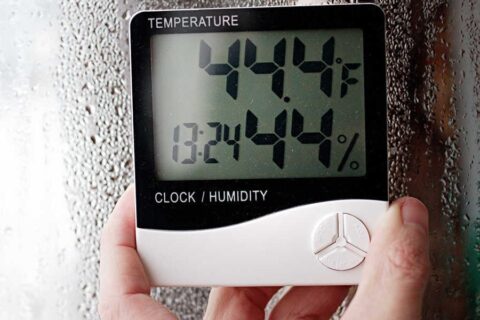
Key Takeaways
Keep an eye on your home humidity level with a hygrometer and humidistat, and try to maintain it between 30 percent and 40…
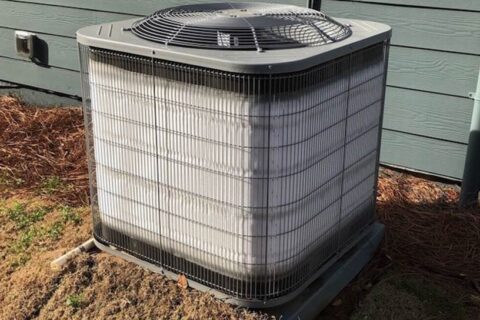
Key Takeaways
Inspect often for obstructed airflow, filthy filters, and coil pollution to avoid AC freezing and ensure optimal…