
Furnace Not Turning On? Here’s How to Troubleshoot the Issue
Key Takeaways
-
Begin your furnace not turning on troubleshooting by inspecting your thermostat settings, air filters, power supply, and condensate system for common problems.
-
Verify power by checking the circuit breakers and the furnace switch. Look for obvious electrical or fuel supply issues.
-
-
Replace or clean air filters.
-
Note furnace warnings, like blinking lights, error codes, and strange noises, and record these for clear communication to HVAC pros.
-
Think outside the box and consider environmental factors such as blocked vents, extreme weather, and pest intrusion as these can all impact furnace performance and safety.
-
Consult a professional if troubleshooting fails to fix the problem or for gas leaks, electrical issues, or enduring mechanical faults. Schedule routine maintenance for long-term reliability.
Furnace not turning on troubleshooting is troubleshooting when a furnace won’t turn on due to common causes such as power loss, thermostat errors or clogged filters.
I hear sound coming from my furnace but it’s not turning on. Basic stuff like a tripped breaker or clogged air filter usually solves the problem. More serious issues may require a professional.
The following sections provide concise steps and advice to assist in diagnosing and addressing the issue.
Initial Diagnostic Steps
When a furnace won’t light, a rational approach to diagnosis will save you needless repair costs. Many problems are caused by minor oversights or maintenance routines. Addressing these fundamentals first can save time and money.
-
Begin with the thermostat. Verify it is on “heat” and at a temperature above the present room reading. If the screen is blank or unresponsive, swap in fresh batteries. If you have wired thermostats, check for loose or damaged connections between the thermostat and furnace. Wrong settings or a faulty thermostat are common culprits for furnaces that won’t start.
-
Check your air filter. A clogged filter can block the air flow, causing your furnace to overheat or essentially shut down. Swap out disposable filters or clean washable ones accordingly. Filters must be checked once every four weeks, particularly at times of maximum use. Using the wrong size or type can impact performance, so always double-check compatibility prior to installation.
-
Look at the condensate system. Contemporary, high efficiency furnaces actually generate condensation that must be drained. Examine the condensate drain line. If the line is clogged, water can back up and trip a safety switch that halts furnace operation. Clean out the condensate pump if any, check for leaks and a dirty trap.
1. Power Supply
A furnace that won’t turn on almost always has a power issue. Begin by confirming the furnace circuit breaker is on and has not tripped. Reboot it if possible. Find the furnace switch, which is typically a regular light switch on the wall near the unit, and make sure it’s in the ON position.
Check the outlet by plugging a small appliance into the outlet. If you see any burnt wires or loose connections inside the furnace panel, turn the power off and call a professional.
2. Thermostat Settings
Thermostat issues are very common and easy to miss. Turn the dial to a temperature well above the room temperature and observe if the furnace reacts. Make sure it is on heat. If you have battery-operated thermostats, low batteries can cause failure, so replace them as a first step.
Survey wiring for any immediate failures that might be breaking the signal to the furnace.
3. Air Filters
Air flow is limited by dirty air filters and as a safety measure the furnace may shut down. Replace disposable filters or wash reusable filters. Consistent filter changes every 4 weeks are key to performance.
Selecting the appropriate filter dimensions and variety avoids airflow complications. Getting your HVAC units professionally inspected and cleaned annually will help you catch problems early.
4. Condensate System
Clogs in the condensate line are easy to overlook and can prevent the furnace from running. Inspect for blockages and dislodge them with a flexible scrub brush or by flushing with water. If your furnace has a condensate pump, clean that out and check for leaks.
A free, clean condensate trap is required for safe operation and to prevent lockout.
5. Fuel Source
A furnace requires an uninterrupted gas flow to operate. Verify that the main gas valve is open and the supply line is intact. Sniff around the furnace for natural gas odors, which may signify a leak.
If there is a leak or you think there might be a supply issue, shut the gas off and call your utility provider. Never attempt to repair a gas leak on your own.
Decoding Furnace Signals
Decode your furnace’s signals. These signs could be lights, error codes, or noises. Understanding what they mean is crucial for safe and rapid troubleshooting. Every furnace brand and model has different codes and signals, so peeking at the manual is crucial.
By looking for patterns to see what they’re telling you, you can help identify problems like ignition failure, vent blockages, or pressure switch faults. Observing and monitoring these signals will help you communicate precise information to a technician down the line.
-
Blinking lights often show error codes using a set pattern.
-
Error codes: numbers or light flashes for specific issues.
-
Noises: banging, squeaking, or hissing, each with unique causes.
-
Patterns: Repeated signals or sounds can point to ongoing faults.
Blinking Lights
The blinking lights on the furnace panel typically indicate that the furnace is attempting to communicate a code. The user manual tells you what each pattern means. One blink could mean a relatively simple problem like a dirty filter, but repeated or rapid blinking can indicate more serious issues like ignition failure or a clogged vent.
For instance, BLN error code 31 usually indicates venting problems or a bad pressure switch. Try to count the blinks and how fast they occur. If you recognize any blinking pattern, it corresponds to a fault code in the manual.
Resetting the furnace might just clear a basic issue. Kill the power or unplug it, wait five minutes, and then turn it back on. If the lights continue blinking post-reset or the pattern indicates a major fault, don’t hesitate to call in the pros.
Decoding Furnace Signals. Don’t open up the furnace or try repairs if you are unsure. Safety first!
Error Codes
Newer furnaces will usually display error codes on a small screen or with blinking lights. Record any codes you observe. Reference your manual or manufacturer’s website. Some codes indicate minor issues, such as an open pressure switch, while others, such as repeated lockouts, indicate deeper trouble.
Decode Furnace Signals. Research each code to find out if it is something simple, like a filter change, or if you need to call in the pros. Once you have recorded the code, resetting the furnace for a few minutes and then seeing if the issue returns helps.
If the code keeps popping up or if it indicates a serious malfunction, contact a licensed HVAC professional. This way you don’t put yourself in danger or potentially harm the system even more.
Unusual Noises
Furnace noises can reveal a great deal about what’s wrong. Banging frequently indicates loose panels. Squeaking could indicate a worn belt or bearing. Hissing can sometimes indicate a clogged filter or an air leak.
Listen to when the noise starts at startup or during normal running. Inspect inside your panels for loose parts or debris if you feel safe. Note when the noise occurs and what it sounds like.
These specifics assist a technician in locating and repairing the issue quicker. Even if the noise is consistent when the furnace runs, get it checked by a professional to prevent any damage or safety issues.
Inspecting Key Components
To troubleshoot a furnace that won’t turn on, check some of its key systems and parts for signs of failure or wear. Ignition, flame sensing, and blower performance are all crucial. Trouble in these zones is widespread and routine checkpoints keep them from starting.
It’s worth knowing that a clogged filter or an access panel that’s not fully closed can prevent the furnace from operating altogether.
Ignition System
Bad ignition systems are among the most common causes for a furnace to not start correctly. You should test the ignitor first. If it doesn’t spark or glow when the system demands heat, replace it.
Wiring can loosen or become damaged over time, so inspect all connections for fraying, corrosion, or loose ends. For gas furnaces, verify the pilot light is burning steady and blue. A weak or flickering pilot can prevent ignition.
Observe the ignition sequence from start to finish. Any skipping or delay may indicate a sensor or control board fault. If a furnace locks out after an unsuccessful ignition, it is time to check for tripped limit switches or failed components like the ignitor or circuit board.
Flame Sensor
The flame sensor should be cleaned, as dirt and soot absorb the flame and cause it to shut off. Wipe the sensor with a fine abrasive pad or cloth.
Once cleaned, check for continuity with a simple multimeter. No continuity means a bad part and it needs to be replaced. If cleaning and testing don’t fix it, replace the flame sensor.
Checking the flame is crucial. If it burns yellow instead of blue, it’s not properly combusting. That may indicate that the sensor isn’t reading the flame or there is unburned material, which is a hazard.
Blower Motor
|
Check/Action |
What to Do |
|---|---|
|
Visual Inspection |
Look for dust, loose wires, or worn parts |
|
Electrical Check |
Make sure contacts are tight and clean |
|
Lubrication |
Add oil to bearings if the model calls for it |
|
Operation Test |
Listen for noise, check for smooth running |
Loose wires or dirty contacts can make the blower run poorly or not at all. Bearings should be greased if the make and model require it.
A rough or noisy blower can indicate that the bearings or the motor are worn. Testing the blower in a heating cycle helps catch issues early. A good blower is essential to circulate warm air through the space.
Periodic inspections and filter replacements around every four weeks prevent clogged filters, yet another culprit behind furnace breakdown. Hold the filter to the light. If it won’t go through, change it.
Check if you forgot to close the furnace access panel or left the thermostat on an incorrect temperature or mode.
Safety Switch Tripped
One of the reasons why a furnace may not turn on is because a safety switch has been tripped. These switches are incorporated to shut down when there is a hazard, like overheating or airflow problems. These common switches are the limit switch, rollout switch, and door switch. All are instrumental in keeping the furnace safe.
If any of these trip, the furnace locks out and may not restart until the problem is corrected and the switch reset. Safety switches can trip from overheating, a malfunctioning component, or even just dirt. Occasionally, a tripped switch indicates a more serious issue, so it is important not to dismiss the alert.
Limit Switch
It’s that limit switch that keeps your furnace from overheating and shutting it down if it feels too hot. To test that it’s functioning, check for continuity with a multimeter. If the switch has no continuity, it might be stuck open and must be replaced.
Even a functional switch may trip if it’s coated with dust or debris, which chokes airflow or produces false readings. Clean around the switch and ensure there’s no residue. Keeping an eye on furnace temperature guards against the switch tripping too frequently, which can indicate additional airflow or other mechanical problems.
Rollout Switch
The rollout switch is a safety device near the burner. Its job is to detect if flames are spilling out of the burner area, an indication of blocked vents or heat exchanger failure. If tripped, inspect the switch for apparent damage or overheating.
Resetting the switch can restore function, but do not ignore why it tripped. Examine the venting for blockage. Birds, leaves, or debris may block vents and cause heat buildup. If the rollout switch continues tripping after the vents have been cleared, it is possible your heat exchanger is cracked. Change it if it is defective.
Door Switch
The door switch is a cut-off when the furnace panel or door is removed. If this switch is misaligned or has failed, the furnace will not initiate. Test the door switch for continuity to see if it is still functional.
If it does not let current through when pressed, replace it. Make sure the furnace door is always closed and latched to prevent a shutdown. A loose or open door could trip the switch and keep the furnace from operating.
Environmental Influences
Environmental factors are often overlooked when you’re trying to troubleshoot a furnace that won’t switch on. Weather, debris, pests, and even the local climate can alter your furnace’s performance and lifespan. By considering these, you get issues quicker and maintain your system secure and well organized.
Weather Impact
Outdoor temperatures dictate the speed for your furnace. In colder climates, the furnace has to operate more, harder, and longer, which can expose underlying problems or strain components. Being close to the ocean is unique; a salty, humid air blend can promote mold and bacteria growth inside ducts, so you could experience musty odors or uneven heating.
In milder climates, furnaces tend to turn on and off more frequently, which stresses controls and burners. Insulation inside the home is just as important. Bad insulation allows heat to escape, causing your furnace to work overtime. Additional heat loss signifies additional strain on components in motion.
Turn your thermostat to coincide with the weather, cold snaps in particular, to smooth out cycles and reduce stress. Two weeks before winter, it’s smart to have a tune-up. Maintenance checks can catch minor problems, such as worn belts or blocked filters, before they bring the system down.
Vent Blockages
Blocked vents are a straightforward, although frequent, cause of a furnace malfunction. Check all your vents and registers and see if there’s anything in the way, such as furniture, rugs, or even dust bunnies. Maintain a clear space of 60 centimeters at minimum around both the furnace and any outdoor unit.
Foliage, such as leaves or grass, or even a stray toy can be sucked into outdoor vents and clog up exhaust air. Winter snow and ice can coat outside vents, choking the flow and shutting the furnace down on a safety switch. Flush these areas following storms.
It’s a good habit to check your vents monthly, not just during the heating season. Simple things like regularly changing your furnace filter and ensuring that nothing is stored near vents can stave off many airflow problems and extend the life of your furnace.
Pest Intrusion
Pests can be more of a furnace nuisance than you might expect. Rodents, birds, or insects can nest in or around the system, obstructing airflow or chewing on wires. Pest signs include droppings, weird odors, or gnawed insulation. Even minuscule cracks in walls or surrounding vent pipes provide the bugs a means of ingress.
Seal off any holes or cracks you locate with mesh or weatherproof foam. If you already have an infestation, call a pest control professional to deal with it safely. Then inspect your furnace for damage. Wires, insulation, and other components may require repair.
Annual inspections and cleaning go a long way to catching those critter problems early, especially in wildlife-prone areas.
Professional Intervention
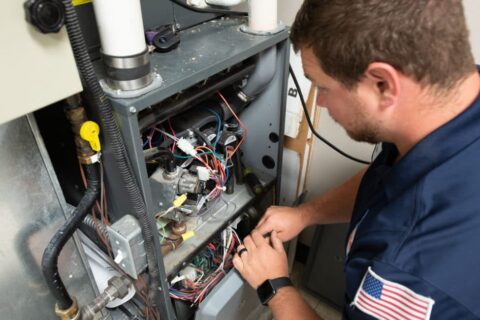
Certain furnace issues require professional attention to repair safely and properly. Attempting to fix them without the skills can actually make matters worse or pose a risk to people. Professional intervention is required for tricky fixes like ignition issues or circulation obstructions.
Professionals possess the proper equipment and expertise to identify and repair damages quickly, reducing downtime and stress. In certain areas, only certified professionals may handle specific repairs in order to comply with safety regulations. Most homeowners lack the equipment or expertise for these tasks, making professional assistance not just wise but required.
Addressing significant issues immediately with a professional can prevent more extensive, expensive fixes or replacements down the line. Sometimes what appears to a mere mortal as a superficial problem is indicative of something deeper, and only a professional can uncover where the real root lies and intervene. If your furnace is out of warranty, a pro can provide the optimal long-term solution as well.
Situations where professional intervention is recommended:
-
Any gas leak or electrical hazard
-
Complex repairs, such as ignition or airflow problems
-
Persistent error codes after basic troubleshooting
-
Unusual or loud noises from the unit
-
Repeated system failures or no heat at all
-
Problems with the control board or wiring
-
The system is no longer under warranty
When to Call
Call a pro if these simple troubleshooting techniques don’t get your furnace going again. If you notice error codes that persist or hear unusual noises such as banging, grinding, or screeching, contact a professional. These indicators may signal underlying issues requiring specific tools or expertise.
If you suspect a gas leak or see some burned wires, don’t even attempt to repair it. Walk out and bring in a professional. Professional Intervention can stop trouble before it even gets started with annual inspections by a licensed expert. These checks protect your furnace and prepare it for peak usage. For the majority of households, this translates to a reduced likelihood of an unexpected failure during the winter months.
What to Expect
A pro will inspect your furnace and all critical components, such as the heat exchanger, blower motor, and safety switches. They inspect for wear, grime, leaks, and loose wiring. Post-check, they provide a complete update on what they discover and what repairs or components your furnace requires.
We’re always transparent about costs and timelines. We explain them up front so you know exactly what to expect. Technicians provide personalized advice based on your furnace model and usage, keeping it humming.
Maintenance Value
|
Benefit |
Impact |
Example |
|---|---|---|
|
Lower costs |
Fewer big repairs needed |
Replace small parts before they fail |
|
Better efficiency |
Less energy used, lower bills |
Clean filters, clear vents |
|
Longer lifespan |
Unit works well for more years |
Regular tune-ups |
|
Healthy air |
Fewer dust/allergens indoors |
Inspect and clean ducts |
Annual screenings catch minor issues while they’re still minor. Routine maintenance makes your furnace last, so you won’t have to replace it anytime soon. Even easy actions such as dusting or swapping out filters can render your home cozier and the air safer to inhale.
Conclusion
Furnace not turning on can really put a damper on any day. Quick power, gas, and settings checks can save you time. Flickering lights or weird codes provide hints. Check the filter, flame sensor, and thermostat for easy solutions. Safety switches don’t trip for nothing, so look for obstructions or open doors. Cold air or dust can interfere with things. If these don’t do the trick, call a pro. Experienced techs are quick and safe. No more guesswork or risking damage. To keep your home warm and safe, be on the lookout for small changes. For any suspicion of trouble, call in a pro. Get a head start and keep heat consistent.
Frequently Asked Questions
Why is my furnace not turning on even though the thermostat is set?
Make sure your thermostat has power and is set to ‘heat.’ Swap batteries if necessary. Ensure the temperature is higher than room temperature. If it persists, a pro should take a look at the wiring.
How do I know if the furnace safety switch is tripped?
Nearly every furnace has a safety switch around the access panel. If this panel is open or the switch is out of position, your furnace won’t turn on. Shut the panel securely for the switch to activate.
What should I check first if my furnace does not start?
Begin with the basics: power, thermostat, and circuit breaker. Check that the furnace switch is on and the air filter is clean. These are easy things to check that frequently fix the issue.
Can dirty filters prevent my furnace from turning on?
Yeah, dirty air filters can choke airflow and force the furnace to shut off. Swap or clean filters every one to three months to keep things running.
Could environmental factors affect my furnace operation?
Indeed, blocked vents, closed registers or items near the furnace can limit the airflow. Extreme cold can freeze any fuel or gas lines, thereby disrupting furnace operation.
When should I call a professional for furnace issues?
Call a professional if you hear odd sounds, detect the scent of gas, or if basic troubleshooting doesn’t fix the problem. Expert assistance guarantees safety and proper repair.
What do furnace indicator lights mean?
Furnace indicator lights or error codes aid in diagnosing issues. Check your manual for codes. Flashing or colored lights can be tricky and need to be diagnosed by a professional.

Key Takeaways
Make sure your thermostat is set to heat and that the temperature selected corresponds with your requirements. This is the…
Key Takeaways
Furnace short cycling causes include airflow restrictions, thermostat problems, overheating, and furnace size. All of these…