Greywater Recycling Systems and Their Benefits
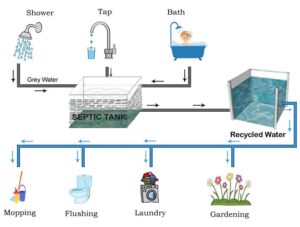
A greywater recycling system captures gently used water from showers, bathtubs, bathroom sinks, and clothes washers, then filters and redirects it for landscape irrigation or toilet flushing instead of sending it straight to the sewer. It does not include water from toilets or kitchen sinks, which is classified as blackwater. On Colorado’s semi-arid Front Range, a properly permitted system can noticeably stretch a household’s water supply through hot, dry summers.
Greywater reuse is legal in Colorado only where the local jurisdiction has adopted a graywater ordinance under the state’s Regulation 86, and any system ties directly into your home’s drain-waste-vent plumbing. That makes installation a job for a licensed plumber rather than a weekend DIY project. The sections below explain how these systems work, what they cost, and exactly what Parker-area homeowners should confirm before moving forward.
What Is Greywater Recycling?
Greywater is the relatively clean wastewater that drains from non-toilet fixtures – showers, tubs, bathroom lavatories, and washing machines. It typically carries soap, hair, lint, skin cells, and small amounts of dirt, but not the pathogens found in toilet water. Because it is far less contaminated than blackwater, greywater needs only light treatment before it can be safely reused for non-drinking purposes such as watering a yard.
Greywater vs. Blackwater
The distinction matters for both plumbing and code. Blackwater from toilets and kitchen sinks contains fecal matter, food waste, and grease, so it requires full sewage treatment. Greywater can often be reused with simple filtration and, for subsurface irrigation, no chemical treatment at all. A greywater system keeps these two streams separate, which is why retrofitting an existing home usually means re-routing specific drain lines rather than replacing the whole system.
How a Greywater Recycling System Works
Collection
A plumber re-plumbs the drains from qualifying fixtures – most commonly the clothes washer, showers, and bathroom sinks – so their output flows to a diverter valve instead of the main sewer line. The diverter lets you send water to the greywater system or, with the flip of a lever, back to the sewer when you are using harsh cleaners, running a heavily soiled load, or shutting the system down for winter.
Filtration and Treatment
Collected greywater passes through a filter that removes lint, hair, and larger particles that would otherwise clog irrigation lines. Simple laundry-to-landscape setups rely on a mesh or cartridge filter and gravity. More advanced systems add a settling tank, a pump, and sometimes a sand or media filter. Systems that supply water for indoor toilet flushing go a step further with disinfection, usually chlorination or UV light, to meet health standards.
Storage and Distribution
Treated greywater is either used quickly or held in a storage tank. Untreated greywater should not sit for more than about 24 hours, since bacteria multiply and odors develop, so basic systems distribute water to the landscape the same day. A typical residential storage tank holds 50 to 300 gallons; larger properties may use tanks in the 200 to 500 gallon range. From there, water moves by gravity or a small pump – usually running at low pressure, well under normal household supply psi – out to buried drip lines or mulch basins.
Benefits of Greywater Recycling on the Front Range
The Denver metro sits in a high, semi-arid climate that averages only about 15 inches of precipitation a year, and outdoor watering can account for more than half of a household’s summer water use. Reusing greywater for irrigation directly offsets that demand.
- Lower water bills. Every gallon of shower or laundry water sent to the yard is a gallon you do not buy from the utility, which adds up quickly during Parker’s dry July and August.
- Resilience during watering restrictions. When summer drought triggers day-of-week or time-of-day watering rules, a greywater system keeps trees and shrubs alive on water you have already paid for.
- Reduced strain on infrastructure. Diverting greywater to the landscape means less flow to the municipal sewer and treatment plant.
- Healthier landscape. A steady, gentle supply of subsurface water helps establish trees and perennials that struggle in Colorado’s fast-draining, sandy-clay soils.
What Greywater Systems Cost
Cost depends almost entirely on complexity. A basic laundry-to-landscape system – which taps only the washing machine and needs no cutting into other drain lines – is the most affordable option, often installed for a few hundred dollars up to about $1,500. A branched-drain gravity system that gathers water from showers and sinks and feeds mulch basins generally runs higher because it involves more plumbing. Pumped and filtered systems, and any system treating water for indoor toilet use, are the most expensive because of the tanks, pumps, filtration, and disinfection involved.
Weigh those upfront numbers against long-term savings, and factor in maintenance: filters need periodic cleaning, and any pump or valve will eventually need service. In hard-water areas like the south metro, mineral scale can shorten the life of filters and small components, so plan for that upkeep when you budget.
Colorado Rules and Cold-Weather Considerations
Permits and Local Ordinances
Colorado regulates greywater under Regulation 86, but that state rule only takes effect locally when a city or county adopts its own graywater ordinance. Not every Front Range jurisdiction has done so. Before you invest, confirm with your local building department – the Town of Parker, Douglas County, or the relevant authority for Castle Rock, Castle Pines, Centennial, or Highlands Ranch – whether greywater systems are currently permitted and what the rules allow. Where they are permitted, use is generally limited to subsurface irrigation and toilet flushing, with no spraying or surface pooling.
Freeze-Thaw and Winterization
Front Range winters make greywater largely a warm-season strategy. Irrigation lines, filters, and above-ground tanks can freeze and crack when temperatures sit below 32°F for extended stretches. Most local systems are built with a diverter so the household can send greywater back to the sewer through the winter, then drain and winterize the irrigation side. A plumber can position the pump and any storage tank indoors or below the frost line to reduce freeze risk.
Hard Water and Maintenance
Denver-area water is hard, and greywater carries that mineral load plus soap. Choosing plant-friendly, low-sodium, and low-boron soaps protects both your landscape and your filters, and it keeps scale from building up in valves and drip emitters. Routine filter cleaning and an annual system check keep everything flowing at the right rate.
Types of Greywater Systems
- Laundry-to-landscape. The simplest and most common retrofit. The washer’s drain hose feeds a diverter and a network of tubing to mulch basins, usually with no permit-heavy plumbing changes.
- Branched-drain gravity. Shower and sink drains are re-routed to gravity-fed outlets that distribute water across the yard. No pump and low maintenance, but more involved plumbing.
- Pumped and filtered. A collection tank, pump, and filtration deliver greywater under pressure, useful for larger or uphill landscapes.
- Treated for reuse. Adds disinfection so water can be used indoors for toilet flushing. The most complex option and the most tightly regulated.
Frequently Asked Questions
Is greywater safe to use?
Yes, when the system is designed and used correctly. Greywater applied below the surface for irrigation poses little risk, since it never pools where people or pets come into contact with it. Systems that supply water for toilet flushing include disinfection to meet health standards. Using low-sodium soaps and cleaning filters on schedule keeps both the water and your landscape healthy.
Can I install a greywater system myself?
Because a greywater system reroutes drain-waste-vent plumbing and must comply with local code, it should be installed by a licensed plumber. Improper cross-connections can contaminate your potable supply, and unpermitted work can fail inspection or leave you with a system you cannot legally use.
Will a greywater system work in Colorado’s cold winters?
The plumbing works year-round, but the irrigation side is typically a warm-season operation. Most Front Range homeowners divert greywater back to the sewer and winterize the outdoor lines once hard freezes arrive, then restart in spring.
How much water can I actually save?
Savings depend on household size and how much of your greywater you can put to use, but showers and laundry are among the largest indoor water uses, and outdoor irrigation is the largest overall in summer. Redirecting that water offsets a meaningful share of a Parker household’s peak-season demand.
Talk to a Licensed Parker Plumber
A greywater recycling system can be a smart, water-wise upgrade for a Front Range home, but it only pays off when it is designed for our climate, plumbed correctly, and permitted under local rules. The team at 1st Choice Pro Services is licensed, bonded, and insured, and works with homeowners across Parker, Castle Rock, Castle Pines, Centennial, and Highlands Ranch. Call 303-841-1448 to talk through whether a greywater system is a good fit for your property and how to do it right.

Key Takeaways
Moving your sink to an island increases your kitchen’s workflow by centralizing prep and clean-up, diminishing perimeter…
Key Takeaways
Understand typical issues such as drain clogs, incorrect installation, and pump or hose malfunctions to target fixes where…