
Heat Pump Performance in Castle Rock, Colorado Cold Snaps
Key Takeaways
-
Heat pumps lose heating capacity as outdoor temperatures drop and Castle Rock’s high elevation limits the heat energy available. Anticipate diminished efficiency during swift cold snaps and strategize for extra heat as temperatures near your unit’s lower operating threshold.
-
Thin air at higher elevations decreases air density, which can decrease air flow and increase static pressure in ductwork. Check that ducts are properly sized and balanced and inspect for leaks to keep your system running efficiently.
-
Frequent defrost cycles and frost buildup on outdoor coils temporarily reduce heating output and increase energy consumption. Keep coils clean, watch defrost frequency, and clear snow and ice after storms.
-
Know your system’s thermal balance point and when backup heat will come on by performing a professional load calculation, or use dual-fuel or hybrid to have your system automatically switch over to a more efficient backup during the coldest days.
-
Thermostat and airflow tips to maximize heat pump performance include avoiding big setbacks, setting thermostats to heat pump mode, using programmable or smart controls, changing filters regularly, and keeping vents and outdoor clearances free.
-
Get ready for local challenges like quick temperature drops, strong winds, and intense sun by insulating your home, putting up wind barriers if necessary, tracking indoor humidity with whole-home humidification, and maintaining your system before winter.
Heat pump performance in Colorado cold snaps for Castle Rock homes outlines how new heat pumps maintain house temperatures in temporary extreme cold. Variable-speed compressors and cold-climate refrigerants allow some systems to maintain greater output at below freezing temperatures. Well-insulated, properly sized equipment and back-up electric resistance or gas support enhance reliability. Local installers recommend at least annual tune-ups and airflow checks, which help maintain rated capacity and reduce energy use during multi-day freezes.
Cold Snap Mechanics
Cold snaps in Colorado introduce sudden outdoor temperature decreases that immediately challenge heat pump capacity and control. Castle Rock homes experience drastic swings over short periods, which can drive a heat pump beyond its intended output. The interplay of sudden low temperatures, higher elevations, and extended frosts alters if and when a system can achieve indoor setpoints and frequently necessitates supplemental heat.
1. Heat Extraction limits
As it gets colder outside, the heat available for the outdoor coil to scoop up decreases, so the heat pump outputs less hot air into the house. Cold snap mechanics efficiency numbers drop as temperatures cross thresholds. Some units dip sharply below approximately minus five degrees Celsius, while others do so sooner depending on design. If the unit is too old or sized too small for the home, it will hit its peak quicker and might not maintain rooms at the thermostat setpoint selected. Monitor the unit’s listed minimum operating temperature and observe your indoor temperatures. When the unit is approaching that cut-off, schedule some supplemental heating.
2. Air Density Losses
Castle Rock’s higher altitude means thinner air and fewer air molecules to hold thermal energy, which reduces the system’s potential heat capture. Lower air pressure changes air flow patterns in ducts and over coils, occasionally decreasing airflow delivered. This can increase static pressure in the system, causing blowers to work harder and decreasing long-term efficiency. Cold Snap Mechanics Check duct sizing, add balancing dampers if needed, and confirm fan curves match actual operating conditions to limit these losses.
3. Defrost Cycle Demands
When outdoor coils ice over, the heat pump goes into defrost mode to melt frost, which temporarily reduces heating capacity. In cold wet stretches, defrost cycles could run more frequently, increasing energy consumption and operating expenses. Defrost generally relies on electric resistance or reversible-cycle runs, both less efficient than normal heating. Keep coils clean, refrigerant properly charged and defrosting at the right intervals, and you can detect oddball patterns that signal a service requirement.
4. Thermal Balance Points
The thermal balance point is where the heat pump’s output matches the home’s heat loss. In Castle Rock, that tipping point occurs at a slightly colder outdoor temperature than at sea level due to altitude effects on extraction. Knowing that point helps predict when backup heat has to kick in. A load calculation, not rule-of-thumb sizing, provides the true balance point for each house.
5. Backup Heat Reliance
Most local systems employ backup heat—gas or electric—in deep cold. Backup use drives up annual energy spend and reduces system-wide efficiency if it runs frequently. Consider dual-fuel configurations to toggle fuels by price and carbon intensity. Keep both systems honed so they work when called upon.
Local Operational Challenges
Castle Rock’s combination of high altitude, intense sun and quickly shifting weather conditions puts unique requirements on heat pumps. Systems contend with mild daytime warmth, cold nights, cold fronts and gusty conditions that challenge outdoor units and indoor comfort control. The subheadings below delineate the key operational issues and concrete actions homeowners can take.
Rapid Drops
Cold snaps can overload a heat pump’s capacity to remove heat, resulting in short cycling or extended run times without attaining setpoint, increasing mechanical stress and power consumption. Maintain thermostats at a constant temperature instead of forecasting them to follow the temperature. Small, consistent setbacks of 2 to 3 degrees Celsius reduce system stress more than wide swings. Improve the building shell by adding attic insulation, using low-emissivity window films or storm windows, and weather-stripping doors to slow the heat loss that makes the heat pump work harder. Monitor indoor conditions during predicted cold fronts. If rooms dip below comfort, increase the setpoint slightly and allow the unit time to level out instead of making big, quick changes.
High Winds
Strong winds disrupt the airflow around the outdoor unit and can cause cold air to be blown directly into return intakes or force pressure differences that suck conditioned air out through cracks. Limiting airflow around the condenser decreases heat transfer and causes extended runtimes. If you experience local operational challenges, this can include installing wind barriers, baffles, or a low fence to block direct wind while maintaining at least the manufacturer’s clearance for airflow and servicing. Wind-driven leaks at windows, doors, and other penetrations increase heating demand and can generate spiky heat profiles. Check for drafts and seal with caulk, foam, or weather-stripping where appropriate. Inspect vents and exhaust openings for backdrafting after windy storms.
Frost Accumulation
Frost and rime on outdoor coils are common whenever cold, moist air meets a running heat pump. Ice impedes heat transfer and can trigger energy-wasting defrost cycles. Check the outdoor unit after snow or freezing rain and softly brush away snow, slush, and ice with a soft brush. Don’t use sharp tools that can damage the fins. Maintain a clearance of at least 0.5 to 1.0 meters from shrubs, leaves, and debris in order to ensure proper airflow throughout the year. Below is a simple maintenance table showing tasks and how often to do them:
|
Task |
Frequency |
|---|---|
|
Visual outdoor unit check (clear snow/ice) |
After each snow or weekly in winter |
|
Seal drafts around doors/windows |
Annually or after heavy wind events |
|
Clean/replace filters |
Every 1–3 months |
|
Professional system tune-up (including refrigerant check) |
Annually before winter |
Dual-Fuel Advantage
Dual-fuel systems combine an electric heat pump with a gas furnace so that each can do what it does best. The heat pump operates while external temperatures are warm enough to yield heat, and the furnace assumes the load when the heat pump becomes inefficient during Colorado cold snaps. This configuration seeks to maintain indoor temperatures constant with the least cost possible energy source at any time.
How the automatic switch works and why it matters
A control board or thermostat tracks outside temperature and the relative price or efficiency of each heat source. Setpoints tell it when to swap. For instance, a lot of systems switch over at about -5°C to -1°C (23°F to 30°F), but the specific point varies based on heat pump capacity, furnace efficiency, and local fuel costs. When the heat pump continues to deliver more heat per unit of electricity than the alternatives, it remains on. After that, if it requires too many defrost cycles or runs at too low of coefficients of performance, the controller flips over to the gas furnace. That automatic selection relieves cold-weather pressure on the heat pump and sidesteps elevated electricity consumption when the furnace can deliver heat more economically.
Cost and comfort outcomes in practice
Castle Rock homes tend to have lower yearly heating bills with a well-sized dual-fuel system than a heat pump-only approach in frigid winters. During a short, cold snap, the furnace maintains comfort more rapidly, as the heat from combustion heats indoor temperatures more rapidly in many systems. Over an entire season, homeowners can save when electricity is expensive in the winter or when older heat pumps fall short below their balance point. For example, a household with a modern cold-climate heat pump might use the heat pump through most of the season and still benefit from a furnace during multi-day dips below -10°C (14°F). Tuning, local fuel prices, and insulation dictate actual savings.
What to compare when choosing a dual-fuel setup
-
Heat pump heating capacity at low outdoor temperatures (kW at °C)
-
Furnace AFUE and anticipated run-time in cold snaps
-
Control logic and thermostat compatibility for smooth switching
-
Local electric versus natural gas rates and time of use.
-
Installation layout: single-duct, shared air handler, or separate systems
-
Maintenance needs and service access for both units
-
Noise, footprint, and venting requirements in tight lot homes
Efficiency Optimization Tactics
Heat pumps in Castle Rock experience brief, hard cold snaps that put a strain on system efficiency. These efficiency optimization tactics emphasize actionable steps homeowners can implement to maintain heat pumps in tip-top condition, minimize energy waste, and prevent undue wear during the cold.
Thermostat Management
-
Steer clear of big slumps. Big drops send the heat pump into extended recovery cycles and can activate expensive resistance heat. Keep setbacks small. A range of 3 to 4 degrees Celsius (5 to 7 degrees Fahrenheit) is a much safer margin for recuperation without serious backup running.
-
Employ smart thermostats. Use room occupancy schedules and connect with local weather. Smart units can pre-heat in anticipation of predicted temperature drops and minimize runtime during warmer spells. Certain models provide adaptive learning and could restrict backup warmth utilization.
-
Here are my heat pump. This keeps the system from defaulting to electric strip heat when outdoor temps drop unless absolutely necessary. Make sure your thermostat and system wiring are set up so stages operate properly.
-
Track indoor humidity. Cold Colorado air is dry, and low humidity feels colder and encourages higher setpoints. Utilize a humidifier or thermostat to hit that sweet spot in comfort without cranking up the heat beyond what is needed.
Airflow Maintenance
Don’t block vents. Blocked supply or return vents cause pressure imbalances and under-heated rooms, which means longer run times. Move furniture and rugs away from registers. Change filters every month in peak season. A clean filter minimizes fan power and maintains heat transfer efficiency. Use filters rated for your system. High-MERV filters limit airflow unless the blower is sized for them. Check ducts for leaks. Cracks and disconnected ducts exhaust heated air into unheated areas. Seal with foil tape or mastic and insulate ducts in unconditioned attics. Think pro duct balancing. Technicians have the ability to tweak dampers and registers to balance and equalize flow, which helps eliminate cold spots and short cycling in rooms farther from the unit.
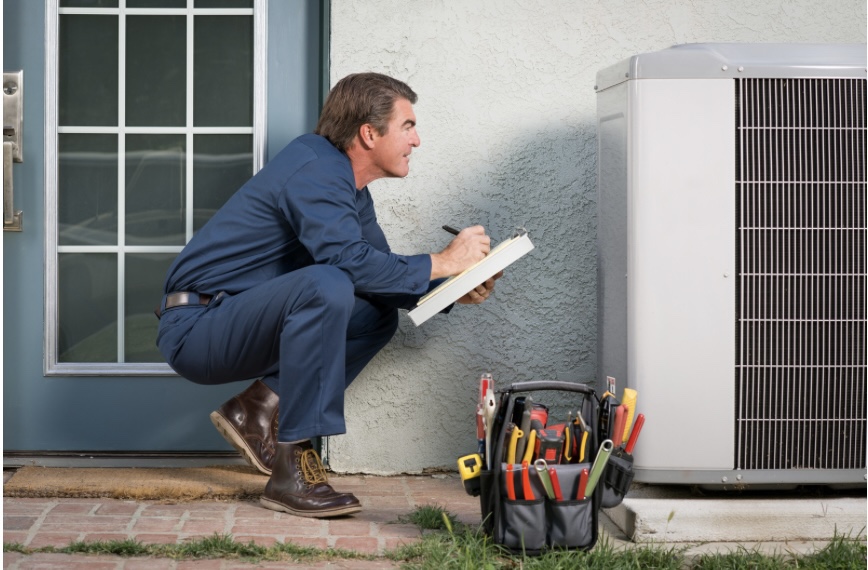
Outdoor Clearances
Keep 18-24 inches clearance around the outdoor unit for airflow and service. Shovel snow and debris right away. After storms, brush away snow, leaves, and ice from around the base and sides to avoid coil blockage and frost buildup that block heat transfer. Cut brush. Maintain shrubs and branches trimmed back to prevent airflow being hindered near coils. This decreases the amount of debris that can trap moisture and freeze. Drain it well. Ensure gutters and downspouts push water away from the unit, as water pooling or melt that refreezes at the base can create ice that impedes fan operation and damages components.
Critical System Sizing
It’s the basis of dependable heat, Minnick, that’s why we take such care with defining system sizing. Load calculations need to account for local climate data and elevation, which impacts air density and home specific elements like insulation, windows, air leakage, and number of occupants. Critical System Sizing – Use a Manual J or equivalent calculation rather than rule-of-thumb sizing. For instance, two otherwise identical houses at different elevations can require different heating outputs because thinner air decreases heat conduction and solar gain fluctuates with exposure. A proper load calculation indicates peak heat loss in watts or kilowatts for the worst-case outdoor temperature, which informs the nominal capacity selected.
That’s the problem with oversized and undersized units — they both cause problems. An oversized heat pump will hit setpoint, then cycle off frequently, called short cycling. Short cycling increases wear, reduces efficiency, and exacerbates humidity control in shoulder seasons. An undersized unit runs nearly non-stop during cold snaps, can sometimes not even achieve setpoint and can depend on backup electric resistance heat, which is expensive in kilowatt-hours energy units. Both results drive up life-cycle cost and damage comfort. Select a unit whose capacity at the Castle Rock design temperature comes closest to the calculated heat loss, taking into account the heat pump’s inherent rated-capacity drop at low outdoor temperatures.
Heating and cooling requirements both count when it comes to comfort in all seasons. A unit whose size is determined by peak winter load may overcool in summer, while one sized to summer peak may underperform in winter. Balance this by comparing seasonal performance metrics: heating seasonal performance factor (HSPF) and coefficient of performance (COP) at relevant outdoor temperatures, and seasonal energy efficiency ratio (SEER) for cooling. Critical system sizing involves variable-speed compressors and multi-stage systems. They provide much better part-load efficiency and tighter temperature and humidity control throughout the seasons. Take critical system sizing for instance. A two-stage system can operate at low capacity during the majority of winter nights and ramp up for extreme cold, significantly reducing cycling and energy consumption.
Documentation needed to compare system efficiency:
-
Manufacturer capacity versus outdoor temperature performance curves (metric units).
-
COP or HSPF information and SEER ratings along with test conditions.
-
Part-load performance or system control maps for variable-speed models.
-
Certified lab test reports or third-party ratings (for example, AHRI) and installation manuals.
-
Detailed Manual J load calculation and proposed equipment schedule.
Specify installation details in the proposal: refrigerant lineset lengths, indoor coil match, defrost control strategy, and backup heat integration. Right sizing, transparent documentation, and matched components lead to predictable performance during those Colorado cold snaps.
Unconventional Winter Insights
Colorado’s fierce winter sun supplies heat gain measurable enough even on cold days and that counts for Castle Rock homes with heat pumps! South- and west-facing windows can contribute valuable kilowatt-hours of free heat when sun angles are good, reducing heat pump runtime at peak day hours. A solar-tight schedule that allows daytime gains to warm living spaces then depends on the heat pump at night, which can reduce electrical consumption. Easy behaviors, throwing open the blinds on sunny days, dropping thermal curtains at night, and moving chairs away from cold walls convert passive solar from a haphazard plus to a reliable source of supplementation.
Colorado’s dry outdoor air still alters the indoor comfort equation in winter. Low indoor humidity causes rooms to feel cooler than the thermostat temperature, prompting people to crank up the setpoint and burn more energy. Dry air increases static shocks and dries skin and wood furniture. Heat pumps blow warm, dry air if the house has no moisture sources. By tracking indoor relative humidity using a small hygrometer, I can see for myself when it dips below 30 percent — the moment when we typically feel the irritation. Aim for 30 to 40 percent in winter, which strikes a balance between comfort and condensation risk.
Whole-home humidifiers deliver consistent humidity management connected to the furnace and they’re a nice addition to Castle Rock homes in the dead of winter. Bypass or fan-powered units tied in with the heat pump ductwork maintain humidity even between rooms and prevent localized over-humidification that results in mold in cooler corners. Set your humidistat to keep the humidity in that 30 to 40 percent sweet spot and inspect the unit once a month for water flow and scale, which is important if you’ve got mineral-heavy municipal water. Portable humidifiers assist smaller rooms, but they are maintenance-heavy and can cause humidity spikes unevenly.
Attic and crawlspace insulation have a disproportionately large impact on heat pump performance. Heat shed through an under-insulated attic increases the heat pump’s burden and lengthens runtimes during cold snaps. Check insulation levels and air leaks around chimneys, can lights, and attic hatches. In crawlspaces, install a ground vapor barrier and insulate rim joists to minimize cold conduction into the ductwork. Seal air leaks at penetrations and duct joints. Leaky ducts in unconditioned spaces can squander up to thirty percent of the system’s output. Insulating to the recommended R-values for your climate zone and sealing air paths often pays back faster than more complicated HVAC upgrades.
Conclusion
Heat pumps in Castle Rock cold snaps. Newer models heat houses to lower temperatures and reduce energy consumption. Match equipment size to house load. Complement with a backup gas furnace for the coldest nights. Better insulate, seal up drafts, and increase thermostat setbacks a couple of degrees to reduce load. Employ a weather-sensitive defrost cycle and maintain outdoor units free of snow and ice. Track performance with a simple energy monitor or smart thermostat. For homes with extended cold snaps, opt for cold-rated models and schedule yearly inspections by a local technician. These tips help maintain comfort and lower bills. Prepare to redo a system check. Book a local consultation or ask for model suggestions for your house.
Frequently Asked Questions
How do heat pumps perform during Colorado cold snaps in Castle Rock?
Heat pumps work down to around -15 to -20 °C, but performance decreases as outdoor temperature drops. New cold-climate models stay comfortable by deploying more compressor work and backup heat when necessary.
Should Castle Rock homeowners install a cold-climate heat pump?
Yes. Cold-climate heat pumps are ideal for those lower temperatures and can reduce heating expenses compared to electric resistance. Choose cold-rated models and combine them with adequate insulation.
What is a dual-fuel system and why is it useful here?
A dual-fuel system combines a heat pump with a gas furnace. The heat pump operates in light cold and the furnace fires during extreme cold. This maintains efficiency while guarding against comfort loss during long cold snaps.
How can I optimize heat pump efficiency in winter?
Keep a consistent thermostat, seal drafts, add insulation and keep up with maintenance. Clearance for your outdoor unit In a Colorado cold snap, warm air can become trapped under or behind the outdoor unit causing it to freeze.
How important is correct heat pump sizing for Castle Rock homes?
Proper sizing is crucial. A unit that is too small chokes in cold snaps, while one that is too large cycles too frequently. Apply a professional load calculation based on Castle Rock’s climate and your home’s envelope.
Will defrost cycles or icing make my heat pump unreliable?
Defrost cycles will temporarily reduce output but are normal. Installation, airflow, and cold-climate models all help minimize icing and keep your system reliable in the winter.
When should I consider backup or emergency heating?
Backup if temps regularly fall below the heat pump’s sweet spot or during multi-day cold snaps. Backup keeps you safe and comfortable and safeguards your home’s piping and systems.
Key Takeaways
Mineral buildup, corroded pipes, partially closed valves, hidden leaks, supply peaks, and faulty pressure regulators are the…
Key Takeaways
By detecting leaks early, check for puddles, warped flooring, musty odors or diminished ice and dispenser flow. You can react…