
Hidden Costs of Delaying Water Main Replacement
Key Takeaways
-
Delaying water main replacement can lead to rising repair bills, costly water damage, and higher monthly water bills due to undetected leaks.
-
Newer pipes and materials made to withstand various environmental factors are less susceptible to corrosion and shifting terrains. This vulnerability makes sudden failures in LA’s highly-variable soil and seismic conditions much more likely.
-
Neglecting minor routine maintenance and early warning signs can lower your home’s value and lead to costly landscaping or structural damage.
-
Soaring costs of inaction Failing water infrastructure can shutter local businesses, strain emergency services, and threaten the community’s water quality and public health.
-
Proactive steps like regular inspections, staying informed about your property’s plumbing system, and budgeting for timely upgrades help avoid emergency situations and costly surprises.
-
Collaborating with fellow residents and municipal leadership on proactive infrastructure investments helps protect against service interruptions and strengthen resilience for future generations.
Water main replacement: the hidden costs of waiting come from both rising repair bills and damage risks in U.S. Homes. As water mains age, they become more susceptible to cracking and leaking. This may result in increased residential water bills, flooding on our streets, and even mold in our homes.
The longer a full replacement is delayed, the more costs rise over time, from stopgap measures to emergency maintenance and damage to private property. Additionally, in cities such as Los Angeles, water main breaks can lead to significant secondary impacts from road closures and business interruptions.
Though initially undetectable to homeowners, leaks can quickly escalate as they increase in size due to aging infrastructure and ground movement. We’ve got the hidden costs all broken down! In upcoming pages we will explore costs, dangers and how waiting takes a toll on quality of life and community finances.
Why Water Mains Degrade Over Time
While water mains are performing their functions largely out of sight, plenty of factors can eat away at them over time. Numerous factors affect the lifespan of these pipes. Age, material, local soil, and weather do make a real impact. Understanding what degrades water mains over time is the first step to identifying issues before they become expensive emergencies.
Age: The Unseen Enemy
Start with the Age of Your Water Main. Pipes laid down prior to the 1970s require additional oversight. The older the pipe, the more likely a leak or break will occur, and the repairs become increasingly expensive.
Additionally, older water mains may not be able to withstand today’s levels of excessive water use and operational pressure. It’s always better to plan for upgrades in advance.
Material Matters: Pipe Vulnerabilities
Not all pipes are created equally. Despite its decades-long dominance, cast iron rusts easily. Protecting Public Health is crucial, as lead pipes are known to corrode and leach, increasing health risks.
Although plastic pipes are lightweight and straightforward to install, after decades buried underground, they can warp, develop fissures, or allow tree roots to penetrate. Transitioning to newer, tougher materials reduces the need for future replacements and helps improve the quality of the water flowing through pipes.
Corrosive Soil and Its Impact
Soil that is high in salts or acids, for example, can quickly corrode metal pipes. This increases the rate of corrosion, leading to leaks and sometimes even bursts.
Having your soil tested, and adding protective barriers were a couple of ways to slow this down. You should plan on spending more for repairs if your pipes are located in such soil.
Ground Movement and Pipe Stress
Ground movement, like that from shifting soil, earthquakes, or even local construction, exerts forces on pipes below the ground. This can either create cracks in the pipe or dislodge joints, resulting in leaks that can gradually increase.
Thorough evaluations and increased support in high-risk locations are key to maintaining system integrity.
Harsh Weather’s Hidden Toll
Whether it’s heat waves, wildfires, or hard freezes, each one stresses your water mains. Insulating pipes and actively planning repairs ahead of the harsh winter months can prevent dangerous breaks.
Wildfires have the potential to damage or compromise mains, so timely inspection after these occurrences is crucial.
The Real Price of Procrastination
Postponing water main replacement isn’t just a nuisance. Those hidden costs begin accruing the moment repairs are delayed. The ripple effect extends from costly emergency bills and property damage, to increased water bills and even decreased property values. All of these costs can surprise even the most prepared person. This is particularly the case for residential and commercial building owners and managers in Los Angeles, where aging infrastructure is rampant and water costs are steep.
1. Escalating Emergency Repair Bills
Putting off repairs often means one thing: bigger, more urgent problems later. Emergency repairs can be up to 40% more expensive than planned maintenance work. When pipes burst, you have no choice but to pay plumbers at premium rates, and often you need the work done after hours.
If you follow the history of any single repair bill, you’ll notice a trend—delays always increase the final cost. It’s really good sense to maintain a budget for maintenance. No budget can provide for sudden emergencies without proactive care.
2. Extensive Water Damage Costs
Unaddressed leaks can damage walls, floors and foundations. Restoration work adds up quickly—consider mold remediation, drywall repair and replacement, and flooring replacement. Insurance claims need thorough documentation, which a lot of people forego in a mad dash to evacuate.
Saving money by preventing damage up front is crucial. Repairing the damage caused by flooding is costlier than preventing it in the first place. Left unchecked, water damage can threaten a building’s structural integrity in the long run.
3. Rising Water Bills from Leaks
Even a moderate leak can lose thousands of gallons per month. In a place like Los Angeles, this quickly translates to increased water rates. Even a minor decrease in water pressure or increase in water usage on your bill each month could represent a big problem.
The price of leaks accumulates over time, sometimes exceeding the cost of replacing the main in the immediate term. While simple conservation habits are definitely a step in the right direction, making comprehensive repairs is most important.
4. Landscape and Property Destruction
Water main breaks destroy lawns, gardens, and driveways. When you start to replace with grass, plants, or pervious pavers, the costs accumulate. Permanently damaged problems become detrimental eyesores as a result and can seriously hurt your property’s value.
Restoration is not only time-consuming, but requires careful planning.
5. Potential Drop in Home Value
She found that plumbing issues damage resale value. Buyers in drought-prone Southern California understand that water is a valuable resource and seek out properties with established, well-functioning systems.
Consistent monitoring and prompt maintenance help maintain the value of your home. Issues that are allowed to linger too long can scare away potential buyers or incur low-balls.
Beyond Your Wallet: Broader Impacts
Replacement of an aging water main should not be a purely onus of cost for the homeowner. It affects the health, safety, and quality of life for whole communities. When these pipes go bad, their effects ripple well beyond the city block or zip code they may find themselves in.
These issues affect public health, our local businesses, emergency medical services and the community as a whole.
Public Health: Contamination Risks
Contaminants like lead and bacteria can penetrate old water pipes, many of which are more than 100 years old. When these pipes break, corrode, or otherwise fail, they release lead and other harmful contaminants directly into our drinking water.
Partial lead pipe replacements can even worsen contamination, spiking lead levels for months. Mold and mildew can develop rapidly when leaks are left unattended, creating additional health hazards.
Community-level water quality reports and boil-water alerts allow individuals to keep tabs on these issues. Ensuring your safety requires more than simply subscribing to daily updates!
Community organizations have been at the forefront of fighting for pipe replacements and safer drinking water, collaborating with municipal officials to protect their communities’ water supply. The more time that passes with people being exposed to contaminated drinking and bathing water, the greater the potential health impacts for all.
Community Disruptions and Outages
With emergency repairs, a sudden break in the main line can result in turning off water for blocks or even entire towns. Local businesses, educational institutions, residential neighborhoods—all are affected.
Communities are on the front lines of water problems. Neighbors frequently unite to discuss collective concerns and to strategize for alternative water sources. Depending on the scale of the emergency, municipalities might have to establish distribution and/or water refill stations or provide materials directly.
These community disruptions and outages underline the importance of engaging with local decision-makers and being prepared.
Strained Emergency Response Systems
When big pipe failures flood our residential streets and neighborhoods, it pushes our fire departments and other city crews to their limits. The more repairs we have, the longer the emergency response time will be for all of us.
Communities with legacy infrastructure advocate for more robust funding and intelligent development, working alongside emergency response to keep communities ready for any storm.
Local Business Operation Hurdles
Potholes and utility cuts not only destroy our roads, they can close down neighborhood cafés, boutique stores, and offices. If a small business can’t afford the cost to repair damage or loss of sales, the cumulative impact can add up quickly.
Business owners who stay proactive on repairs can avoid being blindsided by more severe impacts. Lots of towns do proactive education to help ensure people know plumbing dangers so that everyone’s expectations are set appropriately.
Patching vs. Replacing: A Costly Gamble
When a water main is near failure, most homeowners consider the difference between patching a water main and replacing it entirely. At first glance, patching appears to be a cost-effective solution. Over the years, these band-aids can add up and eventually result in costly repairs and long-term issues. Each patch buys a little more time, but nothing that ever really addresses the fundamental issue at hand.
Southern California’s older pipes, mixed with seismic activity and hard water, often turn a small leak into a much larger issue. Temporary fixes like patching could hide gradual leaks that damage underbellies or corrode water mains. Rather than save money, homeowners are left to experience increased water bills, the possibility of mold or rot, or in some cases even property loss.
The Myth of Quick Fixes
A common belief is that a patch will keep things running just fine. In reality, quick fixes can mean repeated service calls and growing costs. Homeowners often miss the hidden risks—like weakened pipe walls or recurring leaks.
Upfront investment in a full replacement helps avoid surprise expenses. Before making a decision, it’s smart to ask for a full system review.
How Small Issues Compound
A slow continuous drip or small fissure may not look like much. In turn, over time, these small issues compound. One small issue, such as a drip under the sidewalk in LA, can wash away the soil foundation, forming dangerous sinkholes or fissures in the surface pavement.
Keeping a checklist for regular checks—like watching for wet spots, low water pressure, or water meter changes—helps catch small problems early. We have no shortage of examples where a missed leak resulted in a flooded facility and expensive repair costs.
When Full Replacement is Inevitable
Rusty water, frequent leaks or abrupt loss of pressure usually indicate that the entire main should be replaced. Homeowners need to be prepared for the time and expense, which involves permits and resurfacing the street after work is completed.
Working with a trusted plumber will go a long way in planning the project and minimizing the inconvenience.
Smart Moves for US Homeowners
Preventing water main breaks involves more than just repairing leaks as they appear. U.S. Homeowners who make small, steady moves today can save themselves big bills and headaches down the road. Smart Moves Save A Small Amount of Planning and Maintenance Work. Taking this simple precaution now could save you from costly repairs or water damage that may exceed $1,000. Here are some smart moves to ensure your home is healthy and secure without breaking the bank.
Spot Early Water Main Warnings
Look for discolored water or reddish-brown stains, which may indicate issues with pipes. Watch out for the sounds of banging pipes or loss of water pressure. These signs are typically precursors to more catastrophic failures.
If you do see wet spots on walls or ceilings, take a photo and document the details. Timely intervention on these alerts can prevent a small leak from becoming a big, expensive problem. For one, a slow drip from a faucet wastes more than 3,000 gallons annually.
Know Your Property Line
Determine exactly where your land ends to identify which pipes fall on your property. If you share a property line with a neighbor, discuss responsibilities for repairs and expenses.
Sketch out a basic pipeline map and save it with your other home documentation records. This is a huge help in a pinch and prevents confusion.
Get Multiple Repair Quotes
Get at least three licensed plumbers to provide quotes. Consider what each quote includes or excludes. For other jobs, pipe replacement is required under long-lasting materials—such as PVC or copper—which can last 50–70 years.
Read reviews from other homeowners and request references. It’s smart to shop around and compare prices and terms before you decide.
Check Insurance and Financing
DON’T skip reading your homeowner’s policy to check for plumbing coverage. Discuss with your agent what is covered and what isn’t.
Not all repairs are covered under a claim, and coverage gaps leave homeowners with out-of-pocket costs. If major repairs are required, inquire about payment plans or financing.
Proactive Planning: A Community View
Replacing water mains in proactive, equitable ways across a community doesn’t happen without the city stepping up. Our water infrastructure’s ability to withstand the test of time is dependent on the roles that residents, businesses, and local leaders choose to take on. When neighbors talk about pipe leaks or low water pressure, it draws attention to shared issues before they become emergencies.
By raising awareness and attending city council meetings, residents can advocate for increased maintenance efforts and immediate repair of damaged infrastructure. Even small actions—from community cleanups to water saving tips—go a long way in creating a powerful culture of care and action.
Municipal Budgeting for Infrastructure
Cities with stretched municipal budgets are frequently delayed on plumbing repairs. Watch where local dollars are spent on water main replacement. This increased awareness allows legislators and citizens alike to better pinpoint where the money is most needed.
Residents who ask city councils about infrastructure funding keep leaders focused on the future, not just patching what’s broken now. Whether it’s monitoring city websites or local news for the latest water infrastructure project, being proactive empowers your community. This requires them to advocate for more timely improvements when appropriate.
The Value of Regular Audits
Regular audits on drinking water systems help determine the condition of pipes and mains. Maintaining a system of record for leaks, pressure drops, or antiquated material can allow planners to have a more proactive approach to repairs.
When audit results are made public, it builds accountability and transparency, which establishes public trust and keeps communities informed. This collective intelligence results in better decisions about where to prioritize fixes first and how to allocate dollars most effectively.
Advocate for Systemic Upgrades
Communities that unite can lobby for larger, more systemic solutions. Partnering with local communities, organizations, or leaders adds credibility and clout to demands for new pipes or advanced water technology.
Grassroots public awareness campaigns, combined with transparent public discussion, help to maintain the urgency of systemic upgrades.
New Tech in Pipe Assessment
Better tools lead to better decisions on how to fix it the first time. Leak detection sensors and smart water meters allow utility providers to detect issues earlier, reducing the extent of the damage and cost.
When cities proactively piloting or adopting this new tech, quality of service improves and cost of service decreases over time.
Conclusion
Cost of waiting extends beyond repair expenses Putting off water main work leads to much more than repair bills. In fact, failing to replace old pipes tarnishes water quality, erodes street safety and may even diminish home values. In a sprawling, dry city like Los Angeles, most leaks can waste millions of gallons a day in a hurry. Long term, a quick fix doesn’t really cut it. Residents who take the time to prepare avoid broken pipes, costly water bills, and a frantic rush to replace them with city crews at the last minute. A wise decision today helps ensure the water continues to flow and expenses don’t add up tomorrow. Opening discussions with your neighbors and soliciting bids from professionals helps you identify the right solution for your block. Waiting is usually more expensive—not just in dollars, but worry too. Looking to get more smart growth news and ideas. Contact a licensed local plumber and find out what an upgrade made at the right time can save you.
Frequently Asked Questions
What causes water mains to break in Los Angeles?
The star offenders are aging pipes, ground movement due to earthquakes and corrosion. These pipes are over 50 years old on average, meaning they are reaching a certain age where they are more susceptible to failure.
How much does emergency water main repair cost in LA?
She found that emergency repairs can cost as much as three times the cost of planned replacements. Costs can easily surpass $10,000, particularly if an immediate street or sidewalk repair is required.
Are water main breaks covered by homeowners insurance?
Are water main breaks covered by homeowners insurance? Read your policy closely and look for supplemental coverage if necessary to ensure your property is protected.
What are the hidden costs of delaying water main replacement?
Delays can lead to expensive emergency repairs, property damage, higher water bills from leaks, and even city fines for wasted water.
Is it better to patch or replace a leaking water main?
Patching a leaking water main is a short-term fix that tends to create additional breaks. Not only is full replacement more cost-effective across the long run, it’s more reliable.
How do water main breaks affect the community?
Breaks can disrupt traffic, cause water outages, and waste thousands of gallons of water—hurting both residents and the environment in Southern California.
What steps can Los Angeles homeowners take to prevent water main problems?
Have a plumber regularly inspect your plumbing, replace old pipes before they break, and learn about local pipe replacement programs. Prevention is always less costly, both in terms of overall expenditure and the hassle incurred.
Key Takeaways
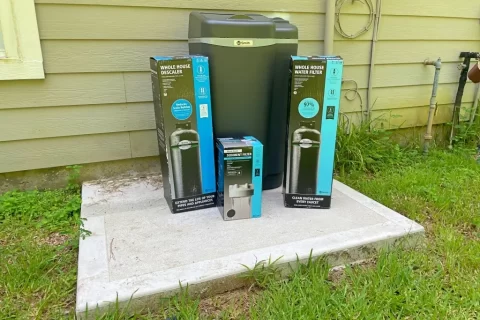
Water softener vs water filter They both rely on different mechanisms to solve different water problems. Softeners remove hard…
Key Takeaways
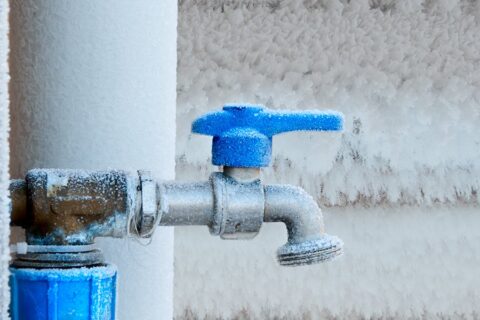
Pipes often freeze because they are exposed to cold air or because there are drafts around the pipe causing it to be…