
Highlands Ranch, CO: Expert Solutions for Garbage Disposal Repairs
Key Takeaways
-
Hear the warning signs of humming, no noise, leaks, slow drainage or odors and respond before you’re faced with expensive repairs and a kitchen out of commission. Test simple solutions first and then call a professional if problems continue.
-
Try safe DIY troubleshooting like turning off power, pressing the reset button, checking the breaker, and using an Allen wrench to free jams before calling in the pros.
-
Implement preventative habits such as steering clear of hard, fibrous, or greasy waste, running cold water during and after use, and conducting weekly cleanings to minimize clogs, odors, and premature wear.
-
Think about local influences in Highlands Ranch such as hard water, seasonal stress and plumbing codes when scheduling maintenance, installing softeners or working with a licensed local plumber.
-
Select expert repair for leaks, electrical issues, persistent jams, or consistent failures. Anticipate a transparent diagnosis, price quote, and prompt repair with guarantees.
-
Consider the long term costs of ignoring maintenance. Repairs, increased water and energy bills, reduced appliance life, and environmental damage can all exceed the expense of regular service.
Garbage disposal repair highlands ranch
Common sink unit problems fixed in Highlands Ranch, Colorado. Technicians manage jams, leaks, motor defects, and wiring problems.
Common repairs are blade replacement, seal changes, and circuit troubleshooting with basic tools and components. Service times vary from 30 minutes to a few hours based on damage.
Prices depend on parts and labor, with transparent quotes provided prior to service.
Common Issues
Typical garbage disposal problems vary from jams to electrical issues. Quick symptom identification smartly avoids expensive repairs and kitchen downtime. Below, a quick table of common issues, their symptoms, and tips for solutions to help direct early troubleshooting and when to call in the pros.
|
Problem |
Symptoms |
Suggested solutions |
|---|---|---|
|
Humming/jammed motor |
Humming sound, blades not spinning |
Turn unit off, unplug or switch off breaker, use Allen wrench in hex socket to free jam, remove visible debris, call repair if persists |
|
Complete silence |
No sound, no power |
Check reset button, inspect plug and breaker, test outlet, avoid repeated attempts, call electrician/plumber if unresolved |
|
Water leaks |
Water under sink, damp cabinets, corrosion |
Tighten pipe fittings, inspect seals and mounting flange, replace cracked housing, seek professional leak diagnosis |
|
Slow draining |
Sink holds water, gurgling |
Flush with cold water for 60 seconds, use plunger or snake, avoid fibrous/greasy waste, request professional drain cleaning |
|
Foul odors |
Persistent bad smells |
Clean with ice and dish soap, scrub rubber splash guard, avoid coffee grounds and eggshells, consider professional cleaning |
1. Humming Noises
Humming typically indicates that the motor is on and the impellers are jammed. Typical culprits are silverware, bone, or fibrous vegetables stuck between the grind ring and impellers. Halt the unit immediately.
Repeated runs will burn out the motor and cause full replacement. Take an Allen wrench to the bottom hex slot to rotate the motor shaft back and liberate the impellers. Once you’ve loosened the jam, flush particles for about 60 seconds with cold water.
If humming persists after such actions, arrange for swift repair. Many professionals discover that as many as nine out of ten problems are resolvable with fundamental troubleshooting, but unrelenting hums typically indicate internal mechanical or wiring defects.
2. Complete Silence
Silence can mean a tripped reset button, a blown fuse, or faulty wiring. First, make sure the unit is plugged in and the breaker is on. Simply press the red reset button located under the unit one time.
Continuously trying to get it to work can make the damage even worse. If the reset and breaker check don’t do the trick, stop power cycling and have a licensed professional test electrical components. Silent failures can mask motor burnout from overload or power swings.
3. Water Leaks
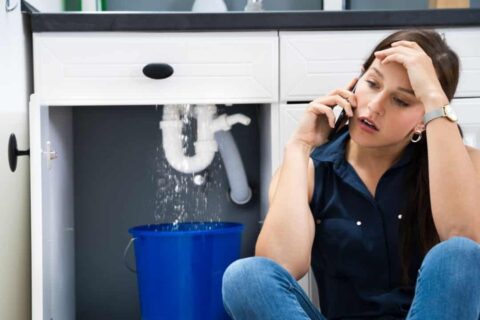
Leaks come from loose drain connections, worn seals, or cracks in the disposal housing. Take a look at seals and pipe joints during regular maintenance to catch issues early.
Tighten slip nuts, replace gaskets and if the housing is cracked, schedule replacement. Fix leaks right away to prevent cabinet and floor damage.
4. Slow Draining
Slow drains indicate partial clogs in the unit or drain line. Don’t feed it fibrous foods, grease, and big scraps. Run cold water for about 60 seconds with the disposal running to push waste through.
You’ve used the manual plunger or professional drain cleaning if home fixes fail.
5. Foul Odors
Gross odors emerge from trapped food and bacterial deposits. Frequent cleanings with ice cubes and dish soap and scraping the splash guard minimize smells.
Steer clear of things that stick or rot. If smells persist, go for a professional deep clean.
DIY Troubleshooting
Some simple diagnostics and essential tools allow most homeowners to repair typical garbage disposal issues without an expert. Step through safety, then power, reset and jam checks. The following list outlines common do-it-yourself steps to get your inspection and small repairs targeted.
-
DIY Troubleshooting Turn off power at the wall switch and unplug or switch off the circuit breaker before any inspection.
-
Inspect for power: check outlet, plug, and circuit breaker. Reset the breaker once if tripped.
-
Press the reset button on the bottom of the unit after you’ve waited a few minutes for the motor to cool.
-
Flush the particles by running cold water for approximately one minute with the disposal on.
-
DIY troubleshooting Use an Allen wrench in the disposal’s hex socket to free jammed blades.
-
Dig into visible blockages solely with implements. Never use your hand.
-
De-grime and blade sharpening – clean with ice cubes and dish soap!
-
Keep a troubleshooting checklist: power, reset, jams, leaks, and regular maintenance.
Reset Button
The reset button is typically located at the bottom center of most units. It’s usually red or black. DIY Troubleshooting If the disposal stops abruptly, wait three to five minutes for the motor to cool, then hit the reset button.
Turn the reset into your first response for small glitches, but don’t hit it too often. Pressing reset multiple times signals a more serious mechanical or electrical problem. A key chain-sized reset is often all it takes to restore function, and it pairs well with running cold water for approximately 60 seconds to dislodge food particles.
Check Breaker
DIY Troubleshooting – Check your home’s electrical panel when the disposal has no power. Make sure the unit is plugged in and check its dedicated circuit for a trip.
Reset the breaker just once to try power’s return. Multiple trips indicate wiring issues or an overcrowded circuit. Breaker trips or flickering power deserve a licensed electrician or plumber, as DIY fixes can’t safely address faulty wiring or power swings.
Clear Jams
-
Cut power by unplugging the unit or switching off the breaker.
-
Shine and extract with pliers or tongs, never your hands, large visible debris.
-
Stick an Allen wrench into the bottom hex socket and twist back and forth to free the blades.
-
Turn the power back on briefly and run cold water for approximately one minute while you test the disposal.
Scrape off hard stuff, like bones and silverware — but ONLY with tools. Once it’s cleared, test for smoothness and any odd noises. Cleaning it regularly — with ice cubes and dish soap, as described here — helps prevent jams down the road and keeps the unit running cleaner.
Local Considerations
Highlands Ranch homes bring their own local considerations to garbage disposals. Think about plumbing layout, water quality, seasonal usage patterns and rules and regulations prior to setting in or fixing a unit. There are local habits and nearby towns like Castle Rock and Larkspur that exhibit typical causes of drain backups, so specific tips and local know-how count.
Hard Water
Highlands Ranch hard water can cause mineral buildup inside your grinder chamber and on impellers, hampering performance and causing extra wear. Scale accumulates wherever the water velocity slows, in the drain elbow or around seals for instance, and this can cause less-efficient grinding or smelly trapped food.
Perform routine cleaning using descaling products safe for disposals, and run cold water during and after use for 15 to 30 seconds to flush residue. If deposits return post-cleaning, think about a water softener. Softeners minimize scale-inducing calcium and magnesium and benefit several appliances, not just the disposal.
Consult a plumber on local treatments versus whole-house softening. A point-of-use softener under the sink is often all that’s needed for disposal issues.
Seasonal Strain
Holiday feasts and family get-togethers ramp up the volume of waste going into the disposer and amplify the potential for jams and malfunctions. Plan preventive maintenance before peak seasons: clear visible buildup, test the reset switch, and run the disposal with a handful of ice and citrus peels to clean blades.
Remind residents and guests about what not to put down the drain—no starchy peels, stringy vegetables, fats, grease, coffee grounds or large bones—to reduce backups that often happen in Castle Rock, Larkspur and Highlands Ranch.
Should issues arise during peak periods, schedule rapid repairs. Most local installs only require a few hours, depending on your plumbing, so prompt scheduling minimizes downtime.
Local Codes
Verify that any new installation or major repair complies with Highlands Ranch and Colorado plumbing codes. Wrong hookups or unpermitted work can result in fines and extra labor. Employ licensed plumbers who comply with local regulations and take out permits when necessary.
Codes may address electrical connections, air gaps and discharge. Keeping to code protects your health and avoids resale headaches down the road. Stay alert for code changes that impact kitchen renovations or appliance upgrades, and have your contractor clarify permit requirements.
Proper installation delivers benefits such as less kitchen waste, fewer odors, easier cleanup, and with care a disposal can last a decade or longer in local households.
Professional Repair
Professional repair explains why and how to call in a trained crew when a garbage disposal throws a fit. Garbage disposals, like any other heavily used kitchen appliance, require the occasional repair and maintenance to keep going. An experienced technician can discover underlying problems that quick DIY inspections often overlook. They have access to tools and parts that most homeowners don’t.
When to Call
Call a pro if simple diagnostics, such as power reset, jam clearing with the wrench, or clearing visible clogs, don’t fix the issue. Typical indicators to schedule a call are if your sink won’t drain after running the disposal, foul odors emanating from the drain, loud rattling or grinding, spinning blades that don’t spin even when the motor is running, or a motor that won’t switch on.
Leaks, electrical malfunctions, or stubborn clogs need to be addressed because if ignored, they can lead to bigger plumbing damage. Local Highlands Ranch plumbers provide emergency services and can halt water damage, clogged vents, or backflow that could ensue from a failing unit.
What to Expect
A professional repairman will conduct an in-depth inspection and diagnosis, typically beginning with a power/reset check, visual plumbing, and motor tests. Expect transparent information about repair options, cost estimates, and results prior to work starting. Verify exactly what problems the crew will and won’t address.
Most repairs are completed the same day, which keeps kitchen disruption to a minimum. A quick repair may take less than an hour, whereas a more extensive repair or replacement may take a few hours depending on current plumbing. A good repair will revive your disposal to firm functionality, cutting down on freak noises and odors.
Warranty coverage and satisfaction guarantees typically accompany professional service, safeguarding your purchase and providing a follow-up should something break.
Choosing a Pro
Find a plumber with good local reviews and actual garbage disposal experience. Make sure the technicians are licensed and insured and that they’ve worked with the big disposal brands and models. Shop around for quotes and service.
Replacement averages between 349 and 379 with minor plumbing modifications, so see what’s included. Inquire about maintenance plans to keep the disposal’s life going. With proper care, a unit can last 10 years or more.
Prior to booking, verify service range, response times, emergency services and whether your installer offers parts warranties.
Prevention Is Key
Just like preventive care reduces breakdowns and keeps a kitchen running reliably. Here’s a handy cheat sheet and targeted advice on daily habits, cleanings, and service appointments that minimize the risk of clogs and expensive fixes.
Proper Usage
Steer clear of jamming and clogging by not putting hard, fibrous, or greasy items down the disposal. Bones, pits, corn husks, and fibrous roots, like celery string, will tangle or blunt blades. Starchy peels and cooked starches become pasty and adhere to pipes, and fatty oils coat and capture.
Run cold water during and after to help food waste go through. Cold water keeps fats solid so the unit can chop them into smaller bits and whisk them away. Leave the water flowing for 15 to 30 seconds after grinding to flush the line.
Feed food scraps a little at a time — don’t overload the disposal. Prevention is key. Small batches allow the motor and blades to grind material uniformly and take the strain off. Overloading increases the likelihood of motor trips and clogs, which typically result in service calls running 100 to 250 (same currency).
Consult your disposal’s manual for guidelines on what it can handle. Manuals enumerate what not to do and the model’s torque constraints. Heed them to keep the unit in safe operating ranges.
Regular Cleaning
Preventive is best, so clean your disposal weekly with ice cubes, baking soda or specialized cleaners to clean away buildup. Ice knocks loose trapped bits, and a baking soda and vinegar rinse clears residue and cuts odors. Prevention is key.
Deodorize the unit so your kitchen doesn’t smell. About PREVENTION IS KEY Citrus peels – ground briefly then flushed with cold water – leave a fresh scent and will help clear light grease. Don’t leave it up to the heavy duty deodorizers. CLEANING takes care of that.
Preventative is best, so be sure to check for leaks or wear when cleaning. Inspect your toilet for leaks. Look under the sink for damp spots, check the mounting flange, and listen for odd sounds. By catching problems early, you can often keep repair costs low and extend system life.
Arrange for a professional cleaning for that deep maintenance and serious performance boost. Technicians can clear buildup inside the pipes and inspect electrical and mechanical components. For some types of service, think oil changes, prevention is key. Regular service can extend longevity and is less expensive than constant replacing.
Cold Water Flush
Be sure to always run cold water when using your garbage disposal, as this will help to solidify any fats and prevent pipe clogs. Warm or hot water will melt fats that re-solidify downstream.
Run water for a few seconds after it stops grinding. That final flush sweeps small particles out of the trap and minimizes the risk of drain clogging.
Izzle in cold water flushes as part of your daily kitchen cleanup routine. We’re talking about prevention here, so make it a post-dishwashing or post-meal prep ritual to guard those pipes.
Educate relatives about this easy upkeep. Common practices minimize abuse and save on repair or replacement.
The Hidden Costs
Ignoring maintenance on a garbage disposal tends to manifest as little bills that balloon into larger, unnecessary costs. This explains where those hidden costs come from and how they accumulate so homeowners in Highlands Ranch and beyond can balance maintenance against emergency repairs and replacements.
Water Waste
Watch garbage disposal usage to reduce waste water when rinsing food waste down the drain. Most people keep the tap running longer than necessary, which increases water bills and sends more water-borne waste into municipal systems.
Fix leaks as soon as they appear. Leaking seals or loose connections under the sink can generate consistent losses and cause water damage requiring drywall and cabinet repair.
Opt for water-efficient models. Certain new disposals perform better with a short burst of water instead of a long stream. Monitor family water consumption with a meter or utility data to detect surges following toilet use. A sudden increase can indicate a slow leak or wasteful behavior and assists you in establishing reduction goals.
Energy Spikes
|
Factor |
How it increases energy use |
Typical impact |
|---|---|---|
|
Old motor design |
Runs longer to grind waste |
Higher kWh per use |
|
Frequent jam-clearing |
Repeated restarts draw extra power |
Small but cumulative |
|
Long run time |
Keeps motor and pump active |
Direct energy increase |
|
Inefficient installation |
Poor wiring or grounding losses |
Occasional spikes, safety risk |
Swap inefficient units for new, low watt models to reduce energy pull. Limit run time: use short bursts to grind, then stop.
Arrange inspections to maintain wiring and motor in prime condition, which avoids power surges and helps waste less electricity. Hidden costs can come from higher electricity bills and from emergency electrician calls if the unit trips breakers or causes wiring issues.
Appliance Lifespan
Regular service stretches a disposal’s lifespan. Service like cleaning, inspecting mounts and replacing worn seals decelerate degradation.
Swap out worn components, such as flywheels, bearings and seals, before they break down and lead to leaking or jammed parts that necessitate complete replacement. Upgrade when the unit approaches the rated lifespan for the model.
Bargain-bin toss-aways usually give out sooner and end up pricier when replacement and labor are tallied. By tracking install dates and service history, you can schedule a replacement that isn’t a surprise office disaster.
Improper installation can induce clogs, pipe corrosion and backflow that generate hidden costs through plumbing repairs, mold remediation and even pest control if organic waste builds up.
Conclusion
A functioning garbage disposal makes kitchens cleaner and work lighter. Fix minor jams with a hex wrench, know where the reset button sits, and cut power before you stick a hand in. Keep an eye out for leaks, strange sounds, and sluggish drains. Those are all indicators of wear and tear or possible clogging. Local plumbers in Highlands Ranch that service garbage disposals are familiar with the popular units and parts out here and can swap out a motor or flange quickly. Rinse regularly with cold water, don’t put in grease, and break food down small to reduce calls and bills. Plan for a repair or a swap every few years to save on bigger damage. Need a local estimate or a quick DIY checklist? Contact me and I’ll provide recommendations and next steps.
Frequently Asked Questions
What are the most common garbage disposal problems in Highlands Ranch?
Clogs, hard or fibrous jams, humming without grinding, leaks, and a dead motor are the issues most homeowners report.
Can I safely fix a jammed garbage disposal myself?
Sure, if you kill power at the breaker and get out a hex key or wooden spoon and de-jam it. Don’t stick your hand in. If in doubt, call a pro.
How do I know if a disposal leak needs professional repair?
If you see water under the sink or if the disposal is dripping from the bottom or flange, get a licensed plumber. Leaks can mean worn seals or a cracked housing.
When is it better to replace rather than repair a disposal?
Switch out when the motor is toasted, repairs are more than half the price of new, or the disposal is older than 10 to 15 years with frequent issues.
What local factors in Highlands Ranch affect repair choices?
Local building codes, accessible plumbers, typical labor charges, and seasonal service volumes may impact repair scheduling and pricing. Request local licenses and references.
How much should I expect to pay for professional repair?
Usual repairs run the gamut. Plan on paying a diagnostic fee in addition to labor and parts. Ask for a clear written estimate before work starts and shop around for at least two or three local quotes.
How can I prevent future disposal problems?
Flush with cold water when operating it. No grease, no stringy foods, no bones, and no large solids. Grind small amounts at a time and check often.

Key Takeaways
Air duct sealing is one of the best things you can do to improve energy efficiency and reduce heating and cooling costs.
…
Key Takeaways
Undetected leaks can rapidly inflate water bills and lead to expensive structural harm. Monitor monthly water use and…