
How to Install an Under-Sink Water Filtration System
Installing an under-sink water filtration system takes a few hours and a basic toolkit: shut off the cold-water supply, mount a dedicated faucet, connect the supply lines, seat the filter cartridges, then slowly turn the water back on and check every joint for leaks. Testing your water first tells you which filter your Front Range home actually needs.
That said, the right setup depends on your water. South Denver metro homes in Parker, Castle Rock, and Highlands Ranch often deal with hard water and seasonal sediment, which can change the filter type and how often you replace it. This guide covers planning, choosing a system, the full step-by-step install, and the maintenance that keeps it running – plus when a job is better left to a licensed plumber.
Key Takeaways
-
Specifying your water and knowing your needs is a key first step before selecting and installing a filtration system.
-
Choose a filtration system according to contaminants, space, and long term usability.
-
Make sure you are following local codes and regulations during installation because you don’t want to be fined, and you want your water supply to be safe and reliable.
-
Get your tools together, clear your work space, and follow these step-by-step installation directions to make your installation headache-free and leak-free.
-
Water Filtration System Maintenance – Keep your system up to par with filter replacements, sanitizing routines and water pressure monitoring for continued performance and water safety.
-
A properly installed water filtration system is good for your health, good for the environment in terms of bottled water, and can be good for your home’s value.
Water filtration system installation refers to installing devices that purify water by eliminating contaminants, volatile chemicals, and bacteria. A lot of houses and businesses have these systems to assist in getting safe, great-tasting water directly from the tap. Water filters are available in several forms such as under-sink filters, whole-house units, or portable pitchers, and each serves a specific requirement. It is important to choose the right setup to match your water source, your space and your budget. Consumers tend to choose these systems for wellness, flavor and to reduce their purchases of bottled water. To make it go smoothest, it’s helpful to be aware of the parts, steps, and potential maintenance. The next sections break down the primary types, what to expect, and advice for seamless installation.
Pre-Installation Planning
All complete home water filters require pre-installation planning. It’s a way to prevent surprises, to keep the process nice and smooth, and to make sure that your filter system will perform beautifully for years to come. Every home and water supply is unique. Planning is about finding the right system for you and ensuring it fits your space.
Water Assessment
Test your water prior to purchasing any system. Home water tests or lab reports can indicate what’s in your water, such as chlorine, lead, iron, or bacteria. If you rely on city water, look at your supplier’s annual water quality report. With well water, tests are required to identify natural minerals or potential contamination.
It’s important to know whether you have hard or soft water. Hard water ruins pipes and appliances, so you may want a softener as well as a filter. Consider the gallons of water you run through your home on a daily basis. For a big family, a higher flow rate system is optimal. If you use a high volume of water at a time, a small filter will not be able to keep up. Determine these first and then hit the stores.
System Location
Select a location close to where water enters your home, typically just after the main shutoff. Build in enough space for the filter unit, valves and pipes. Allow for maintenance down the road. Don’t put it in hot spots like near a furnace, or where it will get damp and mold.
They’ll drop the filter underneath the kitchen sink but for whole house units a basement or utility room is better. Pre-Installation planning – figure out where you’ll install the filtered water tap. It needs to be accessible but unobtrusive.
Code Compliance
Consult your local plumbing codes prior to installation. Certain locations require permits for new water systems. Ignoring this step can cost you fines or re-doing the work. Certain codes demand backflow preventers to keep your clean water clean from dirty.
Inquire about regulations for discarding used filters or old models. Certain locations consider these to be hazardous waste. Contact your local office if you’re unsure.
Budgeting
Get a complete cost list – filter, valves, pipe and labor if you have it done. Factor in ongoing expenses such as new filters and maintenance. Most folks recoup their investment over time by purchasing less bottled water now that their tap water is cleaner.
If up front cost is steep, explore payment or financing options. Shop, compare and save on all major brands.
Choosing Your System
Choosing the best water filtration system is more than just picking the first item out of the box. Depending on your water source, what’s in your water, where you’ll place the unit and how many gallons your home consumes daily, will determine the system that you choose. This is why the perfect layout doesn’t just purify your water, it suits your environment and plans.
Filtration Type
Table: Filtration Systems Comparison
|
Type |
Pros |
Cons |
Best for Contaminants |
Example Placement |
|---|---|---|---|---|
|
Carbon Filter |
Simple, low cost, removes chlorine |
Not effective for microbes |
Chlorine, some chemicals, taste/odor |
Under sink, tap |
|
Reverse Osmosis (RO) |
Removes many chemicals, heavy metals |
Slow flow, needs more space, waste |
Lead, fluoride, arsenic, nitrates |
Under sink, whole house |
|
UV System |
Kills germs, low maintenance |
Needs clear water, no chemical removal |
Bacteria, viruses, parasites |
Whole house, well water |
|
Multi-stage |
Broad contaminant removal |
Higher cost, more maintenance |
Most contaminants (varies by stages) |
Whole house, under sink |
NSF Certification – Look for NSF certification on the label to ensure the filter complies with international standards for eliminating pollutants. If your water is from a private well or rainwater catchment, testing is essential. Have your water tested at least annually for bacteria and chemicals. Multi-stage units provide the most comprehensive coverage should you need to target both chemicals and microbes.
System Size
See what space you have under your sink or in your utility area prior to choosing your system. Other filters, such as reverse osmosis, require additional space for storage tanks and other components.
For a home with three or more bathrooms, whole-house system tends to work better that placing small filters at each tap. Consider the flow rate as well – smaller units can cause your water to trickle, which is an issue when everyone is using it. If you have a small kitchen, then go with a mini system – but ensure it still satisfies your demand for water.
Future Proofing
Select a system with modular construction so you can attach new filters or replace components as tech evolves. Certain brands sell optional add-on modules, so you don’t have to upgrade the entire unit down the road.
See if the replacement parts and filters are easy to come by. There are two main filter styles: encapsulated (easy swap, less mess) and open sump (lower cost, more options). Keep an eye out for emerging technology, such as smart sensors or augmented reality, that can help you maintain your water’s safety in the long term.
Warranty and Support
Compare warranty terms and customer support before you buy.
Longer warranties and good service can save you time and money.
Installation Guide
A water filter simply requires installation. Safety is key, so please always be careful and heed the instructions carefully. Begin by testing your water. This provides you with a baseline and aids in filter selection. Arming yourself with the proper tools and an organized space sets you up for a streamlined process. Below is a quick outline of steps for installation:
-
Test water quality before starting.
-
Clear space under the sink and organize tools.
-
Gather all system parts and make sure fittings match.
-
Shut off the water supply and relieve pressure.
-
Mount the dedicated faucet in a good spot.
-
Connect water lines and check for tightness.
-
Insert filters and label them with the date.
-
Gradually reopen water, inspect for leaks, and flush.
1. Gather Tools
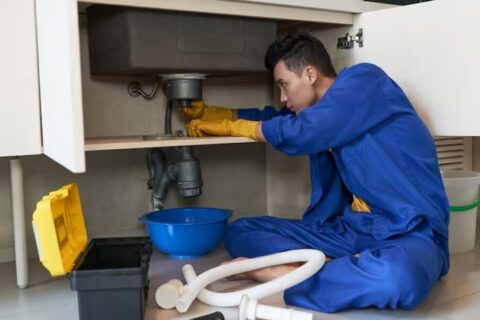
Be sure to have standard tools such as wrenches, screwdrivers, and pliers on hand. A bucket can catch leftover water when you disconnect pipes.
Consult the system’s manual for special tools you may require. Collect all fittings and connectors that match your plumbing. This prevents last-minute dashes to the store and reduces install delays.
2. Shut Off Water
Locate your master water valve and shut it off to prevent leaks. Open adjacent taps to relieve any pressure. This step prevents water from splashing when you get to work.
With the water off, test the pipes to be sure there’s no flow remaining. Keep towels or rags nearby to wipe up quick if spills occur.
3. Mount Faucet
Place the filtered water faucet somewhere within easy reach, but out of the way. Follow the filter brand’s directions to ensure the faucet is sealed tight and aligned.
See if your sink will accommodate a new faucet before you chuck the drill. Certain sinks require an additional hole, and others have a punch-out available. The right location makes day-to-day use simpler.
4. Connect Lines
Hook the supply lines to the filter system as illustrated in the manual. Make sure they’re snug. Plumber’s tape on threads prevents leaks.
Hang the lines straight. This prevents kinks and allows you to detect leaks down the road. Properly routing an installation makes it last longer.
Always double-check each connection.
5. Install Filter
Install the filter cartridges in the correct direction as illustrated in the guide. Lock them all in so it seals and works properly.
Label each filter with the install date. Most filters require replacement every 6–12 months, based on water quality and consumption.
Verify the direction so water flows through as intended. Omitting it can reduce system efficiency or bypass water.
6. Check Leaks
Slowly turn the water back on. Check all joints for leaks. If you spot any, tighten and re-check.
Let the tap run for a couple of minutes. This rinses away debris and allows you to test water flow.
Annual pro checks keep your system safe and running its best.
Post-Installation Care
Post-installation care is important for maximizing results. A little maintenance goes a long way – it helps boost its lifespan and keeps your water free from harmful contaminants like bacteria, chlorine and heavy metals. Creating a checklist will allow you to keep track of the regular maintenance work, such as cleaning, filter changes, pressure checks, and recordkeeping. Being able to get to the system and to know where it is located is key for efficient maintenance. Maintenance helps catch issues before they get bad and prevent things like low water pressure, which could slow down filtration or indicate clogged filters.
Filter Schedule
-
Check the manufacturer’s guide for exact filter replacement intervals.
-
Swap out the pre-filters every 6-12 months, or as water quality changes
-
Be aware of seasonal variations in your water source, such as increased sediment during the rainy season that can cause rapid filter abrasion.
-
Monitor water consumption, as increased demand can decrease a filter’s longevity.
-
Put filter change dates on a calendar or digital reminder.
-
Educate the whole family why filter changes are important for safe water.
Filter replacement isn’t just a routine task. It’s an essential component to maintaining your water pure and your system functioning optimally. When filters are left too long they can clog, slow water flow, or allow contaminants to slip by. If your household uses more water or the local water supply shifts in quality, customize the schedule. By keeping dates and usage habits in check, you can stay ahead of the curve and prevent any lapses.
System Sanitizing
Establish a cleaning schedule to prevent bacteria and other microbes from accumulating in the system. Utilize manufacturer-approved cleaning substances only. This prevents harm to the system and protects your water.
Rinse system well after cleaning to flush any residual cleaning agent. Schedule sanitizing into your regular maintenance routine – for example, whenever you change the main filter. If you’re uncertain, seek assistance from a water testing service for a more comprehensive check.
Pressure Monitoring
Monitor your water pressure with a simple pressure gauge. If you have low pressure, it could indicate a clogged filter or another issue within the system.
If you notice a decrease, check for clogs or damaged screens. Repair or replace components as necessary to maintain good water circulation.
Consistent pressure indicates that your filtration system is functioning properly and your water is clean.
Common Challenges
Water filtration system installation presents a number of challenges that can hinder or even halt the process if not managed properly. A lot of these problems appear during configuration. They’re all facing the same common challenges – they require quick solutions to keep the water infrastructure functioning properly and safe for everyday use.
|
Challenge |
What Happens |
Possible Fix |
|---|---|---|
|
Scaling or mineral buildup |
Hard water leaves white stains or clogs parts |
Use water softeners, lower water temp |
|
Dirty or clogged filters |
Low flow, foul smell, or bits in water |
Change filters, flush system |
|
High energy use |
System runs too hard, bills go up |
Clean pumps, check design, fix heat flow |
|
Water leaks |
Wet spots, drops, or pools near pipes |
Tighten joints, change seals, fix cracks |
|
Foul odor or taste |
Water smells odd, tastes bad |
Change filter media, check for bacteria |
|
Sediment or discoloration |
Water looks cloudy, has color |
Use better pre-filters, check pipe age |
|
Filter clogging |
Filters block water flow |
Slow flow rate, add pre-treatment |
Leaks are the most common issue. They frequently stem from loose joints or aging seals. Testing every connection before turning on the water can prevent leaks from ever beginning. If a leak begins, dry the area and tighten or replace it. Low water pressure is another common issue, typically due to a dirty/blocked filter. If water lags or halts, unseal the filter, clean or replace it, and examine the pipes for blockage.
Following the guidance provided setup is important. Jumping ahead or hurrying can result in poor fits or leaks. This may cause leaks, clogs, or even system damage. Always, always read the manual, check the parts and do it all step by step. If the guide appears vague, seek out videos or illustrations from reputable sources.
Other times, despite care, a problem can feel too hard to fix. If you’re dealing with a crack in a tank, a major leak, or water that appears or smells off, it’s time to call a licensed plumber or water treatment expert. They possess the proper equipment and expertise to repair hard problems.
Routine inspections and tracking information like water pressure, temperature and filter replacements can assist in identifying issues before they escalate.
The Hidden Impact
Putting in a water filter does more than just provide purified water from the faucet. In the long run, higher water quality translates into reduced health hazards. Numerous models remove up to 99% of harmful things such as viruses, bacteria and other contaminants. This can reduce the chances of illness, stomach and skin ailments. That said, a few systems demineralize what the body requires, so choosing the proper arrangement is crucial. Depending on a single filter technique won’t stop them all. For instance, a carbon filter can rid water of chlorine but not heavy metals or bacteria.
By switching to filtered tap water, you’re reducing the demand for bottled water. These options can reduce household plastic waste and decrease the need for single-use bottles. Bottled water consumption leaves a large footprint – from plastic pollution to the fuel required for transport. Moving over to filtered tap water is usually a greener action, yet not all systems are great. Certain units, such as backwash cycles, can waste huge amounts of water – occasionally several gallons for every gallon cleaned.
A water filter can increase the value of a home, as well – particularly whole home filters. Buyers are searching for homes with these improvements in numerous markets at this point. The price can be steep initially, generally from approximately $1,000 to $4,000 and up, excluding additional charges for professional installation or maintenance. Some systems require a professional to install or repair, introducing additional expense. Yet, post the initial hit, a lot of folks discover the savings on bottled water, less filter swaps and less maintenance on pipes and appliances really add up.
Purer water benefits your appliances as well. Kettles, washing machines and dishwashers last longer with less inside build-up. Pipes remain clearer, which can translate to less leakage or clogging. This matters when water quality varies seasonally. Downpours or flooding can add additional dirt and pathogens to the supply, but a good system can keep water safe all year long. Keeping the system in shape does require regular maintenance, with filter replacements every 6 to 12 months. This keeps water clean and the mechanism running properly.
Conclusion
There’s some work involved in installing a water filter for your home, but the returns are quick. Safe water protects your home and your health. Most people choose a system that suits their lifestyle and install it with easy instructions. Minor inspections later on assist the filter to endure and perform efficiently. A good plan and the right tools help bypass most snags. Most customers notice a huge difference in flavor, odor and comfort. To keep ’er smooth, stay on top of the easy maintenance. For additional tips or assistance, browse additional guides or consult a water filter pro. Safe, clean water begins with one smart decision.
Frequently Asked Questions
What should I consider before installing a water filtration system?
See what works for your water quality, space and budget. Determine your primary water issues – sediment, chemicals, etc. Planning not only assists you in selecting the appropriate system, but it guarantees efficient installation.
How do I choose the best water filtration system for my home?
Test your H20 first. Choose a system that goes after your specific contaminants. Weigh types, such as reverse osmosis or activated carbon, and maintenance. Whenever possible, seek out certified products.
Can I install a water filtration system myself?
Most provide simple, step-by-step do-it-yourself installation guides. Complicated systems might necessitate a professional to guarantee safe and correct installation. Check the instructions first.
How often should I maintain or replace filters?
Most filters require replacement every 6-12 months, based on usage and water quality. Maintenance is the key to clean water and a long system life. Stick to the manufacturer’s schedule for optimal results.
What are common challenges during installation?
Typical problems are leaks, wrong fittings or low pressure. Head off trouble by reading carefully and using the right tools. If in doubt, ask a pro installer.
How does a water filtration system impact daily life?
A filtration system enhances water flavor, eliminates contaminants and promotes wellness. It can shield appliances from scale buildup, helping you avoid costly repair and replacement fees.
Are water filtration systems environmentally friendly?
Yes, they reduce bottled water consumption and plastic waste. While some do employ electricity or involve filter disposal, on the whole these systems do contribute to a more sustainable lifestyle.
Key Takeaways
Moving your sink to an island increases your kitchen’s workflow by centralizing prep and clean-up, diminishing perimeter…
Key Takeaways
Understand typical issues such as drain clogs, incorrect installation, and pump or hose malfunctions to target fixes where…