
How to Safely Thaw Frozen Pipes in Your Colorado Home
Key Takeaways
-
I need to act quickly if I spot early signs of frozen pipes, such as no water flow, frost on pipes, strange odors, or gurgling noises, to prevent a burst.
-
I usually help people turn off the main water supply, which will relieve pressure. After that, I turn on all the affected faucets to minimize water damage while thawing these frozen pipes.
-
Gentle heat sources such as hairdryers or warm, moist cloths are the safest. I can’t use open flames or boiling water, as these methods can in turn damage pipes or cause injury.
-
After thawing, I will then examine all pipes and fixtures for any leaks or damage. Water pressure will be more closely monitored, and small problems will be remedied immediately to avoid larger complications from forming.
-
To keep my pipes from freezing in the next cold snap, here’s what I need to do. These are making sure your pipes are properly insulated, sealing air leaks and maintaining stable temperatures indoors.
-
If I cannot identify the freeze, or see evidence of damaged pipes, I must call an experienced, licensed Colorado plumber. Thawing won’t do any good if you don’t fix these issues first.
To un-thaw a frozen pipe before it bursts in your Colorado home, I use direct heat with a hair dryer or warm rags. When I’m thawing, I open the faucet to create water flow during the thawing process. Frozen pipes will not only prevent water flow, but will increase the chances of a rupture, making quick action imperative as winter approaches.
I stay in heated rooms, check pipes in cold spots like basements or crawl spaces, and watch for frost on the pipe or no water from taps. Heating pipes is crucial, and when I can reach them, space heaters for use at home work well. However, I stay away from open flames to avoid any fire hazards.
These simple steps may save you from thousands of dollars in water damage and the same amount in overwhelming stress in your Colorado home. Here are the three core tenets I use to protect my pipes when polar vortexes come to Colorado.
Why Colorado Pipes Freeze Easily
During extreme cold spells in Colorado, frozen water pipes become a significant concern when the air temperature dips below 32°F. This commonly occurs in unheated spaces such as basements, crawl spaces, or exterior walls. Unfortunately, most houses locally are not built with adequate frozen pipe protection in mind.
Even with a house-specific advantage, a sustained polar vortex can still freeze the water in the pipes, even in the most insulated portions of the home. When water freezes, it expands and occupies the entire pipe, producing immense pressure on the pipe walls. If the pipe is not strong enough to withstand that stress, it breaks, leading to a costly leak.
This risk isn’t mere hypothetical—we found it to be very real as we surveyed the state. When a pipe cracks just a tiny bit—about 1/8 inch—it can let out as much as 250 gallons of water in a single day. That’s a lot of water—enough to soak surfaced floors, ruin finished walls, and cause the formation of dangerous mold.
Even minor repairs for water damage due to burst pipes can quickly add up—averaging over $5,000. In reality, each winter nearly 50 million residences and businesses face the inconvenience of frozen water pipes. It’s one of the biggest worries of homeowners, particularly when Colorado weather changes rapidly.
The same freeze-thaw cycles that crack Denver Water’s big city infrastructure can and will bust pipes inside your home. Freeze-ups commonly occur in basements, garages and crawl spaces. Pipes that run within outside walls are susceptible to freezing when the insulation on those walls is insufficient.
That risk increases with rapid onset cold snaps, which Colorado is famous for every winter. Taking preventative steps, like allowing faucets to drip during extreme cold, can help mitigate the risk of frozen pipes and the associated damages.
Spot Frozen Pipes Early Signs
Knowing the signs of frozen pipes in your Colorado residence is the first step to preventing expensive repair costs and extensive water damage. When outdoor temperatures fall below 32°F, the moderately cold weather could cause the water in your above-ground pipes to freeze and expand, exerting pressure on the pipes.
Nearly 60% of homes in the contiguous US experience frozen pipes every year. Identifying early signs of a frozen pipe is critical in preventing costly ruptures and pipe replacements.
No Water From Faucet
When water only barely trickles or won’t flow from a faucet this may indicate a frozen pipe. It’s a good idea to let the water drip from both hot and cold taps, as sometimes only one line will freeze.
Turn on other sinks and showers to determine if the issue is isolated to one room or if it’s affecting your entire house. If only one section of the system is impacted, prioritize your inspections and testing to that location first.
An unexpected loss of water pressure or a shocking increase to your monthly water bill are other indicators you should watch for. Taking swift action at the first sign of trouble can prevent a frozen pipe from bursting.
Frost Visible On Pipes
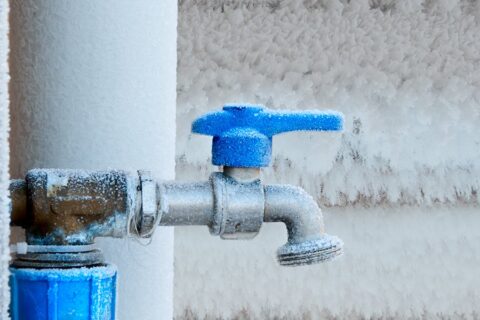
Frost or ice on any exposed pipes is obviously a strong indication of a frozen pipe. Generally, pipes in unheated areas such as basements, garages and crawl spaces freeze more quickly.
This is particularly the case for spaces that are windy or leaky. A flashlight helps for inspecting dark, hard to reach corners. Take a photo or write a description when you see frost appear.
This method allows you to keep an eye on it while you find a more permanent solution.
Strange Smells Near Drains
A sweet, musty, or earthy smell when you’re near drains could indicate that water or air is trapped in frozen pipes. If the odor persists, it might indicate more serious plumbing problems.
Ensuring these spaces are well ventilated and drains are clear can help prevent the risk.
Gurgling Sounds From Pipes
Gurgling, clanking, or creaking noises are a telltale signal of ice blockages. Pay attention to whether it occurs in only one room or throughout the entire home.
Any alteration in the sound may indicate an advancement of the frost condition.
Bulging Pipe Sections
If a pipe appears swollen or bulging, it’s very likely that ice has formed within. Keep an eye out for leaks, fissures, or cracks, as well as in piping constructed out of older or more brittle material.
As ice expands, the chances of the pipe bursting increases. It’s better to be safe than sorry, so always respond immediately if you notice a bulge.
Act Fast: Initial Safety Steps
Frozen pipes in Colorado homes can become a major disaster if not dealt with quickly enough. The most important step is to act quickly as soon as you see a frozen pipe. Taking these steps can prevent water damage and greater repair costs.
Act Fast – Initial Safety Steps First of all, don’t panic, and go straight to safety. Shutting off the main water supply prevents severe flooding in the case that the pipe breaks during the thaw. In most homes, you can find the main shutoff valve located by your water meter, in your basement, or next to your crawl space.
Start by keeping it within easy reach and demonstrating how everyone back at home can use it. You don’t want to be searching for it during an emergency.
Shut Off Main Water Supply
I like to begin by shutting off the main valve before attempting to thaw pipes. That way, when the pipe does break, they avoid their home being flooded by water gushing out. I’m very careful to clear the area around the valve.
I encourage my relatives to go find it and practice using it. This easy measure will prevent you from having a major headache later on.
Open Affected Faucets Slightly
My first step is to open the faucets connected to the frozen pipe—both hot and cold water taps. The permafrost flows in underneath, and the melting ice causes water to flow in it, speeding up the thawing of the pipe.
This action helps to mitigate the potential for pressure buildup. As it turns out, the first indication of a thaw’s success can be a ceaseless drip. I keep an eye out for leaks as the ice melts, so I can fix small problems before they grow.
Locate The Frozen Section
Instead, I look to the pipes to see if there’s any cold spots. Just running a bare hand along the line or a simple temperature sensor will quickly show where the stretch is frozen.
Remember that pipes in unheated areas, such as garages or near outside walls, are the first to freeze. Once I identify the area, I can apply heat to it through a fan heater or a heated towel. For best results I will change the cloth every five to ten minutes.
Safely Thaw Frozen Pipes Now
When pipes freeze in a Colorado home, it’s important to thaw them safely and effectively. Denver Water explains that it’s not just enough heat—too much heat suddenly can shatter pipes—so a calm approach protects pipes. Most plumbers, like High 5 Plumbing in Denver, get three times more calls for frozen or burst pipes after a cold snap.
Spending a little extra on heating costs today is sure better than the physical and economic effects of water damage tomorrow.
1. Use Gentle Heat Sources
Begin thawing with a hairdryer set on the lowest setting. Point it at the faucet first, and then work your way up the pipe. A portable electric space heater is effective, but make sure to keep it at least three feet from flammable materials.
Be mindful with any source of applied heat and never leave them unattended.
2. Apply Warm Air Carefully
Direct warm air toward the area where the pipe is frozen. Continue to move the dryer or heater around so that heat disperses evenly. Too much heat in one area can cause pipes to burst.
Use low or medium settings and don’t use space heaters near flammable materials.
3. Wrap Pipes With Warm Cloths
Warm the old water pipes by soaking towels in warm—not boiling—water. Simply place them around the pipe, replacing them as they cool. This provides consistent, background warmth.
Be careful not to make towels dripping wet, resulting in added humidity.
4. Try Electric Heating Tape
Electric heating tape designed specifically for pipes is highly effective. Simply peel and stick according to instructions, and ensure that tape is compatible with your pipe material.
Always supervise while in use and when not in use, empty and store safely.
5. Avoid Open Flames Always
Safer alternatives to open flames, like heat tape, are more effective for frozen water pipes, reducing the risk of major water damage issues.
6. Never Use Boiling Water
Warm water is much safer for frozen pipe repair, but it needs to be used carefully to avoid thermal shock.
7. Consider Pipe Material Differences
PVC, copper, and other piping materials can be at risk of frozen water pipes during extreme cold weather. Understanding the materials of your water supply lines and selecting appropriate thawing methods is crucial for effective frozen pipe repair.
8. Thaw Pipes Behind Walls Safely
When thawing frozen water pipes that may be trapped inside walls or ceilings, it’s crucial to apply only indirect heat. If you are removing drywall to access the pipe, monitor for leaks afterward to prevent major water damage issues.
What If Pipes Already Burst?
When a pipe bursts in your residential or commercial Colorado property, knowing what immediate action to take can prevent further destruction and return safety to your property. Long-term damage with short notice Burst pipes can cause extensive, immediate water damage. Luckily, most homeowners and renters insurance policies fully cover water damage repairs and can cover associated costs, such as a hotel stay if your home becomes unlivable, said the Colorado Division of Insurance.
During and after a cold snap, companies like High 5 Plumbing see about three times as many calls for frozen or burst pipes. Here’s how to make it easier on you and your family and get started TODAY! Register today to be better prepared for the future!
Immediate Water Shutoff Is Crucial
The first and most immediate step to take is to shut off the main water line. This can help prevent more water from saturating rooms or seeping into walls. If something goes wrong, ensure that all members of your household are familiar with your shut-off valve’s location as well as its shut-off procedure.
Once you have the main water valve turned off, find the source of damage and evaluate how much water has leaked out. Then, decide if it’s safe to go into the area. Document damage using photos and written descriptions for your insurer but only do this if it’s safe for you.
Call Emergency Plumbing Services
Contact a licensed plumber immediately. Providing clear information on the specific pipe and location of the water ingress will make it much easier for the team to assist you. Having a plumbing professional’s contact information handy can help you get the job done quickly when you’re pressed for time.
As you’ve likely guessed, calling a pro quickly will save you on repair bills and help protect your items from additional damage.
Document Damage For Insurance
Document the damage. Take pictures of every surface the water came into contact with—floors, walls, personal items. Log the repairs and all assistance you employ to whom and when.
Notify your insurance company as soon as possible and stay engaged the whole time until you’re back in working order.
After Thawing: Check For Damage
After thawing pipes in your Colorado home, a thorough inspection for damage will prevent disasters from occurring. When water pipes freeze they can split or begin to develop leaks, so catching it early allows for an easier repair and less cost.
This final step ensures your plumbing operates properly, giving you peace of mind while protecting your new home.
Inspect Pipes For Leaks
Begin by checking any exposed pipes. Areas such as basements, crawlspaces, and beneath sinks frequently can harbor damage-prone areas.
Joints and pipe ends are typical points of failure. Finally, dry each pipe with a clean, dry cloth. If you notice any wet spots, drips, or puddles, congratulations—you located a leak!
If any moisture collected, that’s an indication that the pipe needs attention. Take notes on damage so you don’t overlook key information when planning for repairs.
Monitor Water Pressure Closely
Run water from all faucets and check for any interruptions in flow. If pressure is normal, it’s probable your system survived unscathed.
If water comes out slowly or sputters air, there’s an issue. Don’t test just one faucet—the kitchen sink, bathroom, and an outdoor spigot if you have one.
If one area is under less pressure, there could be an unseen crack or obstruction. Be prepared to document any drops in pressure. This time, you’ll have something to show a plumber if you need further assistance.
Address Minor Drips Immediately
We all know that small leaks become big problems over time. You can help avoid emergencies by keeping a basic repair kit on hand that includes plumber’s tape, pipe clamps, and adjustable wrenches.
If you notice a heated drip, insulate it or put a clamp on it immediately. Repairing these quickly can prevent further water damage and mold from occurring.
Even after you properly patch it, monitor the affected area to make sure it doesn’t develop further.
Prevent Future Pipe Freezing
These simple fixes go a long way and are effective even if you’ve never experienced frozen pipes in the past. Preventing cold snaps from impacting your pipes is crucial. The ideal solution for unexpected cold snaps is to prepare before the very first nip of winter appears.
Pipes in unheated basements, crawl spaces, or garages require special attention—these areas lose heat quickly. Maintaining consistent temperatures, by keeping thermostats at the same level around the clock, goes a long way. The American Red Cross calls this an important step toward safety.
Paying a few cents more at the pump today protects vulnerable pipes and saves taxpayers millions in repair costs down the road. When a cold snap descends, High 5 Plumbing takes in three times its normal call volume for frozen or burst pipes. This increase in calls is a testament that prevention works!
Insulate Exposed Pipes Properly
Foam sleeves or pipe wraps insulate unprotected pipes and help keep the heat in. These are most effective in areas where the cold air impacts the most, such as lower areas like crawl spaces and basements. Pipes located in garages or unheated rooms require this treatment as well.
Inspect insulation at least annually and replace any damaged sections. Heat tape can provide an extra measure during periods of extreme cold. Wrap it real good and read the instructions on the package.
Seal Air Leaks Near Pipes
Cold air can enter through gaps around windows, doors, or wherever pipes enter the home. Caulk can seal small gaps around windows and doors, and weather stripping can help around doors. Inspect these areas each autumn.
Even minor leaks can allow sufficient cold air to seep in that can freeze pipes in a matter of hours.
Use Heat Cables Wisely
Heat cables should be installed so they wrap around each pipe and plug into the wall. Put them on pipes that have a history of frequent freezing. Be sure to always adhere to the manufacturer’s installation instructions.
Test cables with warm water before the cold arrives, and connect them to a timer if the cable permits usage.
Keep Garage Doors Closed
If you have an attached garage, make sure you close garage doors when it’s chilly outside. That way, pipes in attached garages remain warmer too. Store boxes, tools, and other items away from doors to allow adequate airflow.
Insulate garage walls to save even further, and educate all those in the home as to why the door must remain closed.
Let Faucets Drip Slightly
During cold snaps, allow a small stream of water to run from faucets, particularly those located against outside walls. This helps keep water flowing through the pipe and prevents ice from accumulating.
Preferably, use only a slow drip—that’s all you need to avoid freezing—but be sure to monitor your water usage.
Winterize Outdoor Spigots
Remove hoses and drain outdoor spigots prior to winter. Buy covers specifically designed for outdoor faucets. Inspect and seal possible leak areas before the freeze-thaw cycle begins.
Repair leaks or cracks immediately.
Maintain Consistent Home Heat
If you’re going out of town, be sure to keep the heat at a minimum of 55°F. Extreme fluctuations in temperature place additional stress on pipes, increasing the chances of freezing.
Space heaters can improve comfort in troublesome rooms, just ensure that your primary heat source is working efficiently too.
When To Call Colorado Plumbers
Frozen pipes are an important issue this time of year in Colorado, particularly when the cold snaps take hold. High 5 Plumbing receives around three times the call volume during and just after these cold spells. If you find yourself making a mistake, remember that you aren’t the first!
After all, sometimes you need a pro to take the load off and lend a hand. If you’re unable to find the frozen pipe, don’t give up! A qualified, licensed plumber will have the right tools and expertise to find whatever you’re truly hiding.
Simply explaining what you’ve observed—such as which faucets are no longer producing water or if you’ve noticed strange sounds—goes a long way. If you attempt to thaw a pipe and it doesn’t seem to have any effect, that indicates the issue may be more extensive. Constant freezing means there are bigger plumbing issues at play.
Documenting your efforts will give the plumber useful information regarding what may be going on. If you detect leaks, swollen pipes, or cracks, these are early indicators of damage requiring immediate attention. Burst pipes can cause water damage that costs $5,000 or more to repair.
By noticing the issue early on, you can save a lot of money in repairs. Always keep track of any damage you notice—photos and notes help if you need to talk to your insurance company later. If your house begins to flood, shut off your water valve and call 911 immediately.
If you have recurring freezing every winter, it probably indicates the presence of larger underlying problems. A plumber can walk you through long-term solutions in addition to insulating your pipes, such as improving your home’s insulation or rerouting your plumbing.
Investing a little extra in your heating system now could save you from shelling out a whole lot more in emergency repairs further down the line.
Conclusion
Frozen pipes in Colorado can happen almost overnight, but if you identify risks early and take preventative measures, you can avoid this expensive and damaging disaster. Warm air, consistent heat and a careful eye will help your pipes survive even the harshest deep freeze. When you spot ice, thaw it slowly and safely using a hair dryer, heat tape or warm towels. Steer clear of tools that create a spark or get too hot. After you have thawed, inspect for leaks or weak areas before you turn on the faucet full blast. See something that doesn’t look right? Local plumbers are the ones who understand these pipes more than anyone and quickly spring into action. Cold snaps may take a toll, but being prepared with the right information prevents those headaches from becoming catastrophic. Stay vigilant, treat your pipes specially, and contact a professional at the first sign that something is spicy, brace yourselves, not what it should be. Your home remains safe from water damage, and you lose a great deal of worry.
Frequently Asked Questions
How can I tell if my pipes are frozen?
Watch for signs like lower water pressure, unusual sounds, or ice on pipes, especially during cold weather sets. When trouble starts, and your faucets hardly trickle or you lose water pressure completely, you’re likely faced with frozen water pipes. With early detection and preventative steps, you can stop a pipe from bursting in the first place.
What is the safest way to thaw frozen pipes at home?
To thaw frozen water pipes, employ a hair dryer, heat lamp, or warm towels. If so, begin from the faucet and head to where the pipe is frozen. Avoid using open flames or propane torches, which are fire hazards.
Should I turn off the main water supply before thawing pipes?
Is it safe to thaw frozen water pipes before they burst in your Colorado home? This preventative step helps prevent major water damage if a pipe bursts while thawing.
What should I do if my pipes have already burst?
Stop the water flow by turning off the main water shutoff valve immediately. If your frozen water pipes have burst, contact a licensed Colorado plumber for frozen pipe repair. To minimize risk of shock, avoid using electrical appliances near the leaking water supply lines.
How can I prevent my pipes from freezing again?
To prevent frozen water pipes, insulate your exposed pipes, especially those located in unheated areas like basements, attics, and garages. During extreme cold weather, allow faucets to drip to protect your water supply lines and avoid costly repairs.
When should I call a professional plumber in Colorado?
Call a plumber if you can’t locate the frozen section, especially in unheated rooms, or if you notice leaks or bursts. Their help ensures effective frozen pipe repair and protection against major water damage issues.
Why do Colorado homes face frequent frozen pipe issues?
Colorado’s cold winters and rapid temperature fluctuations create a major water damage issue, especially for homes with exposed water supply lines that are not well insulated, making them particularly vulnerable to frozen water pipes.
Key Takeaways
Water softener vs water filter They both rely on different mechanisms to solve different water problems. Softeners remove hard…
Key Takeaways
Pipes often freeze because they are exposed to cold air or because there are drafts around the pipe causing it to be…