
HVAC Repair Services: Expert Solutions for Your Home
Key Takeaways
-
Routine HVAC tune-ups and immediate repair assistance can combat typical problems including airflow issues, temperature imbalances, odd noises, and water seepage, enhancing comfort and system performance.
-
Comprehensive diagnostics with cutting-edge tools and expertise to identify the problem with precision without compromising the safety of technicians and homeowners.
-
What to look for when hiring an HVAC technician, check their credentials, experience and pricing transparency.
-
Regular tune ups help increase energy efficiency and keep homeowners out of hot water financially with expensive, major repairs.
-
A comprehension of repair cost drivers — like part replacement, labor intensity, and system age — can guide your decision to repair or replace your HVAC unit.
-
Beware of bandaids, upsells, and junk parts, ask for all repairs, and insist on QUALITY parts FOR YOUR SYSTEM’S LONGEVITY!
HVAC repair service means fixing heating, ventilation, and air conditioning systems in homes or workplaces. These services assist in maintaining indoor areas secure and cool or warm by inspecting, cleaning or replacing damaged components. A professional can identify the problem with your system, offer transparent solutions for repair, and get it performing efficiently again. HVAC companies generally provide quick repairs for sudden failures and routine inspections to prevent larger issues. We have multiple teams working with various brands and systems so we can assist a lot of people. Fast, trustworthy assistance is the secret weapon to keep you comfortable and safe. To learn more, the sections below explain how services operate and what to anticipate.
Common HVAC Issues
Here are some common HVAC issues. Common issues typically caused by airflow restrictions, bad parts, temperature inconsistencies, leaks or breakdowns. Early recognition of these problems is crucial to prevent costly repairs and maintain indoor air quality and system efficiency at their peak.
1. Airflow Problems
Airflow sabotage typically starts with blocked ducts or clogged filters. A dirty filter, a common culprit, can drive energy use as high as 15%. When filters remain dirty, the system is forced to operate at elevated levels, which can cause the heat exchanger to overheat, particularly in gas furnaces. If the blower motor fails, that airflow falls to zero, putting a strain on the compressor and causing even more damage. Fans or blowers that fail or slow down mean air can’t reach all rooms evenly, making some spaces too hot or cold. Routine duct checks identify clogs or leaks, and replacing filters–every 1 to 3 months for normal thickness, or as needed–maintains optimal airflow.
2. Temperature Inconsistencies
When certain rooms are cold but others remain warm, this is usually indicative of common HVAC problems. Thermostats that don’t read the true room temperature or have faulty wiring can confuse the system. Bad insulation lets heat or cold seep in, which messes up room-to-room comfort. If your AC is low on refrigerant or your furnace is on its last legs, your HVAC system won’t be able to maintain a consistent temperature, causing more of those pesky hot and cold spots.
3. Unusual Noises
Rattling or buzzing usually signifies loose parts or electrical problems, like burnt out capacitors or contactors. Grinding sounds can indicate motor trouble, requiring immediate intervention. Squeaks could be from worn belts or bearings, hissing could indicate a refrigerant leak or escaping gas. Noises that don’t disappear should trigger a professional inspection, because neglect can inflate repair costs.
4. System Cycling
Short cycling—when the unit switches on and off frequently—consumes excess energy. It could be due to a bad thermostat location, power surges, or refrigerant issues. Frozen coils can take hours to defrost, causing repeat cycles. If cycling persists, an HVAC technician can check for deeper faults.
5. Water Leaks
Leaks around HVAC units typically indicate clogged condensate drains or refrigerant leaks. Clogged drains can cause water damage. Any indication of dampness should be handled immediately.
The Diagnostic Process
A clear diagnostic process is key for HVAC repair. It begins with a preliminary diagnosis, where a technician verifies symptoms provided by the customer. This initial visit may have a diagnostic charge that includes the travel and first hour of diagnostics. Deep diagnosis is cost effective because it catches issues early, from small airflow problems to refrigerant leaks. A good diagnostic check can be left as part of a maintenance plan or applied toward repair if work is approved promptly. Although consistent maintenance does contribute, even maintained systems can shed efficiency with age, which is why good diagnostics are so crucial.
Technician Methods
Visual inspections are the starting point for most technicians. They look for common issues, like aged wiring, grimy air filters, or frozen coils. A close look typically reveals early warning signs that prevent larger meltdowns.
Pressure testing is next, in particular for refrigerant systems. By measuring pressure at various points, they can identify leaks or obstructions, common culprits for inefficient cooling. For instance, a low reading could indicate a refrigerant leak, while a high one may suggest a clog.
Temps give you an idea of if the system is cooling or heating as expected. Technicians measure air temperature at different points using a thermometer to check how it changes as it passes through the system. If there’s a large disparity, it could indicate a failing compressor or low refrigerant.
Airflow tests verify that air passes properly through ducts and vents. Bad air flow might imply a clogged filter, shut vent, or even duct leaks. Catching these problems early maintains comfort levels and energy bills.
Advanced Tools
Digital multimeters test the electrical components of an HVAC system. They measure voltage, resistance, and continuity, assisting diagnose wiring issues or failing switches quickly.
Thermal imaging cameras reveal heat patterns within the system. These cameras can discover lurking problems — like failing motors or blocked ducts — by spotlighting zones that are either too hot or too cold.
Refrigerant gauges measure refrigerant in the system. If levels are off, it could indicate a leak or an overcharge – both reduce efficiency and can result in more extensive repairs.
Diagnostic software is now ubiquitous. It accelerates debugging with live system information and error codes. This simplifies the detection of gnarly problems and eliminates guesswork.
Safety Protocols
They follow a diagnostic process – When working with electrical components, engineers always switch off current at the source. This decreases the chance of shock.
Good ventilation in the workspace is significant as well. Proper ventilation prevents the accumulation of hazardous gases.
Gear such as gloves and goggles shield from burns and cuts.
Manufacturer rules should be followed at all times.
Choosing Your Technician
Choosing your HVAC technician is crucial to trustworthy repairs and comfort that lasts. It’s a delicate process that includes credential review, experience and transparency – no surprises. All of these areas aid in guaranteeing your selected technician is capable of providing quality service, regardless of your HVAC needs or location.
Credentials
Begin by verifying that the technician is completely licensed and certified. Local laws may need particular licenses for HVAC labor, so inquire to see evidence before employing. Certifications from respected organizations, like NATE (North American Technician Excellence) or HVAC Excellence, demonstrate a dedication to quality and continued education. To me, these certifications indicate the technician stays current on technology and best practices, putting them more equipped to handle whatever problem.
-
Look for certifications from reputable organizations, such as NATE or HVAC Excellence. These demonstrate the technician has tested and remains up to date with the industry.
-
Request evidence of state or regional licensing as a way to verify they obey local regulations.
-
Seek out evidence of continuing education–i.e. The technician keeps up on the latest tools and repairs techniques.
-
Verify insurance coverage, so you are covered if something happens during repairs.
Experience
Years in the trade frequently translates into a more profound comprehension of intricate systems. Inquire about the technician’s experience with HVAC units–how long they’ve been at it and whether they’ve worked with your brand/model before. Local experience Local climate technicians know how climate can impact your system–they may notice problems others overlook. Asking for references or reading reviews from homeowners can provide genuine insight into the technician’s craftsmanship and customer service. Inquire if they have training in energy saving or indoor air quality, particularly if those factors are important to you.
Transparency
Transparent pricing has to be there. Your technician should give a nice, detailed estimate – breaking out labor and parts – prior to the work being done. They should walk you through the entire repair, including what’s under warranty and what might be an additional charge. Know what the work includes, and that the tech can talk about potential additional charges if new issues pop up during the fix. Transparent, upfront communication helps prevent surprises and demonstrates the technician’s integrity.
The Value of Maintenance
Long-term care for HVAC systems isn’t merely about preventing unexpected failures. It’s one way to stay energy-efficient, save money, and extend equipment life. Regular maintenance means cleaner air and reliable comfort, regardless of the season.
Longevity
A regular maintenance plan is essential for anyone aspiring to keep their HVAC system humming for years to come. If you miss even one season, you decrease unit longevity. Given the right checks and maintenance, numerous air conditioners are capable of performing fine for 15 to 20 years.
Annual checkups are a wise investment. A technician can identify and address minor problems, such as unsecured wiring or clogged drains, before they escalate. Replacing worn components like fan belts or air filters before they give out prevents larger damage and maintains the system integrity for the extended time. What homeowners should know is that every visit for maintenance is a visit that directly connects to increased service life for their equipment.
Efficiency
Monitoring HVAC energy consumption can help detect whether it is operating efficiently. If your bills are going up, it could be time for a tune-up. A technician can clean coils, replace your filters and check your coolant levels. These measures allow your system to operate with less strain and can reduce your utility bills.
Installing energy-saving components during a tune-up visit, such as a programmable thermostat or high-quality filter, enhances efficiency further. Clean coils and filters, specifically, ensure air flows freely and the system doesn’t work harder than it needs to.
Prevention
Preventative care prevents small issues from becoming big ones. Recognizing the early warning signs—such as unusual sounds, weak airflow, or inconsistent cooling—equips homeowners to take swift action. Frequent checkups find problems – like a leak or rust – before they cause the system to fail.
-
Schedule seasonal checks, at a minimum, once a year.
-
Remove leaves or insects from outside units to prevent obstruction.
-
Change filters every couple of months to keep air clean and moving.
-
Maintain a repair and service log for future reference.
Professional Services
Professional HVAC services peace of mind. Professional techs have equipment and expertise that most homeowners lack. They identify trouble lurking beneath the surface, recommend best practices, and ensure systems operate at peak efficiency year-round, reducing expensive after-hours repair bills and keeping homes cozy.
Understanding Repair Costs
HVAC repair costs hinge on a few main considerations. It costs anywhere from $50 for minor repairs to $3,000+ for big ones. The national average is around $350, but the repair price varies based on the issue, required labor, parts and the age of the unit. Homeowners from sea to sea struggle with the same issue—repair costs versus system performance and value.
|
Factor |
Description |
|---|---|
|
Part Replacement |
Cost and type of components being replaced |
|
Labor Intensity |
Time and skill needed for repair |
|
System Age |
Older units may mean more costly, frequent repairs |
|
Seasonality |
Higher demand in summer/winter can raise service charges |
|
Maintenance History |
Well-maintained systems often need fewer expensive fixes |
Part Replacement
Typical parts that frequently require servicing are air filters, thermostats, capacitors and fuses, which are often on the less expensive side of the spectrum — sometimes costing just $75 for labor and parts. Bigger parts like compressors or motors send that cost through the roof. Think of a compressor replacement, which can top out at $2,000+, or a blower motor, which may max out around $700. OEM parts tend to offer better fit and reliability, but at a premium. While aftermarket parts may be more affordable, they may not be as durable or effective. Homeowners need to take into consideration system age before making the decision on major part replacements — if the system is older than 10 years, replacing costly parts often doesn’t make as much sense as putting that money toward a new, more energy-efficient unit.
Labor Intensity
How complex the repair is a big factor in cost. Routine work such as replacing an air filter can be fast and cheap, whereas tracking down electrical defects or refrigerant leaks may be time-intensive and demand specialized expertise.
Certain repairs require experts, particularly when it comes to complex diagnostic equipment or legacy systems. This supplemental knowledge increases the labor fee, but it helps guarantee the work is performed correctly and the equipment endures.
|
Labor Factor |
Impact on Cost |
|---|---|
|
Skill required |
Higher skill means higher cost |
|
Time spent |
Longer jobs increase labor charges |
|
Need for tools |
Specialized tools raise service fee |
Skilled labor is an investment in system reliability and safety.
System Age
Older HVAC systems (usually more than 10 years) are more expensive to repair and operate. Old tech makes sourcing parts tougher, which can increase both delays and costs. For years, repair costs rise and rise and the system becomes inefficient – until it’s replaced. If repair bills approach half the cost of a new system, replacement is typically the wiser choice. Review your system’s age periodically and compare it to repair costs to decide.
The Repair Service Trap
We all fall into traps just like this when calling for HVAC repair. These problems result in time and unnecessary expense, as well as temporary fixes. By understanding what to watch for, you can evade that frustration and maintain a healthier, longer service life for your system.
Quick Fixes
Some repairmen provide band-aid solutions that shore up the issue but don’t address the underlying problem. These quick fixes might bounce your HVAC back to life for a bit, but there’s frequently a bounce back. If you just get an easy, surface-level fix, you’re paying for potential bigger repairs down the line. For instance, a loose wire could get taped and not replaced or a malfunctioning piece could merely get reset instead of exchanged. When this occurs, homeowners find themselves on the phone to service again and again.
A thorough checkup, or complete diagnostic, locates the true cause of the issue. Which is to say, looking beyond the headline and investigating the full apparatus. So it’s clever to request straightforward facts about the diagnosis. Find out if the repair is permanent or merely a temporary solution. Long-term solutions save you money and worry, and keep your home comfortable through sizzling summers or freezing winters.
Upselling Tactics
Service traps: Techs can cover up traps and offer unneeded services. If you hear about add-on work or parts with obfuscation, that’s a warning sign. For instance, a tech will say, “Your system could use a new filter and a deep clean,” but not explain why. This upselling increases your bill.
If you’re not certain about a repair, seek a second opinion. Good techs are transparent about rates and labor. They ought to break down what each fee covers, from labor to travel time. Others charge for travel, mileage, or picking up parts, and this can add up quick. Transparent pricing allows you to budget and dodge sticker shock.
Quality Parts
No, cheap or low-grade parts may cost less initially, but break more frequently, resulting in more work. Be sure to ask if parts are warrantied as well. A quality part with a warranty keeps you out of bother down the road. Say, a branded thermostat might be pricier, but it’s less prone to failure than a no-name counterpart.
Paying a little more for parts pays. Your system performs better and lasts longer and you call for repairs less often.
Other Concerns
Travel time can raise repair bills.
Mud on shoes tracks into homes.
Grass or yards get damaged.
Peak season repairs cost more.
Conclusion
Good hvac repair service keeps homes stable and secure. Quick repairs = less hassle and less expense. A good tech delivers honest solutions and reasonable rates. Easy maintenance battles major malfunctions. Mini inspections catch leaks or worn parts before they expand. Transparent prices aid in planning and avoiding surprises. Shady deals burn both time and cash, so a little intelligent sleuthing comes through. Trust, trust, trust goes far in this biz. Request evidence of expertise, and examine previous projects. Your cooling and heating define your life, so making smart choices is important. For reliable air and less hassle, find a people-first service. Inspect your rig, inquire, discover a pro you believe in. Be prepared, be cool.
Frequently Asked Questions
What are the most common HVAC problems?
The most typical HVAC problems are inadequate airflow, thermostat faults, refrigerant leaks, and blocked filters. Routine checkups can avoid these issues.
How does a technician diagnose HVAC issues?
A technician visits your system, listens for odd noises, tests airflow and deploys diagnostic tools to ferret out the problem. This allows you to identify the specific fault.
How do I choose a reliable HVAC repair technician?
Seek out certified, veteran technicians with rave reviews. Make sure they give you straightforward estimates and transparent pricing. Verify that they’re properly licensed and insured.
Why is regular HVAC maintenance important?
Routine maintenance enhances efficiency, prolongs life, and minimizes repairs. It keeps indoor air quality healthy.
What factors affect HVAC repair costs?
Repair expenses vary by problem, replacement parts, labor and your system’s age. Receiving a transparent quote upfront prevents surprises.
How can I avoid HVAC repair scams?
Always obtain written estimates, verify references, and be wary of high-pressure salesmanship. Pick certified techs with excellent customer service ratings.
How often should HVAC systems be serviced?
Most professionals suggest servicing HVAC systems at least annually. This keeps your system humming and nips minor problems in the bud.
Key Takeaways
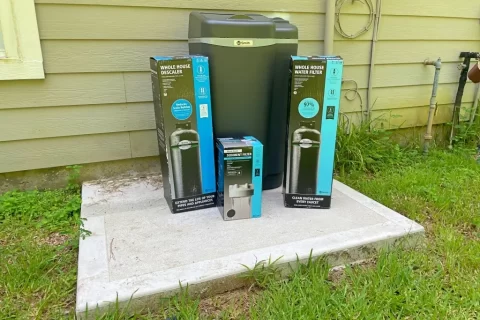
Water softener vs water filter They both rely on different mechanisms to solve different water problems. Softeners remove hard…
Key Takeaways
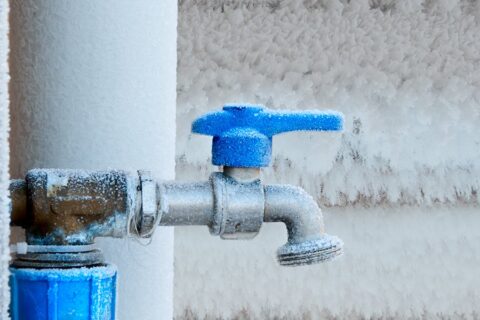
Pipes often freeze because they are exposed to cold air or because there are drafts around the pipe causing it to be…