
Maximizing Home Comfort with Variable-Speed HVAC Systems
Key Takeaways
-
You can maximize comfort and lower energy bills by choosing a variable speed HVAC system that adapts to your home’s needs in real time.
-
Enjoy improved comfort with more even temperatures, less noise and better humidity control than single- or two-stage systems.
-
By employing smart thermostats and zoning, you can take their efficiency a step further and tailor comfort to every area of your home.
-
Frequent upkeep is key to protecting your system’s lifespan and effectiveness. Replace the filters, schedule annual tune-ups, and regularly clean the outdoor unit to avoid debris build-up so the system can run efficiently.
-
Investing in a new variable speed HVAC system will involve a larger upfront investment. Even so, you’ll save on energy bills over time, qualify for possible utility rebates and spend less on upkeep.
-
Keep an eye out for new HVAC technologies so you can benefit from future efficiency and comfort advancements as they come on the market.
Maximizing home comfort and energy efficiency with variable-speed HVAC systems means you get steady temperatures and lower power bills. With these systems, I’m seeing much less of that extreme hot cold spot situation from room to room.
With fans and compressors randomly jumping between speeds, my home has a consistent comfort feel all season long. The air is perfect, never dry or sticky, even at the height of summer.
I’m not just more comfortable—I use less energy, resulting in real savings every month. Noise from the vents remains minimal, so the home remains peaceful.
When I want a combination of cozy and keep my energy use down, variable-speed HVAC allows me to achieve that seamlessly. Here’s how these systems work, and how to determine whether one is right for your home.
What Is Variable Speed HVAC?
Variable speed HVAC simply refers to a system’s ability to adjust its output to match your home’s needs at any given moment. It’s more than just a simple on and off switch. Plus, you can further customize the speed, scaling it from as low as 25% of capacity up to 100% (full capacity).
These systems tend to run at low speed, often at 50%. They run at the minimal power needed for the space. In this manner, the system is able to satisfy the demand without surplus inefficiency.
You enjoy consistent comfort and enhanced air quality because the air continues to circulate and clean. The result is that the system runs more at low speeds for longer durations. This new method consumes less energy, causing less wear and tear and repair needs.
Defining Variable Speed Technology
Modulation is the key element of variable speed HVAC technology. It allows the system to fine-tune adjustments to blower and compressor speeds, optimizing energy usage. Combined with smart or advanced sensors, your efficiency HVAC system can know almost instantly what the room should feel like and adjust accordingly in real-time.
Because of this real-time control, the temperature of the air you feel remains even—never too hot, never too cold. Since the system eliminates many costly hard starts and stops, system components have increased longevity.
Consistent operation at a lower speed results in less noise and fewer mechanical failures, making these HVAC solutions a worthwhile investment compared to traditional units.
Contrast With Single Stage Systems
Older, single-stage systems only operate at one state of capacity—full blast. They waste energy because they operate full blast, even when the building doesn’t require it. That creates hot and cold spots across a home and excessive cycling.
Compared to traditional HVAC technology, variable speed units save up to 75% more energy when running at half-speed. On top of that, they help your home stay more comfortable and quieter.
Contrast With Two Stage Systems
Two-stage systems perform better than single-stage because they cycle between high and low. Yet, even still, they simply can’t compete with the fine-tuned comfort or growing savings of variable speed units.
Variable speed is smart enough to fluctuate based on your exact needs, making minor adjustments to maintain the perfect temperature. Instead, you save money, and the air is a consistent temperature all day long.
How Variable Speed Boosts Efficiency?
Variable speed HVAC systems provide a high-tech, effective solution for increasing comfort and reducing energy consumption in your home. They dynamically optimize their work to best fit the unique needs of your home. In this manner, they don’t have to operate at max capacity or turn on and off all the time.
In exchange, you get improved comfort and increased savings. Don’t forget—you’re doing your part for the planet and saving your home from unnecessary bumps and rattles!
1. Precise Output Matching Load Needs
Variable speed systems adjust their output to match your home’s requirements. If it’s a cool, summer day with a low cooling load, the system operates at only 30%-40% capacity. Even hotter days, it really kicks in.
This type of control eliminates the waste of unnecessary power. Comfort levels are maintained. Rooms are more consistently at the desired temperature.
Using load-modulating smart thermostats, the system becomes exponentially more efficient by further matching output to the occupants’ habits. You’ll experience consistent, silky comfort—bye-bye hot and cold spots.
2. Reducing Energy Wasting Cycles
Older HVAC units are frequently switching on and off. This consumes significantly greater electricity every time they activate. Variable speed systems operate for longer periods at slower speeds, eliminating those energy-draining spikes.
This energy-efficient innovation consumes 75% less energy when running at 50% speed. Consequently, the equipment has a longer lifespan because it’s not working unnecessarily hard.
3. Longer Runtimes At Lower Speeds
Operated slow and steady, these systems with their trees, soil, and vegetation are able to purify air and help moderate urban heat island impacts. Humidity decreases, air feels crisper, and living spaces become more pleasant.
There’s just this beautiful movement of air, not blasting and screaming.
4. Significant Energy Cost Reduction Potential
Picture your energy bills being reduced from 20% – 50%. In addition, many local utilities provide rebates for these improvements.
Over time those savings compound and you do your part to protect the planet.
Variable Speed Enhances Home Comfort
Variable speed HVAC systems take a huge step towards home comfort. In addition, the unit can’t just turn on and off. It has great temperature control, operating at variable speeds to match exactly what each space requires. This translates to no more hot or cold spots.
The air circulates evenly and quietly throughout the house. This helps you get the living room comfort you love in bed too. By changing how fast it works, the system keeps your house cozy from morning till night, even when the weather changes outside.
Achieve Consistent Indoor Temperatures
These systems that are used in conjunction with smart thermostats help maintain an even indoor temperature. Rather than extreme gusts of cold or hot, the air is circulated at a gentle, consistent speed. Instead, you experience an even up-and-down comfort that was never possible with outdated systems.
This lets you unwind, fall asleep faster, and avoid a disruptive workday. Pair your variable-speed system with a smart thermostat, and you have a comfort control powerhouse on your hands. It’s a smart system that learns your habits and automatically calculates the optimal temperature at the optimal time.
Gain Superior Humidity Control
In fact, variable speed tech plays a huge role in controlling home humidity levels. It removes exactly the right level of humidity, leaving your air feeling neither muggy nor parched. Maintaining optimal humidity levels reduces opportunities for harmful mold development.
This is good for your lungs and skin, and helps keep your home healthy.
Enjoy Much Quieter Operation
These systems operate a great deal quieter. You experience less noise when it activates. Whether you’re watching your favorite movie or peacefully asleep, the purr is always there, on standby.
With both heating and cooling cycles operating quietly, your home is more peaceful and relaxing.
Improve Your Indoor Air Quality
With efficient HVAC solutions, air circulates more frequently, leading to improved airflow and cleaner filters. This enhancement not only boosts the health and safety of your home by ensuring clean air but also contributes to a more comfortable living environment.
Choosing Your Variable Speed System
To identify the ideal variable-speed HVAC system for your home, consider your priorities. Be realistic about your home and your expectations to achieve comfort and efficiency. They provide the maximum degree of comfort for your home. Selecting the proper one goes beyond just reading the label.
Consider your home’s configuration and learn about energy stars. Factor in the installation process and find out the total value over years.
Assess Your Home’s Specific Needs
Consider your specific needs. Start by focusing on what your home actually requires in terms of heating and cooling. An expansive multi-room home will need something much different. A smaller space that is well insulated may require a more efficient solution.
Variable-speed AC systems are capable of operating between 25% and 100% capacity, providing consistent comfort even when outdoor temperatures fluctuate. Talking with a trusted HVAC pro helps a lot—they can check your house, spot problem areas, and show you options that fit, so you get the most from your new system.
Understand SEER2 And HSPF2 Ratings
SEER2 and HSPF2 ratings tell you how much energy your system will use. The larger the values, the greater the efficiency and savings you can expect on your energy bills. Most homeowners experience an energy savings of 20% to 50% due to the efficiency of variable speed technology.
When you’re comparing systems, make sure to look closely at these ratings. Choosing one of the best-rated units reaps real, measurable rewards every month and makes your overall investment more intelligent over time.
Why Proper Installation Matters Greatly
The best system in the world can’t work its best without the right install. If it’s done incorrectly, not only do you miss out on the comfort boost but end up spending more in the long run. A quality contractor ensures that your new system will work effectively, quietly, and efficiently to keep your whole home comfortable… no more hot and cold areas.
Beyond that, variable speed units have lesser wear-and-tear problems when installed correctly, giving decades of dependable usage.
Factor In Long Term Value
The up-front cost for a variable-speed HVAC is $1,500 to $8,000 more than standard models, but you get much more—lower bills, fewer repairs, and a quieter home. These systems greatly reduce noise and help maintain a constant flow of clean air.
As comfort and savings begin to accumulate, it quickly becomes a no brainer in the long run.
Smart Tech Integration Benefits
Smart tech really enhances the benefits of variable-speed HVAC equipment. You save money and energy while enjoying greater comfort with more consistent heating or cooling. Take smart, energy-saving steps to simplify your home, improve comfort, and save on monthly expenses.
Best of all, you can keep it all just the way you like it! Smart thermostats are a prime example. Smart thermostats track your habits, adjusting to the perfect temperature when you’re home and dialing down when you’re away. That adds up to significantly reduced waste and savings of $19 billion. Most people save an average of 30% on their energy bills annually.
Optimize Heating Cooling Schedules
Smart systems enable you to program a preference that works with your lifestyle. Your smart thermostat knows when you’re at home or on the go. It chooses the most efficient time to heat or cool, meaning you’re not preheating an empty home.
You could have a warm cozy living room waiting for you when you wake up in the morning. Or, in the summer, you can turn down the AC while you’re at work. This kind of smart planning adds up to real savings both in dollars and in comfort with little extra effort. It’s easy to adjust these plans on the fly if your daily schedule shifts.
Enable Smart Zoning Capabilities
Smart zoning allows you to choose varying temperatures for each area of the home. Perhaps you’d prefer to keep the bedroom cooler at night and the living room warmer during the day. Variable-speed systems go hand-in-hand with this tech to move only the air you need, where you need it.
This is especially useful in larger residences or where the family members may have varying preferences. It’s a win-win—everyone gets what they want, and you save more energy and emissions.
Use Remote Control And Monitoring
Monitor and adjust your system from your smartphone, anywhere—even when you’re away from home. You can check how much energy you’re consuming, receive notifications about issues like overheating equipment, and much more.
This allows you to nip things in the bud and address minor emerging problems before they explode. Because the reports are based on actual numbers, it is much easier to identify trends to help guide smart decisions.
Maximize Overall Energy Savings
Smart HVAC = ongoing savings. Smart thermostats and HVAC systems save. Monitor for proper maintenance and stay up-to-date by reviewing your system’s performance reports.
The technology helps identify waste and provides recommendations to encourage more efficient practices. Every step you make counts—reduce your bills and stress while making your home more sustainable.
Maintain Your Variable Speed System
Maintaining your variable speed HVAC equipment is an important part of ensuring that your home is always comfortable and your utility bills are low. You’ve made a smart investment when you choose a variable speed air conditioner, so follow these guidelines to help it run like new for a long time.
Thanks to our friends at EcoPublic, TIPS Regular regular maintenance = less trouble, more consistent temperatures and reduced energy consumption. Working with Modern Comfort, you get a team that knows how to set things up right and keep them there, so you always get the most from your investment.
Perform Regular Filter Changes
Filters remove dust, pollen, and other nasties from the air before it gets circulated through your home. Changing out dirty filters not only helps maintain good air quality, it improves airflow through your system.
Most folks find a filter swap every 1–3 months works, but homes with pets or allergies might need it monthly. Keeping up with this basic maintenance step will keep your system running longer and save you more money on repairs.
Schedule Professional Annual Tune Ups
An annual professional tune-up will help keep your system in top shape and ensure its safe operation. Only skilled techs can spot worn parts, loose wires, or small leaks before they become big problems.
An annual maintenance visit lowers your system’s energy consumption and keeps you feeling consistent comfort through every season. In short, preventive care lays the foundation for less worry and fewer hiccups.
Keep Outdoor Unit Debris Free
Debris, like leaves, grass, and dirt, surrounding your outdoor unit really slows things down. When airflow is restricted, the system has to work harder to cool a space and, as a result, consumes more energy.
As needed, every few weeks, cut plants back and remove leaves and other debris. In fact, a clean unit operates at a lower temperature and has a longer lifespan.
Check Ductwork For Leaks
Leaky ducts can send cooled or heated air into unoccupied spaces, leaving the rooms you actually use uncomfortable and increasing your expenses. Regular spot checks each season and sealing any holes will ensure your system is air-tight.
When air flows where it needs to, comfort and savings are sure to follow.
Debunking Variable Speed Myths
Variable speed HVAC systems are some of the most queried systems, and many people are still skeptical about their true value. Others believe that the biggest or most expensive system is the best one, but that is rarely the case. Bigger is not better… right?
A variable speed unit is so scalable that it can be dialed in to any home size and occupant needs. It’s hard for many to get over the sticker shock of these systems. It’s critical that we take a hard look at the positive and the negative.
Addressing The Higher Initial Cost
So at a surface level, the sticker price for a variable speed system looks pretty daunting. Most people look at the increased upfront expense and don’t go any further. When you look at the breakdown by mile, the narrative changes.
In the long run, energy-efficient systems save taxpayers by reducing monthly bills. A SEER 21 unit can help reduce your annual energy bills by hundreds of dollars. How much you save will be determined by your driving habits and where you live.
Frequent usage, in conjunction with a hot climate, hugely speeds up the savings. Consider the system an investment in a long-term planning tool rather than a short-term fix. It’s what allows your HVAC system to do its job of keeping your home comfortable while stabilizing your budget.
Calculating True Long Term Savings
While energy bills are certainly important to consider, savings can significantly extend beyond this metric. Take into account the average local energy rates. Consider, too, how often you operate the system and how effectively you maintain it.
Neglecting annual maintenance results in failures. Preventive maintenance can eliminate as much as 30% of all failures due to lack of maintenance. The “5,000 rule” provides easy criteria for balancing repair costs against replacement.
When you consider consistent savings and reduced maintenance costs, variable speed systems usually come out on top in the long run.
Reliability Compared To Simpler Systems
Variable speed models are equipped with smart technology that prevents them from operating choppy. They run at more even speeds, so components aren’t turning on and off as frequently, which leads to longer component life and less wear and tear.
These systems integrate nicely with home automation appliances, allowing you to control even more from one central location. When your system performs 24/7, 365 days a year, that level of reliability is essential for peace of mind and consistent comfort in every room.
Future Variable Speed Innovations
Variable speed HVAC systems represent a significant advancement in the HVAC world. There’s an undeniable trend of increasing technological and energy use within the home. Recent advances have greatly improved these new systems’ feasibility, enabling them to cut energy bills by as much as 30%.
They keep the temperature in the rooms very even and comfortable. These systems are rapidly evolving. You’ll learn about plenty of other cost-effective strategies to keep your place comfortable all summer long.
Variable speed motors precisely adjust airflow, so cooling and heating perfectly match your needs where and when you need it during the day. In addition to providing you with a more peaceful, harmonious home, it’s significantly better for the environment by reducing landfill waste.
Smart home technology is rapidly transforming how we interact with HVAC systems. Smart thermostats and voice-activated controls have become familiar features. Whether it’s a few taps on your smartphone or a voice command to a virtual assistant, climate control has never been easier.
These tools work best with variable speed systems. They allow you to effortlessly keep your home supplied with crisp, clean air at the ideal temperature. Down the road, for example, systems will connect effortlessly with other intelligent infrastructure.
They’ll discover your routines and even proactively set them up for you, so you’ll never have to touch a dial. This translates to no more hot and cold zones—only consistent, even warmth.
Keeping abreast of these trends allows you to make informed decisions that will serve you best in the future. The U.S. Federal government offers $2,000 in tax credits to homeowners who install qualifying energy-efficient HVAC systems.
By switching, you’re doing something good for the planet and saving money at the same time! Newer models increasingly are including air quality considerations as more homes are installing heat pumps and air purifiers.
With each new system, you enjoy increased comfort, save more money, and contribute to creating a cleaner, greener future.
Conclusion
Not only do they contribute to a quiet operation and greater comfort in each room, a variable-speed HVAC system promotes reducing energy-related expenses. I notice my home maintaining consistent temperatures, no dramatic changes, just a calm, pleasant atmosphere. Your air feels more serene, with decreased dust and moisture accumulation. These are the tangible impacts I see on my bills—less energy wasted, more savings appearing on my utility statements. Goodbye tired thermostat. With smart add-ons I can set temps from my phone or even let the smart system learn my habits. Regular maintenance ensures that every component works at peak performance and minimizes the chances for a breakdown to occur. Want to improve home comfort and reduce money spent on utility bills? That said, I encourage you to consider a variable-speed system for your next replacement.
Frequently Asked Questions
What makes a variable-speed HVAC system more energy efficient?
Variable-speed HVAC systems adjust their output levels to match your home’s specific heating and cooling needs, ensuring optimal comfort while minimizing energy waste, which leads to significant savings on monthly energy bills.
How does a variable-speed HVAC improve home comfort?
These efficient HVAC systems keep homes more comfortable by constantly moving air and making minute changes to temperatures, resulting in significant energy savings and improved humidity control compared to traditional air conditioners.
Are variable-speed HVAC units compatible with smart thermostats?
Yes, in fact, most modern variable speed HVAC technology systems are designed to work easily with smart thermostats. This integration provides advanced HVAC solutions, including accurate, zoned temperature control, scheduling, and remote access to help deliver optimal comfort and improve energy efficiency.
Is maintenance for variable-speed HVAC systems different from regular systems?
To ensure optimal comfort and efficiency, schedule annual professional checkups for your HVAC system, replace filters regularly, and keep the area around your unit clean.
Will a variable-speed HVAC system cost more to install?
The catch is that variable speed HVAC technology systems come with a much higher upfront cost. True, their significant energy savings and improved indoor comfort pay for the initial investment over time.
Can a variable-speed HVAC system help with indoor air quality?
In fact, variable-speed HVAC technology operating longer at lower speeds provides better air filtration and purification, enhancing indoor comfort and resulting in cleaner indoor air.
What are some common myths about variable-speed HVAC systems?
Another misconception is that traditional air conditioners are way more costly to operate. In practice, their efficiency HVAC systems lead to lower monthly energy bills and significant savings overall. A second myth is that they require more maintenance, which is false.
Key Takeaways
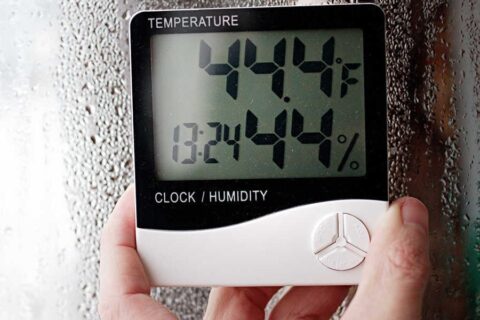
Keep an eye on your home humidity level with a hygrometer and humidistat, and try to maintain it between 30 percent and 40…
Key Takeaways
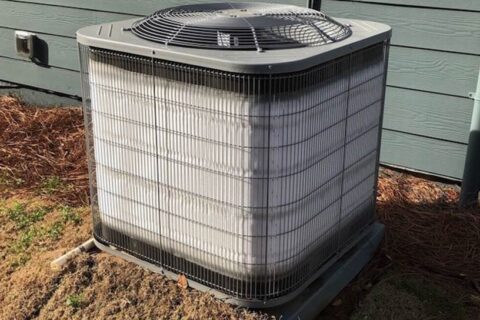
Inspect often for obstructed airflow, filthy filters, and coil pollution to avoid AC freezing and ensure optimal…