
Why Is My Water Pipe Sweating, What Causes It, and How Can I Stop It?
Key Takeaways
-
Condensation occurs when warm humid air comes into contact with a cold pipe surface and the temperature of the pipe is at or below the dew point. Track dew point and pipe temperatures to anticipate risk.
-
High humidity, wide temperature differences and stagnant air all increase pipe sweating, so dehumidify, ventilate and temper as first measures.
-
Covering pipes with the right insulation – closed-cell foam, fiberglass, or more advanced options like hydrophobic aerogel – is not only an excellent preventative but safeguards against freezing.
-
Periodic inspection of exposed and hidden pipes, combined with easy controls such as drip trays and anti-condensation coatings, minimizes water damage and mitigates mold and corrosion hazards.
-
Tackle building-level factors by evaluating ventilation, mapping microclimate zones, and targeting retrofits in high-risk zones to maximize maintenance budgets.
-
What a great opportunity to mix and match solutions and follow results by measuring relative humidity, energy consumption, and insulation condition before and after interventions to verify reduced condensation and more efficient system function!
It’s what causes condensation on your water pipes. Most frequently, it affects cold supply lines, particularly in unventilated areas or in humid summer conditions.
It is typically caused by high indoor humidity, low pipe temperature, insulation issues, and temperature differences in the vicinity like appliances or ducts. Knowing the culprit directs repairs such as insulation, ventilation, or humidity control.
The Science
Water pipe condensation forms when warm moist air encounters a cold pipe and the air becomes saturated. The vapor condenses back into liquid droplets on or near the cold surface. This process is driven by basic thermodynamics: air has a temperature-dependent capacity for water vapor, and when local conditions force the air temperature at the pipe surface to fall to the dew point, liquid forms.
That moisture manifests itself as “sweating” pipes and can cause stains, drips, and even corrosion if left untreated.
1. Dew Point
Dew point is the temperature at which air is saturated and moisture condenses on cool surfaces such as pipes. When a pipe surface hits or gets below that temperature, sweat and water accumulate. More humidity inside increases the dew point.
Colder pipe temperatures decrease the surface temperature in relation to the air. Either change can push you past the dew point. Things that reduce the dew point are increasing humidity, adjacent drying, or an abrupt decrease in pipe temperature.
By tracking dew point in laundry rooms, basements, and other moisture-heavy locations, you can anticipate when condensation will begin.
2. Temperature Differential
Condensation grows worse with larger temperature gaps between pipe surfaces and surrounding air. Cold water running through pipes in hot months often produces heavy sweating as the pipe surface stays well below room air temperature.
Both cold and hot pipes can sweat if their surface temperature differs enough from ambient conditions. A hot pipe in a cool, very humid room can collect condensate. Insulation reduces that surface-to-air temperature gap and cuts down on sweating by slowing heat exchange.
3. Humidity Levels
High relative humidity makes condensation on pipes more likely and more plentiful because the air is already saturated with moisture. A dehumidifier in basements and laundry rooms decreases humidity and cuts pipe sweating.
Excess moisture increases the danger of pipe surface mold and water staining, and monthly percent moisture checks with a hygrometer provide a definitive risk read. A certain degree of pipe sweating is to be expected in warm climates and summer seasons, but control minimizes harm.
4. Air Circulation
Bad air circulation means humid air remains close to your pipes, and condensation keeps forming. Fans or open windows ventilate by displacing moist air and reducing sweating.
Stagnant zones such as crawl spaces and utility rooms are usual suspects and should be included in your listing of targeted ventilation fixes to decrease lingering moisture.
5. Pipe Material
Metal pipes such as copper are good conductors of heat and are susceptible to condensation because their outer surfaces rapidly reach the same temperature as the chilled fluid inside.
Plastic pipes may de-sweat less, but they can still pool water in ultra-humid environments. Insulative materials capture air to prevent heat transfer. Moisture-resistant forms like rubber or aerogel provide enhanced protection.
Conventional insulation can wick water and cause corrosion under insulation if it sweats, so select materials and fit with caution. Water-resistant insulation provides more uniform protection against condensation throughout the year and minimizes freezing when it’s cold.
Environmental Triggers
Environmental triggers decide if and when condensation forms on water pipes. They manage air temperature, humidity, and air flow on the pipe surface. Condensation occurs anytime a pipe’s outside temperature dips below the dew point of the surrounding air. Weather, season, building location, and ventilation habits all play a role.
The subsections below detail the root causes and provide actionable steps to evaluate and minimize pipe sweating.
Seasonal Shifts
‘Pipe sweating’ is most prevalent during hot, humid summer months when ambient air contains greater moisture and the dew point is higher. When the outdoor humidity is high and the air is warm, there’s a fiercer urge for water to condense on any cool surface. Rapid swings in temperature during spring or autumn can cause sudden condensation.
Warm, humid daytime air followed by cool nights can push the pipe surface below the dew point without warning. Get ready for the seasons to change, racking your brain to remember if you checked the exposed pipes and patched the insulation before the summer high.
Look for torn pipe wraps, worn insulation and evidence of previous moisture, such as staining or mineral deposits. Maintenance checklist: inspect insulation condition, measure surface temperature versus indoor dew point, seal drafts that bring humid air and test HVAC dehumidification settings.
Building Ventilation
Inadequate ventilation traps humid air and raises local relative humidity, increasing the risk of condensation on water and refrigerant lines. Areas with poor air exchange, such as laundry rooms, bathrooms, and basements, commonly show early signs of pipe sweating because moisture is generated and not removed.
Evaluate HVAC equipment and exhaust fans for proper flow rates and ensure they vent outdoors rather than into attic or crawl spaces. You can install extra vents or even utilize portable fans to push moist air away from exposed pipes.
Simple tactics include running bathroom fans during and after showers, adding a vent in a laundry area, and using a dehumidifier where central systems fall short. Routine checks should encompass airflow inspections, fan function, and visual indications of moisture.
It’s easy to overlook that stuff in poorly lit basements, so supplement with task lighting during checks.
Geographic Location
Areas with naturally higher humidity, such as coastal, tropical, and subtropical climates, are at increased risk for condensation throughout the year. Cities can exacerbate the issue with heat islands, little drainage, and increased indoor moisture from compact occupancy. Tailor prevention to local climate.
Coastal buildings may need stronger insulation and continuous dehumidification, while temperate zones can rely more on seasonal measures. Map geographic risk zones within a building to target interventions: mark coastal-facing walls, lower floors near ground moisture, and interior rooms with poor circulation.
Employ insulation that resists microbiological growth to reduce the risk of mold and mildew in areas prone to condensation.
Hidden Dangers
Hard water condensation is more than a nuisance. It’s a symptom of failures in managing moisture that, if ignored, can escalate into structural, health, and financial nightmares. Prompt care of even minor signs of pipe sweating assists in constraining permanent damage.
Structural Damage
Permanent moisture causes those distinctive water stains and dark spots and peeling paint on walls, floors, and ceilings. In basements or poorly lit crawl spaces, these stains can go unnoticed for months, enabling moisture to seep into framing and plaster. It’s these hidden dangers that we are really concerned about.
Excess moisture softens wood and fibrous materials, causing rot and warping that shift load paths and can crack finishes. Metal plumbing and fittings rust when exposed repeatedly to thin films of water. Corrosion erodes pipe walls and joint strength, increasing the chance of pinhole leaks or catastrophic failure.
Little consistent dripping can then turn into major leakage. Interstitial condensation—moisture within walls or ceilings—leads to hidden rot around studs and between layers of drywall, frequently detected only in the course of expensive renovations. Regular inspections, particularly in humid areas, detect early rust, staining, or soft spots before they necessitate total replacements.
Water dripping onto floors poses its own dangers. Hardwood and laminate buckle, tile grout breaks down, and insulation saturates and becomes worthless. Frequent visual inspections in basements, attics, and below sinks minimize the risk of undetected damage.
Health Risks
Hidden moisture provides perfect breeding grounds for mold and mildew. Spores colonize wet surfaces within days and ongoing proliferation can induce allergies and exacerbate asthma in vulnerable hosts. Wall cavities or ceiling voids may harbor mold and release spores in living spaces without any apparent surface manifestations.
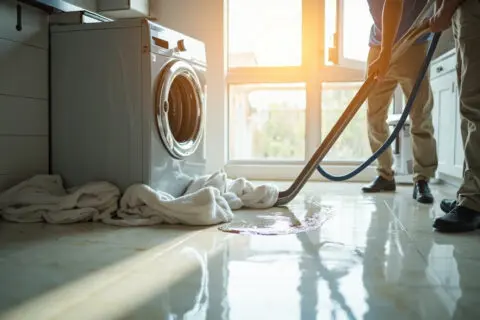
Sweating pipes’ puddles feed bacteria and other microbes. Stagnant water by washing machines or in basements invites bugs and can generate musty odors suggesting microbial growth. Cleanup following long-term infestations is costly and can’t necessarily undo the health effects.
Removal frequently involves opening up wall sections and replacing insulation. Maintain indoor humidity below 30 to 50 percent and increase ventilation in problematic areas to reduce chances of mold growth. Immediately dry wet areas and remove damaged materials.
Efficiency Loss
Condensation causes additional heat transfer loss on hot pipes and added thermal load to chilled lines, so the system works harder to maintain set temperatures. Wet insulation quickly loses its insulating value, forcing boilers, heaters, and chillers to run longer and consume more energy.

Higher energy use manifests as increased bills and less stable water temperature at drains. Condensation may erode HVAC coils and controls, contributing to early equipment wear. Measure energy consumption before and after repair, such as insulation, vapor barriers, or dehumidification, to quantify savings to substantiate fixes.
Prevention Methods
Condensation occurs when a cold pipe surface comes into contact with humid air and the pipe’s temperature falls below the dew point. Antistatic Prevention – preventing condensation requires a combination of strategies customized to specific building conditions, regular inspections, and defined courses of action.
Here’s a handy checklist of how to stop pipes from sweating, followed by treatments in insulation, dehumidification, and ventilation.
-
Pipe survey and prioritization: Take an inventory of pipe locations, materials and use (cold water, chilled lines). Mark any humid areas such as basements, laundry rooms and mechanical closets. Rank pipes by risk. Exposed cold-water lines and chilled-water systems come first.
-
Install the right insulation: Either opt for fabrics that hold air in fibers or are moisture resistant. Tubular foam is easy to work with, fiberglass with a vapor barrier is for exposed runs, or premium solutions like ThermaX cold jackets and hydrophobic aerogel are for extreme or tight locations.
-
Regulate atmospheric moisture: Use dehumidifiers in trouble spots and test relative humidity with a hygrometer. The point where condensation forms is your target, adjusting it as seasons change.
-
Increase airflow: Ventilate with exhaust fans, openable windows, or portable fans. Keep your HVAC vents and ducts clean and unblocked so that air can circulate evenly around pipes.
-
Plan service and inspections: Prevention includes inspecting insulation integrity, checking for mold-prone areas, and servicing dehumidifiers. Note findings on a running checklist to identify patterns and detect early perspiration.
-
Shield from frost: Insulate appropriately in cold climates and supplement with heat trace or controlled heating where necessary to avoid freezing and subsequent repairs.
-
Maintain awareness of expenses: Well insulated at installation will lower life-cycle costs. Record materials and replacement schedule to prepare budgets.
Insulation
Use pipe insulation that maintains the metal surface at or above the dew point. Tubular foam is simple to install on most pipes. Fiberglass with an outer vapor barrier is great where abrasion or UV exposure is a concern.
In tight spaces or high-risk environments, think ThermaX cold jackets or hydrophobic aerogel. They resist moisture absorption and tend to inhibit microbial growth, which helps prevent mold and mildew on or around pipe runs. Identify all implicated pipes, rank exposures, and annotate insulating work on the floor plan.
Dehumidification
Place dehumidifiers in basements, laundry rooms, and plant rooms. The preventive measure for moisture, measured by a hygrometer, is used to control the setting of the unit.
Many units are designed to function optimally when maintaining relative humidity below local dew point levels. Marry dehumidification with insulation. Service filters, coils, and drains regularly to maintain consistent performance and to prevent breakdowns that cause sudden sweating.
Ventilation Improvement
Improve air circulation where pipes sweat – install exhaust fans, open windows when possible, or utilize portable fans to circulate air past pipes. Inspect vents and ducts regularly and clean obstructions so air can flow freely.
Record every ventilation modification and its impact on condensation in the inspection checklist. Better ventilation reduces local humidity and promotes dry pipe surfaces.
Advanced Solutions
Advanced approaches target root causes of pipe condensation: surface temperature, ambient humidity, and air movement. These solutions don’t stop at insulation; they use materials and practices that resist moisture, limit mold, and stand up to extreme temperature variations.
Here’s a handy summary table contrasting advanced solutions with traditional ones.
|
Solution |
What it does |
Effectiveness vs traditional methods |
Typical cost considerations |
|---|---|---|---|
|
Closed-cell insulation (foam) |
Blocks moisture, traps air in cells |
Higher — resists water entry and microbial growth |
Moderate upfront, long life-cycle savings |
|
Reusable insulation wraps |
Removable covers for access/inspection |
Higher — flexible, reduces waste, good for maintenance |
Low–moderate, reusable lowers long-term cost |
|
Anti-condensation coatings |
Surface treatment to repel moisture |
Medium — best when used with insulation |
Low, periodic reapplication needed |
|
Ventilation improvements (fans, vents) |
Lowers ambient humidity and raises dew point |
High — reduces overall condensation risk |
Variable; ventilation can be cost-effective |
|
Cryogenic/extreme-temp jackets |
Handles extreme temps and humidity |
Very high in specialized settings |
High initial cost, needed for specific systems |
Mixing techniques provides maximum defense. For instance, closed-cell insulation, anti-condensation coating, and enhanced ventilation keep pipe surfaces warm, repel moisture, and reduce room humidity.
That combination minimizes mold potential, trims maintenance, and prolongs insulation longevity. Utilizing insulation that resists microbial growth and moisture provides lifetime returns and saves building managers millions across a building’s life cycle.
Drip Trays
Fit drip trays under pipes that sweat to catch water and protect finishes and stored items. Select trays sized to the pipe run and constructed from corrosion-resistant material. Situate them where gravity deposits drips and where they’re easy to empty.
Empty and rinse trays on a consistent schedule to prevent mold and mildew. Soap it with some gentle detergent and rinse. Think about incorporating an access panel to facilitate maintenance and inspection.
Benefits of drip trays:
-
Trap the droplets and prevent them from staining or rotting surrounding materials.
-
Provide visible early warning of persistent condensation.
-
Cheap and fast to install compared with structural fixes.
-
Useful temporary measure during insulation upgrades.
Drip trays are particularly valuable in basements, laundry rooms, and near water meters where the atmosphere is humid and leaks are prone to being overlooked.
Pipe Wraps
Use closed-cell foam, rubber, or fiberglass pipe wraps to manage condensation at its origin. Closed-cell options resist water intrusion and mold. Rubber provides flexibility for unusual shapes.
Inspection and repairs are easier with reusable insulation wraps. Just remove and refit during maintenance without degrading the material. They further assist in preventing freezing and reducing condensation risk.
Wraps function on hot and cold lines in a lot of environments. Use manufacturer-recommended overlap, tape, and seam sealing to maintain insulation value and prevent gaps that welcome perspiration.
Anti-Condensation Coatings
Anti-condensation coatings create a surface layer that prevents wetting and sweating on pipes. They come in handy where complete insulation is not feasible, like irregular fittings.
Coatings with insulation, please. Coating alone is a big help but might require frequent re-application. Select items rated for the temperature and humidity anticipated, with cryogenic jackets for extremes.
Recoat as needed to maintain performance and pair with ventilation and moisture resistant insulation for a comprehensive strategy.
The Unseen System
The unseen system is the pipes, ducts, and HVAC equipment working behind the scenes to keep temperature and humidity in check in buildings. Condensation on an exposed run of copper is frequently just the tip of the iceberg.
It is all too common for the pipes lurking in walls, ceilings, and crawl spaces to sweat silently. Hidden moisture can rot insulation, rust metals, and nurture mold long before anyone smells or sees it.
Psychrometric Impact
Psychrometric components—air temperature, relative humidity, and pressure—determine when and where condensation will develop. The dew point is key: when humid air meets a surface cooler than its dew point, water drops form.
For instance, chilled water lines in an air-conditioned environment can make dew point contact even in winter if indoor humidification increases the room vapor levels. The psychrometric chart maps dry-bulb temperature and relative humidity combinations and predicts pipe surface temperatures that will sweat.
Modify building controls to maintain indoor conditions away from those dew point ranges. Reducing indoor humidity by 5 to 10 percent frequently stops condensation more effectively than adjusting pipe temperatures.
Train maintenance staff on reading psychrometric charts and on how supply airflow, return location, and pressurization impact local humidity. A trained crew can predict problems and adjust HVAC set points prior to dew formation.
Microclimate Formation
Little cubby-holes around pipes can become microclimates with increased humidity and low ventilation. Crawl spaces, utility closets, and service voids typically hold warm moist air against cool piping.
These pockets allow the relative humidity to increase until the dew point is reached on pipe walls. Locate these zones during inspections and take temperature and humidity measurements at pipe level instead of room center.
Local solutions succeed where whole-building changes fail. Install point dehumidifiers, add air vents to encourage circulation, and insulate exposed runs.
Insulation catches dry air in its fibers to impede heat movement. If it soaks up water even at 1% by volume, its thermal efficiency dives. Conductivity increases roughly 30%.
Identify microclimate zones for targeted interventions to worst spots and use local monitoring to confirm improvement.
Retrofitting Challenges
It’s tricky and expensive to retrofit older buildings with modern insulation and ventilation, and materials need to be compatible with existing systems. Target high-risk areas like basements, exterior walls, and long chilled-water runs first to achieve maximum benefit with minimum disturbance.
Collaborate with a plumbing contractor to create custom jackets, barrier wraps, or mini duct runs that hug the existing geometry. Record all retrofits and materials so that future teams know what was done.
Moisture can increase heat flow by as much as three hundred percent with twenty percent moisture, so clean records assist in diagnosing future problems and minimizing rework.
Conclusion
Condensation on water pipes occurs when warm, moist air comes into contact with a cold pipe. That straightforward truth connects the reasons, threats, and remedies. Insulation reduces heat transfer and minimizes drip potential. Ventilate and dehumidify to reduce the humidity of the room. Seal leaks and keep air flowing near pipes. For metal pipes in unheated spaces, apply closed-cell foam or vapor-barrier wrap. For longer runs, include thermal breaks or reroute lines into conditioned space. Routine inspections detect rust and mold at an early stage. Small steps often stop big damage: a foam sleeve, a fan, or a dehumidifier. Choose the solution that suits your room and wallet. Like a quick to-do list or product recommendations for your system? I can whip one up.
Frequently Asked Questions
What causes condensation on water pipes?
What makes water pipes sweat is the chilling of the air in their vicinity below the air’s dew point, converting vapor to droplets.
Is pipe condensation just a cosmetic problem?
No. It’s not only unsightly, it can stain walls and cause paint or plaster to peel. If not addressed, it can result in mold growth and structural damage.
How can I quickly stop condensation on a cold water pipe?
Cover the pipe in foam insulation or polyethylene pipe wrap. This decreases surface cooling and prevents humid air from hitting the pipe.
Will increasing ventilation reduce pipe condensation?
Yes. Improved ventilation reduces interior humidity. Turn on exhaust fans, dehumidifiers, or increase airflow to maintain humidity under 50 percent and lower condensation chances.
When should I call a professional about pipe condensation?
Call a plumber if condensation returns following insulation, if you notice mold, or if pipes sweat near electrical components or lead to water damage. Experts will be able to track down insulation, ventilation, or plumbing problems.
Does insulating hot water pipes help with condensation?
Insulating hot water pipes mitigates heat loss and can prevent adjacent cold surfaces from chilling the air to the dew point. It increases energy savings.
Can condensation freeze and cause pipe damage?
Yes. In cold conditions, this condensation can freeze on surfaces and amplify the pipe frost hazard. Insulation and temperature control prevent freezing and its associated damage.
Key Takeaways
Understand typical issues such as drain clogs, incorrect installation, and pump or hose malfunctions to target fixes where…
Key Takeaways
We recommend changing your evaporator pad at least once a year, prior to the heating season. Coordinate the change with…