
Plumbing and HVAC Services in Colorado | Installation, Repair, and Maintenance
Key Takeaways
-
Colorado’s high altitude, dry climate, and rapid population growth have compounded this problem. This conditions call for specific HVAC and plumbing products like whole-home humidifiers, freeze-thaw pipe protection and appliances to counteract hard water.
-
Keeping HVAC systems and water heaters—and plumbing in general—well-maintained keeps them running more efficiently. It protects you from expensive emergencies too, which is important considering Colorado’s extreme temperature fluctuations and other environmental impacts!
-
For homeowners, it is important to know that all HVAC and plumbing work requires proper licensing and permitting in Colorado. This ensures health and safety protection and building code compliance.
-
By investing in greener systems, such as high-efficiency HVAC systems and geothermal technologies, you can save money over time. Additionally, employing solar-assisted technologies is a great way to minimize your environmental footprint.
-
When hiring contractors, always verify insurance, licensing, and local experience, and rely on reviews and referrals to ensure quality service.
-
Whether you want to work in HVAC or plumbing in Colorado, find accredited training programs and apprenticeships. Continuing education is the key to keeping up with the state of Colorado’s increasing need for trained techs!
Plumbers and HVAC professionals across Colorado help keep our homes and work spaces safe, clean and comfortable. They can best deploy and manage our water, heat, and air systems. They repair leaks, unclog drains, replace water heaters, and outfit homes with piping for bathrooms and kitchens.
For heating and cooling needs, HVAC crews deal with furnaces, air conditioners, swamp coolers, and duct systems. They monitor indoor air quality and support energy efficiency retrofits, which are increasingly important in Colorado’s climate crisis.
In Colorado, codes and rules establish very high standards for plumbing and HVAC work. Consequently, the majority of work done needs a state license. An honest breakdown of these services goes a long way in setting accurate expectations for Colorado residents.
Only then can they have real confidence when they call for emergency help or plan a major reconfiguration. Our central staff will elucidate the nitty gritty in subsequent webinars.
Colorado Climate: Unique Home System Challenges
Colorado’s cocktail of high altitude, arid environment, and abrupt temperature transitions presents some serious home system challenges. That means most homes here require solutions that accommodate these local quirks — not the out-of-the-box fixes you find elsewhere.
Residents experience a wide array of unique system challenges, including issues with freeze-thaw cycles, hard water, and long, dry winters. All of this places a heavy burden on plumbing and HVAC systems and illustrates the importance of specialized care.
High Altitude HVAC Performance
At elevations over 5,000 feet, HVAC systems perform less effectively. Increased altitude results in lower available oxygen, which causes furnaces to burn fuel less cleanly, and air conditioners have to work harder to cool thin, dry air.
This isn’t just a minor dip—units that are not rated for high altitude can experience output reductions of 10-20%. High-efficiency systems (in particular those with SEER ratings exceeding 25) perform much better in such conditions.
Local techs routinely make burner adjustments or air mix ratio recalibrations for safe, smooth operation. Twice-yearly checkups allow pros to catch trouble before breakdowns occur, especially during busy summer and winter seasons.
Dry Air & Whole-Home Humidifiers
Colorado’s arid condition—particularly during winter—usually results in relative humidity in homes less than 30%. That equates to dry skin, static electrical shocks and, in worst cases, even cracked hardwood floors.
Whole-home humidifiers, like this one made by AprilAire®, provide comfort by maintaining consistent moisture levels. It improves comfort and preserves woodwork and keeps electronics functioning properly.
Maintaining indoor humidity levels around 40% is ideal for health and reduces strain on the HVAC by running more efficiently.
Freeze-Thaw Plumbing Protection
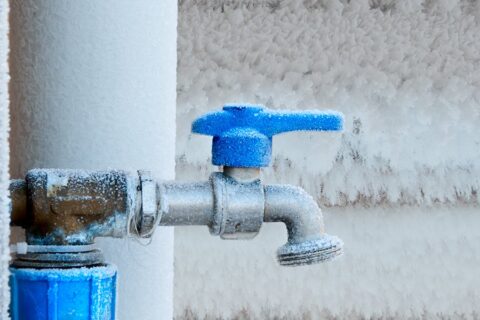
Pipes in climate zone 7 experience extreme freeze-thaw cycles, with a high potential for burst pipes and leaks. Supplementing with additional insulation or heat tape, and making winter visits to check on them, mitigates these risks.
In addition, PEX tubing is a great fit for these conditions because it flexes with the temperature swings, it is less prone to splitting.
Hard Water Woes Statewide
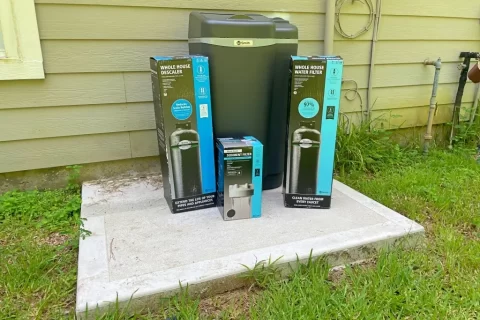
The problems with hard water are not limited to these cities—most of Colorado has hard water. This leads to a build-up of scale in pipes and reduces the lifespan of appliances.
Water softeners and routine plumbing flushes clear mineral buildup to avoid clogs and extend the life of home plumbing and fixtures.
Colorado Plumbing Services: Beyond Leaky Faucets
Colorado plumbing services go beyond leaky faucets and clogged drains. Her company, which serves about 700 customers in the Colorado Springs area, regularly responds to frozen pipes in the winter, sewer backups, and water heater problems. Your local Colorado plumbers do much more than fix leaky faucets.
Whether it’s summer or winter, whether your home is brand-new or decades old, they keep everything running just right.
Essential Pipe Repair & Replacement
Making an inventory of aging pipes is a good first start. In Colorado, older homes might have pipes that need repairs or even full replacement, especially if there’s low water pressure or repeated leaks.
Whether it’s sewer line repair or a new water line installation, our plumbers install long-lasting materials, including copper or PEX for new installs. Honest, upfront pricing and free detailed quotes ensure you have no surprises and know what to expect.
Water Heater Solutions for Colorado
Water heater problems arise suddenly, from running out of hot water to loud bangs and clanks. Plumbers understand tankless versus traditional water heaters and can assist your residential or commercial clients in choosing which option is best for their individual needs.
Routine maintenance, such as regularly flushing out sediment, can help prolong the life of these systems. This prevents unexpected cold showers and helps maintain lower energy costs.
Drain Cleaning: A Mountain Must
Clogged drains and toilets are headaches owned by most every man and woman who lives in the Rockies. Plumbers rely on expert tools to clear your drain clog and leave your drains running smoothly.
Having a regular drain cleaning schedule keeps serious issues at bay, such as backups and unsightly, smelly overflows.
Sump Pumps & Basement Waterproofing
Given Colorado’s once-in-a-generation weather, flooding can be an issue. Installing a sump pump or waterproofing a basement significantly reduces chances of water damage.
Experienced plumbers can help to walk the homeowner through the best options based on local soil and water levels.
Gas Line Work: Safety First
Furnishing a new gas line requires rigorous safety inspections. Licensed plumbers in Colorado handle installs and repairs, always following local rules.
Routine leak detection inspections identify leaks before they become a danger, ensuring your home is protected.
Year-Round Comfort: HVAC Services
Heating and plumbing frequently go hand-in-hand here. That’s why so many plumbers provide HVAC assistance as well—repairing furnaces or maintaining air conditioning units.
Preventative maintenance prevents minor issues from becoming major disasters.
Colorado HVAC Services: Keeping You Comfortable
Colorado’s climate has harsh winters, and hot, dry summers. Keeping a well-maintained HVAC system working at its best is important to protecting your home comfort. Homeowners in Colorado Springs are accustomed to budgeting for annual maintenance ranging from $100-$200. This kind of routine maintenance allows you to identify small issues before they become costly repairs.
1. Furnace Installation & Repair
Selecting a new furnace model with energy efficiencies in mind will reduce energy consumption and heating expenses. During Colorado winters, having a furnace you can count on is essential. Routine furnace maintenance and cleaning will ensure your unit operates efficiently and allow you to detect problems before they become major repairs.
A broken igniter or a clogged air filter may lead to breakdowns, but they could have been avoided through regular upkeep. Typical repairs, such as replacing a thermostat or changing a capacitor, typically range from $300–$600. When your home has quality insulation, it will be much easier to keep the heat in and the cold out, giving your furnace a break.
2. Air Conditioner Services & Installs
Choosing the best air conditioner based on your home’s square footage and cooling requirements makes a big difference during Colorado’s dry summer months. Regular preventive maintenance is key. Seasonal tune-ups, which include cleaning coils and checking refrigerant levels, keep the system working efficiently.
Regularly changing dirty filters improves airflow, so your cooling system doesn’t have to work as hard. This not only enhances comfort but also prolongs the lifespan of your air conditioning unit.
3. Heat Pump Systems Explained
Heat pumps are a two-in-one heating and cooling system. Unlike conventional AC units, they don’t just pump cold air inside – they move heat in or out as needed, conserving energy and lowering utility bills. Most Colorado homes can take advantage of their efficiency here, particularly during our relatively cool spring and fall shoulder months.
This versatility makes heat pumps a popular choice for homeowners looking to optimize their energy use throughout the year.
4. Ductwork Design & Sealing
Properly designed ductwork greatly improves airflow and comfort. Sealing ducts prevents leaks, saves energy, and improves indoor air quality by preventing dust and allergens from entering the air you breathe.
Investing in quality ductwork design and maintenance can significantly enhance the overall efficiency of your HVAC system.
5. Smart Thermostat Integration
Smart thermostat integration makes it easy to monitor and adjust energy usage. Programmable settings allow homeowners to control heating and cooling with precision, resulting in reduced bills over time.
These devices can learn your habits and adjust settings automatically, further optimizing energy consumption and enhancing comfort.
6. Licensing & Compliance
Colorado is one of the states that require licensed HVAC professionals. Adhering to building codes helps ensure the systems are safe and operate up to standard.
By verifying a contractor’s reputation and work quality, you can ensure that you receive quality service that you can count on. This step is crucial for maintaining the integrity and efficiency of your HVAC systems.
Colorado Rules: Licensing & Local Codes
Colorado takes the matter of safety and quality very seriously when it comes to plumbing and HVAC work. Licensing is important, up and down the state. It shows that a technician has gone through the appropriate training and is equipped to handle the combination of the International Plumbing Code (IPC) as well as the local codes.
In places like Colorado Springs, rules might get even tighter to match local needs, such as water shortages or harsh winters. That means no matter the size or scope of the job, it must comply with both state and local regulations.
Why HVAC Licensing Matters Here
State law requires you to get a permit for any major HVAC installation—such as installing a new furnace or AC. To obtain this permit, the tech must demonstrate proof of a valid state license. This step is more than a formality.
It helps protect the public by ensuring that the work is safe and up to code. This way, it doesn’t get a red flag in a future sale! The permit application process is lengthy with much planning; it is worth it to understand what forms the city or county will require.
Navigating Colorado Building Permits
For instance, Colorado adopts the IPC for plumbing, but municipalities can add their own supplemental requirements. Water-saving fixtures are usually required. It’s great, as the state is fairly arid.
Homeowners who choose these fixtures can reduce their water bills and contribute to the conservation of our planet’s limited freshwater supply. If you’re renovating a bathroom or kitchen, you’ll need permits to replace plumbing and install items like new boilers or water heaters.
Emissions Standards for HVAC
Colorado’s rules aim to reduce air pollution from HVAC installation and repair. That includes choosing systems that have emissions standards and selecting equipment made to operate cleaner.
Water Conservation Plumbing Codes
Opting for green systems and efficient tech is a smart decision economically. Not only is it better for the environment, but it’s cheaper in the long-term and prevents homes from falling behind code!
Greener Living: CO Eco-Friendly Systems
Colorado’s advance for greener homes undoubtedly stems from the state’s rich history with energy and the environment. From the first efforts to address air quality and energy consumption, the good people of Colorful Colorado have been at the forefront of seeking to reduce waste. They are similarly hell bent to increase saving.
These initiatives reflect the rising international demand for buildings that are more efficient. Currently, buildings account for 37% of the world’s energy and constitute a third of total emissions. Simple green upgrades to plumbing and HVAC systems can go a long way toward reducing these staggering numbers without costing a fortune.
High-Efficiency Units for Savings
Making the switch to high-efficiency, right-sized HVAC units is one of the most impactful actions you can take to reduce both utility bills and emissions. Heat pumps, and in particular geothermal systems, operate by transferring heat in or out of the earth. They require much less energy than traditional furnaces or air conditioners.
To help Coloradans make these upgrades more affordable, Colorado has robust rebate and tax credit programs for these technologies. Energy efficiency rating systems such as ENERGY STAR make it easier for people to buy products that will save them money in the long run. It might be more up-front to do a green upgrade, but the return on investment is incredible.
Owners typically get back four to six times their money within 20 years!
Geothermal Options in Colorado
Geothermal heating and cooling matches Colorado’s extreme climate changes. It draws on the relatively even temperatures of the ground below, resulting in greater comfort stability and less fluctuation in energy demand.
The state and local governments continue to support these systems through generous grants and incentives, making it easier to offset the initial upstart costs. Utility bill savings over a building’s life can far exceed the upfront cost of these systems.
Solar-Assisted HVAC & Water Heating
When paired with solar tech to cover HVAC and water heating, energy use decreases significantly. Solar panels can be used to power heat pumps, or even to heat water directly, further reducing peak demand on the electric grid.
Over time, this adds up to significant savings—electric bills typically decrease by 10% or higher. In advanced economies, these savings are even larger.
Water-Wise Plumbing Fixtures
Low-flow toilets, showerheads and faucets save water, a valuable resource in Colorado’s arid environment. Installing these water-wise plumbing fixtures in combination with water-smart appliances can significantly reduce monthly utility bills and save our limited resources even more.
Not only do these measures align with the state’s conservation objectives, they promote a more robust and interconnected ecosystem.
Careers in Green Plumbing & HVAC
The transition to greener systems has increased the need for skilled workers in HVAC and plumbing. Training and certifications are essential for getting your foot in the door to these careers and advancing further up the ladder.
Colorado’s colleges and trade schools are increasingly providing workers with skills in this eco-friendly tech, connecting workers with opportunities that can fulfill the state’s needs.
Careers: Colorado HVAC & Plumbing Fields
Colorado’s HVAC and plumbing industries are booming. Our population continues to grow, year after year. Fifty percent of the current workforce is over the age of 50, paving a path for millions of new jobs and opportunities.
Emily Griffith Technical College in Denver, Front Range Community College and other local schools have fun, in-demand programs. These intensive programs blend classroom instruction and labs with hands-on learning! These provide students with hands-on, real-world experience that helps them learn applicable skills and bridge the gap between books and job sites.
Local Training Programs & Schools
The majority of people enter the field with a certificate or an associate’s degree. Training schools in Colorado usually partner with local unions or contractors. This collaboration gives students an important opportunity to see the daily work in action.
These hands-on programs emphasize skills for working with tools, reading blueprints, and troubleshooting problems in the field. Real-world, hands-on time is the critical component. Graduates learn how to fix heating units, check plumbing lines, and follow codes that keep homes safe and up to date.
Apprenticeships: Earn While You Learn
Apprenticeships provide a great foundation. For one thing, they allow you to get paid while you learn. These traits are often what many Colorado businesses are looking for in entry-level workers that are willing to learn.
New recruits quickly pair up with the old hands, learning vital tricks of the trade and gaining confidence. These programs typically take three to five years to complete and allow individuals to earn journeyman licenses in Denver or other locations.
Growing Demand for Skilled Techs
The bottom line is that there’s a growing demand for skilled workers. Colorado is projected to have over 8,000 HVAC and plumbing openings by 2026—a 38% increase. Employers are looking for individuals who can interpret plans, collaborate with teams, and communicate with clients.
Obtaining professional certifications and honing skills keep people competitive.
Continuing Education in Colorado
The rules and the technology are constantly evolving. This is why continuing education classes are so important. Organizations such as the Rocky Mountain Mechanical Contractors Association provide continuing education workshops to help professionals stay up-to-date with new skills.
Being current provides better job opportunities and wider options.
Choosing Your Colorado Pro Wisely
Finding the right plumber or HVAC professional in Colorado requires more than a simple Google search. The state’s wild swings in weather, from dry, cold winters to hot summers, mean you need someone who really knows the local climate and rules.
Make the right choice for your family and ensure your home remains comfortable and secure, all year long.
Check Reviews & Local Referrals
Know what to look for. Do your homework. See all pros check their Colorado reviews & local referrals! Local sites like Google, Yelp, and Facebook groups show a pretty stark picture of how contractors operate and how they treat their customers.
Real reviews weed out the ones who don’t return phone calls, who don’t do the job correctly the first time and who don’t guarantee their work. Don’t end your research right there.
Inquire with friends and family members to see if they know anyone good. Personal referrals often lead to pros who know how to handle Colorado’s mix of dry air and strict water use codes.
Verify Insurance & Licensing
Colorado electricians and plumbers are required to be licensed by the State Electrical or State Plumbing Boards. This isn’t simply bureaucratic red tape! It indicates your pro has taken and passed exams and is knowledgeable about the International Plumbing Code and state regulations.
For work on HVAC systems, look for a current license and insurance. In the unfortunate event of an accident, you don’t want to be left holding the bag. Insurance is for your protection as well as your home’s.
Understand Service Agreements
Understand Service Agreements. Always, always, always read your service agreement. Be certain that you understand exactly what’s included, what’s excluded and whether there’s a warranty on parts or labor.
Only some pros provide guarantees. This will save you headaches down the road, especially if a repair requires a hasty re-do in the midst of a cold snap.
Ask About Colorado Experience
Ask About Colorado Experience. A pro who’s been through a few Colorado winters knows just how important those high-efficiency furnaces are in Denver.
As Coloradans, we are all aware of the damage that dry air can do. Local experience means they are familiar with local building codes and can recommend alternatives that are less expensive and save energy and water.
Conclusion
With the nature of life in Colorado, our homes require durable and effective plumbing and HVAC systems. Cold snaps, dry air, and sun can all wreak havoc on pipes and heating. It’s time to look beyond the drip—local plumbers can do much more. They run water lines into mountain cabins, repair pipes that break after a freeze, and keep drains flowing despite clay soil. Climate & culture HVAC techs are experts at tuning furnaces for the lack of air and installing swamp coolers for that dry, desert heat. Well-crafted state rules help keep people safe and honest. Green choices continue to emerge at a quick clip, ranging from low-flow toilets to smart thermostats. Whether you need to hire a pro and which license they should have makes a difference here! Like reliable hot showers and cozy winters? Connect with an in-state professional who understands Colorado’s boom and bust. Signed, Your home will thank you.
Frequently Asked Questions
What unique challenges do Colorado homeowners face with plumbing and HVAC systems?
Colorado’s dry air, cold winters, and high elevation can put a lot of pressure on pipes and heating and cooling systems. With major seasonal temperature swings, effective, weather-ready systems are crucial to prevent expensive emergency repairs.
What plumbing services are commonly needed in Colorado homes?
Besides fixing leaks, Colorado plumbers often repair frozen pipes, install sump pumps, handle water heater issues, and improve water quality due to mineral-heavy local water.
How do Colorado HVAC pros help with year-round comfort?
Yet, HVAC professionals in Colorado are experts at furnace repair and AC installation. They provide humidity control and seasonal tune ups to keep your system running smoothly through Colorado’s winter snowstorms and summer wildfires.
Are there special licensing requirements for Colorado plumbers and HVAC technicians?
Yes. Colorado state licensing is required for both plumbers and HVAC contractors. They are required to adhere to local codes, as well as passing stringent state exams, guaranteeing safe and state-of-the-art work in your home.
What are eco-friendly plumbing and HVAC options in Colorado?
Most Colorado plumbers and HVAC technicians will have access to energy-efficient furnaces, tankless water heaters, smart thermostats, and water-saving fixtures. These upgrades reduce utility bills and help advance Colorado’s commitment to saving energy and protecting the environment.
What should I look for when hiring a Colorado plumber or HVAC contractor?
Ensure that they are state licensed, properly insured, know the local area, and have good customer reviews. Inquire about guarantees and eco-friendly options to help you receive dependable, energy-saving service for your home.
Is plumbing and HVAC a good career choice in Colorado?
We couldn’t agree more. Given Colorado’s booming population and climate imperative, it appears that skilled plumbers and HVAC techs will be needed more than ever. The industry provides stable employment, decent wages, and upward mobility.
Key Takeaways
Water softener vs water filter They both rely on different mechanisms to solve different water problems. Softeners remove hard…
Key Takeaways
Pipes often freeze because they are exposed to cold air or because there are drafts around the pipe causing it to be…