
Pros and Cons of Ductless Mini Split Systems
Key Takeaways
-
Ductless mini split systems make use of refrigerant lines to transfer heat efficiently and provide flexibility in installation as they can be used in different spaces without the need for ductwork.
-
They enable individual temperature control in specific zones for maximum comfort and efficiency.
-
Installation is easy and non-invasive. It should be done professionally and properly sized to ensure best performance and longevity.
-
Mini splits have modern, discreet designs that dissolve into most interiors and avoid the clunky, bulky look of traditional HVAC.
-
Though upfront cost might be higher, long term savings on energy bills and incentives can tip overall affordability.
-
With regular maintenance, such as cleaning filters and checking refrigerant levels, ductless mini splits remain efficient and quiet over time and help provide good indoor air quality.
Ductless mini splits provide a means to heat and cool individual rooms or open areas without large ducts. These systems offer several benefits, including energy savings, simple installation, and silent operation.
They are particularly accommodating for tiny homes or locations lacking central air. However, they can be more expensive initially and might be conspicuous on a wall.
To assist in balancing these factors, the subsequent sections detail the key advantages and disadvantages in simple terms.
System Demystified
A ductless mini split system transfers heat between interior and exterior via slim refrigerant lines. These pipes go through a wall, about 3 inches wide, to connect the indoor unit to the outside compressor. The system doesn’t require huge metal ducts, so it works well for houses or offices where it’s difficult or undesired to add duct work.
Each indoor unit cools or heats one room or zone, so you can customize temperature settings for different areas. For large spaces or multi-room homes, you’ll need multiple indoor units. This contributes to expense as well as installation time, but it allows individuals to adjust comfort on a per-room basis. The system itself can start at around $1000 USD even if you install it yourself and increases based on how many zones or units.
The nuts and bolts of a ductless mini split are the indoor air handler, the outdoor compressor, and the refrigerant tubing in between. The indoor unit sucks in the room air and blows it across cold or hot coils, depending. The outdoor unit expels or absorbs heat from the outside air.
The refrigerant lines transfer heat from one to the other, allowing the system to operate in cooling or heating mode.
|
Component |
Function |
|---|---|
|
Indoor Air Handler |
Blows air over coils to cool or heat the room |
|
Outdoor Compressor |
Moves refrigerant, releases or absorbs heat outside |
|
Refrigerant Tubing |
Transports refrigerant between indoor and outdoor units |
|
Thermostat/Remote |
Allows users to set and adjust temperature and fan speed |
|
Inverter Control |
Adjusts compressor speed for efficient, steady operation |
Inverter tech is a quantum leap for mini splits. With inverter controls, the compressor doesn’t simply turn on or off. It ramps up or down to the amount of heating or cooling required. This assists in controlling the temperature and conserving energy since the system isn’t burning power starting and stopping all the time.
Certain mini split systems can deliver up to 28.5 SEER2 in cooling and 18 HSPF2 in heating, so your energy bills stay lower for longer. In cold winter locations, most of the newer mini splits continue to deliver approximately three-quarters of their heating capacity even when it’s near freezing outdoors. A few continue to run at temperatures as low as -15C, but most don’t function too well when the temperature outside gets below 16C.
To get the most from a mini split, you’ll need a professional heat-load check before installation. This review considers window size, roof shape, floor type, insulation level, and how shaded the space is. A bad decision here leads to discomfort or higher bills.
The Verdict
Ductless mini split systems distinguish themselves through their versatility, energy efficiency, and installation convenience. They’re ideal for remodels and additions where running ductwork is difficult or expensive. A lot of folks enjoy their straightforward installation and the fact that each room receives its own comfort control.
They might not be for all of us. The upfront costs are still higher than some conventional systems, and although a lot of people think they look contemporary, others believe the indoor units can be cumbersome or clash with room décor. Filtro para kunda.3. Regular filter cleaning is required, and performance may drop in very cold climates.
Here’s a brief side-by-side look at the primary pros and cons.
|
Advantages |
Disadvantages |
|---|---|
|
Energy efficient with lower long-term costs |
Higher upfront cost than many traditional systems |
|
Easy, fast installation with no major ductwork |
Regular maintenance, like cleaning filters, is needed |
|
Allows zoning and personal room control |
Indoor unit design may not suit all tastes |
|
Improved air quality and fewer air leaks |
Can underperform in extreme cold or heat |
|
Suitable for additions, renovations, older homes |
May need extra parts for special installs |
1. Efficiency
Ductless systems reduce waste by delivering cool or warm air directly to the room you desire. Because it is direct, there is less of a chance energy can slip away as it does in big ducted systems. SEER ratings help indicate how much power a mini split uses for cooling.
The higher the number, the more you save over time. High-tech thermostats allow you to adjust each zone, maintaining comfort without overusing energy. All of these features help reduce monthly bills.
2. Zoning
Zoning allows you to leave each space at its own temperature. I can have a cool bedroom, while someone else prefers warmth in the living room. This control conserves energy because you consume only what you require where you require it.
Whole-house systems rule the roost, but ductless units deliver personal comfort to where you really need it. Managing just one room’s settings won’t disrupt the others in the house, which is great for families or shared living situations.
3. Installation
A huge advantage is how easy it installs. No giant ducts are required, so there is less mess and minimal impact to your home. Units can go high on a wall, low, or even in the ceiling, so they are easy to fit any layout.
Still, pros should do the install for the best results, as they know how to size and place everything right. Sometimes you may need additional components such as special pumps and cables, depending on your configuration.
4. Aesthetics
Indoor units are svelte in shape, so they fit into contemporary styling. They consume less space than traditional air conditioners and don’t require large vents or duct covers. Wall or ceiling mounts allow you to choose what fits your room.
Some people don’t like the visible joists, but others enjoy the clean appearance and that it is less hardware to look at.
5. Cost
It’s definitely more expensive at the outset to buy and install a mini split than it is to many traditional units. Those expenses can be softened by rebates or local energy initiatives. In the long run, less energy use means you pay less each month.
Don’t forget the filters and check-ups, which contribute to the actual expense. Anyone considering one should factor in the upfront and extended expenditures.
Ideal Scenarios
Ductless mini splits are optimal in situations where ductwork is not feasible or prohibitively expensive to put in. They are perfect for both homes and businesses that want efficient control of their indoor comfort without the hassle of ducts. These systems are capable of dealing with a variety of outside temperatures but demonstrate their optimal performance in temperate climates or as augmentations to other heating and cooling arrangements.
Their zoning capability means you can keep every room at the perfect temperature for those occupying it — great for families with diverse heating and cooling preferences. Well installed, insulated, and sealed are what make sure the system runs at its peak and saves energy. Frequent filter cleaning is essential to prevent mold and maintain air freshness.
-
Apartments or homes with no space for ductwork
-
Renovated lofts, garages, basements, or attic rooms
-
Offices or commercial spaces divided into small sections
-
Older buildings where adding ducts would cause damage
-
Homeowner wishing to increase resale value in tight duct homes.
-
Buildings in areas with mild winters and warm summers
-
Rooms with special needs, such as computer server rooms
-
Vacation homes needing simple, cost-saving climate control
Ductless mini split systems work great for heating or cooling a single room or a small number of rooms that require additional comfort above and beyond what the primary system provides. Consider the different temperatures in a sun-facing bedroom or basement. They are always warmer or cooler than the house.
With a mini split, each space receives its own indoor unit, so they can heat or cool just that room without wasting energy on unoccupied spaces. This arrangement is convenient for families with varying comfort requirements or work-from-home arrangements that require stable temperatures in an office.
Their flexibility is just as much a bonus for homes as it is for businesses. Homeowners deploy them in new additions, such as sunrooms or bonus rooms, where ducts are difficult to accommodate. Small shops, clinics, or server rooms employ them for continuous temperature control without influencing the entire building.
In hotels or rentals, each room or unit can have its own indoor unit, allowing guests increased control over their comfort. This flexibility aids in reducing energy bills as only the spaces needed are cooled or heated.
Mini splits enhance indoor air quality, particularly in locations lacking central ducting. Every unit features its own filter, so dust and allergens can be caught before air circulates into the room. Easy monthly filter cleaning keeps the air fresh, which is great for allergy or asthma sufferers.
They reduce the risk of mold that can form in old duct work. This is why mini splits are such a great option for homes in which clean air is paramount.
Installation Insights
Installation experience matters. To get a ductless mini split right takes more than just selecting the unit. These systems have two main parts: an outdoor compressor and one or more indoor air handlers, often mounted high on the wall or tucked into a ceiling, closet, or attic.
How you select the size and location of units, in addition to post-installation care, leaves a significant impact on how efficiently they cool or heat your area.
As with any HVAC unit, in order to size a mini split correctly, you need to consider the size of the room or rooms it’s cooling, the number of people occupying the space and the amount of sun exposure. A unit that is too small simply won’t be able to keep up, while one that’s too big will cycle off and on too frequently, wasting energy and causing temperature swings.

For instance, a single room of approximately 20 square meters would require 2.5 kilowatts of cooling, but a larger living space or an open-plan area would necessitate a 5-kilowatt system. Installation insights: Sizing is professional sizing because this is where you can get hit with high bills or suboptimal comfort.
Just as vital is positioning both the indoor and outdoor units in the perfect location. The indoor unit should be installed high up on a wall or in a position where cool or warm air can flow well through the room, away from direct sunlight or heat.
We learned a few things about installation. The outdoor compressor requires an area with good airflow and should be kept out of direct sunlight and debris. If the outdoor unit sits too close to a wall or other objects, it could overheat and lose efficiency.
Installation Tips for Tight Wall Space
For tight wall space in your home, a concealed duct unit can be installed in a ceiling or attic and uses mini-ducting to distribute to different outlets. This is great for concealing the system and dividing air between several rooms.
Maintaining a mini split’s good performance requires some simple, regular TLC. It employs reusable filters that require cleaning once a month. Dirty filters impede airflow and cause the unit to work harder, which makes it wear out quicker.
Besides filter cleaning, refrigerant level checks enable the system to maintain the appropriate cooling or heating power. If the refrigerant is low, the system cannot work right and may break down early. Proper airflow needs to be maintained during installation, so no vents or ducts are obstructed.
Multi-zone units that cool or heat multiple rooms are more expensive initially and can be a technical challenge to install. Sometimes, installing multiple mini splits can even cost more than simply installing a single central AC system.
They prevent energy loss from ducts that can account for 20 to 30 percent of cooling costs with older central ACs.
Living With It
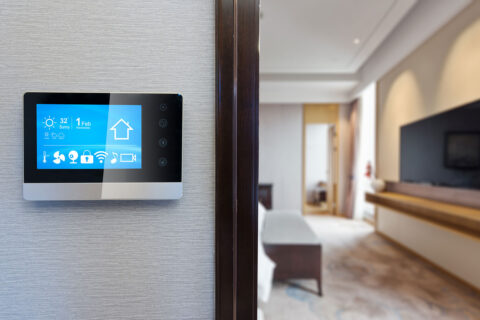
Ductless mini splits are user-friendly! Most units have remotes, so you can change the temperature, fan speed, and mode wherever you are in the room. Several of the newer models link with smart home devices, enabling users to use their phones or voice assistants to make scheduling adjustments or inquire about system status.
This agility allows users to easily dial in comfort, which can be useful in hectic homes or where families are looking to reduce energy consumption. All units can be programmed day by day, so it is simple to tailor heating or cooling to your rhythms and save on electricity costs. If the living room is the hub at night, the unit there can run while bedrooms or unused spaces remain off, preventing wasted energy.
Quiet operation is yet another advantage of mini split systems. Instead of the big noisy blowers and ducts of conventional HVAC systems, ductless units utilize small, quiet fans. Most users experience a noticeable reduction in noise, reducing distraction while working, studying, or sleeping.
This can create a significant impact in households with children, shift workers, or anyone who is sensitive to ambient noises. In city flats or active households, the barely-there sound contributes to the feeling of peace and coziness that many desire.
Air scrubbing and filter changes are intertwined with these machines. Mini splits do have air filters, but they are not as robust as those in ducted systems and do not always filter out as many allergens, dust, or odors. Regular filter changes every couple of weeks are required to keep the air fresh and the unit humming.
Maintenance isn’t just for filters either; these systems should be inspected bi-annually prior to each extreme season. Because mini splits tend to operate 24/7, they can gather dust or moisture more quickly than central systems, making timely cleaning more urgent to avoid clogs or breakdowns.
For some users, this maintenance is simple and manageable, while for others it is a downside compared to more set-it-and-forget-it HVAC alternatives. Making adjustments to be comfortable in different seasons is easy with mini splits. The units allow users to switch modes from heat to cool, with temperature settings in and out to match the weather and preference.
This provides all-year-round coziness, even if the outside temperature fluctuates. The zone control allows each room to be its own temperature, so one can be cold for sleeping and another warm for working or playing. This granular control is not typical with older systems and can be a major advantage for households or individuals with varying comfort requirements.
Future-Proofing Comfort
Ductless mini splits are unique in their ability to future-proof comfort. Rather than one big system for whole-house heating and cooling, mini splits allow you to create zones. Each room or area can have its own indoor unit, all tied to one outdoor unit. This configuration is easy to scale.
If a home or office expands, or if additional spaces such as sunrooms or workshops require heating or cooling, indoor units can be simply added. There is no need to redo the entire system or bust open walls for new ductwork. It is a versatile method to future-proof comfort through evolving demands, from compact flats to spacious, multi-bedroom houses.
Smart technology sits at the core of many ductless mini splits these days. These systems pair nicely with smart thermostats or apps, which provide homeowners greater control over their indoor environment. You can schedule and remotely adjust temperatures and even monitor energy consumption in real time.
This degree of control isn’t just a convenience; it can help reduce waste and save on bills. SEER2 and HSPF2 updates in 2023 mean new systems are tested in real-world use, making smart features more practical for everyday life. For instance, lowering temperatures in unoccupied rooms or optimizing a schedule can provide consistent savings throughout the year.
Energy efficiency is another ace up the sleeve for ductless. Mini splits only heat or cool the rooms in use, so they can use less power than traditional systems. That translates into annual savings of between $450 and $975, depending on system usage and local rates.
Newer units utilize A2L refrigerants, such as R-32, that are kinder to the environment but require trained technicians for safe handling. This shifting in codes and standards is key for homeowners who want a future-proof system that not only meets tomorrow’s rules but helps reduce their carbon footprint.
Future-comfort savings extend beyond reduced bills. With simple maintenance such as filter replacement, refrigerant and wire inspection, a lot of mini splits last 20 to 30 years or even more. That certainly makes them a smart choice for the comfort-minded value seeker.
Zoned control translates to less thermostat battles and less system wear overall. So, be it a new build, retrofit, or growing home, ductless mini splits provide a clever, reliable route to comfort that can keep up with life’s transitions.
Conclusion
Mini splits ductless deal with heat and cold air with finesse and efficiency. They work great with small flats, old houses, and weird shaped rooms. They are simple to operate, simple to clean, and require not a lot of repairs. A few people think the initial cost is steep, and controls can seem unfamiliar initially. Noise from indoor units is low, so sleep remains undisturbed. Utility bills go down for most because they are less wasteful. There are no big ducts or mess when setting up. All in all, a ductless mini split is a good match for folks who prefer simple, smart climate comfort. For additional tips or to exchange war stories with other users, consult trusted forums or contact local specialists.
Frequently Asked Questions
What is a ductless mini split system?
A ductless mini split doesn’t have ducts. It comes with an outdoor compressor and multiple indoor units. They provide localized temperature control for individual rooms or zones.
What are the main pros of ductless mini splits?
Ductless mini splits are energy efficient, simple to install and offer flexible temperature control. They can reduce energy costs and provide silent operation. They are perfect for homes without ductwork.
Are there any drawbacks to ductless mini splits?
Its upfront expense may exceed that of certain conventional configurations. Indoor units hang on walls. Maintenance is required to maintain performance.
Who benefits most from installing a ductless mini split?
They’re ideal for people with ductless homes, renovations, or anyone needing to control the climate in certain rooms. It’s good for small homes or apartments, too.
How long does installation usually take?
The installation is much easier. Most ductless mini split systems can be installed in one day. Complicated configurations or multi-zone systems can require more time. However, installation is typically much faster than with ducted systems.
What is required to maintain a ductless mini split?
Clean or replace filters regularly and have it professionally serviced once a year. This keeps it running efficiently and extends the system’s life.
Are ductless mini splits a good long-term investment?
Ductless mini splits may slash energy bills and provide dependable comfort. Their versatility and efficiency render them an intelligent option for future-proofing home comfort.

Key Takeaways
For the best energy savings, aim for 20°C during the day and 16 to 18°C at night or when away.
Programmable or smart…
Key Takeaways
Smart thermostats combine adaptive learning, remote access, and geofencing to minimize wasted heating or cooling.
Check…