
Quality Plumbing Solutions in Littleton, CO
Quality plumbing solutions in Littleton, Colorado combine licensed workmanship, upfront pricing, and repairs engineered for Front Range conditions – hard water, expansive clay soil, and freeze-thaw winters at roughly 5,300 feet of elevation. For homes and businesses across the south Denver metro, that means correctly sized water heaters, code-compliant installations, leak-free repairs, and maintenance that heads off emergencies before they start.
1st Choice Pro Services is a licensed, bonded, and insured plumbing and HVAC contractor based in Parker, CO, serving Littleton and the surrounding Douglas and Arapahoe County communities. The guidance below reflects how a local plumber approaches durable repairs and genuine customer satisfaction in this specific climate – not generic advice pulled from a different part of the country.
What “Quality Plumbing” Means in Littleton’s Climate
Littleton sits near 5,367 feet of elevation, and the same house can swing from a mild afternoon to single-digit temperatures overnight. Plumbing that holds up here is designed around three local realities: hard water, expansive clay soils, and repeated freeze-thaw cycles. A plumber who ignores those factors delivers a repair that fails a second time.
Hard water shortens fixture and water heater life
Denver metro water is hard, carrying dissolved calcium and magnesium that leave scale inside pipes, faucets, and tank water heaters. Scale insulates the bottom of a tank heater so it runs longer and wears out sooner, and it clogs aerators and shower valves. Flushing a tank heater once a year, descaling a tankless unit, and adding a water softener or scale-reduction system are the practical fixes that protect your equipment.
Altitude changes water pressure and appliance setup
At mile-high elevation, atmospheric pressure is lower, gas appliances need altitude-rated setup, and incoming water pressure should be checked with a gauge and regulated when it climbs above 80 psi. Excess pressure stresses seals, valves, and supply lines. A pressure-reducing valve set to a safe range – typically 50 to 70 psi – protects the whole system and stops the water hammer and pinhole leaks that high pressure causes.
Clay soil and freeze-thaw move buried pipes
Much of the south metro sits on expansive clay that swells when wet and shrinks when dry, while winter frost heave shifts the ground above buried lines. That movement stresses sewer laterals, water services, and joints, leading to misalignments and cracks. Proper bedding, correct trench depth below the frost line, and flexible connections keep those runs intact through the seasons.
Core Plumbing Solutions Littleton Homes and Businesses Rely On
Most local plumbing calls fall into a handful of categories. Quality shows up in how carefully each one is diagnosed and repaired.
Water heater repair and replacement
Cold groundwater and hard-water scale make water heaters work hard on the Front Range. Signs you need service include lukewarm water, popping or rumbling from the tank, rusty water, or a unit past 10 to 12 years old. Right-sizing the replacement – whether a 40 to 50 gallon tank or a properly sized tankless unit – matters more here because incoming water is colder than in warmer climates.
Drain cleaning and sewer service
Slow drains, gurgling, and backups usually mean a clog or a compromised sewer line. A camera inspection finds the exact cause – grease, roots, scale, or a bellied pipe from shifting soil – before anyone digs. Hydro jetting clears mainlines and grease more thoroughly than a cable alone, and it restores full flow without guesswork.
Leak detection and repair
A single hidden leak can waste thousands of gallons a year while quietly damaging framing and drywall. Warning signs include a spiking water bill, damp spots, a musty smell, or a water meter that keeps ticking with every fixture turned off. Locating the leak accurately – inside a wall, under a slab, or in a buried service line – lets a plumber make a targeted repair instead of tearing out more than necessary.
Emergency and burst-pipe response
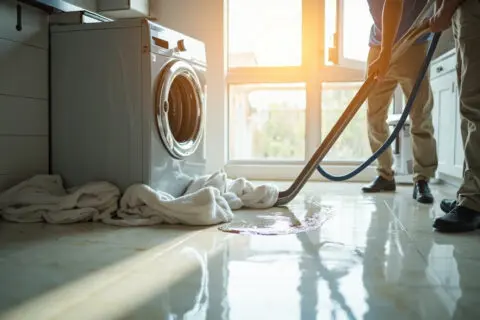
Colorado cold snaps freeze and burst poorly insulated pipes, and sewer backups never wait for business hours. When water is actively flowing where it should not be, shut off the main and call a professional. Fast, reliable emergency plumbing service in Littleton limits water damage, mold risk, and downtime for a home or business.
How Quality Plumbers Earn Customer Satisfaction
Satisfaction is not a slogan – it comes from a few concrete practices. Licensed, bonded, and insured plumbers stand behind their work and pull the right permits so installations pass inspection. Upfront, itemized pricing before work begins means no surprises on the invoice. Clear communication about what is wrong, what the options are, and what each one costs lets you make an informed decision. And a written warranty on parts and labor transfers risk off the customer.
Ask any plumber for proof of license and insurance, references, and a detailed written quote that lists parts, labor, and permit fees. Those are the same standards a reputable contractor applies to its own work.
Preventive Maintenance That Prevents Emergencies
The cheapest plumbing repair is the one you never need. A seasonal maintenance routine catches small problems while they are still small. Before winter, disconnect and drain outdoor hose bibs, insulate exposed pipes in crawl spaces and garages, and know where your main shutoff is. Once a year, flush the water heater, test the pressure-reducing valve, and have backflow assemblies tested if your property requires them. Regular drain cleaning keeps kitchen and floor drains flowing, and an annual camera check on an older sewer line spots root intrusion before it becomes a backup.
Frequently Asked Questions
How do I know if I need a plumber or can fix it myself?
Minor issues like a clogged aerator or a running toilet flapper are fine to try yourself. Call a licensed plumber for anything involving gas lines, water heaters, sewer backups, hidden leaks, or repairs that require a permit, since mistakes there risk safety and code violations.
Why is my water pressure so high in Littleton?
Municipal supply and elevation can push household pressure above the safe 80 psi limit. A plumber can measure it with a gauge and install or adjust a pressure-reducing valve to protect your fixtures, appliances, and supply lines.
How often should I flush my water heater?
In the hard water common across the Denver metro, flush a tank water heater about once a year to clear sediment and scale. This preserves efficiency and can add years to the unit’s life.
Do I need a permit for plumbing work?
Many installations and major repairs require a permit and inspection under Littleton and Colorado plumbing code. A licensed contractor handles the permitting and schedules the inspections so the work is legal and documented.
Talk to a Local Plumber
Quality plumbing in Littleton comes down to licensed work, honest pricing, and repairs built for Front Range hard water, altitude, and freeze-thaw ground. Whether you need a water heater replaced, a drain cleared, a leak found, or fast same-day emergency service, 1st Choice Pro Services serves Littleton and the south Denver metro. Call 303-841-1448 to schedule a repair or a maintenance visit.
Key Takeaways
Understand typical issues such as drain clogs, incorrect installation, and pump or hose malfunctions to target fixes where…

Key Takeaways
We recommend changing your evaporator pad at least once a year, prior to the heating season. Coordinate the change with…