
Repair and Installation of Garbage Disposals in Parker, CO: Bringing Joy Back to Your Kitchen
Key Takeaways
-
Learning to identify common garbage disposal problems — like humming, silence, leaks, clogs, and odors — will keep your kitchen humming.
-
Periodic maintenance, cleaning, and immediate response to abnormal noises or leaks can avoid expensive damage and keep your unit working efficiently.
-
By evaluating repair vs replacement, the age of the unit and your kitchen’s future needs, you can make the most economical choice.
-
Modified maintenance to local conditions, such as hard water or idiosyncratic plumbing, encourages sustained operation.
-
Adhering to saftey protocols and employing green practices safeguards your family and the planet.
-
Working with experts for diagnostics or repairs offers customized solutions and helps to prolong the life of your garbage disposal.
A functioning unit signifies kitchen tasks flow easy and clean-up comes fast. The majority of problems require straightforward solutions such as unjamming the blades or replacing worn components.
Trusted repair in Parker lets you keep your home safe and reduces waste. For specifics on what to check, fix, or when to call in a pro, check out the guide below.
Common Failures
Garbage disposers are a must-have for today’s kitchen, but they can break in a handful of ways. Acknowledging and combating these failures pronto keeps kitchens smooth, sanitary, and secure. Poor maintenance or installation can cause inconvenience and decrease the life of your appliance.
1. The Hum
A humming-no grind typically indicates a jammed motor or electrical problem. Sometimes it’s just a blockage—bones, peach pits, spoons lodged between the blade. Other times, aged wiring or a dying switch may be at fault.
A humming unit that could use a reset or some stuck debris removed. If it still makes noise, power it off and attempt a manual rotation with an Allen key. Continuous humming may indicate the need for professional garbage disposal repair if troubleshooting can’t revive it or electrical issues are suspected.
2. The Silence
When the disposal is silent, the power supply is where I start. A tripped circuit breaker or faulty wall switch are usual culprits. Sometimes, the unit’s own reset button has sprung loose as a result of an overcurrent.
A garbage disposal may take a kitchen trash too fast. Food scraps accumulate, clogging drains or even the kitchen stench. If checking the power doesn’t resolve the problem, it’s smart to call a plumber. Same day service is preferred to get back to routine.
3. The Leak
Leaks tend to occur at the sink flange, the dishwasher hose, or the drain connections. Seals and gaskets can wear over time, and vibration from use can loosen fittings.
A leaking unit risks water-damaged cabinets and floors, so quick repair is imperative. Neglecting leaks can result in mold or additional appliance failures. Experts can swap out fatigued parts and seal things up tight and secure for your peace of mind.
4. The Clog
Slow draining or water backing up in the sink is a red flag for a clog. Typical offenders are stringy vegetable peels, eggshells, or grease, which adhere to the pipes.
Unclogging a clog could be as simple as plunging or light hand cleaning. It’s better to stay away from strong chemicals since they will mess up your plumbing. Avoid clogs – run cold water, break up bigger scraps and avoid things like coffee grounds.
Yearly checkups and conscientious utilization stave off most clogging.
5. The Smell
The worst of these smells usually emanate from mummified fries or grease that has been baked on. If unattended, these can entice pests and decrease kitchen cleanliness.
Some natural cleaners, like vinegar and baking soda, help neutralize odors. Just regular cleaning and running the disposal with some citrus peels keeps the thing fresh.
Diagnostic Process
When the garbage disposal craps out, a good diagnostic process is crucial for putting the kitchen back in order. With a guide like this, home users and gurus alike can identify issues, reduce repair time, and ensure the unit operates safely.
A checklist aids in parsing the process, beginning with simple checks and progressing to more extensive testing as required. This streamlines, documents results, and reduces the risk of skipped steps. Basic troubleshooting involves collecting information about problems, inspecting the setup, running diagnostics and searching for underlying errors.
Other times, the diagnostic process requires special tools such as multimeters or even disassembling the disposal to have a look inside. Each step seeks to pair the correct solution with the correct problem.
Initial Assessment
Begin with a easy visual inspection on the garbage disposal. Check for leaks, rust, or loose wiring. Keep an eye out for strange sounds or odors as these can indicate problems lurking within.
Double check the unit is mounted correctly and check to make sure nothing appears out of place. Old or cracked parts require attention.
Seek users’ input. How long have they been having issues? Did it begin acutely or progressively exacerbate? Any trends, like misery after specific foods go down the hatch?
Observe whether the cord is plugged in and whether the circuit breaker is on. Record all discoveries. Good notations orient the next step and assist if a professional is summoned.
System Testing
Basic check can indicate whether the unit runs or not. Power on, then the disposal switch. Pay attention to click or humming or nothing. If the unit does nothing, test the switch and the wiring with a multimeter.
Sometimes, resetting the unit solves things, but if not, continue testing. Run water and small scraps through it. Observe how it deals with the load.
If it jams or stalls or overheats, these are hints. Write down all outcomes. Patterns, such as power loss on load, help identify underlying problems. Test both empty and with scraps, as certain issues only manifest themselves in use.
If testing indicates an electrical problem, inspect the wiring, switch and outlet. Sometimes a tripped breaker or frayed wire is to blame. If all checks out, proceed to deeper inspection.
Root Cause
|
Problem |
Root Cause |
Minor or Major |
|---|---|---|
|
Won’t turn on |
Loose wire, tripped breaker |
Minor |
|
Humming but stuck |
Jammed blade, motor fault |
Minor/Major |
|
Leaks |
Worn seal, cracked housing |
Major |
|
Bad smell |
Food build-up |
Minor |
Small problems, such as jams or worn seals, are repaired with basic fixes. Serious damage, like a burnt motor or cracked case, requires repair or outright replacement.
The age and condition of the unit are important – older units tend to experience more wear and frequently require more extensive repairs. Utilize all discoveries to create a fix plan that aligns with the source.
Repair or Replace?
When a garbage disposal goes out or continues to break, repair or replace is a pragmatic question. It’s a decision that depends on the unit’s age, cost considerations, longevity, and your ever-evolving kitchen requirements.
Below is a table showing the pros and cons of each option:
|
Option |
Pros |
Cons |
|---|---|---|
|
Repair |
Lower upfront cost; less waste; keeps current fit |
May not last; frequent breakdowns; limited by unit’s age |
|
Replace |
New warranty; upgrade possible; better efficiency |
Higher upfront cost; installation required; more complex |
Cost Analysis
Repair can range from small parts to labor fees and often costs less than the price of purchasing a new unit. When you replace a disposal, it generally involves a larger upfront cost, but it can come with nicer energy ratings or noise control.
Certain warranties take care of specific repairs, saving you money if your disposal is still covered. Professional repair services can provide package discounts.
If they need repairing frequently, their cumulative cost can exceed that of a new, more efficient unit. One-time replacement may be smarter than repeated repair.
Unit Age
A disposal’s lifespan is typically 8-15 years with proper maintenance. If your unit is more than ten years old, or if problems are frequent, repairing is not a good investment.
Manufacturers love to recommend replacement after ten years. Not all disposals are created equal: older disposals might not operate as well, requiring more repairs and consuming more energy.
In such situations, it may well be more logical to go with a new model, particularly if the repair costs and hassle continue to increase.
Future Use
Consider how your kitchen requirements might evolve. If you anticipate cooking more, entertaining bigger crowds, or processing more scraps, a more powerful or bigger size disposal may be worth the investment.
For families with young kids or evolving diets, the amount of scraps can be higher, so a more powerful model may be reasonable. Newer models can take care of more challenging waste and use less water and energy, so it’s good for your wallet and the planet.
Final Thoughts
Replacement is a 7–10 skill job; not all will want to do it themselves. Some just feel better with new tech, particularly if the old unit is dated.
If it’s small and covered under warranty, then repairing is usually the way to go. For really old or busted units, new models deliver greater savings and peace of mind.
Parker-Specific Care
Parker homes experience special plumbing issues associated with local water conditions, seasonal temperature fluctuations and the blend of old and new construction. These variables alter the way garbage disposals deteriorate, what fixes are typical, and the optimal way to maintain units humming. Understanding what’s unique about Parker’s specific situation equips you to maximize your kitchen equipment and minimize expensive downtime.
Hard Water
Hard water is an issue in Parker, with mineral overload leaving calcium and magnesium imprints inside garbage disposals. This accumulation can bog down blades, clog jams, and noisify the unit. It decreases the life of the motor and seals.
Mineral deposits are hard to remove once they set in, so it helps to act early. Try mild vinegar rinses every few weeks to break down mineral scale. If you want to limit future buildup, consider installing a water softener — this solution works best for homes with persistent problems.
Remember, periodic inspections—once a year minimum—is clever for spotting early indications of wear. If your unit starts to hum but won’t spin or sees white crust along seams, hard water may be the culprit.
Food Waste
-
Scrape big food pieces into the garbage, not the sink.
-
Do not throw fibrous foods (celery, corn husks) down the disposal.
-
Stay away from starch, such as rice and potato peelings–they expand in pipes.
-
Run cold water as you grind, and for 20–30 seconds after.
-
Cut large scraps into small bits before disposal.
-
Let the unit finish grinding before turning it off.
-
Compost fruit and vegetable peels to reduce trash volume.
Restricting what goes down the disposal reduces the chances of jams and clogs. Composting when you can keeps the kitchen greener and reduces stress on plumbing.
Seasonal Tips
-
Give the disposal a deep clean before and after holidays. Eliminate embedded muck.
-
Inspect for leaks and loose fittings, particularly pre-season.
-
Try reset buttons and electrical connections as it warms up.
-
Watch for sluggish drains after large parties.
Holiday cooking tends to strain disposals to their max, so be prepared! Cold weather makes pipes shrink which makes leaks more prone. Routine cleanings and inspections prevent breakdowns from wrecking your schedule.
Local Plumbing Support
Appliance checkups once a year help spot trouble before it gets expensive. For your repairs or new installs, trust your local plumbers who understand Parker’s codes and water quality.
If your unit breaks frequently or is 10+ years old, a new one can save money long-term. Same-day service is great for when a disposal goes out, because that can wreak havoc on schedules.
Safety First
Playing around with garbage disposals requires a safety-first mentality. That is, anticipating dangers, being proactive about hazards, and doing it right – for safety’s sake. Across kitchens and homes everywhere, you’re investing time in protecting yourself from injury, your property from damage and your environment from harm.
Safety First folks tend to gain trust in their community and keep their costs low by not having accidents. Now, don’t get me wrong, there’s a trade-off — being too careful can at times inhibit some genuine forward motion.
Electrical
Unplug the disposal or flip its breaker off before messing around with any wires. Unsecured wiring or defective outlets can cause the system to become uncontrollable. They could manifest as burning smells, flickering lights, or the disposal refusing to activate.
If you notice these red flags, don’t dismiss them–they can indicate underlying problems. When accessing or repairing any electrical component, employ insulated tools and dry hands. Follow explicit instructions outlined by the manual, and no guessing near wires.
If the wiring appears ragged or damaged, or if the issue is more than a quick fix, ring in a professional electrician. A pro can see non-obvious risks and safely manage complex repairs.
Mechanical
Examine the blades, seals and mounting hardware for cracks or wear. Even small breaks can lead to catastrophic issues if unchecked. Dismantle the disposal only if you know how, and use the correct size wrench or screwdriver.
The wrong tools can strip screws or make the job unsafe. If the jammed part won’t budge, don’t push. Forcing can snap the unit and put your hands in danger. Once repaired, double check that everything fits snug prior to powering the unit back up.
Complex repairs—such as swapping the motor or realigning the grinding plate—should be entrusted to professionals. When in doubt, safety first call in a pro.
Environmental
Tossing scraps down the drain without a strategy increases landfill waste and places stress on water systems. Find out what your disposal is capable of and compost what you can. A ton of the newer disposal models actually grind food into smaller bits, helping water plants digest it easier and keep waste from accumulating.
Choose a disposal that’s designed to last and conserves water or energy. Certain brands even reincorporate pieces. See if there are food waste collection or recycling programs available in your city.
All of these initiatives go a long way to not only keeping kitchens green, but waste out of landfills.
Our Custom Approach
Our custom approach in garbage disposal repair means examining each kitchen, each home, and each family’s lifestyle before recommending fixes. This isn’t a cookie-cutter process.
Whether your house is brimming with history or stacked up with the newest materials, the perfect fix always comes down to custom needs.
Historic Homes
Old houses tend to have finicky pipes. Pipes could be tinier or of materials requiring special attention.
Installing new disposals in these homes isn’t easy. Each footstep must be careful not to cause harm.
Some old kitchens have plumbing that can’t take the power or water flow of new disposals. Providers need to know when to adjust or suggest a lighter unit.
Specialized services can safeguard the kitchen’s appearance as well as its utility. For instance, a team could employ flexible fittings or retrofit pieces that don’t interfere with old tile or cabinetry.
That’s how a retro kitchen maintains its appeal, yet gets a modern, dependable disposal.
Modern Builds
New homes often possess rigid plumbing codes and more opportunities for upgrades. Expert installers can verify whether the newest disposal versions pair with minimalist sinks or digital home systems.
Occasionally, contemporary kitchens come with intricate configurations or under-sink machines which require diligent strategizing.
Higher-end disposals may include noise insulation or energy-efficient motors. These enhance productivity and reduce operating expenses.
Installers must consider compatibility, ensuring new units function with water-saving faucets or pull-out trash bins. With a pro’s assistance, the installation complies with safety codes and sidesteps leaks or wiring issues down the road.
Others opt for smart disposals which link to apps or home assistants. These need careful setup and frequent software updates.
Tech-expert service providers ensure everything works seamlessly and can provide maintenance pointers so the unit lives longer.
Personalized Maintenance
A custom maintenance plan can make a garbage disposal last YEARS longer. It begins with an inspection of what’s being dumped and how frequently the trash compactor is activated.
For instance, a large family who cooks each day requires more frequent tune-ups than a single person. Maintenance might consist of cleaning and blade-checks or small parts swaps before they break.
The greatest advantage is that custom care can catch issues before they become major. This saves cash and avoids emergency breakdowns.
It’s a little more effort initially, but the result tends to be superior over time.
Expert Support
Custom repairs require experienced hands. Not every plumber can deal with old pipes or smart systems.
Teams that continue to learn new skills can provide the most impressive results.
Sure, certain fixes take longer or are a little more expensive, but they translate to less risk and a superior fit. For hard tasks, a personalized strategy pays off.
Conclusion
Kitchen work flows smoother with a good garbage disposal. Jarring junk and mutual respect keep things moving in Parker, CO. Minor clogs or strange whirring noises typically indicate quick solutions. Significant leaks and of course ancient units are reasons to consider a new one. Basic maintenance keeps the unit humming and healthy. Local homes get more successful with a solution tailored to their equipment and requirements. Experienced assistance provides reassurance and time savings. For kitchen joy and less mess, watch for the early signs and act quickly. Want to maintain your disposal at peak form? Contact a local expert for a tune-up or a turnaround that suits your kitchen.
Frequently Asked Questions
What are common signs that my garbage disposal needs repair?
If you hear odd sounds, or the sink drains slowly, or it jams a lot, or smells like death, it’s time to fix your garbage disposal. If it shuts down for good, call in the pros.
Should I repair or replace my garbage disposal?
If your unit is less than 10 years old and the problem is relatively small, repair is typically the way to go. For older units, recurring issues, or significant damage, replacement might be more budget-friendly.
How do professionals diagnose garbage disposal problems?
Technicians check for leaks, inspect wiring, test the motor, and search for blockages. They utilize advanced technology to diagnose the root cause and suggest the appropriate repair.
Why is local expertise important for garbage disposal repair in Parker, CO?
Local professionals know the specific water and plumbing in Parker, CO. This guarantees swifter diagnosis and longer-lasting repairs local to you.
Is it safe to repair my garbage disposal myself?
For little clogs, go ahead and try some easy cures. Electrical or mechanical problems can be hazardous. Turn power off first. When in doubt, pay a pro to be safe.
How long does a typical garbage disposal repair take?
There are very few repairs that take more than an hour with a trained technician. Some tricky problems can take a little extra time or special parts.
What makes your garbage disposal repair service different?
We take a custom solution for every home, emphasizing safety and durability. Our technicians are seasoned, local and all about getting your kitchen joy back fast.
Key Takeaways
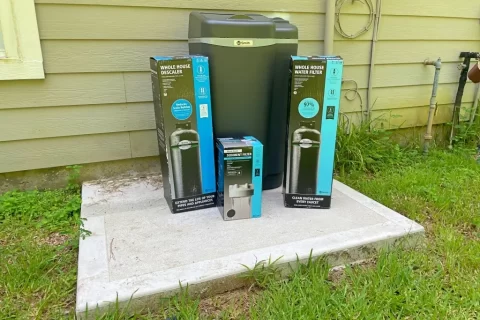
Water softener vs water filter They both rely on different mechanisms to solve different water problems. Softeners remove hard…
Key Takeaways
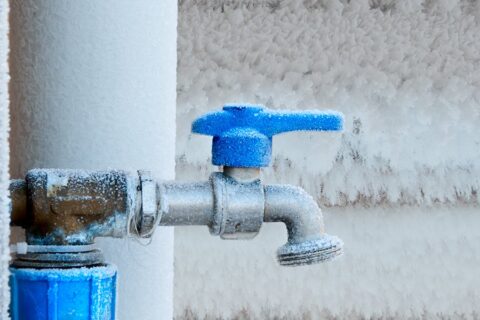
Pipes often freeze because they are exposed to cold air or because there are drafts around the pipe causing it to be…