
Summer Cooling Myths Debunked: Save Money and Stay Cool
Key Takeaways
-
Myth #1 Lowering your thermostat cools your space faster and saves you money Wrong! personal comfort, then shoot for the highest temperature you can live with, at least 78°F when you’re home.
-
The summer cooling myth that takes the cake Oversized air conditioners waste energy and can even cause humidity problems. For optimal cooling, choose a unit appropriate to your home’s square footage.
-
Myth 4—Fans cool rooms as well as people Fans only cool people, not rooms. Turn them off when leaving a room to save electricity.
-
Here’s why Closing vents will make your system less efficient and cost more to operate. Keep all vents open to ensure proper airflow and balanced air circulation in your home.
-
Increase energy efficiency and savings Provide greater control and convenience Consider smart thermostats, Energy Star-rated appliances and regular HVAC maintenance to increase efficiency and decrease your summer cooling costs.
-
Don’t miss out on local rebates and energy incentive programs available where you live! In fact, they can greatly offset the cost of upgrades and maximize your savings.
Summer cooling myths debunked: save money the smart way means clearing up false tips that can drive up energy bills across the United States. Many old habits—like running the AC all day or closing vents in unused rooms—don’t cut costs and may even wear out your HVAC faster.
Ignoring these new realities can raise your energy bills and lower your comfort. This is particularly the case during those long, hot summer months in cities like Los Angeles, Dallas, or Atlanta. Better, smarter, more proven practices save energy and improve the comfort of our homes.
By using today’s technology and the latest practices, Americans can enjoy effective cooling while realizing significant savings. The following pages illustrate these commonsense opportunities to reduce waste and embrace new technology. They save you money by helping you set realistic goals based on your home’s needs.
Common Cooling Myths: Truth Revealed
When it comes to making the right decisions to effectively cool a home during the summer months, myths abound that can result in costly and energy-wasting decisions. Understanding the facts behind these ideas helps homeowners in Los Angeles make smarter, more efficient decisions when the temperatures rise.
Let’s dispel these myths and explore how they impact your comfort, wallet, and the planet.
Myth: Colder Setting Cools Faster
A common misconception is that many believe if they take their thermostat down to a much colder setting, the unit will cool more quickly. In truth, air conditioners cool at a consistent rate regardless of the setting.
Dialing down your thermostat to a very low setting only causes the system to operate longer. All that does is use way more electricity without cooling your house down any quicker!
78°F is the recommended set point during the cooling season from the U.S. Department of Energy for comfort and savings. Steady temps lead to steady energy use, and newer units with variable speeds more effectively maintain consistent temperatures.
Myth: Bigger AC Always Better
Additionally, oversized units cycle on and off too quickly, failing to effectively remove moisture and increasing energy costs.
The benefit to the homeowner is that a properly sized system saves energy, cools more evenly, and lasts longer. To get the best match, consider your home’s square footage, insulation, and amount of sun exposure.
A local HVAC professional can help you size an appropriate unit for your needs.
Myth: Fans Cool Empty Rooms
In reality, fans don’t cool a room down; they just blow air around. Costs add up quickly running them in empty rooms.
Instead, run fans just when people are in the room or to help increase airflow between open areas.
Myth: Closing Vents Saves Big
Closing vents can imbalance airflow, strain the system, and reduce efficiency. Keeping vents open allows for proper air balance and will allow your unit to run more efficiently.
Myth: Turn AC Off When Out
Turning off the AC when you’re not home is usually a mistake. The system has to work extra hard to cool those overheated rooms down later, using up to 20% more power.
Instead, raise the thermostat 5–10 degrees when out or invest in a programmable unit to vary temps according to the calendar. This simple change can save you up to 10% each year.
Save Money: Smart Cooling Now
Smart cooling begins with a big picture plan—not piecemeal tactics or band-aid solutions. In Los Angeles, HVAC systems account for more than 50% of your home’s energy expenditures. So, every little bit you can use less is a big deal!
Putting the emphasis on efficiency can translate into significant savings—real dollar savings—every single month. Here are some simple, cost-effective ways to achieve greater comfort with your cooling while saving money and energy.
1. Optimize Your Thermostat Use
In fact, the use of programmable thermostats is so effective that it saves an average of 5%-20% on annual energy bills. Create schedules based on your schedule, so you’re not cooling a home no one is outside of work hours.
Smart thermostats allow you to remotely adjust the temperature from your smartphone, making it easy to get back on track if plans change. Maintaining a consistent indoor temperature allows your system to operate more efficiently.
78 degrees in the summer is a starting point to save money while staying comfortable.
2. Master Airflow and Ventilation
Clear, unobstructed air vents allow air to flow more easily and keep rooms cooler. Using ceiling fans helps circulate that cool air, meaning your AC won’t have to work as hard or run as often.
Just like with your car, getting your HVAC system tuned up each year goes a long way. If you have determined that your home’s airflow is insufficient, a whole-house ventilation system is the best option, particularly in retrofitted older buildings.
3. Perform Regular AC Maintenance
Annual AC checkups, usually ranging from $100 to $150, can identify leaks or blockages before they become more costly. Replace your filters regularly and be on the lookout for red flags such as strange sounds or diminished airflow.
Clean ducts help the air flow and prevent energy bills from soaring.
4. Use Window Treatments Smartly
Energy-efficient curtains, shades, or window reflective films can block the sun’s heat. Either close blinds during the hottest part of the day or open your windows in the morning to take advantage of a cool breeze.
5. Reduce Heat from Appliances
Ovens, dryers, and dishwashers are especially heat-intensive appliances that contribute to this added heat. Run them early in the morning or later at night, and use microwaves or cold water for heating and cooking when possible.
Unplugging devices saves money and prolongs their lifespan.
Modern Tech Beats Old Tricks
Today’s cooling tech is about much more than simply providing a cool room—it’s about helping people save money in tangible ways. When properly designed and installed, modern heat pump systems function even in very cold areas, often down to -20°F. These upgrades bring better comfort while cutting energy waste, which matters in places like Los Angeles where hot spells are common.
Smart devices today are a major force shaping energy consumption in homes. This allows consumers to monitor usage and move use to times when rates are the lowest. This isn’t just about EV charging either—setting the dishwasher to run at night for example can help households save on bills while making the overall system operate more efficiently.
While investing in energy-efficient appliances costs more upfront, it saves money in the long-run. ENERGY STAR appliances, such as dishwashers, consume significantly less energy and water. LED bulbs can cut $225 off annual lighting expenses. A home energy audit, usually $100–$150, can help identify where repairs will be most effective.
Smart Thermostats: Worth It?
When it comes to saving money and reducing hassle, smart thermostats really shine. By understanding daily routines, they intuitively adjust temps so users don’t have to worry about it. Functions such as remote access and scheduling prevent the wasting energy cooling unoccupied rooms.
On a national level, setting back 7–10 degrees for 8 hours can cut 10% from annual bills. The best part is that most units are compatible with your current HVAC setup, making the switch a breeze.
Energy Star: Your Savings Guide
When applied smartly, the Energy Star label is a harbinger of genuine savings. Air conditioners, fridges, and even fans with this badge consume less energy, saving you money every month. Making the upgrade to these more efficient appliances protects our air and climate as well.
For anyone retrofitting their home, Energy Star selections provide the optimum long-term return on investment.
Dehumidifiers: A Secret Weapon?
In addition to increasing comfort, lowering humidity levels allows air conditioners to operate more efficiently. Dehumidifiers remove moisture, which increases comfort by making a room feel cooler.
In conjunction with an HVAC system, they reduce the load on the AC by reducing how much effort it needs to exert. This both saves energy and contributes to healthier indoor air by reducing the introduction of outdoor pollutants.
Your Home’s Untapped Cooling Power
Your home has far more untapped cooling potential than you might think. Performative Cooling – Air Conditioning Many Los Angeles homeowners favor central AC units. There’s tons of available cooling power in insulation, airflow and smart landscaping. Modest improvements in each of these categories can reduce expenses and ensure dwellings remain frigid even as temperatures blister.
To make the most of your home’s cooling power, it’s useful to first consider how your home retains cool air, repels heat, and takes advantage of nearby shade.
Insulation: The Unsung Hero
Quality insulation prevents cooling loss and stops outdoor heat from making your home uncomfortably warm. Thick, well-fitted insulation in attics and walls slows heat transfer and allows your AC to do less work. Inspect your attic for insulation that is too thin or has become worn down with age and add more as necessary.
Fiberglass batts, spray foam, or blown-in cellulose are all effective insulation choices. Walls, crawlspaces, and garages are important as well. You’ll reap the rewards of upgraded insulation as time passes—not just in reduced high bills, but in decreased AC repair bills.
Seal Leaks: Stop Cool Air Escape
Air leaks allow your cold air to escape and the hot air to come through. Typical leak locations are around windows, doors, attic hatches, and electrical outlets. Install weatherstripping or caulk to close up these openings.
Inspect for drafts regularly—just moving a lit stick of incense next to cracks or crevices can reveal the direction of airflow. Sealing leaks will not only help keep your home feel cooler but will result in savings of hundreds of dollars each year.
Strategic Landscaping for Shade
Trees and shrubs provide more than just aesthetic value—they can deliver significant cooling benefits. Planting shade trees on the south or west side of the home blocks afternoon sun, lowering indoor temperatures. Vines or pergolas over patios help keep outdoor spaces cool as well.
Even modest landscaping projects make an impact, and savings increase as plants mature. Shady, well-landscaped yards will help reduce air conditioning bills, a must in dryer, sunnier regions like Southern California.
Beyond AC: Whole-Home Savings
When it’s hot outside and you need to cool off, the comfortable solution is usually activating your air conditioning. AC is only one piece of the equation. Heating and cooling often account for more than 50 percent of a typical home’s energy consumption.
Smart homeowners find savings in little decisions and everyday practices—beyond just adjusting their thermostat. Combining lifestyle changes with basic retrofits can lead to dramatic energy savings. You’ll save on your bills while going about it the easy way, with no uncomfortable lifestyle changes needed.
A whole-home approach is a big-picture approach that considers all the ways you cook, clean, get dressed, drink, and use energy at home.
Cook Smart: Reduce Kitchen Heat
Preparing meals indoors with an oven or stove increases ambient heat, forcing your AC to work even harder. Outdoor grills or slow cookers help avoid extra heat in the kitchen. Meal prepping on the weekends will spare you from having to cook dinner each night.
This cuts down on the heat that gets pumped into your home. If you do choose to cook indoors, run fans or open windows to help push hot air outside. Every little bit helps, so make sure you take every opportunity, such as switching to a microwave or toaster oven, to stay cool and comfortable.
Dress Light, Cool Naturally
Wearing loose, light-colored clothing made from natural fabrics like cotton or linen allows sweat to evaporate quickly and helps body temperature stay down. What you wear indoors can be as important as what you wear outdoors.
Choosing breathable fabric and flowy fits allows the AC to take a break, which saves energy. These simple, low-cost clothing adjustments can result in a significant increase in comfort without moving the thermostat one degree.
Hydration and Personal Cooling
When hydrated, your body will be able to manage heat more effectively. Cold beverages, water bottles, or ice wraps can be an effective immediate cooling strategy.
Having water accessible throughout the day, particularly during periods of excessive heat, helps maintain a stable body temperature while reducing the overall energy expenditure. Something as simple as drinking water regularly can improve comfort and health.
Local Programs: Boost Your Savings
Local programs create tangible savings. Local programs play a critical role in saving households from paying more each summer to keep their homes cool. They improve efficiency, aid modernization, and draw investment directly to the areas they’re needed most.
Los Angeles area homeowners can learn about available rebates and local community projects. They have state-led help at their fingertips to beat the rising tide of bills with ease! These initiatives nip the worst of these myths in the bud, and concentrate on what actually gets the job done.
Find Utility Rebates Now
Most local utilities in SoCal offer utility company rebates. You can save on these, too—for high-efficiency air conditioners, smart thermostats, and many more ENERGY STAR appliances! Looking up your local utility’s website is a great first stop.
These utility rebates can be a big boost to your savings, offsetting the initial cost of improvements. In fact, just by converting to LEDs you could save $225 annually. ENERGY STAR dishwashers save both water and money, particularly when you avoid pre-rinse cycles.
Many of these rebates aid in home weatherization. Some even reimburse you for the solar panels themselves—which is especially useful for homes located beyond the sunniest stretches of the city. Keeping abreast of utility offerings is the best way to avoid missing out on opportunities to reduce bills.
Check State Energy Incentives
California has some of the strongest state incentives for energy efficiency in the country, with programs providing funding for home upgrades. The Inflation Reduction Act now gives a 30% tax credit for rooftop solar and storage, boosting home value and cutting costs.
Homeowners who look at state resources can discover additional assistance for installing insulation, upgrading HVACs, or retrofitting lighting. Just make sure to check eligibility requirements, as some programs are restricted to specific income brackets or housing types.
Weatherization Assistance Programs
Weatherization programs help homeowners fix leaks, add insulation, and upgrade windows. These programs often include free or low-cost energy assessments. They point out where you can save most—sometimes between 5% and 20% on yearly energy bills.
Many offer grants or low-interest loans for upgrades. Long term, these fixes mean better comfort and less strain on your wallet, especially with HVAC making up half of home energy use.
Conclusion
Getting through the summer in comfort shouldn’t take a leap of faith—or a hefty invoice. By dispelling those outdated myths, a bright route emerges. Simple steps such as harnessing the power of fans, sealing air leaks and not setting the thermostat too cold can reduce expenses in no time. New technologies, such as smart thermostats, reduce waste and provide consumers with greater control. Even simple measures, such as pulling down blinds or enrolling in a community rebate program, will further increase savings. Los Angeles heat can be oppressive, but people living here have the solutions—and the practical wisdom—to make a positive difference. Forget the old wives’ tales and test these simple shortcuts. Help your wallet, help your house, and help your friends by passing on these smart summer cooling tips. Prepare for a more comfortable, less expensive summer—easy breezy.
Frequently Asked Questions
Do ceiling fans cool your home or just the people in it?
Myth 3. Ceiling fans cool your home, not just the people in it. They move air around, making a breeze that cools your skin, not the air. Energy-saving tip: Turn fans off when you leave the room.
Does lowering your thermostat cool your home faster?
Myth #1—Setting your thermostat lower cools your home faster No. Air conditioners -like refrigerators- cool at a constant rate. Leave it at the temperature you want it to be and let it cool there.
Is it cheaper to keep the AC running all day?
NOT TRUE Keeping your AC on all day stores energy and money. It’s smarter to cool your home only when you need to, save the most money during peak hours, and do it all automatically with a programmable thermostat.
Can closing vents in unused rooms save you money?
Closing vents can do the opposite, stressing your AC system, causing it to work harder. This can skyrocket your energy bills and decrease your system’s lifespan. Bonus tip — close the vents for efficiency Keep all vents open.
Are newer air conditioners really more efficient?
The short answer is yes, but newer AC units are more efficient due to new technologies and more stringent energy standards. They cool more effectively and use less electricity, saving you money over time.
What local programs help Los Angeles residents save on cooling costs?
Los Angeles has provided rebates for Energy Star rated AC units and insulation retrofits. Contact LADWP or Southern California Edison to find out about current incentives and learn more ways to save money on your summer cooling bills.
Does using appliances at night save money on cooling?
Running high-heat appliances, like ovens or dryers, at night saves money by reducing indoor heat. It sometimes enjoys the advantage of lower nighttime electricity rates, a boon during summer in Los Angeles.
Key Takeaways
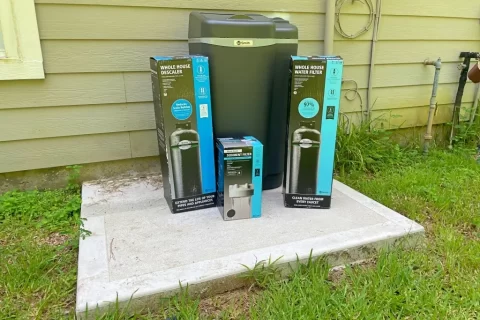
Water softener vs water filter They both rely on different mechanisms to solve different water problems. Softeners remove hard…
Key Takeaways
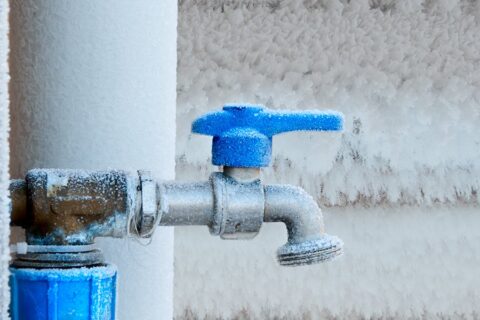
Pipes often freeze because they are exposed to cold air or because there are drafts around the pipe causing it to be…