
Understanding Sump Pump Battery Backup Systems: A Comprehensive Guide
Key Takeaways
-
Sump pump battery backup systems offer automatic protection against basement flooding in power outages, complete with seamless activation and constant monitoring.
-
For system selection, compare capacity and pump rate, as well as materials for durability, performance, and compatibility with your existing system.
-
Battery selection has a direct impact on efficiency and reliability. Think about battery type, maintenance, and lifespan when deciding.
-
Your sump pump battery backup needs to be properly installed with the right placement and connections so you can easily maintain it.
-
Monthly inspections and annual professional maintenance keep the system performing and extend the pump and battery life.
-
Advanced technologies, like smart monitoring and water-powered backup, provide additional security layers and can be combined for maximum reliability.
Sump pump battery backup basics is understanding how a battery backup keeps your sump pump running in a blackout. They use a battery to provide power to these pumps when the main power is out.
Most backups work with conventional sump pumps and feature alarms or battery level indicators. Here’s what to strive for when selecting the perfect backup.
Here are sump pump battery backup basics.
How It Works
A sump pump battery backup system kicks in when the power goes out, keeping basements dry in storms or power outages. It utilizes a control unit, a charger, and a battery or, in some cases, water pressure to transition power sources automatically. Certain systems have intelligent capabilities to notify homeowners; others just work.
Here’s a matrix of the features, benefits, and capabilities of various backup systems.
|
System Type |
Features |
Advantages |
Typical Functions |
|---|---|---|---|
|
Battery-Powered |
Rechargeable battery, control unit, alarms |
No water use, portable |
Runs pump during outage, sends alerts |
|
Water-Powered |
Uses city water pressure, no battery |
No charging needed, simple design |
Pumps water with city water during outage |
|
Smart Backup |
Wi-Fi, app integration, diagnostics |
Remote alerts, easy monitoring |
Sends updates, tracks system health |
1. Power Detection
The backup keeps probing the primary power source. Any drop or gap causes the switch to battery power. This is key for storm zones or unstable grids.
Battery backup units watch battery health, ensuring there’s sufficient charge for emergencies. As for how it works, most units use smart tech to send phone alerts or trigger alarms if battery levels drop or if the system requires maintenance.
A maintained system is one that’s always prepared to kick into the backup pump.
2. Automatic Activation
Automatic switching is crucial. The backup pump kicks in the minute the main pump loses power. There is no flipping switches or stressing if you’re not home.
With it all on autopilot, the risk of flooding from a missed outage falls. Travelers and busy people win the most because the system operates automatically.
3. Pumping Cycle
In the case of a flood, the backup pump cycles through predetermined intervals to expel water. It coordinates its speed and pumping rate with the rate at which water enters the sump pit.
A well-designed system keeps pace with torrential downpours, modulating flow rates to meet demand. Others pump as many as 8,700 liters an hour, which is 2,300 GPH, with battery runtimes extending up to 53 hours if the cycle is once every five minutes.
Pumps adapt to provide just as much as is necessary to counteract rising or falling water and prevent flooding. Selecting a pump that corresponds to your local rain and pit dimension is essential. High head pressure or large pits might require a stronger pump or a bigger battery.
4. Battery Recharge
The charger maintains the backup battery at full capacity, thereby ensuring the system is always prepared. Certain chargers are automatic, while others require you to monitor the levels, particularly with lead acid types.
When you start checking your battery water every few months and cleaning the terminals twice a year, you’re stretching your battery’s life span. Replacement is typically every five years.
If your battery dies before power is restored, the pump ceases, so keeping an eye on charge is crucial.
5. System Alerts
The built-in alarms and alert systems keep users notified of issues like low battery or malfunctions. These include audible alarms, app notifications, and warning lights.
By responding to alerts quickly, you prevent bigger problems. Frequent checking and quick response to alerts keep it dependable. Maintenance, such as battery checks and vacuuming, keeps the backup humming when it counts.
Choosing Your System
About: Selecting Your System Each system will have its own specs, such as pump rate, battery capacity, construction materials, and more. Knowing how these features interplay guides you towards what most suits your needs and your property’s risks.
Here’s the table below that provides a quick comparison of typical features in fashionable systems.
|
Model Name |
Capacity (Ah) |
Pump Rate (L/hr) |
Material |
Runtime (hrs) |
Price (USD) |
|---|---|---|---|---|---|
|
AquaSafe 1200 |
100 |
5,000 |
Stainless Steel |
10 |
$2,900 |
|
FloodGuard X |
80 |
4,200 |
Cast Iron |
8 |
$2,400 |
|
SafeFlow Pro |
120 |
6,100 |
Thermoplastic |
12 |
$3,100 |
|
SentryMax |
110 |
5,500 |
Composite |
9 |
$2,700 |
The higher the capacity of your system and the higher the pump rate, the more water your system can manage during severe storms. Materials such as stainless steel or corrosion-resistant composites extend a system’s life by years.
Backwards compatibility with your existing sump pump leads to less frustration during installation. Spending $2,000 to $7,000 upfront for your system is reasonable when compared to the thousands in flood damage you could lose.
Capacity
When considering capacity, think about the size of the basement, average rainfall in the area, frequency of power outages, existing sump pit size, and local groundwater level.
For the average home, 8 to 12 hours is the bare minimum to get you through a lengthy storm or outage. Select your system carefully. Pick a battery that lasts because water can keep coming after the rain stops.
Dead batteries can sneak in for years, so set a reminder and test them often. Having sufficient capacity ensures the system won’t give up prematurely, leaving your house defenseless.
This is crucial for houses located in regions where flooding is a genuine danger, even with brief blackouts.
Pump Rate
Pump rate informs you how quickly the system pumps water out. If the pump rate is too low relative to the water inflow, your basement can still flood.
Verify your home’s requirements by observing historical water problems and anticipated precipitation. Others, such as the SafeFlow Pro, pump as much as 6,100 liters an hour, which can be excellent for larger residences or areas that receive intense rainfall.
Compare pump rates between models and select one that fits your needs. Too much or too little can both create issues. Faster pump rates enhance your backup and provide peace of mind in huge storms when every moment is critical.
Material
A system constructed with high-quality materials, such as stainless steel or durable plastics, will endure and require less maintenance. Corrosion is a genuine menace, particularly in moist locations, so look for corrosion-resistant varieties.
A few lighter options, like thermoplastic, are simple to relocate and apply. Material choice can affect how loud, heavy, or repairable the pump is.
High-quality parts typically translate into less downtime and a longer life. Seasonal check-ups help catch wear and keep the system humming.
Battery Deep Dive
Battery backup is the lifeblood of a trustworthy sump pump. Your battery selection determines how much water your pump can pump, for how long, and with how much maintenance. Different battery chemistries perform better in different situations. Each has its own strengths and weaknesses.
-
AGM (Absorbed Glass Mat) batteries
-
LFP (Lithium Iron Phosphate) batteries
-
Traditional lead-acid (wet cell) batteries
-
Gel batteries
Battery Types
AGM batteries are a popular choice as they require minimal maintenance and do not leak. They’re sealed, so no topping up with water, and they sit well in most homes. LFP batteries, a more recent option, have greater longevity and less weight. They’re stable even if the power goes out a lot, but they’re more expensive upfront.
Traditional lead acid batteries have a time-tested track record and a significantly lower cost per amp-hour. Wet cell types require frequent inspections and water top offs. As gel batteries are sealed, they do not emit hydrogen gas during charging, which renders them a safer indoor bet. Their expense can be three to five times higher than wet cell batteries for equal power.
Each battery type affects the effectiveness of your backup. AGM and gel batteries provide more safety and require less maintenance, and they increase the cost. LFP batteries last longest but increase the investment. The decision impacts more than just the price; it determines how much work you need to do year after year.
Climate Impact
According to Battery University, the weather in your area modifies the performance of your backup battery. Hot climates accelerate battery degradation, shortening its lifespan. Freezing temperatures decrease the battery’s charge and freeze charging. If you live somewhere with big temperature swings, the battery may not get as full a life.
We get storms with power cuts in our cold winters and wet season. Your battery backup might have to run longer, which is why the type you get matters more. In wet or flood-prone environments, seek out sealed batteries that manage moisture and won’t leak.
Occasionally, you’ll want to tinker with the system. A little ventilation or relocating the battery to a more stable location can assist. Keep an eye out for corrosion if your sump pump is immersed in water for extended periods.
Lifespan Factors
A sump pump battery’s life is contingent upon its usage and maintenance, as well as the conditions it encounters. Most batteries hold up about three to five years, but hot weather, deep discharges, and neglect can all shorten that. Battery backup pumps aren’t as powerful as the main pump. One can provide roughly one fourth the output of a 1/3 HP main pump, which also limits how long they keep up during floods.
Annual checks of the entire system are a must to keep things running smooth. Battery Deep Dive – From testing the battery, to cleaning contacts, to changing batteries before they die. Prepare for the expense—battery backup can easily cost between $2,000 and $7,000. Plan on swapping the battery out every couple of years, lest you want those storm time surprise failures.
Backup sump pumps with good batteries can provide eight to twelve hours of use during a blackout. That gives you a window to repair the primary energy source or summon assistance.
Installation Guide
Installing a battery backup sump pump is something that you can handle if you have any basic plumbing skills, and it’ll take you only 2 to 4 hours for most. This is all about prepping your backup pump for blackouts and monsoons. The standard rig employs a 12-volt pump, a deep-cycle marine battery in a plastic box, and a battery charger for reliable current.
Here are the main steps:
-
Set the deep-cycle 12-volt marine battery down in its box.
-
Position the backup pump correctly in the sump pit.
-
Cut one and one-half inch PVC pipe to length for the discharge line.
-
Attach the plumbing and electrical connections following the manufacturer’s manual.
-
Once you’ve installed the unit, test the entire installation for leaks and proper operation.
Placement
Your backup sump pump should sit in a position that circulates water efficiently through the sump pit. It has to be near enough the main pump to trap ascending water, but not obstruct the main unit. Find a location that is out of any direct threat from potential flooding outside the pit.
Just be sure it’s accessible for battery checks and future service. A few homes are just tight for space, so verify that there’s space available for the battery box and charger. If you have a small pit, choose our compact pump model.
Never locate the backup in areas with lots of debris that might clog the intake. A good location implies that you can service and clean the system with ease.
Connections
Start with just laying out all pipes and wires before you hook up. The discharge pipe is normally PVC, slashed to accommodate the run out of your dwelling. Every plumbing connection must be sealed.
Double check that the pump aligns with the main pump’s outlet and sits snugly to prevent leaks. BE SURE to read the manufacturer’s guide for the battery hookup and charger wiring! Attach each wire to the correct terminal and ensure there is no slack that could get snagged in moving components.
The system should comply with all local electrical codes. Ground wires, fuses, and GFCI outlets are typical. Test the battery terminals and give them a good cleaning twice annually for optimal performance.
Testing
Once you install, fill the pit with water and unplug the main pump to test a power failure. Wait for the backup pump to automatically turn on and drain the pit. If it runs slow, check the battery and pipe for clogs.
When it is working, note the date and results so you can capture performance. Check the system every three months to confirm it still does. Check the battery water level monthly, adding distilled water if low.
This schedule keeps your sump pump prepared when you need it most.
Maintenance Routine
A consistent maintenance schedule is essential for keeping your sump pump battery backup system primed for emergency situations. Routine inspections catch problems before they start, reduce the chance of breakdown, and protect your home from water damage.
Maintenance Routine – These include monthly, annual, and battery specific care to keep the system running well during the year.
Monthly Checks
Once a month, remind yourself to check your sump pump backup system for wear. This aids in catching minor issues before they turn into costly repairs. Search for leaks around the pump, loose wires, or strange sounds that could indicate something is awry.
Check your battery charge on a monthly basis. Most units include a test button or readout that indicates the battery’s remaining charge. If it’s low, recharge or replace it.
Dump a bucket of water into the sump pit and see if it comes on and pumps it out. This brief experiment tests the float switch as well as the pump action.
Check the pit for debris that could clog the pump. Sweep away any mud, leaves, or small debris. Check the system’s warning lights. New problems can manifest themselves in blinking lights or error messages. Repair these immediately.
Power source – don’t let the pump get unplugged!
Annual Service
Have a professional technician service your system once a year—ideally right before the wet season. A service professional will check key components such as the float switch, a common culprit that needs to be replaced every couple of years.
They inspect all electric and mechanical connections for corrosion, rust, or damage. During this visit, the technician tests the battery’s full capacity and replaces it if it has started to drain quickly, which is typically suggested every two or three years for reliability.
If the pump has been running a lot, some homes with heavy rain experience this, it can be as little as five to seven years, so the tech will check for signs of overuse.
System-wide performance at the annual tune-up. If you observe frequent clogs or sluggish draining, talk to your technician about upgrades or repairs. This annual deep clean keeps everything running at its best.
Battery Care
Good battery maintenance means that backup fires when it is required. Wipe down the battery terminals every few months with a dry cloth to keep them corrosion-free. Corrosion can impede the flow of power.
Keep spare batteries in a cool, dry room. Heat, cold and dampness can trim the battery’s life short. Replace the battery as the manufacturer suggests, typically every two to three years, so it functions when the electricity shuts off.
Maintain – Keep an eye on battery health and inspect for bulges, leaks, or strange odors. Replace any damaged batteries even if they’re only slightly damaged. Tracking battery swaps can help you keep up with future replacements.
Beyond The Basics
A sump pump battery backup system does more than just work when the power goes out. Today’s choices pack high-tech features for safety and convenience, combining new tech with pragmatic enhancements. Homeowners, particularly those in flood-prone areas, now have access to solutions that go beyond the basics, assisting in risk reduction and offering peace of mind in a shifting climate.
Smart Features
Smart sump pump battery backup systems utilize real-time monitoring to monitor water levels, battery health and pump status. With these intelligent systems, users receive data on their smartphones or tablets, allowing them to address issues before water damage occurs. For instance, should debris clog a pump, the system can immediately alert the homeowner to take action.
Mobile alerts are critical. They alert users to low battery, pump failure or high water in the pit. This can be crucial when you’re traveling or otherwise away for an extended period of time. Others support integration with home automation hubs, so you may be able to check or control your sump system through the same app you use for your lighting or security system.
Remote access features allow homeowners to control their sump pump remotely via the web, offering an additional layer of convenience and control.
Water-Powered Options
Water-powered backup pumps utilize municipal water pressure rather than a battery. These can go as long as water is accessible, which makes them a great fallback if power and battery are dead. They’re omnipresent in locations where the power goes out for more than a few hours or swapping the battery isn’t viable.
These systems have benefits: they need less routine maintenance than batteries and do not rely on electrical power. They have downsides. For example, they need a dependable municipal water supply and they consume more water than conventional systems.
Not every home can employ water-powered alternatives; local water pressure and plumbing codes may hamper installation. A hybrid approach, combining water-powered and battery backup, can increase overall reliability, ensuring that one or the other works in a crisis.
Future Technology
Beyond The Basics forthcoming trends could soon transform how sump pump backups function. Progress in batteries — lithium-ion cells give you longer run times and shorter charge cycles. These optimizations allow it to operate during extreme storms and prevent the necessity for maintenance so often.
New monitoring tools, such as sensors that can detect debris buildup or rust, will assist in catching issues before they cause pump failure. Solar-powered trickle chargers and other innovations in renewable energy might be soon entering the picture in a bigger way.
This might trim operating expenses and shrink the system’s carbon footprint. Further research into smart control units and stronger storage boxes that better shield pump components from both physical and water damage is needed in the hopes of longer system life and fewer emergency repairs.
Conclusion
Sump Pump Battery Backup
Sump pump battery backup keeps water out, even if the power’s gone. Basic components like a float switch, a charger and a hardy battery run the operation. Selecting the appropriate size, monitoring the charge and maintaining a clean setup keep operations smooth. Good batteries last longer when you test them frequently and rotate them before they fail. Backup keeps homes dry and safe in storms and floods. If you’re someone who lives in a place that gets some seriously hard rain or power outages are frequent, this kind of setup provides peace of mind. To protect your home, find a system that suits you, install it properly and test it periodically. Stay dry, stay prepared and keep it simple.
Frequently Asked Questions
What is a sump pump battery backup?
What is a sump pump battery backup
A sump pump battery backup is a system that powers your sump pump in the event of a power outage. It keeps your basement from flooding when the primary power goes out.
How long does a sump pump battery backup last during an outage?
Most battery backups provide power to a sump pump for four to eight hours of constant operation, or lasting as long as a few days if the pump cycles less often.
What type of battery is best for a sump pump backup?
Deep-cycle batteries, like AGM or marine batteries, are best. They deliver consistent power for an extended duration and are made for frequent recharge and discharge cycles.
Can I install a sump pump battery backup myself?
Yep, most of them come with simple instructions that can be installed using basic tools. Go ahead and read the manufacturer’s instructions as always and seek professional assistance if you have a complicated configuration.
How often should I check my sump pump battery backup?
Test your battery backup every three months. Test the system, check battery terminals, and recharge or replace the battery as needed.
What maintenance does a sump pump battery backup need?
Maintenance involves cleaning battery terminals, checking water levels (if applicable), and testing the backup to confirm it functions properly.
Will a battery backup work with any sump pump?
In fact, almost all battery backups work with standard sump pumps. Be sure to check compatibility with your pump model prior to buying a backup system.

Key Takeaways
For the best energy savings, aim for 20°C during the day and 16 to 18°C at night or when away.
Programmable or smart…
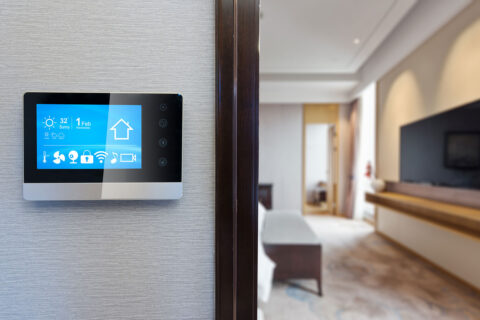
Key Takeaways
Smart thermostats combine adaptive learning, remote access, and geofencing to minimize wasted heating or cooling.
Check…