
The Health and Comfort Benefits of a Whole-House Humidifier
Key Takeaways
-
Balanced humidity from a whole house humidifier promotes respiratory health, skin hydration, fewer allergy symptoms, and prevents the spread of airborne viruses.
-
Sleep better and feel more comfortable. Dry air, static shocks, and thermal discomfort are minimized by consistent indoor humidity.
-
Maintaining appropriate humidity levels helps save your home and woodwork as well as your electronics, shielding your investments from damage.
-
When paired with your HVAC system, a whole house humidifier is more energy efficient, improves heating performance, and keeps the indoor environment consistent.
-
Whole house humidifiers need to be refilled and cleaned less often than portable ones, making them more convenient and reliable over time.
-
A whole house humidifier is an excellent investment because it saves you money in the long run by preventing unnecessary repairs, promoting energy efficiency, and increasing the lifespan of your home’s furniture and electronics.
Whole house humidifier benefits include more even air moisture, less dry skin, and fewer static shocks in every room.
These systems assist in preventing wood floors and furniture from cracking and make indoor air feel more comfortable during the colder months.
Folks with allergies or breathing issues tend to breathe easier.
For a deeper look into how these units work and what to expect, the body provides important information and things to know before purchasing.
Health Advantages
Keeping a healthy humidity level inside is about more than comfort. It’s a vital aspect of your health. Whole house humidifiers maintain consistent moisture in the air which can assist with skin, slow the spread of viruses, and help everyone sleep better. Maintaining that 30% to 50% humidity range not only makes a home more comfortable, but minimizes potential health dangers, particularly during winter or in dry climates.
Below, a breakdown of the main health benefits:
-
Aids skin in retaining moisture, so skin remains soft and less inflamed.
-
Toughens air passages so that viruses and germs cannot ride them as easily through the air.
-
Supports deeper sleep by creating a more comfortable climate.
-
Lowers the risk of coughs, sinus issues, and nosebleeds.
-
Reduces dust and allergens, leading to cleaner air.
1. Respiratory Relief
Proper humidity can make it easier to breathe by softening the air and making it less irritating to airways. Asthmatics breathe easier since consistent moisturization reduces the number of irritants that can induce an attack. When the air is too dry, noses are sore, throats are scratchy, and coughs stick around.
A whole house humidifier keeps air moist, so these symptoms fade and the entire family breathes easier. Some experience reduced sinus issues and congestion, particularly during cold seasons when indoor heat tends to parch the air. In the long run, consistent humidity can translate into reduced sick days and improved pulmonary health.
2. Skin Hydration
Dry air causes cracked hands, rascally rough patches and incessant itching. A humidifier combats this by injecting water vapor into each room, which prevents skin from becoming parched. Eczema sufferers could experience fewer flare ups and less discomfort during winter.
Moist air keeps skin supple and smooth, so lines and wrinkles appear less pronounced. Retaining moisture in the air makes us all feel better in our skin all year long.
3. Virus Inhibition
Numerous viruses, such as flu or cold viruses, prosper in dry air. With a whole house humidifier, air contains just enough moisture to reduce the rate at which germs spread. In homes with consistent humidity, you don’t get sick as frequently.
This matters if you have young children, elderly parents, or a compromised immune system. By hindering the movement of viruses, you reduce outbreaks and keep your household healthier.
4. Allergy Alleviation
Allergens such as dust and pollen hang easier in dry air. When humidity is balanced, these particles settle quicker and are more easily cleaned up. Humidifiers help keep mold and mildew from getting a foothold, which is crucial for those with allergies.
The perfect humidity leads to less sneezing, itchy eyes, and a fresher indoor ambiance. Purified air can comfort us all, particularly throughout allergy season or in bustling urban areas.
5. Sleep Quality
Restful nights can be challenging in dry air. We sometimes wake up thirsty, with dry throats or stuffy noses. Humidified air keeps bedrooms comfortable, so sleep is deeper and less interrupted.
In the long run, this can translate to more energy and feeling better during the day. Good sleep bolsters the immune system so that your body is strong against illness. A consistent indoor environment gets everyone up and going at their peak.
Enhanced Comfort
A whole house humidifier maintains indoor air at the proper level of moisture year-round. This is crucial for comfort in dry air, which can be an issue in the winter or in arid climates. By distributing humidity throughout the house, these systems ensure that no room is overly dry or uncomfortable.
Maintaining a humidity level of between 35% and 45% in the home prevents the air from becoming too dry. With air that isn’t bone dry, folks tend to experience less of these symptoms: dry skin, itchy eyes, or scratchy throats. It reduces nosebleeds and that ‘dry’ feeling that accompanies low humidity, which tends to plague anything below 30%.
It soothes sleepers with dryness caused by the air. With balanced air, it’s really easy to get a good night’s sleep because your throat and nose aren’t dry and sore. Others experience reduced snoring as a bonus since their nasal passages aren’t so dry during the night.
That balanced humidity assists with thermal comfort. When the air is properly humidified, it actually feels warmer even though the thermostat may be set at a lower temperature. That translates to folks being able to crank down the heat a smidge and still feel snuggly, which is great for energy bills.
In areas where the air becomes extremely dry in winter or extended droughts, this matters a lot. The entire house feels more comfortable to live in, and you naturally find yourself congregating with others in common or not-so-common areas more often.
Static electricity accumulates more when the air is dry. Translation? More shocks on doorknobs, electronics and even other people! A humidifier keeps this issue to a minimum so the house feels more comfortable and secure.
It’s good for at-home workers with computers and other static-sensitive gear. Whole home humidifiers aid in maintaining wood furniture, flooring, and even musical instruments. Dry air can cause wood to crack or warp, which is not only uncomfortable but expensive to repair.
By maintaining the entire house at uniform humidity, these problems are less frequent and the house holds up better, longer.
Home Preservation
Home Preservation – Balanced humidity protects homes and belongings against common issues caused by dry or moist air. Unstable humidity can ruin wood, electronics, and even the structure. Whole house humidifiers simplify the process of maintaining indoor air at 30 to 50 percent relative humidity, the level most experts recommend for home care.
Woodwork
Dry air, frequently under 30%, will actually draw moisture out of wood floors, furniture, and trim. This makes wood brittle, which results in splits, cracks, or warping. When humidity swings the other way, moisture can seep in to make wood swell or rot.
A maintained interior climate allows for wooden cabinets, doors, and moldings to maintain their strength and keep from warping. It means finishes remain smooth and glossy rather than becoming dulled or rough. Even light fixtures, picture frames, or musical instruments appreciate a steady environment.
If you have a wood-rich home, such as timber beams or hardwood stairs, regulating humidity is crucial to maintaining these features.
Electronics
Electronic devices require a bit of humidity in the air or they’ll zap you with static, which can fry sensitive components. Super dry air makes static build up more probable with computers, TVs, and other sensitive equipment. Higher humidity, on the other hand, can lead to internal rust if not managed.
A balanced level is less risk of static, so electronics last longer and work better. It comes in handy with day-to-day things, like remote controls, game consoles and smart home devices.
Maintaining between 30% and 50% humidity around the air will ensure consistent performance and prevent unexpected breakdowns. A whole house humidifier, combined with periodic visits to the humidistat, keeps moisture where it belongs for all sorts of equipment.
Structures
Humidity swings can do more than lead to minor cracking or peeling wallpaper. Repeated moisture fluctuations can eventually weaken drywall, paint, and ceiling plaster, and even certain types of insulation. Mold is an additional danger when humid air is permitted to linger in walls or ceilings, particularly in areas with low ventilation.
For a number of building materials, including plaster and wood framing, maintaining moisture stability translates to less repairs and maintenance. It contributes to keeping home safer by lessening the chances of mold and mildew, which can compromise the sturdiness of walls and the health of your family.
Home Preservation – Routine maintenance of the humidifier, such as replacing the water panel and cleaning components, is required to maintain the air quality and prevent any microorganisms from circulating throughout the residence.
Systemic Integration
Whole house humidifiers are most effective when constructed directly into a home’s HVAC system. In this configuration, the humidifier can be integrated with HVAC systems, maintaining the air at proper humidity levels and assisting the system as a whole to operate optimally. This type of integration pays huge dividends in air quality, comfort, and energy savings.
-
Enhances HVAC performance by stabilizing air humidity.
-
Reduces energy consumption by allowing the system to operate at lower levels.
-
Feels like warmer and more comfortable air in the cold seasons.
-
Assists in managing humidity throughout your entire home, not simply a single space.
-
Reduces mold, bacteria, and mineral buildup inside the system.
-
Lowers the need for frequent heating tweaks.
-
Simplifies upkeep with fewer refills and less cleaning.
-
Maintains a healthier, more balanced indoor environment.
HVAC Synergy
Whole house humidifier to HVAC system makes the system work better. Depending on the model, the humidifier disperses up to 64 to 68 liters of water vapor daily, so all rooms receive uniform moisture. This can assist heat pumps and air conditioners in maintaining a consistent temperature and avoiding drying out or over-humidifying the air.
When humidity is maintained in the appropriate range, your HVAC system does not have to work as hard, potentially resulting in lower energy bills. They report that the air feels warmer in the winter, allowing them to reduce their thermostat setting slightly.
A whole house humidifier assists with air quality. It maintains humidity at optimal levels, so dust and particulate matter don’t swirl around as much. That can translate into fewer sneezing and coughing fits, with an overall easier time breathing, particularly if you have allergies.
There is a science to sizing and fitting the humidifier to your existing HVAC system to obtain these benefits without creating other problems or overtaxing the equipment.
Maintenance Contrast
|
Feature |
Whole House Humidifier |
Portable Humidifier |
|---|---|---|
|
Refilling Frequency |
Few times per year |
Daily/Weekly |
|
Cleaning Frequency |
Every few months |
Weekly |
|
Filter/Pad Replacement |
Annually ($20–$60) |
Monthly/Quarterly |
| Maintenance Effort | Low | Moderate/High |
Whole house humidifiers take less manual maintenance than their portable cousins. You don’t need to always refill the water tank every day. Cleaning is less frequent. Most require only a filter or pad replacement annually, which typically costs under $60.
Annual service helps the system avoid problems such as mold or mineral buildup and keeps it running efficiently for years.
Air Quality
Maintaining optimal humidity reduces airborne irritants. When the air is too dry, dust and allergens swirl about more readily. The right humidity prevents it. You hear people mentioning less dry skin, sore throats, or static shocks.
Whole house humidifiers control irritants that make breathing tough. They may assist in preventing dust mites from flourishing and reduce allergens, which is crucial for asthmatics or allergy-prone individuals.
With constant humidity, everything feels damp and clammy, both day and night. Integrated with the HVAC system, every room enjoys the advantage of fresh, humidified air. This makes the whole house feel better and stay healthier with less chance of chapped or dry skin.
Economic Sense
Economically, whole house humidifiers might be good for those who want to protect their homes and manage running costs. The initial cost is not insignificant, with the average system running between $500 and $2,500 when you include installation. The device itself typically costs anywhere from $120 to $1,850, with the median around $575. It might seem like a big spend initially, but the long-term savings and protection can make it worthwhile for a lot of people.
Maintenance cost is low. Most require just basic cleaning and a new filter or pad annually, which might run between $20 and $60. Just the right humidity helps keep home repair bills down. Wood floors, doors, and furniture won’t crack or warp in a well-humidified space. This can translate into less expensive repairs or replacement down the line.
Dry air makes paint chip and wallpaper peel, which can contribute to labor and expenses. Static shock that can zap electronics or just generally make life not fun becomes far less of a possibility with proper humidity management. For those with paintings, books, or musical instruments hanging around the house, consistent humidity can keep these things a little fresher longer.
Heating cost can frequently be reduced by a whole house humidifier. Moist air feels much warmer than dry air, so the majority of people can reduce their thermostat setting by one or two degrees Celsius and feel just as warm. Over a winter, this can result in genuine energy bill savings. When your furnace doesn’t have to run as much, it can last longer, reducing repair or replacement costs.
A whole house system works with the home’s HVAC, dispersing moisture more uniformly and using less energy than running many small humidifiers in every room. It’s more economical than deploying small, portable humidifiers in every room! Portable units usually require filling with water daily and more frequent cleaning. If left dirty, they can develop mold or bacteria that can damage your health and increase cleaning expenses.
Whole house systems are designed to operate with minimal hassle and maintenance. An ultra simple humidity checker, a hygrometer, might run you a few bucks to $200, but it’s a one-time purchase that can keep the home in the perfect zone.
Some ways a whole house humidifier can save money:
-
Lower energy bills by running the heat less
-
Less repairs to wood floors, furniture, and other home accoutrements.
-
Less cash thrown at new electronics or art because of dry air damage.
-
Fewer trips to buy portable humidifiers or parts
-
Less time and money are spent scrubbing mold or bacteria in the tiny units.
Hiring a licensed pro for install can be more expensive up front, but it can prevent expensive mistakes that burn out gear or cause inefficient energy use. Combined, these savings and home protections can pay for the humidifier over a few years.
Beyond The Obvious
Whole house humidifiers don’t just prevent dry air. They influence how we experience home, extending well beyond individual spaces. Maintaining moisture balance among all living spaces, these technologies operate in manners not necessarily evident at first glance.
A big advantage is how these humidifiers assist with health. Dry air can irritate the nose and throat, causing difficulty sleeping or even breathing at night. A whole house unit keeps the air moist and keeps your nasal passages clear. This allows you to sleep soundly and wake up without a scratchy throat.
Young kids, seniors, or individuals with breathing problems usually notice a huge impact. It’s not just comfort; air with adequate moisture may assist the body in combating some germs, as numerous viruses transmit more readily in dry air.
Comfort in daily life is another crucial component. When the air is too dry, your skin can crack and itch and your eyes can become sore. Homeowners frequently have to supplement with lotion or eye drops. Moderate humidity helps cut down these issues.
It’s great for preventing static shock, which is a nuisance in lots of homes during dry months. Equilibrated air prevents wood floors, furniture, and musical instruments from cracking or warping. This becomes crucial in locations where the outdoor humidity oscillates.
Portable humidifiers can’t provide these broad benefits since they cover only small areas, leaving the majority of the house dry. In the long run, a whole house humidifier is worth it. Moist air feels warmer, so they turn down the heat and save money.
The system doesn’t require much maintenance. Annual inspections and replacing the water panel every year are typically all that’s necessary. That’s less work than filling and washing a bunch of small pieces.
Even so, it’s crucial to maintain with caution, for excess moisture can bring about other issues, such as mold or stuffy rooms. Excellent systems feature controls that maintain levels in the optimal range, between 30% and 50% relative humidity.
A well-rounded home environment has its benefits too. It shields art, books, and electronics from damage due to dry air. It can even make houseplants grow better, as they require consistent moisture.
Well tuned means every room, from the bedroom to the kitchen, remains constant and cozy, day and night.
Conclusion
Whole house humidifiers don’t just prevent dry skin or stuffiness. They help prevent wood floors from cracking and reduce dust in every room. They keep air fresh, so you sleep better and feel less fatigued. These units operate off of your heater or cooler, so you don’t have to install anything every time the season changes. Bill savings are real because moist air feels warmer, so you use less heat. We all have different homes, but consistent air humidity tends to preserve things for years. Looking for an easy house improvement? A whole house humidifier is worth checking out. Experience what fits your space and feel how it makes everyday life easier.
Frequently Asked Questions
What are the main health benefits of a whole house humidifier?
A whole house humidifier can minimize dry skin, alleviate irritated sinuses, and reduce respiratory infections by controlling indoor humidity to ideal levels.
How does a whole house humidifier improve home comfort?
Balanced humidity from a whole house humidifier keeps dry air at bay, so your home will feel warmer and more comfortable even without turning up the heat.
Can a whole house humidifier help protect my home and belongings?
Yes, it keeps wooden furniture, floors, and musical instruments from cracking by maintaining a consistent moisture level in the air indoors.
Is a whole house humidifier energy efficient?
Yes, with comfortable humidity, it can be set to a lower heat. All of this can help cut energy use and save on heating costs.
Will a whole house humidifier work with my existing HVAC system?
Typically, whole house humidifiers are used with most normal HVAC systems. They’re quite easily installed.
What maintenance is required for a whole house humidifier?
It requires regular cleanings and filter changes from time to time to keep it functioning properly and avoid mold or mineral accumulation.
Are there additional benefits beyond health and comfort?
Yes, balanced humidity reduces static electricity, protects electronics, and enhances overall air quality in your home.
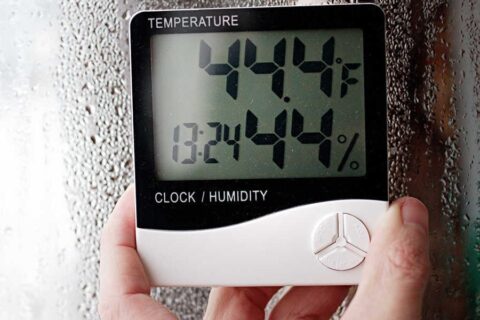
Key Takeaways
Keep an eye on your home humidity level with a hygrometer and humidistat, and try to maintain it between 30 percent and 40…
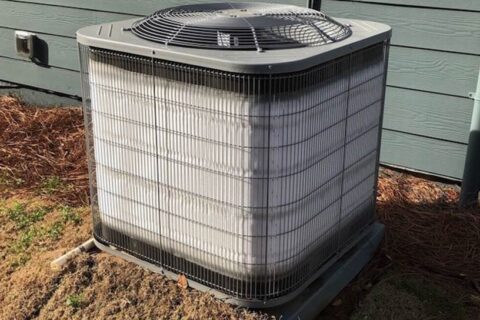
Key Takeaways
Inspect often for obstructed airflow, filthy filters, and coil pollution to avoid AC freezing and ensure optimal…