
The Importance of Annual Plumbing Inspections for Older Colorado Homes
Key Takeaways
-
Why older Colorado homes could benefit from annual plumbing inspections These inspections are especially important due to regional challenges such as freeze-thaw cycles, hard water, and shifting soil.
-
Identifying leaks and corrosion early on can save you the expense of last-minute emergency repairs, and allow your plumbing system to last longer.
-
Regular inspections protect your family’s health by ensuring safe, clean water and reducing the risk of lead or other contaminants.
-
Keeping up with your plumbing system will keep your home at peak value. It increases your property value and competitiveness in the Colorado real estate market.
-
Engaging local, licensed plumbers that are familiar with practices appropriate for older Colorado homes helps guarantee inspections are both rigorous and attuned to any regional code standards.
-
By planning at least a yearly inspection, you can budget for this and avoid larger costs associated with plumbing emergencies. It prevents costly surprises and helps your home’s plumbing stay healthy!
Annual plumbing inspections for older Colorado homes are essential. They’re an essential preventative measure that help catch leaks, worn pipes, and water damage before they turn into costly replacement jobs.
Most important of all, homes across Colorado weren’t built yesterday. These residences have pipes that need to withstand frigid winters, a moving underbelly, and aging construction materials. Get your older home’s plumbing inspected annually!
This allows you to catch problems such as frozen pipes, rust, or slow leaking and seepage that may not be immediately visible. Annual inspections identify leaks to save you money on water bills. Not only that, they help prevent mold and foundation damage too!
Homeowners in Colorado’s mountain towns and cities as well face freeze-thaw cycles that further stress plumbing. Our central guide outlines what to expect and how these inspections can save you money and a whole lot of anxiety.
Colorado’s Aging Pipes Challenge
With the majority of Colorado homes built decades ago, many Coloradans return home to a maze of plumbing dangers. These problems usually go overlooked until disaster strikes. Unfortunately, these homes tend to have outdated pipes, some made from materials that no longer withstand Colorado’s harsh climate.
The state’s homes contend with the double whammy of high altitude and dry air. On top of that, extreme temperature fluctuations from summer to winter further exacerbate the annual stress on plumbing. Here’s a look at the biggest challenges aging Colorado homes present and why annual inspections are so important.
Freeze-Thaw Plumbing Perils
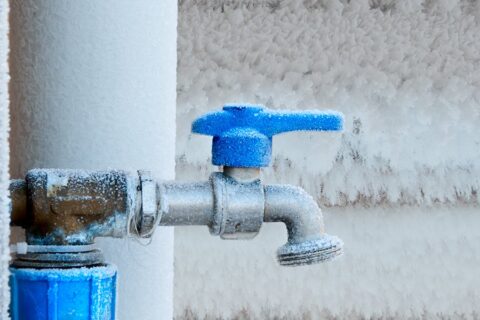
Colorado winters are characterized by weeks of extremely cold temperatures followed by rapid warm-up. Both of these changes suddenly make pipes expand and contract. Over time, this movement will lead to pipes cracking or bursting.
When water freezes inside a pipe, it expands, potentially enough to crack even thick metal. As a result, leaks often appear in the middle of winter in many older homes, necessitating emergency and disruptive repairs. A burst pipe often leads to a water emergency with damage spreading rapidly, destroying walls and floors.
Old Pipes, Big Risks
Pipes in homes built prior to the 1980s frequently test positive for high levels of rust or lead. With galvanized pipes, corroded plumbing can spring a leak at virtually every joint or angle in the system.
Lead pipes, which are more prone to older neighborhoods, pose a large threat of leaching this harmful metal into drinking water. Replacement costs come at a time when leaky pipes waste water and drive up bills. Replacing old fixtures or entire lengths of pipe can become expensive quickly. Failing to address issues before they become critical is even more expensive.
Colorado’s Hard Water Woes
Minerals such as calcium accumulate on the interior of pipes due to Colorado’s hard water. When it’s left to sit, over time, this slows water flow and contributes to clogging of pipes.
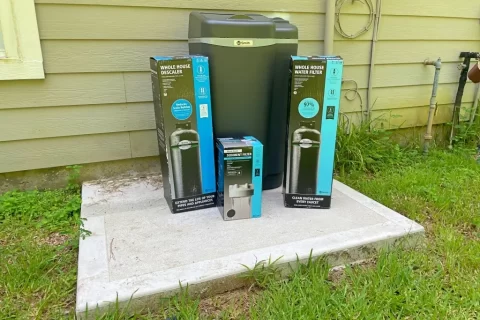
Hard water destroys our water heaters and washing machines at a much quicker rate. Point-of-use filters or whole-house water softeners can mitigate the issue, but must be regularly monitored and maintained to be effective.
Shifting Ground, Strained Pipes
Colorado’s soil tends to be loose and often shifting, especially following periods of wet weather. Pipes that are deep underground can bend or shatter. Signs such as sinkholes in the yard or slow drains are red flags.
Regions with significant soil expansion and contraction experience the worst impacts and require proactive plumbing inspections the most.
Why Annual Checks Matter Most
While older homes across the state add more character and charm to our communities, the plumbing systems in those homes often reveal their age. Annual inspections are an effective and realistic means of exposing concealed issues. When not addressed, these problems can cause expensive destruction or pose serious health hazards.
Completing these checks will give homeowners a better understanding of their plumbing’s actual state. Safer bridges foster peace of mind year-round.
1. Stop Leaks Early On
Routine checks help avoid disastrous and costly leaks. Plumbers too often find hot spots like corroded pipe joints and leaking supply lines. Loose fittings further create places where water can seep out and do slow but sure damage.
New leak detection tools, such as acoustic sensors, allow professionals to locate even the tiniest leak behind walls or under floors. By repairing leaks quickly, homeowners can prevent damage associated with leaks including warped wood, water stains and even mold growth.
2. Dodge Major Repair Bills
If you’re proactive about inspections, there won’t be as many surprises. Repairing a leaky faucet today is much cheaper than the price of an emergency service call when pipes break in cold weather.
Regular inspections are only a small percentage of the cost of a basement flood or major water damage. Distributing the cost of maintenance over annual check-ups allows the money spent to be much more manageable, avoiding overwhelming, unforeseen expenses.
3. Protect Your Family’s Health
Old pipes can cause more than inconvenience. Rust or corrosion or debris in your water lines could be making your water taste bad, a bad sign of an underlying issue.
If leaks invite mold, that’s an added hazard, as it’s very hard on lungs, particularly for children and senior citizens. Proper plumbing is critical to keep water safe when we drink it, cook with it, or bathe in it.
4. Make Your Plumbing Last
Annual inspections identify weak points and wear before they become break downs. By using quality pipes and fixture parts when repairing a system, we can ensure that the system lasts.
Annual maintenance prevents corrosion and sediment accumulation, meaning your pipes last for decades.
5. Improve Home Value Peace
A properly functioning, well-maintained plumbing system only serves to increase home value. Buyers in Colorado—particularly those interested in purchasing in historic neighborhoods—want a home that has good, functioning plumbing.
Detailed inspection records demonstrate a history of care that will make a house more attractive on the market and provide current homeowners with peace of mind.
What Your Inspector Checks
Annual plumbing inspections in older Colorado homes require a comprehensive plan. There is a lot of ground inspectors must cover to ensure our homes are safe, durable, and functional. That includes checking pipes, fixtures, water heater, drains, and a whole lot more.
A thorough inspection provides a good indication of your potential home’s plumbing health and helps identify problems before they become major issues.
Pipes, Fixtures, and Flow
Inspectors begin by inspecting pipes and plumbing fixtures throughout the home. To begin, your inspector should check for rust, cracks, and leaks, especially if you live in an older home.
Water pressure and flow are checked at sinks and shower heads. Weak flow or large decreases in pressure can indicate hidden leaks or buildup within pipes. Inspectors will be on the lookout for slow draining sinks or water damage on the floor beneath cabinets.
Leaks in visible pipes, such as those under sinks or in basements, are noted for immediate repair.
Water Heater Vital Signs
The water heater receives the most thorough inspection. Inspectors look for corrosion on the heater, water where it shouldn’t be, and unusual sounds.
They check the temperature settings to ensure the water is not too hot or too cool to be safe. Age is a factor here as well—units that are more than 10 years old should be inspected more closely.
Depending on the state of your water heater’s valves and other connections, your inspector might recommend replacing any visible signs of wear or corrosion.
Drains and Sump Pump Check
Drains are inspected to ensure water drains quickly and doesn’t pool. This is why inspectors usually run water in your tubs and sinks, checking for little to no drainage or gurgling noises.
If you have a basement, we will check the sump pump. If one is present, we make sure it’s functioning and properly connected to pump water away.
It’s important to make sure drains are regularly cleaned out, as hair and other debris can lead to blockages.
Early Corrosion Detection
Early detection of corrosive elements can significantly reduce overall repair costs. Your inspector will inspect the color and texture of the pipe to identify early rust or greenish blue corrosion marks.
They might even use cameras or other special tools to look inside pipes. See early corrosion detection for more information.
Simple measures—such as replacing a length of pipe—can prevent minor nuisances from escalating into major headaches.
Find Your CO Plumbing Expert
Discovering the best plumber in Colorado, particularly when you own an older home, requires more than a simple internet search. Sure, you do, but you need someone who’s savvy to the eccentricities of old piping. You want an expert who knows the latest local regulations, and who can give you peace of mind with strong credentials.
Prioritize Older Home Skills
Most Colorado homes built before 1970 were plumbed with materials and fixtures that new contractors never encounter anymore. Galvanized steel, clay—and yes, even lead—can hide behind crumbling plaster. An experienced plumber with years of hands-on experience in Denver Victorians and Boulder bungalows can see what you may not.
They can spot issues such as corroded pipes or old joints early on—before they turn into major issues. Specialists in older homes know how to work with delicate materials. They stay informed of evolving local codes to make sure your upgrades are the safest all around.
Check Credentials and Coverage
Make sure your plumber has the proper credentials. A truly qualified plumber should possess active state licenses. That’s because they’re trained and tested on Colorado’s unique plumbing codes.
Insurance is the other big one. It protects the homeowner and the plumber if things go sideways. Warranties are a good indication that they believe in their work, so be sure to ask what the warranty covers and for how long.
Qualified plumbers will be more than willing to provide references. Previous customers can provide honest input about a plumber’s reliability and workmanship.
Inquire About Local Expertise
Colorado’s climate creates some special plumbing headaches, such as frozen pipes or soil movement. Your local plumbing experts will have a sense for how these things shake down in various communities.
They can talk about their experience rehabilitating comparable homes. Perhaps they re-lined aging sewer pipes in a 1920s Highlands bungalow, or fixed copper plumbing in a Pueblo casa. This local expertise translates into quicker solutions and less unexpected costs.
Trust Local CO Reviews
Read Reviews from Other Colorado Residents Look at Google, Yelp and other local websites. A quality local plumber will be routinely recognized for fair pricing and the ability to solve a problem in a timely manner.
Find out who your neighbors trust. Further, look out for complaints filed with the Better Business Bureau to steer clear of offenders.
Inspection Costs vs. Benefits
Unpacking the cost-benefit of annual plumbing checks for older Colorado homes. It’s important to put these costs into context and compare them to the actual risks and benefits. A well-timed inspection can keep small issues from growing into messes that cost far more—both in dollars and in headaches.
What to Expect Price-Wise
For the average home in Colorado, a complete plumbing inspection would run about $150 to $350. That range is highly variable, based on a number of factors. Factors such as the condition of house size, age, accessibility to pipes, and if the plumbing travels through crawl spaces or outbuildings.
Inspectors might charge more for older homes with mixed piping, or if water pressure testing and camera scopes are needed. It’s always a good idea to get several estimates from reputable, local, licensed plumbers. This ensures the ability to identify reasonable pricing and budget in advance by allocating a line item in the budget annually for plumbing inspections.
Smart Investment, Not Expense
A smart investment, not an expense. Spending a few hundred dollars a year on inspections can save taxpayers thousands. Regular inspections can catch small leaks, corroded pipes, or worn seals before they turn into a major disaster.
A small leak under the sink can be difficult to detect. It can even lead to leaking water damage that will cost $2,000 and up to repair! Preventing the need for these major repairs is a smart investment that pays off in the long run. Additionally, having the assurance that your plumbing is in good condition can provide peace of mind when unexpected issues arise like during Colorado’s cold snaps.
Colorado Code Considerations
Working within local plumbing codes isn’t just rule following. Failure to secure inspections can result in fines or additional expenses should an issue require city intervention.
Alternatively, Colorado’s older homes might benefit from some minor improvements to bring them up to current, properly enforced code. Routine inspections ensure that your system continues to meet safety and legal standards which reduces liability and worry for the homeowner.
Prep Your Home For Inspection
Getting ready for your home’s yearly plumbing check-up is simple in Colorado! It just takes a bit of planning to ensure the process is a smooth and hassle-free one. Homes in historic Denver, Boulder, and Colorado Springs neighborhoods feature characterful floor plans. Because of this uniqueness, access and documentation are always paramount!
An effective checklist helps you maintain that laser focus and stay on task. This will ensure that the inspector can see all that they need to see.
Ensure Easy Plumbing Access
Begin by ensuring that all spots needing plumbing access are easy to access. Remove any boxes, bikes, or other storage bins from around your sinks, water heater and laundry hookups. Basements and crawl spaces in older homes quickly fill up with tools, furniture and everything in-between.
Remove these things to ensure inspectors can easily access pipes and shut-off valves! For residences with outdoor spigots or irrigation systems, prune back bushes and remove snow or leaves from valves or outdoor faucets. An easy-to-navigate path will speed up the process and allow the inspector to perform a more thorough inspection without as many interruptions.
List Your Plumbing Worries
Make a list of any plumbing worries you’ve noticed. You may notice that your bathroom drains are draining slowly. Maybe your toilet runs for hours or your hot water takes forever to get hot.
If your kitchen sink gets clogged frequently, or you’ve noticed any damp areas beneath plumbing, write that down. If you’ve noticed something different after a freeze or big rain event, we want to hear about it! These bits of information can allow your inspector to identify more serious issues.
Reference this list during the visit so you’re prepared for a thorough discussion.
Have Repair History Ready
Store receipts and records of previous repairs in a central location. Being able to tell the inspector when pipes or the water heater were last replaced allows them to look for signs of deterioration due to age.
If you have had a major repair like a slab leak, be prepared to describe what was done and when. Mention any issues that tend to recur, allowing the inspector to investigate further if necessary.
Conclusion
With Colorado’s older homes experiencing some of the most extreme swings in weather as well as significant wear on the pipes. Without annual inspections, leaks can go undetected, corrosion can worsen, and fixtures can fail suddenly due to age. An annual brief inspection helps catch little problems before they become major catastrophes. Experienced local plumbers can quickly identify the warning signs amid Colorado’s jumble of older and newer water lines. The majority of people discover that the price of a plumbing check-up is significantly lower than the cost of a broken pipe or water restoration. Even older Colorado homes can avoid costly emergency repairs with an affordable annual strategy. Have an older home somewhere in Colorado? So, book a pro today, ask questions, and nip those plumbing pitfalls in the bud to protect your pipes for generations to come.
Frequently Asked Questions
Why do older Colorado homes need annual plumbing inspections?
Corrosive, freezing and leaking pipes Aging infrastructure pipes in Colorado are vulnerable to corrosion, freezing and even bursting. Annual inspections allow us to identify smaller issues before they develop into expensive water damage emergencies that require major repairs.
What plumbing issues are common in older Colorado homes?
Some common issues that arise are rusty pipes, low water pressure, leaks and the use of outdated materials. The freeze-thaw cycles Colorado is known for are tough on old plumbing, causing cracks and bursts.
What does a plumber check during an inspection?
What does a plumber look for during an inspection. Plumbing pipes Plumbing water heater and fixtures Plumbing shutoff valve. They check for leaks, corrosion, water pressure issues and signs of old or unsafe plumbing materials.
How much do plumbing inspections cost in Colorado?
How much do plumbing inspections cost in Colorado. Depending on the size and age of your home, costs can differ significantly.
Are plumbing inspections worth it for Colorado homes?
Are plumbing inspections worth it for Colorado homes. Identifying problems early can prevent damage that costs thousands of dollars to repair, which is hugely beneficial given Colorado’s extreme climate.
How should I prepare my home for a plumbing inspection?
Provide easy access to all pipes, water heaters, and shut-off valves. Clear out clutter beneath sinks, around tubs, showers and toilets, so the plumber can have space to work.
How do I find a qualified plumbing inspector in Colorado?
Find a qualified plumbing inspector
How do I find a qualified plumbing inspector in Colorado? If you don’t know anyone, ask your neighbors or look at the Colorado Department of Regulatory Agencies for a list of trusted professionals.
Key Takeaways
Water softener vs water filter They both rely on different mechanisms to solve different water problems. Softeners remove hard…
Key Takeaways
Pipes often freeze because they are exposed to cold air or because there are drafts around the pipe causing it to be…