
Essential Tips for Maintaining Optimal Home Humidity in Colorado Winters
Key Takeaways
-
Keep an eye on your home humidity level with a hygrometer and humidistat, and try to maintain it between 30 percent and 40 percent.
-
Keep in mind that the high altitude and temperature swings in Colorado tend to decrease your home’s humidity level. You’ll need to take that into account when humidifying.
-
Balance your home’s humidity level this winter in Colorado to help keep your respiratory system healthy, prevent dry skin, and preserve your home’s furnishings.
-
Go humidifiers, all-natural with houseplants and water basins.
-
Seal and insulate to keep humidity levels steady and your heating bills low.
-
Keep abreast of sophisticated humidity control options such as smart sensors and integrated HVAC systems for automated and consistent humidity management.
What’s the ideal home humidity level in winter for Colorado? Lower outdoor temperatures and dry air from furnaces can cause lower indoor moisture.
Dry air leads to skin problems, static shocks, and headaches for your wood furniture or flooring. Monitoring humidity with a simple meter keeps levels monitored.
The following sections present simple strategies for maintaining indoor air that is more comfortable and healthy for everyday life.
Colorado’s Ideal Humidity
Colorado’s winters deliver a dry, crisp climate influenced by altitude and the seasons. The outcome is always low humidity, particularly indoors, where heating systems aggressively dry the air. Homeowners are familiar with its impact: static electricity, dry skin, and quickly worn wood floors or furniture.
Adequate indoor humidity alleviates these symptoms, promotes respiratory health, and preserves home finishes. For most homes in Colorado, the ideal indoor humidity is around 40% to 50%, with some variation from 30% to 50% depending on comfort and other considerations. Frequent checking and tweaking lets you maintain a healthier home through winter.
1. The 30-40% Rule
Aiming for a relative humidity of 30 to 40 percent is a reasonable initial goal, particularly during colder seasons. This range maintains comfort for most people, helps prevent respiratory irritation and keeps static shocks at bay. A hygrometer is the ideal instrument for monitoring indoor humidity.
Set it in primary living spaces, out of direct heat or moisture sources for the most dependable readings. If readings are under 30 percent, add moisture with a humidifier or by putting basins of water near heating vents. Forced air heat, like you’ll find in Colorado, is a dried air devil, so make sure you’re checking often.
Turn humidifier settings down or combat with manual methods to keep levels steady. Pass along basic tips to the family so that everyone knows why the 30 to 40 percent range is important for health and comfort.
2. Altitude’s Impact
There’s less moisture in the air when you live so high up. Colorado’s high altitude causes air to hold less water vapor than it would at sea level, particularly during cold snaps, creating year-round parching in homes. Our home humidity can drop even lower than in other areas, which makes for discomfort and potential problems with wood, paint, and even electronics.
Combat the effects by selecting humidifiers based on your home’s size and environment. Choose the ones with automatic controls that adjust to altitude and indoor air changes. Healthy humidity alleviates altitude-related irritations such as dry nostrils or scratchy throats, so it’s a key component of winter home maintenance.
3. Temperature’s Role
Temperature swings are typical in Colorado. Warm air can hold more water and cooler air can hold less. If you turn up the thermostat, humidity can decrease unless you’re humidifying the air as well.
By regulating indoor temperature, typically between 18°C and 21°C, and keeping an eye on humidity, you can avoid condensation on your windows and walls. Noticing condensation or a lingering dry sensation can indicate that changes are required.
If the house seems too dry, turn down the heat a bit and put some moisture in the air, maintaining an equilibrium of temperature and humidity.
4. Personal Comfort
Some like it hot, others like it cold. Some thrive with humidity around 30% while others detect dry skin or scratchy eyes unless it is closer to 45%.
See how you and your family react to humidity. Adjust settings seasonally or when needed. If dry air is impacting sleep, experiment with a humidifier in bedrooms. Solicit input from all family members and adjust accordingly for comfort and health.
Your Body’s Response
Winter in Colorado usually signifies low humidity indoors, particularly with the heat on. When the air is dry, moisture in your skin evaporates, resulting in dry skin, chapped lips, and scratchy areas. Hands and face, which are more exposed to the cold air, usually reveal these signs in advance. For others, it can cause their eczema or psoriasis to flare more frequently.
Dry air isn’t just harsh on your skin. It can dry out the lining inside your nose and throat, causing you to feel scratchy or sore. When sinuses dry out, it can result in pain or exacerbate sinusitis. Your body’s mucus, which helps trap germs, doesn’t do so well in dry air. This can cause people to be more susceptible to colds or other sicknesses.
It can affect people with asthma or allergies, making their symptoms worsen. Dry air can aggravate the lungs and airways, causing coughing or shortness of breath.
By keeping indoor air at optimal humidity levels, the body functions more efficiently. Health professionals often recommend a range of 30 to 50 percent relative humidity. In this range, the skin retains additional moisture. Your nose and throat mucus remains sticky enough to catch dust and germs. This can reduce the risk of illness.
Research indicates that when rooms are maintained at appropriate humidity, cold and flu rates may decrease. There is some research suggesting that dry air could contribute to increased stress, but more research is required to confirm this.
Your body is a unique reaction to dry air. For some, changes are immediate; for others, subtle and gradual. Look for symptoms such as dry eyes, nose bleeds, or waking up thirsty. If you begin to cough more or feel sinus pain, it could mean that your home is too dry. Follow these shifts and observe whether they improve when you moisten the air.
It is easy to aid your body in managing dry air. Utilize a humidifier to keep the air at a healthy range. Drink lots of water throughout the day. Warm, brief showers moisturize the skin without drying it. Omega-3 supplements can help your skin from losing too much fat and water.
Apply skin creams or ointments after bathing to help seal in moisture. These steps will help keep your skin, throat, and lungs more comfortable even during the driest winter months.
Your Home’s Response
Homes in chilly, dry climates such as Colorado typically combat low humidity during the winter. As the outside temperatures get colder, the indoor air can dip to below 20% humidity. This kind of dryness isn’t merely about comfort. It can even begin to destroy the contents of your home. When the air gets too dry, wood floors and wooden furniture begin to shrink or crack. Even paint or wallpaper can come off. Natural fibers in rugs or upholstery can get brittle. These little shifts accumulate and can damage your home’s worth and coziness.
If your house is too dry, you may experience increased static shocks, dry skin, or a scratchy throat. They’re obvious indicators that the air is lacking humidity. Low humidity makes rooms feel cooler than they are. This could tempt you to crank the thermostat, which further dries out the air. A little humidity—whether from a humidifier or wet clothes hung to air-dry inside—works wonders.
A room humidifier is an easy solution, but it’s essential to examine the air circulation in your home. Well-ventilated air circulation prevents dry patches and distributes the moisture. Sealing drafts around windows or doors keeps the right mix of air and moisture in your home’s response.
Too much humidity is equally dangerous. Anything above 50 to 55 percent humidity will create mold or dust mites, particularly if air does not circulate well in certain rooms. Mold grows quickly in corners and on walls with stagnant air. Bathrooms and basements are typical trouble spots. To guard against these issues, target humidity levels between 30 percent and 50 percent. This spread promotes healthy breathing, reduces dust mite proliferation, and makes your home feel warmer even when it’s cold outside.
Monitor your indoor air. Employ what is called a hygrometer—a simple instrument that measures humidity—to monitor your rooms. A lot of the newer thermostats display humidity as well. If you notice numbers falling too low or climbing too high, it’s time to intervene.
Automated processes such as HVAC systems, window vents, or even simply leaving fans running in closed-up rooms can assist. When air circulates, it’s more difficult for mold to establish itself or dry air to accumulate. A few minor checks and adjustments can keep your home fighting fit and cozy all winter.
Recognizing Imbalance
Humidity levels inside our homes fluctuate rapidly during winter, particularly in Colorado’s high, dry environment. When the air turns dry or too damp, it can impact both your health and your home. Noticing this imbalance beats the hell out of finding a hole burned in the carpet and keeps the dorm room both safe and comfortable.
Physical Signs
Dry air strikes in the real world. Skin can become tight, cracked, or itchy. We tend to pay attention when our lips get chapped, our eyes become dry, or our throat gets scratchy. Others wake with a cough or a stuffy nose.
These are indications the indoor air is too dry, a frequent occurrence when forced air heating operates around the clock. Dry air can allow dust and allergens to float through the air, which aggravates allergies.
Excess humidity indoors is less prevalent in Colorado. It does occur. Keep an eye out for misted windows or raindrops on glass. Mold can creep in corners or on walls and rooms could scent musty.
These are obvious indicators the air is too humid. Humidity imbalances aren’t just bad for the house. They can cause fatigue, headaches, and shortness of breath. Kids and seniors can be more sensitive.
If several members of your family experience these issues, it’s a hint to test the air. If you notice issues, take action early. Throw in a humidifier for dry air or a dehumidifier if things feel clammy.
Open windows to air for a few minutes. Little action can frequently repair the damage before it becomes irreparable.
Measurement Tools
-
Analog hygrometer: Simple, low-cost, shows current humidity percentage.
-
Digital hygrometer: Easy to read, some track temperature too.
-
Smart humidity monitors: Connect to apps, send alerts, and help spot trends.
-
Combination weather stations: Provide indoor and outdoor readings for context.
Smart controls allow you to receive updates on your phone, which is useful for busy households. These devices can coordinate with heating or cooling systems to maintain humidity.
You need to calibrate these tools, too! Dust and temperature fluctuations can skew readings. Use the manual or online guides to reset them every few months.
Recognizing the Imbalance Take a chart. Record daily readings, time of day, and note when you use humidifiers or air the house. Throughout the month, you’ll notice patterns. It aids in identifying imbalance.
Achieving Balance
Winter indoor humidity control is tricky, particularly in areas that experience cold, dry air. In Colorado, the air gets much drier in winter, so our homes dry out quickly. Balanced humidity, between 30% and 50%, is best and reduces germs, dust, and other things that damage air quality.
Low humidity leaves you feeling parched, leads to health issues, and can even take its toll on wood floors or furniture. To keep things in check, you want to consider airflow, your heating and cooling system, and the insulation in your home. A combination of machines and basic hacks can maintain the optimal indoor humidity level, regardless of what’s going on outside.
Strategies for Achieving Balanced Humidity:
-
Run a humidifier and use natural methods to increase moisture.
-
Inspect your humidifier system on a consistent basis.
-
Watch how the season affects your home’s humidity needs.
-
Seal up air leaks to keep moisture inside.
-
Open windows temporarily to increase airflow as necessary.
-
Sprinkle in moisture-loving plants and water basins for a natural boost.
-
Adjust your humidistat to maintain the proper humidity level with minimal effort.
Humidifiers
-
Choose a humidifier that is appropriate for the size of your space.
-
Clean the tank and parts weekly to prevent mold and bacteria.
-
Change filters as needed for clean and steady moisture.
-
Put humidifiers in dry rooms, not just the living room.
-
Use distilled water to lower mineral buildup.
Periodic maintenance is the trick. A dirty humidifier can blast germs into the air instead of comforting you. Portable models assist in targeting dry areas, such as bedrooms or offices.
Installing a humidistat allows you to maintain a consistent moisture level and reduces your labor.
Natural Methods
Water basins near heaters or radiators contribute moisture as water gently evaporates. It’s easy and it works in every household. Plants such as peace lilies or spider plants can provide that extra moisture.
These plants are air cleaners and will do wonders for your indoor comfort. Cooking, boiling water, or taking a hot shower with the bathroom door open will bump up humidity.
For an immediate solution, hang damp clothes indoors. DIY hacks, like setting a bowl of water on a windowsill, can help a bit when you don’t want to invest in gadgets.
Sealing Leaks
Leaks around windows and doors allow dry air to enter and increase heating costs. Identify drafts with a quick hand test or by holding up a candle to detect moving air. Sealing these gaps reduces air leakage and contributes to retaining moisture.
Weather stripping and caulking are very inexpensive methods of sealing cracks. Inspect old houses for corners where walls, floors, or ceilings converge.
A tight house keeps air and moisture where you want it. This renders your space more energy-efficient and cozy during the colder months.
Beyond The Humidifier
Controlling winter humidity is about more than just hooking up a typical humidifier. A humidifier does bring moisture, but it’s not always up to the task—particularly in places like Colorado, where our homes can become a dry and cracked wasteland. Air sealing is an important step. When you seal cracks and gaps in windows, doors, and walls, you keep moisture from escaping.
This keeps your indoor air less dry and you use less energy. They explain that the leakier a house is, the drier it will get. Good air sealing can even make a bigger difference than running a humidifier all day.
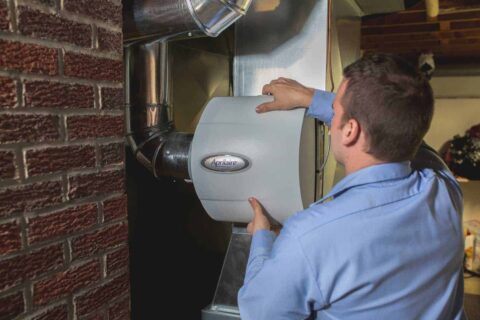
For bigger spaces or those seeking more control, whole-home HVAC units with integrated humidification could be a wise option. These systems maintain a consistent level of moisture in each room. They collaborate with your heat and air to provide a stable sensation that is difficult to achieve with one or two small humidifiers.
Certain newer HVAC systems include sophisticated humidity sensors. These sensors monitor the indoor air and automatically adjust settings to maintain a consistent humidity, which makes it a lot easier to remain in the healthy range of 30% to 50% RH.
About Dr. Stephanie Taylor’s work says that indoor humidity shouldn’t be under 40%. Some specialists concur, calling 40% a “hard stop” for health. If levels get too low, dry air can exasperate asthma and allergy issues. It can dry out your eyes, skin, and even wood furniture or floors.
Adding too much moisture can backfire. Going much above 50% humidity invites mold and mildew, which will harm your health and home. That’s why precision control is crucial.
Up and coming tech makes humidity more controllable. Smart home sensors now connect with apps, allowing you to monitor and adjust your home’s humidity from your phone. Others leverage real-time data to change settings all day, even as the weather outside shifts.
This results in less guesswork and less radical shifts in indoor air. Keeping up with these technologies goes a long way toward helping your home stay healthy and comfortable no matter how cold and dry it gets outside.
Below is a table showing different advanced humidity control solutions and their features:
|
Solution Type |
Key Features |
Pros |
Cons |
|---|---|---|---|
|
Whole-home HVAC with humidifier |
Built-in, covers all rooms, auto controls |
Consistent, low upkeep |
High upfront cost |
|
Advanced humidity sensors |
Real-time data, auto adjust, phone alerts |
Less guesswork, more precise |
Needs setup, not always cheap |
|
Smart home-enabled humidifiers |
App control, schedules, data tracking |
Convenient, flexible |
May not cover large spaces |
|
Air sealing (windows/doors/walls) |
Prevents dry air leaks, boosts energy efficiency |
Long-term fix, no upkeep |
Needs professional install |
Conclusion
Maintaining proper humidity levels at home during a Colorado winter season makes you feel better and keeps your living space healthy. Dry air itches skin, cracks wood, and makes days tough. Too much moisture can cause mold and weird odors. Equilibrium provides ease and less trouble. Consider easy measures, such as placing a pan of water near a heat source or drying clothes indoors. Look for indicators in your body and in your home. Keep ahead of them for a happier winter. If your space still feels out of whack, consult a local pro or check a basic meter. Be conscious and maintain stability. For additional simple advice or to exchange your own hacks, visit our other guides.
Frequently Asked Questions
What is the ideal indoor humidity level for Colorado homes in winter?
Shoot for 30 to 40 percent relative humidity. This range combats dryness, safeguards health, and helps stave off damage to your home during Colorado’s arid winter season.
Why does low humidity feel worse in Colorado during winter?
Colorado’s dry climate and freezing temperatures reduce indoor humidity. This can cause skin, eyes, and airways to feel drier and more uncomfortable than in more humid locations.
Can dry indoor air in winter damage my home?
Yes. Low humidity can do a number on wood floors and furniture, making them crack, causing peeling paint and creating static electricity.
How can I tell if my home’s humidity is too low?
Typical symptoms are dry skin, itchy eyes, static shocks and cracks in wood or paint. A digital hygrometer can provide a precise measurement.
What is the safest way to increase home humidity in winter?
Humidifier is the safest and best way to do this. Solution: air-dry laundry inside and add some houseplants to help increase moisture levels.
Is it possible to have too much humidity in winter?
Yes. Humidity above 50 percent fosters mold and dust mites. Just be sure to watch humidity levels and keep them in the recommended range.
Are there alternatives to humidifiers for adding moisture to the air?
Yes. Bowls of water placed near heat registers and radiators, air-drying clothes and towels in rooms, and the presence of houseplants can all naturally add humidity.
Key Takeaways
Inspect often for obstructed airflow, filthy filters, and coil pollution to avoid AC freezing and ensure optimal…
Key Takeaways
Balanced humidity from a whole house humidifier promotes respiratory health, skin hydration, fewer allergy symptoms, and…