
Weekend Plumber in South Denver Open Saturday for Emergencies
1st Choice Pro Services keeps a weekend plumber on call across South Denver, answering Saturday emergencies in Parker, Castle Rock, Centennial, and Highlands Ranch. When a pipe bursts, a drain backs up, or a water heater quits before Monday, licensed technicians arrive with pumps, cameras, and leak-detection gear to stop the damage the same day.
Not every leak needs a 2 a.m. call, but a Saturday backup left until Monday can soak drywall and grow mold within days. Below, you will find which problems truly qualify as weekend emergencies, the safety steps to take before help arrives, and how to check a plumber’s license, reviews, and fees before you dial.
Key Takeaways
-
Weekend plumber open Saturday south Denver – If you have a burst pipe, toilet overflow, sewer backup or major leaks, we don’t expect you to wait until a weekday to have it fixed.
-
Licensed plumbers – Fast response for homes and businesses – hydro jetting, cameras, and leak detection to minimize water damage and health problems.
-
Typical open Saturday plumbing services are emergency water leak repair, unclogging drains, repairing or replacing water heaters, and fixture fixes. This minimizes downtime and avoids expensive subsequent damage.
-
Homeowners need to take immediate safety steps before help arrives, like turning off the main water valve, cutting power to wet areas if necessary, containing water with towels or buckets, and documenting damage for insurance.
-
Vet plumbers with licenses, insurance, reviews, weekend hours, and response times. Ask for upfront estimates to compare severity, parts, and labor costs.
-
Stop weekend emergencies with regular maintenance, labeled shutoff valves, and emergency plumber contacts close by to guarantee a quick and efficient response when issues do occur.
Weekend plumber open Saturday South Denver refers to a local plumbing service that operates on Saturdays in the South Denver area. For those emergencies, they’re open on Saturdays because nobody likes waiting until the next business day to get their leaky faucets fixed or clog addressed.
Our techs are licensed, carry basic parts, and offer upfront estimates before any work begins. The schedule assists residents who are 9 to 5 weekday workers in getting prompt repairs and cuts down on the waiting associated with emergency-but-not-critical issues.
Saturday Plumbing Services
Saturday plumbing services provide South Denver residents with access to professional assistance when issues arise beyond regular working hours. For urgent issues, it offers emergency services on Saturdays. Many firms book regular repairs, drain cleaning, or water heater work to match weekend availability.
Some must be booked in advance, while others take same-day calls but charge inflated weekend rates or travel fees.
1. Emergency Repairs
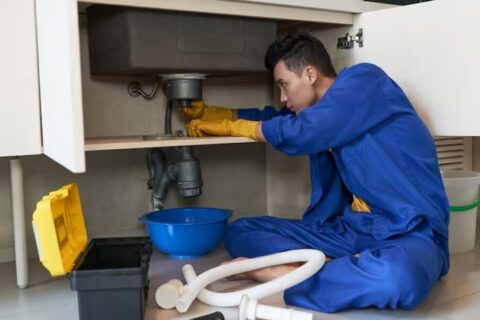
They respond quickly to burst pipes, flooding or sewage backup with tools to stop flow and limit damage. Licensed technicians service residential and commercial sites, bringing pumps, patch kits and parts to provide temporary or permanent repairs.
Gas leaks and water heater failures are high priority and can be handled Saturdays. Service fees typically increase for weekend response. Urgent response limits water destruction, minimizes mold possibility, and diminishes health hazards associated with sewage contamination.
2. Drain Services
Comprehensive drain cleaning on Saturdays covers clogged kitchen sinks, shower drains, toilets, and main sewer lines. When homes see heavy weekend use, prompt clearing prevents backups, bad odors, and expensive water damage.
Plumbers use tools from snake augers to hydro jetting equipment and camera diagnostics to find and clear stubborn blockages while inspecting pipe condition. Multiple clogs across a home receive attention to restore normal flow and prevent repeat calls.
3. Water Heaters
Weekend service for emergency water heater repair and replacement when the hot water stops or tanks leak. Typical repairs include leaks, no hot water, faulty thermostats and corroded tanks for both gas and electric models.
Our fast, expert techs diagnose problems quickly and usually have parts on hand to restore service the same day. Scheduling routine maintenance on a Saturday reduces the risk of sudden breakdown and could prevent expensive emergency replacement down the line.
4. Leak Detection
Plumbers utilize advanced leak detection tools to identify hidden pipe leaks beneath slabs, behind walls, or in ceilings with minimal damage to the surfaces. Promptly addressing basement or attic leaks helps keep mold or structural damage at bay.
Saturday plumbing – our licensed teams do emergency repairs on everything from drips to major breaks. Homeowners should watch for unexplained water bill spikes as a signal to call. Saturday leak detection can be critical after a primary leak or water damage.
5. Fixture Work
Saturday fixture work includes toilet repair, faucet fixes, and sink or showerhead replacement to prevent waste and bring back functionality. Typical repairs are running toilets, dripping faucets, clogged cartridges, and loose handles.
Quick weekend fixes prevent elevated water bills and maintain everyone’s daily schedules. Consider Saturday upgrades or replacements for less weekday disruption.
Weekend Urgencies
Weekend plumbing emergencies often happen at inconvenient times, like late night, holidays, or during family gatherings. Frequent emergencies consist of burst pipes, sewer line blockages, and water heater failures. A burst pipe can inundate rooms in minutes, a plugged sewer can back up raw sewage and wastewater into sinks, toilets, and tubs, and a broken water heater can not only deprive a home of hot water but can pose a pressure build-up hazard.
Clogs fester slowly with grease, soap, and gunk, but they can arrive with little warning when a blockage first occurs. Soil movement, tree roots, and pipe corrosion are all common culprits that can turn normal wear into an urgent issue.
Postponing repairs increases hazards more than simple annoyance. Flooding from a broken pipe soaks floors, walls, and insulation. Trapped moisture results in mold and mildew growth in days. Raw sewage from sewer backups introduces health hazards and necessitates specialized cleaning.
Further delay often increases repair cost. A small leak can be patched, but a prolonged leak may mean replacing drywall, flooring, and sections of pipe. Prioritize immediate damage control. Shut off the main water valve, move belongings out of wet areas, and if safe, stop toilet or fixture use to limit contamination.
Have emergency contacts on standby. Keep phone numbers for licensed 24-hour plumbers both in an accessible place and in your phone under obvious tags. Include services that specifically mention Saturdays and response times in minutes or hours.
When budgeting for a weekend call, expect an emergency call-out fee plus a reasonable range for labor and parts. A short call can save you a few hours of unnecessary on-site work or determine if something can be temporarily remedied until business hours.
Proactive maintenance minimizes the risk of weekend urgencies and can guarantee solid performance when issues arise. Check exposed pipes regularly, test water pressure, and flush the water heater once a year to avoid sediment buildup.
Just be sure to use strainers to catch hair and food, pass on pouring grease down the drain, and schedule sewer line camera inspections every couple of years if trees are in the area. Keep a simple toolkit and shut-off directions posted for family members. Having a plan reduces stress and enables families to make decisions quickly when every moment counts.
Immediate Actions
When you have a plumbing emergency on a Saturday in south Denver, swift, decisive actions minimize damage and risk. Take the numbered actions below and then refer to the H3 details for approach, shutoffs and damage control.
-
Identify and shut off the water supply valve. This prevents additional water from entering the house and curtails flooding. Open all drains and spigots after you close the main to relieve pressure and help prevent backups. If your primary valve is inaccessible, shut off individual fixture shutoffs for sinks, toilets, or washing machines instead.
-
Check for gas and electric hazards. If you smell gas, turn off the gas line if you know how, evacuate immediately, and call emergency services from a safe location. Don’t turn lights or appliances on or off. If water is near outlets, panels or appliances, turn off power at the breaker panel before contacting wet areas.
-
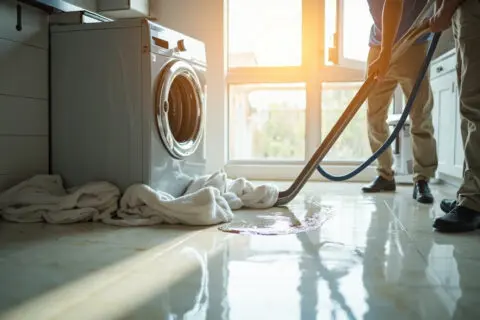
Consolidate and extract water asap. Take immediate action with towels, buckets, mops or a wet/dry vac to limit spread. Lift rugs, electronics and valuables to higher ground, such as tabletops, counters or a second floor. For big leaks, rig a tarp or basin under the source to catch flow while you wait for assistance.
-
Remember to protect people and pets. Keep kids and pets off wet floors and standing water. Be alert for slick surfaces and stay away from water that might be contaminated with sewage. If raw sewage is present, don’t attempt to clean it yourself. Wait for professionals with the right equipment.
-
Record destruction for insurance and repairs. Get dated photos and short video clips of affected areas and damaged items as well as the source of the leak. Observe and log time stamps and steps taken, which help with claims and steer the plumber’s repairs.
-
Build a simple emergency checklist. Map out where the main shutoff, gas valve, breaker panel, toolbox, tarp, towels, and wet/dry vacuum are located. Have phone numbers for your weekend plumber, utilities, and emergency services in an accessible location.
Water Shutoff
Locate your home’s main shutoff near the home perimeter, typically in a basement, utility room, or outside close to the street. Turn the valve clockwise to close it, using pliers if necessary. Mark that valve now if it’s unmarked, and test it once a year so you know it works in an emergency.
If the main is blocked or you’ve only got a leak at a single fixture, shut the water off at the individual shutoff under sinks or behind toilets. For frozen pipes, use warm air from a hairdryer for thawing and shut off the main if you detect a burst.
Electrical Safety
Never operate an electrical appliance while in the water. If water is reaching electrical boxes, shut off power at the breaker panel with a dry, insulated implement if possible. Keep everyone out of wet areas until a licensed electrician or plumber tells them it is safe.
Damage Control
Get towels and buckets down to trap water and get fans and windows open to dry the room quicker. Lift furnishings on blocks, take off cushions, and dry wood floors to reduce the chance of mold. Take photos of all damage and save receipts for emergency purchases.
Vetting Plumbers
Why vetting a plumber pre-emergency matters. Vetting plumbers by confirming licenses, insurance, and experience protects you and your home if something goes wrong and helps set clear expectations about cost and timing.
Begin with confirmation of license and insurance. Request the plumber’s license number and verify it with the state licensing board. Ask for evidence of liability insurance and worker’s comp. These protect against damage or injury that may happen on the job. If a plumber can’t give you this information, consider that a red flag.
Verify any relevant certifications for specialized work such as gas lines or backflow prevention if your project requires it.
Next, check experience and reputation. Check online reviews and ratings across a few sites to identify recurring patterns. For plumbing companies, check out both positive and negative reviews to see how the company deals with issues.
Request references or recent similar work. Word-of-mouth matters: ask friends, family, or neighbors for names and ask what they liked or disliked about the service. A streak of brief, straightforward reviews with pictures of finished work is a great indicator.
Receive several quotes and compare them carefully. Ask for estimates in writing that itemize labor, parts, and material, and any travel or emergency fees. Make sure you compare at least two or three quotes, both for price and scope.
Watch out for ridiculously low bids that leave specifics hazy. A trustworthy plumber provides a transparent estimate that includes itemized work steps, parts, and warranties. If the estimate shifts, request explanations in writing.
Examine professionalism and communication. Pay attention to how the company answers calls, provides estimated response times, and explains options. A plumber that answers the phone, arrives when he says he will, and describes work in simple terms is just a better partner for a stressful repair.
Verify the plumber’s physical address and business contact information. Authentic companies display these and reply from a local number or email.
Verify weekend and after-hours availability before you require them. Query in particular about Saturday hours, holiday coverage, the response time in minutes or hours, and any extra charges for off-hours visits.
Ask for a projected arrival window and a contact for updates. For emergency work, look for firms that have a history of rapid emergency response.
Here’s a local choices comparison table with key details for easy skim.
|
Company |
License & Insurance |
Weekend Hours |
Typical Response Time |
Notes |
|---|---|---|---|---|
|
South Denver PlumbCo |
Licensed, insured |
Open Sat 08:00–16:00 |
60–90 minutes |
Offers written estimates, 2-year warranty |
|
Mile High Emergency Plumbing |
Licensed and insured |
24/7 including Saturday. |
30 to 60 minutes |
After-hours fee, good reviews and fast response |
|
Cherry Creek Plumbing |
Licensed, insured |
Sat by appointment 09:00–14:00 |
2 to 4 hours |
Strong customer referrals, clear pricing |
Cost Considerations
Weekend and Saturday plumbing calls have obvious cost patterns that homeowners need to understand before they dial. Regular urgent work typically adds a time and quick response premium. Weekend or after-hours calls usually have a call-in fee of around $70 to $170.
Diagnostic fees are separate in a lot of cases and fall somewhere between about 100 and 250. These base fees come on top of parts and labor for the repair itself. Emergency plumbing examples help establish expectations.
Unclogging a toilet typically costs between 60 and 250 dollars. Clearing standard drains ranges from 50 to 450 dollars based on ease of access and obstruction. More complicated main pipe clogs that require snaking can cost between 90 and 1,000 dollars.
Small fixes like a running toilet or an otherwise stubborn small drain clear generally end up in the 120 to 300 dollar range. Heater repairs vary but typically average 70 to 150 dollars. Homeowners can expect to see plumbing bills in the 203 to 544 dollar range, with small work closer to the low end and larger or multi-part jobs toward the high end.
Compare rates between contractors and request estimates
Shop around and get written estimates from at least two to three contractors before you commit. Request an itemization that breaks out the service or call-in fee, diagnostic fee, parts, labor hours, and any travel or disposal fees.
Find out if weekend or Saturday rates are flat surcharges or hourly multipliers. If it is vague, have the plumber demonstrate typical hourly and parts markups. Don’t just compare price; compare response time, warranty on work, and licensing or insurance.
-
Factors that commonly affect pricing:
-
Severity and accessibility of the plumbing problem.
-
Requirement of specialized tools, such as camera inspection and hydro-jetting.
-
Price and availability of replacement parts.
-
On-site time and required technician count.
-
Weekend, holiday, or late-night markups.
-
Disposal or permit fees if necessary.
-
Distance traveled and emergency response priority.
-
About Cost Always ask for an upfront estimate and read billing policies. Make sure you clarify if the estimate is firm, a not-to-exceed cap, or an hourly estimate.
Inquire how changes are signed off on mid-job and whether unused diagnostic fees will apply to repairs. Anything on cost considerations includes how you pay, if a deposit is required, and any follow-up warranty.
Tipping between 20 and 50 for exceptional or emergency work is frequent but voluntary.
South Denver’s Plumbing Landscape
South Denver’s plumbing landscape is a concoction of older pipes, fluctuating temperatures and consistent expansion. Old plumbing in numerous neighborhoods implies pipes rust, joints break down and fixtures wear out more frequently than in newer areas. This results in regular repairs and an increased demand for partial or complete system replacements.
Consider cast-iron sewer lines that can’t survive root intrusion and die, and galvanized water lines that both resist flow and leak at their fittings. Altitude and climate have an obvious part to play. Frigid winters and broad temperature fluctuations freeze, split, or burst pipes, particularly in uninsulated crawl spaces and exterior walls.
One of the most common issues is a winter burst in a basement supply line where a short freeze-thaw cycle escaped notice. Homeowners complain of ongoing frozen hose bibs and sporadic hot-water problems following deep freezes. Temperature stress mixes with older systems to create issues that pop up unexpectedly and require immediate repair.
With housing diversity throughout South Denver, we need a variety of plumbing. Historic homes can have small diameter piping, old fixtures and legacy drain layouts that clog or back up more than newer systems. Newer developments employ plastic and copper systems that can encounter installation mistakes or pressure problems.
Plumbers must adapt methods. Trenchless sewer repair might suit an older lot, while a modern multi-family site may need pressure-boost systems and backflow prevention devices. Silent leaks are the bane of both. Slow slab leaks or behind wall drips can mold and ruin the structure before they are discovered.
We know the plumbing scene in South Denver. Experienced plumbers in South Denver understand the idiosyncrasies of area soil and frost lines and local code. Most companies provide full-service plumbing and emergency plumbing repairs throughout the Denver metro area including weekend and Saturday service for urgent situations.
Well-established companies offer diagnostics including camera inspections and leak detection with acoustics and thermal imaging. They do permit work too and come with an understanding of Denver’s plumbing codes and environmental rules, which goes a long way when swapping out water heaters, installing low-flow fixtures or tying into city mains.
Why selecting a trusted company counts. Seek out licensed plumbers with local references, upfront pricing and old home renovation experience. Focus on who will provide maintenance plans, winterization and most importantly up-to-date efficiency options like tankless water heaters.
South Denver’s Plumbing Future
As South Denver grows, plumbing requirements will lean toward durable, high efficiency systems that can manage increased demands and minimize water waste.
Conclusion
Weekend plumber open Saturday south Denver. We know weekend calls happen. Leaks, backed drains, and broken water heaters require immediate solutions. Use the vetting tips above: check license, read recent reviews, confirm hourly and trip fees, and ask about parts warranties. Keep a handy list of two or three trusted plumbers. Keep their numbers in your phone and record average prices for standard work such as snaking a drain or changing a valve. When you need an emergency stop, turn off the main, clear the field, and call the closest Saturday plumber. A little prep and a few reliable contacts cut weekend time and money. Ready to choose a plumber? Begin by dialing one of your saved numbers.
Frequently Asked Questions
Are there plumbers open on Saturdays in South Denver?
Yes. Most licensed plumbers in South Denver are open Saturday for emergency and scheduled repairs. Call ahead to verify availability and any additional weekend surcharges.
What counts as a plumbing emergency on a Saturday?
Emergency issues include major leaks, burst pipes, no hot water for heating, and sewage backups. These require immediate attention to avoid property damage.
How quickly can a weekend plumber respond?
Response times differ. Quite a few ‘emergency plumbers’ try to be there within one to three hours. Be sure to request an ETA when you call so you can plan.
How much extra will I pay for Saturday service?
Weekend rates typically come with a surcharge. Anticipate a premium hourly or flat emergency fee. Ask for a price estimate before work commences to prevent surprises.
How do I vet a Saturday plumber in South Denver?
Verify license and insurance. Browse recent reviews and verify experience with your particular problem. Request a written estimate and warranty on repairs.
Can I schedule non-emergency plumbing for a Saturday?
Yes. Most plumbers will take a Saturday appointment for maintenance and small repairs. Booking early allows you to lock in a convenient time.
What should I do immediately before the plumber arrives?
Turn off water if safe to do so. Provide clear access to the trouble spot. Remember model numbers and symptoms. Snap pictures for quicker evaluation.
Key Takeaways
Moving your sink to an island increases your kitchen’s workflow by centralizing prep and clean-up, diminishing perimeter…
Key Takeaways
Understand typical issues such as drain clogs, incorrect installation, and pump or hose malfunctions to target fixes where…