
What Causes Multiple Fixtures to Drain Slowly in My Home?
Key Takeaways
-
When multiple fixtures drain slowly, it’s usually a systemic problem, such as a mainline clog, a venting problem, or pipe erosion and not a local clog.
-
Nothing like a backup of sewage to ruin your day!
-
Environmental issues and potential sources like leaks or foundation shifts can cause slow drains in multiple fixtures. Pay attention to other signs of water damage or changes in drainage flow.
-
Basic troubleshooting, testing individual fixtures and examining vent stacks, can pinpoint whether issues are isolated or systemic.
-
Turn to the professionals for stubborn or serious drain issues, particularly if more than one fixture is involved or amateur efforts prove unfruitful.
-
By upgrading outdated plumbing, teaching your household mindful usage habits, and looking into new technologies, you can improve your drainage efficiency and avoid potential problems down the line.
A slow drain in multiple fixtures usually indicates a clog in the main drain pipe or a venting problem. When water drains slowly from sinks, showers, or tubs simultaneously, it can indicate buildup deep in the pipes or a blocked vent stack.
Typical culprits are grease, hair, or tree roots. To understand what to do to fix the problem, it helps to identify the source first.
Systemic Drainage Causes
Systemic drainage issues tend to occur when several fixtures are acting slow to drain simultaneously. This indicates something deeper than a mere clog. It is typically deeper in the system, impacting more than one drain.
There are a number of causes for these systemic drainage problems, ranging from main line blockages to subpar system design and aging pipes. Solving these issues requires a high-level perspective on the plumbing design and interaction of components.
|
Culprit |
Impact on Drainage System |
|---|---|
|
Main line clog |
Causes slow drains and backups in multiple fixtures |
|
Blocked vent stack |
Results in air pressure issues and slow drainage |
|
Pipe degradation |
Leads to leaks, reduced flow, and frequent clogs |
|
Septic system failure |
Causes slow drains, backups, and foul odors |
|
Poor system design |
Creates ongoing drainage problems and inefficiency |
|
Soap scum/mineral buildup |
Narrows pipe diameter, traps debris, increases blockages |
|
Grease and food particles |
Clogs kitchen drains, slows down entire system |
|
Tree root intrusion |
Blocks main sewer lines, causes systemic issues |
1. Main Line Clog
A main line clog manifests when multiple drains in your home become sluggish simultaneously. It typically indicates that the blockage is down in the main sewer line, rather than just in a single branch. You may experience water backing up into sinks, tubs, or toilets simultaneously.
Tree roots love to grow into the main line, particularly in older pipes, creating big slowdowns. Grease, wet wipes, and even coffee grounds can accumulate over time, creating hard-to-dislodge blockages that average scrubbing just won’t clear.
When these problems pop up, you typically require professional drain cleaning since regular DIY solutions won’t unclog the main line adequately.
2. Venting Problems
Venting issues in drainage interfere with drainage by preventing air flow through the pipes. This suction hinders water flow. Bad or under vented plumbing can cause gurgling, slow drains, and even suck water out of P-traps, allowing sewer gases into the house.
Clogged or too-small vent stacks are frequent suspects. These can cause drainage sluggishness throughout the house. Better venting, such as cleaning vent stacks or installing new vents, reestablishes proper flow and prevents gurgling.
3. Septic System Issues
Septic system failures can cause slow drains and even sewage backup in non-city-sewer-connected houses. Symptoms are nasty smells, slow drains, and water puddling near your drain field.
Routine septic tank servicing is essential to avoid accumulation and to make the system function as intended. If you notice these signs, calling a septic specialist is prudent. Neglecting these symptoms can cause large and expensive damage.
4. Pipe Degradation
Old pipes degrade drainage throughout your home. Leached or scaled pipes reduce the flow area for water, making clogs more common. Hard water minerals can accelerate this process, coating pipe interiors and decreasing their efficiency.
Leaks, rust, and visible corrosion are symptoms of pipe deterioration. In these scenarios, swapping out or fixing pipes is frequently the only method to get drainage back on track and prevent issues down the road.
5. Poor System Design
It’s about systemic causes. For instance, pipes with insufficient slope can result in water pooling and debris settling, which causes blockages.
Diagnosing your plumbing design identifies where the problem originates. Have a pro examine your system and recommend tweaks. This could involve re-piping areas or vent and clean-out additions for improved flow.
Pinpointing The Problem
When water backs up or drains sluggishly from more than one fixture, locating the actual source of the problem is important. Just patching surface symptoms is a recipe for recurring issues and effort that goes to waste. By pinpointing the problem, you check if a clog is local or if there is a bigger issue deeper in the system.
Taking time to diagnose helps target the right fix the first time and avoids unnecessary costs.
Local vs. Systemic
Problems with only one sink or shower tend to indicate a local clog. A partial blockage in the trap or branch line can slow drainage at a single fixture. Soap scum and mineral deposits accumulate and snag even more gunk, compounding the issue month after month.
Identify where the issue is. If a single location is slow, begin by clearing out that fixture’s drain.
If multiple fixtures drain sluggishly at once, it’s probably more of a systemic problem. I would test each drain individually. If all are slow, your main waste line or a vent stack could be clogged.
Main line stoppages or venting issues impact multiple fixtures simultaneously. Gurgling or water backing up in another drain after use are red flags.
Mark which fixtures are problematic and when the symptoms occur. Patterns allow plumbers to track the clog and determine whether it’s local or systemic. If everything indicates a more serious issue, it’s time to call in a pro.
The Toilet Test
Flush the toilet and observe how quickly the water dissipates. If water sits longer than it should or if you notice odd noises like gurgling, then you might have a clog further down. Occasionally, water in adjacent drains will bubble or shift as the toilet is flushed, which is an indicator of a communal issue in the waste line.
A slow toilet flush, particularly when combined with slow sinks or tubs, usually indicates a partial clog in the main drain. Watch for changes: does the toilet flush normally when other fixtures aren’t used?
This assists in determining if the problem is solely with the toilet or part of a broader issue. The toilet test is straightforward, but can rapidly reveal the state of the system.
Vent Stack Check
Vent stacks allow air to flow through the pipes, keeping water draining swiftly. If the vent is plugged with leaves, nests or debris, water won’t drain properly. This can clog drains in numerous areas throughout the house.
Look for obstructions at the vent stack opening on the roof. If you see junk, get rid of it carefully or call an expert.
A clogged vent stack can create gurgling noises, sluggish drains, or even permit sewer gases into the structure. Clearing the stack makes certain the system will drain as it should.
If clearing apparent debris doesn’t assist, a plumber can investigate within the vent pipes for concealed obstructions.
The Unseen Influences
Slow drains at multiple fixtures typically indicate deeper problems in a home’s plumbing system. These issues are often related to factors that are not readily apparent. Knowing about these influences can save you from bigger problems, more expensive repairs and inconveniences to your day-to-day life.
Environmental Factors
Weather can affect the efficiency of drainage. Excessive rain or flooding can overpower underground drains, driving debris into pipes. In certain locations, rainwater can infiltrate the soil surrounding your residence, increasing soil moisture and complicating the flow of water through outdoor drainage piping.
When the seasons change, pipes may grow or shrink with temperature fluctuations. A sudden chill can make your pipes contract and get blocked. Summer roots sometimes reach out to pipes, seeking moisture, and end up cracking or clogging them.
Local conditions play a part. Low-lying or flood-prone locations are more subject to storm slow drains. Even subtle changes in slope of a yard can alter drainage away from the house.
Small steps, like keeping gutters clear, rain guards, and ground cover to help absorb water can make a big difference in keeping drains clear. Routine drain cleaning does the trick, particularly in older houses where accumulation is king.
Hidden Leaks
One of the most common yet overlooked sources of slow drains are hidden leaks. Leaks behind walls or under floors may allow water to leak away, making it more difficult for drains to function as they should.
These leaks might not be apparent, but damp patches, musty odors, or staining around fixtures are excellent indicators. They can eventually lead to mold or even damage the home’s structure.
With a moisture meter, homeowners are able to locally identify unseen leaks. Once identified, these leaks need to be repaired quickly to prevent water damage, slow drains, and potential health hazards.
Even a tiny leak can cause greater damage if it is not addressed quickly. Overlooking slow drains frequently allows unseen problems to fester and increases the expense of repairs.
Foundation Shifts
A jostled foundation can warp or misalign pipes, causing water to drain slower or even back up in multiple fixtures simultaneously. Indicators such as wall cracks or sloping floors usually indicate a shifted foundation.
When pipes below get out of line, the whole system can suffer, similar to a blocked blood vessel. Pro help is ideal for inspecting and repairing plumbing connected to foundation shifting.
Untended, they can seep and stain other areas of the house, increasing repair costs. These little habits, like sealing cracks early and monitoring changes, strengthen your home’s plumbing health.
When To Call Professionals
Slow drainage in multiple fixtures typically indicates that the issue is more complicated than a basic clog. When sinks, showers, or tubs all slow down, the culprit could be a clog or defect in the main sewer line or main plumbing. These types of issues require careful inspections and fixes that are outside the scope of what most people can manage.
-
Spot the warning signs: If water drains slowly across several fixtures, this may signal a main sewer line issue. Gurgling or water backing up in one drain when another is used can indicate a major issue. Even after resorting to traditional home solutions, if drains remain sluggish or the issue persists, it’s a definite indicator to call in the pros.
-
Know when DIY is not enough: Many try plungers or chemical cleaners, but these solutions work best for small, local clogs. Stubborn slow drains throughout the home or water that drains significantly slower than usual could indicate the issue has gone beyond the range of home remedies. If these same drains continue to clog after cleaning or snaking, their blockage may sit further down the system or be more complicated.
For example, tree roots in the main sewer pipe. At this juncture, only a plumber has the correct tools and expertise.
-
Call for help with complex jobs: Some jobs, such as replacing a kitchen sink drain or fixing a basement floor drain, need more than basic skills. Proper alignment, sealing, and linking to the main line all have to be done right to prevent leaks or future issues. Inevitably, bad repairs just cause more damage and more expense.
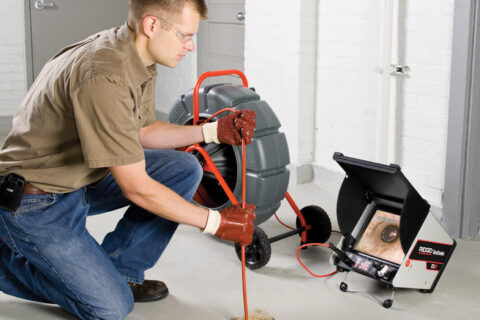
Expert plumbers know where to look for concealed damage and can use techniques such as camera inspections to identify the source.
-
Schedule regular professional checks: Even for homes without current drainage issues, regular plumbing checks help spot early warning signs and keep the system in good shape. This reduces the likelihood of unexpected breakdowns and expensive emergency repairs. Knowing a reliable plumber has its advantages; assistance is nearby if things escalate quickly, and access to emergency services matters when situations get out of control.
-
Seek expert advice if unsure: Plumbing issues can be unpredictable. If you’re unsure of the cause or best fix, it is best to get a pro’s take. Professionals will provide straightforward guidance and recommend the appropriate actions, which pays for itself in saved time, money, and stress down the road.
Proactive Plumbing Care
Routine care and smart habits go a long way toward stopping slow drains in a number of fixtures. By being proactive with regular inspections, awareness of use, and timely updates, the house can side-step the major issues that come with forgotten plumbing.
Routine Maintenance
A solid checklist for routine plumbing maintenance includes several steps: First, flush all household drains with hot water once a week. This easy habit can assist in dissolving soap, grease, or minor clogs before they expand. Then, once a month, deep clean with a combination of baking soda and vinegar. Pour it down, let it fizzle for a few minutes, then rinse with hot water. It helps clear minor buildup and keeps pipes fresh.
Use drain guards in sinks, showers, and tubs to capture hair and debris before it goes down the pipes. Proactive plumbing maintenance matters. Once every few months, peek beneath sinks and inspect visible pipes for drips or sluggish drains. If water ponds or drains sluggishly, don’t wait – act immediately to prevent major problems.
Have a professional inspect it once every year or two. A plumber will identify issues lurking beneath the surface and provide a deep clean to avoid buildup that causes slow drains everywhere. Natural cleaners that help in between deep cleans include hot water and a dash of dish soap to take care of the grease.
For more stubborn areas, the baking soda and vinegar treatment provides natural power without the harsh chemicals. Don’t put grease or coffee grinds down the drain since those are two common culprits of blockages. Keeping a record of every maintenance task you perform makes it easy to remember the last time each drain was inspected or cleaned.
A basic log or digital note helps to follow these actions and emphasizes any recurring issues.
Mindful Usage
Training all household members on disposal and drain care goes a long way in preventing clogs and stress to the plumbing system. Remind everyone not to flush wipes, Q-tips, or floss. Flush only toilet paper. Even “flushable” items can cause pipe blockages.
Install drain catchers in every sink, shower, or tub, which capture hair and food residues. Scrape plates into the trash before rinsing in the sink. Dump those leftover oils into a sealed container, not down the drain. Kids and guests should be reminded of these habits. Little slips can accumulate.
Even tiny bits of soap, hair, or food can accumulate bit by bit. Conscientious daily habits are a powerful preventative.
System Upgrades
Replacing antiquated pipes and fixtures can enhance drainage and prevent persistent slow drains. Upgrading corroded metal pipes to modern alternatives, such as PVC or PEX, can significantly improve water flow. Newer low-flow fixtures can minimize strain on plumbing systems.
If you’re in a hard water area, add water softeners. Hard water leaves mineral deposits in pipes which impedes drainage and clogs pipes. Water softeners keep pipes clean and prolong their life.
Advanced plumbing innovations, including smart leak detectors or self-cleaning drains, can notify you of issues and assist in averting harm. Engage with a licensed plumber to consult on your system and schedule upgrades that suit your needs and budget.
The Plumbing Paradox
The plumbing paradox explains how the right sized pipe can cause water to flow more rapidly. This phenomenon occurs because of the interaction between flow rate, fluid viscosity, and the roughness of pipe interiors. The paradox, referred to as the “pipe paradox” or “flow paradox,” can be understood through the Hagen-Poiseuille equation, which describes laminar flow in circular pipes.
This paradox is fascinating, and the vast majority of slow drain issues at home are not directly caused by it; typical suspects such as hair or grease clogs are far more probable. Understanding the fundamentals of the plumbing paradox does aid when considering how your residence’s system copes with contemporary life, old pipes, and what’s to come.
Modern Conveniences
Today’s homes have a compromise of updated appliances and water fixtures. Newer dishwashers, washing machines, and high-efficiency toilets may use less water, but can dump it too quickly in massive amounts into the drains. If these devices aren’t maintained or if they don’t mesh with outdated pipes, drains can slow or even back up.
The fast water from new devices can sometimes flush debris down the line, but if pipes are too wide or rough inside, water slows and junk sticks. This is where the plumbing paradox sometimes rears its head. Smaller pipes can help keep things flowing, but only so long as they’re not too small for the task.
Installing new fixtures or devices shouldn’t swamp the system. See how much water is going through during peak times, like when multiple people take showers or operate machines simultaneously. If slow drains appear, inspect both the new apparatus and your pipes for clogging or loose fittings.
A seasoned plumber can guide you on how to pair new tech with old plumbing so they work well together.
Older Homes
Older houses have their own issues. Pipes might be constructed of old school materials, which rust or degrade over time. Designs from decades ago might not line up with today’s water demands. Indicators of trouble consist of sluggish drains in multiple locations, gurgling pipes, or persistent clogs.
Occasionally, these are from simple blockages, but at other times, the main lines may be too abrasive or have contracted inward from mineral accumulation. A thorough inspection can detect these problems quickly. Inspect for corrosion, leaks, or drooping tubes.
Schedule upgrades where necessary, like replacing outdated metal pipes with newer plastic or composite materials. Plumbers who know older systems can recommend solutions that work without ripping out all the old pipes.
Future-Proofing
Thinking ahead avoids headaches. Solutions include installing backflow preventers, adding routine drain screens and replacing old pipes with longer-lasting and buildup-resistant options. New plumbing, such as smart monitors, traces water and sends notifications when trouble begins.
Get the scoop on their #1 sink solution. It’s easy steps, like straining hair or grease, that keep drains flowing. With proper care and selecting the right upgrades, your plumbing can keep up with these new needs and changes, preventing sluggish drains before they start.
Conclusion
Slow drains in more than one location frequently indicate a more serious issue in the pipes. Blocked vents, old pipes, and crud buried deep in the lines can cause slow drains in the tub, the sink, and the kitchen. Small fixes can help, but real change begins with an inspection of the entire system. Plumbers will come with cameras and drain snakes for a transparent check. Taking care of it early keeps water flowing and reduces both aggravation and expense. By watching for minor indicators, such as gurgles or odors, you can make a big difference. For additional tips or to locate help near you, consult reliable sources or contact a local plumber. Get a head start to keep it running smooth.
Frequently Asked Questions
What causes slow drainage in multiple fixtures at once?
Slow drainage in several fixtures often points to a blockage or buildup in the main drain or sewer line, not just individual pipes.
Can tree roots cause slow drains in my home?
Tree roots can intrude and clog underground sewer lines, which results in slow drains in multiple fixtures throughout your home.
How do I know if the problem is in the main drain line?
If you experience slow drain or backups in multiple fixtures, particularly toilets and showers, your main drain line could be the cause.
When should I call a professional plumber for slow drains?
Call a pro if several fixtures are slow, you hear gurgling, or if DIY doesn’t do the trick. Slow drains in multiple fixtures cause problems.
Quick action prevents bigger repairs.
How can I prevent slow drains in my home?
Keep drains clean, don’t flush things that don’t dissolve, and have a plumber inspect things regularly to detect issues early.
Can weather or environment affect my drainage system?
Yes, because heavy rain or shifting ground can affect your drainage system, leading to slow drains or backups, particularly if the pipes are aged or compromised.
Are chemical drain cleaners safe for my plumbing?
While chemical cleaners might be a short-term solution, they can eat away at pipes. It’s better to rely on something mechanical or call a pro for the long term.
Key Takeaways
Video camera sewer inspections are worth it.
High-quality video and comprehensive reports give you the clear proof you…
Key Takeaways
Maintain your water heater setting anywhere between 49 and 60 degrees Celsius to avoid scalding and bacterial growth.
…