
What to Do When Your AC Freezes Up: Troubleshooting Tips
Key Takeaways
-
Inspect often for obstructed airflow, filthy filters, and coil pollution to avoid AC freezing and ensure optimal operation.
-
Check refrigerant levels and for leaks, as low or leaking refrigerant causes ice and system problems.
-
Maintenance is key. Clean and check indoor and outdoor units, including coils and vents, to prevent dirt from building up and freezing.
-
Tune thermostat settings and keep an eye on indoor humidity to relieve AC stress, particularly in harsh weather scenarios.
-
If you notice it freezing up, turn the unit off and let it thaw. Swap out any clogged filters before calling a professional if necessary.
-
Arrange yearly maintenance with a professional HVAC technician to catch problems early and maintain reliable cooling all season.
Here’s what to do when your AC freezes up as a first step: turn the unit off and allow the ice to melt.
Frozen ACs usually result from blocked airflow, low refrigerant, or dirty filters. Symptoms could be weak airflow, ice on coils, or strange sounds.
Allowing the unit to thaw helps keep additional damage at bay. To keep your AC humming, understanding these causes and fixes can save you time and money.
Then find out what to do to help get your AC going again.
Why AC Freezes
AC freezes is an issue that plagues units in homes and businesses across the globe. Ice buildup on coils and weak airflow from vents are common warning signs. It can be caused by anything from airflow issues to refrigerant problems, dirty coils, mechanical failures, or even extreme weather. Knowing what makes AC freeze protects systems and keeps cooling consistent.
|
Cause |
Impact |
Recommended Solution |
|---|---|---|
|
Blocked Airflow |
Ice on coils, poor cooling |
Clear vents, change filters, unblock space |
|
Low Refrigerant |
Ice on lines, weak airflow |
Fix leaks, refill refrigerant, pro checkup |
|
Dirty Coils |
Ice buildup, drop in efficiency |
Clean coils, schedule regular maintenance |
|
Mechanical Failure |
Odd noises, frozen components |
Repair or replace faulty parts |
|
Weather Conditions |
Increased stress, more ice |
Adjust settings, prepare for weather shifts |
1. Airflow Blockage
When air cannot move freely, an AC unit begins to freeze. Something as easy as a blocked return vent or dirty filter can cause this. Filters catch dust and debris, and if they aren’t replaced every 30 to 90 days, they gunk up. That prevents air flow, so the cold air just hangs there, freezing the coil.
Furniture, curtains, or boxes placed too close to the indoor unit or vents restrict airflow. Even the surroundings of the outdoor unit are important. Grass, leaves, or debris can clog it, making it more difficult for the AC to shed heat. Frequent checks maintain airflow and reduce freeze risk.
2. Refrigerant Issues
Low refrigerant is the number one cause of AC freeze-ups. If refrigerant leaks, lines may ice over and the system cannot cool properly. Leaks may manifest themselves with a hissing sound or visual ice on the pipes.
Refrigerant maintains proper coil temperature. If there isn’t enough, the coil becomes too cold and freezes. Only a technician can recharge refrigerant or repair leaks. If you notice signs, have a pro check it out.
3. Coil Contamination
Evaporator and condenser coils can accumulate dust and grime. Dirty coils cannot transfer heat well, so it gets too cold and freezes. This can mean less cooling in your room.
Cleaning coils should be routine. If left unaddressed, the AC will have to work harder, consume more power, and freeze up more quickly. Keeping coils clean helps prevent these problems and extends system life.
4. Mechanical Failure
Mechanical issues, such as a failed fan or blower motor, can prevent air flow. This causes cold spots and frozen coils. Other times, it is a bad compressor or old parts.
You should listen out for strange noises, such as rattles, squeaks, or grinding. These forebode problems within the unit. If your AC stops blowing air or makes noise, have repairs done promptly. Waiting can make it worse.
5. Weather Impact
Hot and humid weather always plays hard with AC units. The system runs longer, and if it’s not maintained properly, it’s more prone to freeze. Running the AC nonstop or at low thermostat settings can cause the coil to freeze, particularly at night.
On extreme hot and humid days, turn it down to be comfortable and protect your system. Get a jump on seasonal changes by inspecting the unit prior to severe weather. Good maintenance helps it weather swings.
Immediate Actions
When an AC freezes up, immediate action can prevent further damage and get you back up and running. Dealing with the source immediately, whether it’s bad flow or blockage, will save you both time and money. Next I’ve included the steps you should take before calling an electrician.
Thaw Unit
Turn the thermostat from “cool” to “off” first. This prevents the system from producing more ice and keeps the issue from escalating. Simply allow the unit to defrost by leaving it off.
Put towels or shallow containers under the indoor unit to catch melting water, preserving floors and furniture from water damage. Open windows if you can stand the climate, letting in warmer air to hasten thawing.
No hair dryers or heaters. Direct heat can warp or crack plastic and other components. Thawing, depending on the amount of ice, may last a few hours or up to half a day. Patience is important here in order not to injure the unit any more.
Check Filter
Take out the air filter and examine it for dust, lint, or pet hair. Dirty filters are a leading cause of a frozen AC, as they restrict airflow and burden the system. If the filter appears clogged or gray, replace it.
Most filters are available at your local hardware or home store, and replacing them only takes a minute or two. Remember to check the filter once a month, particularly in hot seasons or pet-friendly households.
Clean filters keep air flowing and save energy costs. For allergy sufferers, consider those high-efficiency filters—they catch smaller particles and can really improve indoor air quality.
Inspect Vents
Stroll from room to room, searching for vents camouflaged by drapes, rugs, or furniture. Even little blockages can choke off cold air and cause ice build-up on the system. Double check that every vent is open and unobstructed.
Sometimes, you may find dust or debris inside the vent. Vacuuming them can increase airflow. Inspect visible ductwork for leaks or disconnected areas that allow cold air to escape prior to entering the rooms.
Set vent angles to push cool air where it is most needed, which can keep the entire space more balanced. These steps keep your AC running smoothly and less prone to freeze up again.
Record anything unusual you observe or hear, such as weird noises, water leaks, or icy spots. Observe if the problem returns despite these actions.
If freezing persists or your AC won’t cool, it’s time to call a pro. A tech can inspect coils, refrigerant, and other deeper problems that aren’t safe or simple to address at home.
Simple Diagnostics
When an AC freezes up, it’s good to know what to see, hear, and feel for. These simple checks can help pinpoint the source and get an HVAC professional to fix things faster. A frozen unit is usually repairable if you discover the cause in time. For the average person, these steps are straightforward and require no special instrumentation.
Listen
Weird sounds from your AC unit will offer you hints as to what’s wrong. Thumping or clanking could indicate that you have a part, such as a fan blade or compressor component, loose or broken on the inside. Hissing might indicate a refrigerant leak, a frequent culprit in freezing.
If the normal buzz of the fan or compressor shifts to louder, softer, or wonky, it could indicate that something’s amiss. These audio shifts assist you in determining whether to shut the unit down and prevent further damage. If you hear something funny, make a note of it and pass it along to a technician.
Look
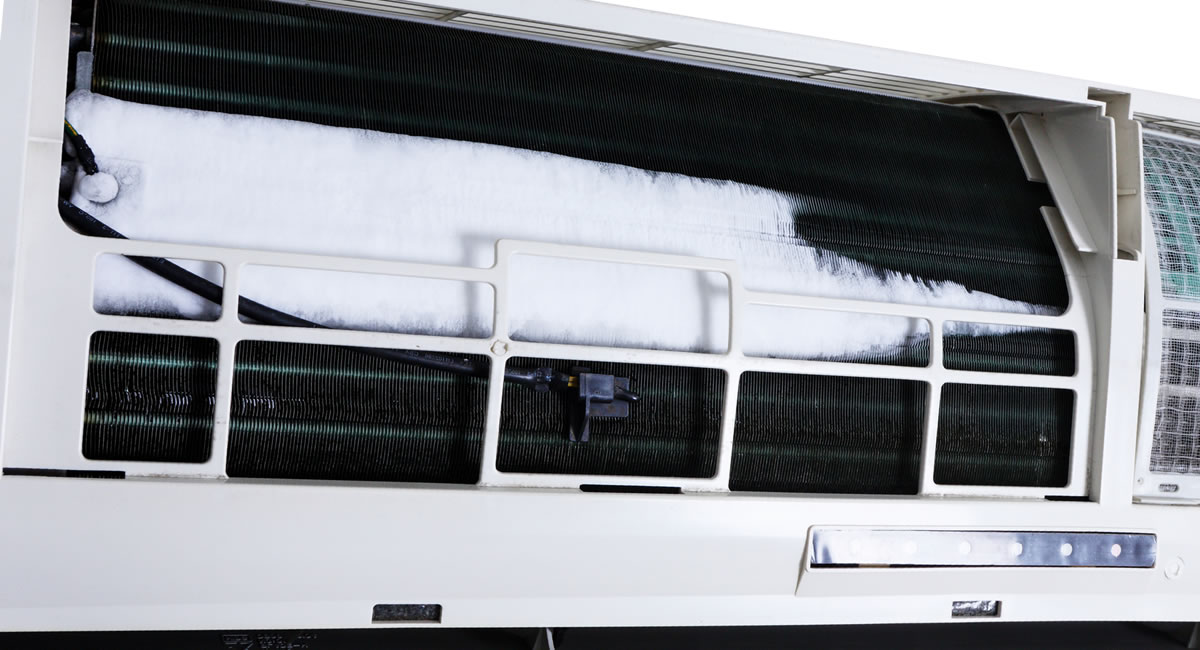
Ice on coils or lines is a red flag. If you notice frost, ice, or even water collecting around your indoor or outdoor unit, it’s usually an indication of airflow issues or low refrigerant. Dirty or moldy evaporator coils can induce freezing.
Check the thermostat for error messages or strange readings that could indicate a problem. Go outside and make sure the unit is clear of leaves, dirt, or any damage that might obstruct airflow. A brief check for these problems can assist you in locating the source.
Keeping vents, ducts, and coils clean not only helps prevent freezing but keeps your AC running well.
Feel
Feel the air of each room’s vent. If a few vents blow less air or feel warmer, it might be a blockage or a duct problem. Low airflow means you need to look at your filter. Clogged filters cause coil ice.
Feel the big refrigerant line close to the indoor coil. It should be cold, but not frozen. If you discover frost on this line, turn off the AC at the thermostat to prevent additional icing.
Be mindful of any comfort issues in your home. If the air is muggy or the temperature is off from the thermostat setting, it could be indicative of a larger problem. Record any changes for your technician.
Routine practices, such as maintaining clean filters and not operating the AC during colder weather, assist in preventing these problems.
Subtle Culprits
There are a few simple-to-overlook problems that’ll make an AC freeze, even if the unit appears otherwise okay. Some of these aren’t about broken parts as much as they are about how the system is designed and utilized day to day. Understanding these subtle culprits can help keep your AC humming and avoid major fixes.
Humidity Levels
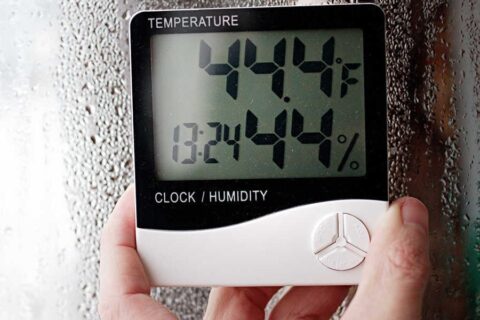
Excess household humidity can push an AC to work too hard, making freezing more likely. When the humidity is high, evaporator coils have to chill more water vapor, which can lead to icing. Keeping an eye on indoor humidity, targeting the 40 to 60 percent range, can keep them in check.
Dehumidifiers are great to have on hand during the wet or rainy months, particularly in areas where the air outdoors is sticky. They extract additional moisture from the air, giving the AC a breather and reducing the risk of freeze up.
Set AC to humidity. Certain units allow you to place them in a “dry” or “dehumidify” mode, which balances cooling and moisture removal.
If the air feels clammy or rooms feel damp, that’s a sign the humidity is elevated and the AC might soon freeze. Being on the lookout for these symptoms is a game changer.
Thermostat Placement
Thermostat location is more important than most of us suspect. If the thermostat is in direct sun or near a lamp, for example, it might read the room as warmer than it actually is. This can make the AC run too long, which increases the chance of freezing.
By installing your thermostat in a central location away from windows or heating devices, the thermostat can accurately sense the actual room temperature. Blocked airflow is another issue. If your thermostat is hiding behind a door, curtain, or bulky furniture, it’s not reading correctly.
That can cause the system to over-cool certain areas and bypass others. Maintaining a consistent temperature allows the system to stay out of overdrive. Programmable thermostats provide more control and enable you to schedule changes based on the time of day or the day of the week.
System Age
Older AC units have more issues with freezing. Parts wear over time. Evaporator coils are particularly guilty of this, as the dust they accumulate can act like insulation, preventing heat from transferring out of the air.
It is this buildup that makes freezing so prevalent. Older systems lose efficiency, requiring more energy to provide less cooling, which strains the components.
Check your AC’s age against its average lifespan, which is sometimes as low as 10 to 15 years. Do a little research on the model so you can tell when it might be time for replacement.
If your unit is older, maybe it’s time to check out some newer models with better energy ratings. Newer ACs freeze less, save on your power bills, and have better features.
Prevention Plan
Preventing AC freezing is taking consistent, commonsense steps throughout the year. With a plan, you keep your system humming and prevent a crash. It includes cleaning, smart tweaks, and annual inspections to outpace common issues.
-
Establish a filter, coil, vent and duct cleaning plan. Mark filter change every 90 days and deep clean coils at least twice a year.
-
Smart Thermostat: Program your thermostat for gradual changes based on daily patterns and establish limits so the unit doesn’t overcool when it’s cold outside.
-
Prevention plan: Book yearly checks with a certified HVAC technician before summer hits. Have them look for leaks, check refrigerant, and clean evap coils.
-
Track all maintenance, cleaning, and repairs in a logbook.
-
Know your common AC problems, such as airflow blockages or refrigerant leaks, so you can identify trouble early.
Regular Cleaning
A basic checklist keeps cleanings on schedule. Don’t forget all the filter changes, coil cleaning, vent and ductwork checks. Put down dates and specifics whenever you complete a task.
Employ soft brushes and mild coil cleaners and steer clear of harsh chemicals that can eat away at metal or foam components. Commit to solutions and cleaners designed for AC units. Clean deep at least bi-annually, particularly just prior to the heavy-use summer months.
This consists of removing debris from the outdoor unit, cleaning evaporator coils, and ensuring vents are open and dust-free. Record every cleaning date. Over time, this log assists in identifying patterns or observing if issues recur. It’s great when you bring in a pro.
Smart Settings
Set your thermostat to your schedule. For example, set it higher when no one is around and cooler before they get back. Activate energy-saving or “eco” modes when the heat is at its peak.
This lets the AC rest and prevents overworking the unit, which is a frequent culprit in freezing up. Avoid being too cold. Set a minimum temperature, never below 18°C (around 64°F), to prevent coils from freezing, particularly on cool nights or unforeseen cold snaps.
Track your energy consumption with the thermostat app or smart meter. If you catch a usage spike, glance at settings or inspect for tune-up needs.
Annual Checks
Schedule an annual tune-up with a licensed HVAC tech, preferably in spring. While they’re there, have the technician check for leaks, refrigerant levels and recommend upgrades or repairs.
This increases effectiveness and prevents small hiccups from becoming huge. Examine the system’s efficiency ratings and inquire whether any adjustments can assist airflow or cooling.
Track every visit and every procedure. This makes it simple to follow up if problems reoccur or if you require warranty service.
Professional Help
Continued AC freezing is typically symptomatic of underlying problems that a quick fix won’t cure. Most folks don’t have the skills or equipment to address issues such as low refrigerant, busted coils, or jammed fans. If the DIY steps don’t cut it, calling a professional is your safest and most effective option.
Certified HVAC technicians have the knowledge to identify and repair issues that may not be obvious to an untrained observer. Routine professional checkups can halt a lot of issues before they begin, saving both time and money down the line.
When to Call
If you continue to notice ice on your AC’s coils or pipes, or you hear strange noises that won’t subside, it’s time to call in some help. Attempting to wrangle a system like this on your own can worsen the problem and potentially cause more extensive repairs.
When your AC is still not cooling after checking filters and vents, a technician can run further tests beyond what most people can manage at home. For instance, a pro can test refrigerant levels and top them off if necessary or inspect the electrical components for latent defects.
If it’s very hot or cold, this can add additional burden to your air conditioner. Dependable cooling is essential right now, so don’t hesitate if your system is giving you trouble. Certain issues, such as a leaking refrigerant line or failed fan, might require immediate repair.
For these, seek out emergency assistance. Most HVAC services provide prompt reaction for unexpected failures. For continual problems like freezing multiple times even after changing your filter regularly and performing simple maintenance, you need expert assistance. This will help avoid further harm and ensure your AC stays up when you need it most.
What to Expect
A tech will begin with a comprehensive inspection of your AC system. That means testing the coils, fans, refrigerant, and all moving parts. They may utilize gauges and meters to detect temperature drops or leaks that are not visually apparent.
Anticipate direct criticism. The engineer should take you through the primary issues, what caused them, and what work needs to be done to fix them. You will probably receive a cost estimate and options for any parts that must be replaced.
Most professionals will provide you with an estimate for repairs. This assists you in scheduling, particularly if components need to be ordered. Post-repair, your technician can instruct you on easy things to do to keep your AC in shape. Tips could include how frequently to swap out filters, warning signs to look out for, or when to schedule your next tune-up.
Conclusion
AC freeze-ups drag out your day and strain your budget. Fast checks usually repair minor problems and can identify major ones before they develop. Clear airflow, clean filters, and good refrigerant levels keep things stable. Smooth-running fans and dry coils make cool air flow fast. Sometimes a pro needs to step in—don’t hesitate if you notice leaks or stubborn ice. Folks in hot or muggy climates experience these issues most, but anyone can suffer a freeze-up. Beat the freeze with quick checkups and fast fixes. For more advice or assistance, contact a reliable AC professional or your local team. Keep your cool and safe all year.
Frequently Asked Questions
Why does my AC freeze up?
Your air conditioner can freeze because of limited airflow, low refrigerant, or grimy coils. These problems make the temperature in the unit fall and cause ice buildup.
What should I do immediately if my AC is frozen?
Turn off your AC and switch the fan to “on.” That aids in melting the ice. Don’t attempt to chip away the ice because you can damage the unit.
Can I use my AC while it is frozen?
No, running your AC while frozen can harm the compressor and other parts. Let it thaw completely before switching it back on.
How can I check for common causes of AC freezing?
Inspect for a dirty air filter, blocked vents, and visible ice on coils. If the issue continues, reach out to a technician.
How often should I replace my AC filter?
Change your AC filter every one to three months, or more frequently if you have pets or live in a dusty environment. A clean filter keeps the air flow going and stops freezing.
When should I call a professional for a frozen AC?
Call a pro if your unit keeps freezing. If it won’t stop freezing, it could indicate refrigerant leaks or mechanical problems requiring professional repair.
How can I prevent my AC from freezing in the future?
Get your AC serviced and replace filters regularly. Keep vents clear of obstructions to ensure good airflow. Yearly expert inspections catch issues early.
Key Takeaways
Keep an eye on your home humidity level with a hygrometer and humidistat, and try to maintain it between 30 percent and 40…
Key Takeaways
Balanced humidity from a whole house humidifier promotes respiratory health, skin hydration, fewer allergy symptoms, and…