
Whole Home Humidifier Benefits for Colorado Winters
Key Takeaways
-
Colorado’s dry, high-altitude climate helps whole-home humidifiers win the secret to winter Comfort combat, providing ideal levels of comfort with improved indoor air quality.
-
Whole-home humidifiers work in tandem with your HVAC system to provide smooth, steady humidity levels in every room. Unfortunately, portable units tend to underperform in the larger homes typical of Colorado.
-
Keeping humidity levels in check is important. It will do wonders to avoid health problems such as dry skin, irritated sinuses, and general respiratory discomfort that typically plague us during Colorado winters.
-
Proper humidity protects valuable items in your home, such as wood furniture, artwork, and electronics, from damage caused by dry air.
-
Choosing the proper humidifier size and type is critical for effective operation. Proper professional installation will guarantee that the furnace whole-home humidifier installation is completed to local Colorado codes.
-
Maintenance is key to ensuring your humidifier operates trouble-free. In Colorado homes, hard water issues become all the more important to address in the winter months!
Whole-home humidifiers are the secret to Colorado winter comfort. In those times, whole-home humidifiers help keep indoor air as comfortable and healthy as possible. As you might imagine, cold, dry air rules the Front Range, mountain towns and Denver metro area.
All of this weather leads to uncomfortable dry skin, scratchy throats and static shocks in our homes. Excessively dry homes can take a toll on your wood floors and furniture, too—causing cracking and warping. Many Colorado homeowners use whole-home humidifiers to keep the air in their house balanced, helping with breathing, sleep, and the life of wood fixtures.
These systems conveniently integrate into a home’s existing heating unit and operate with minimal maintenance. In the following sections, learn about how a whole-home humidifier works! Find out which types are best for Colorado homes, plus what kind of maintenance you should know about.
What Exactly is a Whole-Home Humidifier?
A whole-home humidifier is a permanent fixture that helps keep consistent humidity levels throughout your home. It typically maintains between 30-50% humidity in your air. This is particularly important in Colorado, where we experience severe air dryness, particularly during the winter months.
These humidifiers directly connect to your home’s ductwork and operate with your HVAC system. This configuration allows them to distribute humidity to each room, rather than just a single location. Whole-home humidifiers are different than small, stand-alone humidifiers, which regulate the air in a single room at a time.
More Than Just a Mister
Whole-home humidifiers operate on more than just basic misting. Consider steam humidifiers, which heat water to produce steam that mixes with air flowing through your ducts. This allows you to maintain a constant level of moisture in the air, even when it’s extremely cold or arid outdoors.
By injecting moisture into your home’s air, these systems can reduce dry skin, nosebleeds, and other sinus maladies. Maintaining humidity levels between 30-50% can reduce dust and other allergens in the air, creating a more comfortable breathing environment. It all adds up to a home that feels more comfortable both day and night.
Our Take: Why It’s a Colorado Game-Changer
Colorado’s high altitude and winter chill can make indoor air very dry, very quickly. This can lead to wood floors drying and cracking, static shock increasing, and health issues appearing at an alarming rate. This is where a whole-home humidifier comes in to save the day.
It prevents your skin from drying out and makes you breathe better. Best of all, it can even help prevent winter pests from spreading! The admittedly up-front cost—which typically ranges from $400 to $1,200—quickly pays for itself in improved comfort and health.
Routine maintenance such as cleanings and application of antimicrobial substances help things to operate efficiently.
The Colorado Dry Air Dilemma: More Than Just Chapped Lips
Colorado is known for its blue skies and crisp mountain air, but this comes with a tradeoff: some of the driest indoor air in the U.S., especially in colder months. Most Coloradans first feel the impact of low humidity with cracked lips and itchy skin. However, the dry air’s influence is more far-reaching. The stakes for homes here are much higher than mere comfort.
High Altitude, Low Humidity: Our State’s Signature
Coupled with Colorado’s high elevation, our humidity levels are some of the lowest in the country year-round. The thin air causes water vapor to escape faster, resulting in moisture evaporating at a much greater rate than in states at lower altitudes. Consequently, it makes maintaining humidity above the recommended 30-50% range nearly impossible year-round.
Homeowners who realize this connection between their home and indoor air quality can be proactive to help ensure that their indoor air is healthier and more consistent.
How Dry Air Attacks Your Colorado Home
Dry air isn’t just bad for our health—it takes a toll on the wood floors, furniture, and musical instruments in our homes. In the long run, this can lead to significant cracking, warping, and fading. Electronics will attract an increased amount of static.
Heating bills can be inflated as well, as dry air is experienced as colder and causes furnaces to work harder and longer. Respiratory problems, such as sinus infections or sore throats, are more frequent when dry air irritates airways.
Your Family’s Health vs. The Arid Climate
Low humidity increases nosebleeds, dry eyes, and it worsens asthma. For households with young children or furry companions, the consequences manifest as sleepless nights, chronic coughs, and accelerated skin conditions.
Maintaining a consistent level of humidity indoors prevents irritation in airways, reduces dust and allergens, and promotes a strong immune system.
Why Portable Humidifiers Often Fall Short Here
Too small, or too portable, humidifiers do not have the capacity to properly humidify Colorado’s dry air. They are often unable to evenly cover large spaces and require frequent refills and disinfecting.
Whole-home systems are more effective, providing uniform moisture throughout your home’s space.
Whole-Home Humidifiers: Your Colorado Winter Comfort Secret Weapon
Though Colorado winters are filled with wonderful blue skies and crisp, refreshing air, the dry climate—particularly in and around Denver—can lead to a less enjoyable indoor experience. With heaters often working around the clock, indoor humidity can drop below the ideal range of 30-60%. This decrease can cause health problems and deterioration in your home.
Steam, bypass, or fan-powered whole-home humidifiers all offer accurate humidity control. They prevent your home from becoming too dry or too humid, keeping you comfortable all season long!
1. Breathe Easy: Relief from “Colorado Crud”
Dry air is well known for leading to nosebleeds, scratchy throats and sinus irritation—commonly known as the “Colorado crud.” Maintaining a healthy humidity level can alleviate these frequent winter woes. Whole-home humidifiers make it easy to do just that.
On the flip side, increased humidity levels hinder the transmission of airborne viruses. This provides an extra layer of protection this cold and flu season. Customers report a significant reduction in allergy and asthma symptoms, as well as improved sleep quality.
2. Protect Your Valuables: Wood, Art, and More
When the air becomes really dry, wood floors and furniture shrink and crack. Having the right humidity levels can keep these materials from warping or developing gaps. Artwork, photographs, and other vintage or irreplaceable collectibles fare better when protected from dry, brittle air.
Protecting these valuable items means you won’t spend money on expensive repairs and replacements, and your home will look beautiful.
3. Feel Warmer, Save Energy: A Cozy Bonus
In addition, moist air feels warmer on the skin. That’s because you can lower your thermostat and feel just as cozy, a little trick that’ll lead to lower heating bills. Long term, you’ll save money on energy by avoiding unnecessary wear and tear on your furnace.
4. Banish Static & Itchy Skin: Everyday Comfort
Dry air leads to the annoying static shocks and dry, itchy skin. When humidity levels are where they should be, static is no longer a constant annoyance, and skin feels moist and healthy.
Even your sinuses and eyes won’t be as irritated.
5. Even Humidity, Everywhere: No More Dry Zones
Whole-home systems provide the same level of moisture in every room, avoiding the dry room/humid room cycle of portable units. No more dry bedrooms or stuffy offices— even comfort benefits everyone.
Is Your Colorado Home Thirsty for a Humidifier?
In Colorado, dry air is a year-round reality, and it’s not just a winter issue. Wintertime conditions—average low temperatures of 33°F or lower—only exacerbate these dry conditions. This may result in homes feeling bone-dry, mostly resulting in discomfort as well as health problems if it goes too long.
Monitoring your indoor humidity can make a big difference to your comfort. Understanding what to watch out for is a big step toward protecting your health!
Listen to Your Home: The Telltale Signs
Low humidity manifests in subtle but obvious ways. Dry skin, chapped lips, and static shocks are the first signs you’ll notice. You may notice an increase of dust, cupped wood or even the onset of frequent nose bleeds.
If the air around you feels heavy or your eyes burn, that’s a third giveaway. Inland climates like Colorado’s can create dry air indoors even when it’s muggy outdoors. Keeping an eye out for these indicators and taking action at the first sign prevents small issues from escalating.
Your Home’s Age & Build: Special Colorado Considerations
Newer homes in Colorado might leak less air, or be built with materials that don’t actively prevent moisture retention. The dry Colorado conditions created by forced-air heat are still a factor.
The insulation types and window material and installation all affect how a home stores humidity, even the type of flooring! Choosing the right type of humidifier based on the design and age of your home is important.
Our Pro Tip: When to Seriously Consider an Upgrade
If you’ve been limping along with little countertop humidifiers or you’re still experiencing dry air, you’re ready for a whole-home system. Although they may have a higher initial cost and use more electricity, modern steam humidifiers are much more effective.
Whatever the case may be, it’s time to get serious about upgrading! If they do not maintain the 30–60% humidity range, this is when you should seriously consider an upgrade.
Choosing & Installing: Smart Moves for Colorado Homes
Considerations for Installing a Whole-Home Humidifier in Colorado Making a smart choice about a whole-home humidifier in Colorado involves balancing a few important factors. Especially dry winters in places like Denver or Breckenridge can take a toll. The right humidifier can increase your comfort, protect your health, and save you money on energy bills, too!
Getting the right type and size to match your home is key. Understanding local regulations and ensuring the installation is completed properly by a professional are other important pieces of the puzzle.
Picking the Right System: Steam vs. Evaporative
Steam vs. Evaporative Picking the Right System Steam and evaporative humidifiers are the two leading options for Colorado homes.
Steam systems heat water with electricity, creating steam which is distributed through ducts. They operate quickly and provide consistent moisture, which makes them effective for large or open floor plans. The tradeoff is increased initial expense and energy consumption.
Evaporative systems are more similar to swamp coolers; they blow air through a moistened filter or pad. They’re cheaper to operate and purchase, but may take longer to increase humidity, particularly when it’s super arid.
In many of the low-humidity areas of Colorado, steam delivers the most effective control. On the other hand, evaporative systems are the best option for most homes with average demands.
Sizing Matters: Getting it Right for Our Climate
Sizing matters, getting it right for our climate. Choosing the right size humidifier is essential. Too large, and the system cycles on and off, causing energy waste and uncomfortable humidity levels.
Too small, and you’ll find yourself with stale air and potential mold concerns. They rely on home square footage, layout, and insulation to determine the proper size. For instance, a typical 2,000-square-foot home requires a system that can produce around 10 gallons per day.
Navigating Front Range & Mountain Town Codes
Colorado’s statewide building code addresses humidifier installations. Whether you’re in Boulder, Aspen, or the Springs, most likely you will need permits. Complying with local regulations is key to having your system operating safely and without a hitch.
Best advice for homeowners is to inquire with the appropriate city or county permitting office or to consult directly with installers.
Why Pro Installation is Key in Colorado
A pro installation will ensure that your new system is tailored to your home’s specific needs and local codes. DIY installs can introduce leaks, bad wiring, or poor airflow— frequent problems in our dry, high-altitude climate.
Even better, pros will teach you how to perform basic maintenance, such as cleaning, which you can do yourself and only need to do twice a year.
Humidifier TLC: Mountain-Proof Maintenance Tips
Especially in the winter, whole-home humidifiers provide much needed relief from Colorado’s dry mountain air. There are some simple steps you can take to make sure yours is in peak condition. The reward is an end to annoying nosebleeds, itchy eyes, and a generally healthier home.
Here’s how to keep your humidifier running like a champ for years.
Keeping it Running Smoothly All Winter
Long-lasting, dependable humidifiers require routine maintenance. A weekly checklist helps: check the water level, clean or swap filters, and wipe down any visible mineral deposits. Keep your indoors between 30% and 60%.
Set your humidistat within this range. This range is perfect for keeping you out of sinus hell and keeping your wood floors from splitting apart! Steamed humidifiers use more water, sometimes up to 30 gallons per day. They can even double your electric bill by $30 to $50 a month!
Monitoring water consumption and filter health will save your machine from burnout and your air from contamination. Routine inspections—every month or so—catch minor leaks or clogs before they develop into larger issues.
Tackling Colorado’s Hard Water Head-On
Hard water is a reality all over Colorado, and it produces a mineral scale over time that clogs up humidifier parts. This cumulative deposit can result in reduced efficacy and expensive repairs.
Installing a water softener or using a whole-home water filter can reduce deposits. Change humidifier pads, filters or cartridges every four weeks for optimal operation and efficiency.
For steam humidifiers, an annual professional cleaning removes built-up mineral gunk and helps maintain optimal equipment life.
When to Call Us: Denver & Springs Service
Are you hearing strange sounds or experiencing low humidity levels? If your home still feels dry despite running your humidifier, it’s time to call in a pro!
Experienced, friendly pros repair, preventively maintain and remove complex mineral build-up problems. Find certified humidifier service providers in Denver and the Springs that understand the area’s unique water characteristics.
Conclusion
Colorado winters can be brutal, and dry air can settle in quickly. Skin cracks, noses bleed, and wood floors groan. Whole-home humidifiers deliver all-day, all-night comfort—quiet, healthy, consistent, protects furnishings, reduces static electricity and helps people sleep better. Goodbye to those dry scratchy throats and itchy eyes upon waking. Add one, and the secret spreads—the whole home feels warmer and cozier, even when the outside temperature drops below 20°F. People living in Boulder, Denver, or up in the Springs understand the pain—these systems are a perfect match. Get the humidity level perfect, and experience just how pleasant winter can be. Want to get rid of that dry, scratchy air and enjoy true winter comfort? Consult with your local pro, explore your options, and find the right fit for your Colorado home. Hope this keeps you warm and comfy this winter!
Frequently Asked Questions
What makes Colorado’s winter air so dry?
What makes Colorado’s winter air so dry? That dry winter air leads to dry skin, increased static electricity, and an overall lack of comfort inside.
How does a whole-home humidifier work in Colorado homes?
It’s installed in line with your furnace, and it injects moisture into the air as it passes through. This ensures that every room in the house is at an ideal humidity level, even in the driest of Denver winters.
Will a whole-home humidifier help with static electricity?
Yes. Higher humidity levels help eliminate annoying static shocks, a frequent occurrence when indoor air becomes dry during the Colorado winter months.
Can a humidifier protect hardwood floors and furniture in Colorado?
You just have to be determined enough to find it. Maintaining balanced humidity levels stops wood from cracking and shrinking, a major concern due to Colorado’s dry nature.
How often should I maintain my whole-home humidifier in Colorado?
Inspect and clean your humidifier at least as frequently as every season. With Colorado’s mineral-rich water often leaving buildup in their wake, regular maintenance is crucial to keeping them in top working condition.
Are whole-home humidifiers energy efficient?
Yes. They allow your heating system to operate more efficiently since moist air feels warmer, allowing you to lower your thermostat.
Is installation complicated for Colorado homes?
Far from it, actually. In fact, a licensed HVAC professional can typically install a whole-home humidifier in just a few hours. Installation isn’t complicated for Colorado homes.
Key Takeaways
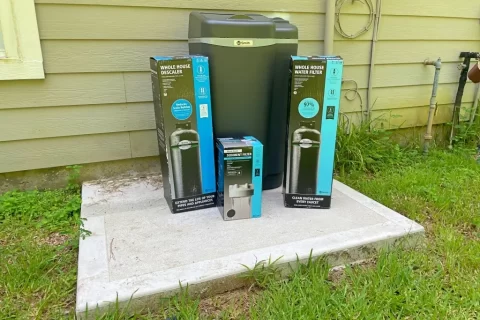
Water softener vs water filter They both rely on different mechanisms to solve different water problems. Softeners remove hard…
Key Takeaways
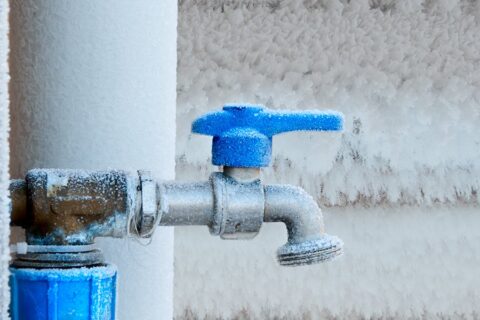
Pipes often freeze because they are exposed to cold air or because there are drafts around the pipe causing it to be…