
Whole-House Humidifier Benefits for Colorado Homes
A whole-house humidifier connects to your furnace and pushes balanced moisture through the ductwork to every room, holding indoor humidity near 35 to 45 percent. Across Colorado’s dry, mile-high Front Range, that steadier air means less static shock, softer skin, hardwood floors that resist cracking, and a home that feels warmer at a lower thermostat setting – which trims winter heating bills.
How much you gain depends on the setup. Forced-air homes accept a whole-house unit easily, while radiant or mini-split systems need a model built for them. And like any HVAC addition, a humidifier only pays off when it is sized correctly, installed by a licensed technician, and serviced on schedule – otherwise you invite leaks, mold, or over-humidification.
Key Takeaways
-
Whole house humidifiers improve indoor air quality and support respiratory health by maintaining balanced humidity levels throughout your home.
-
Reliably humidified air guards furniture, wooden flooring, and fine household structures against damage from dry or overly moist conditions.
-
Optimal humidity keeps you comfortable, particularly in the winter, and can alleviate problems such as dry skin and static electricity.
-
They can save energy by enabling homes to feel warmer at lower temperatures, thus lowering heating bills.
-
Whole house humidifiers are convenient and quiet, and they do not need to be refilled as often as portable units.
-
Professional installation and maintenance are key to making whole house humidifiers work well, last long, and avoid humidity-related dangers.
Balanced air moisture can help make it easier to sleep and reduce nose or throat irritation. Others experience reduced heating expenses, as damp air feels warmer.
The Core Benefits
Whole house humidifiers provide constant, even moisture to each room, promoting improved wellness and comfort. This innovative technology solves numerous problems created by dry air, from health to home and energy expenses.
1. Healthier Air
Maintaining humidity at 35 percent to 45 percent controls dust mites and mold. Air that is too dry or too moist can exacerbate allergies or asthma. Properly controlled humidity promotes healthier lungs and relieves dry throat, congestion, and coughs.
Dry skin and irritation are prevalent in low-humidity homes during the colder months. Whole house humidifiers assist the skin in holding on to moisture, which can translate into fewer issues such as chapped lips or cracked skin.
Cleaner air leads to fewer airborne viruses and allergens. By enhancing indoor air, a whole home humidifier promotes a better sense of wellness for the entire family.
2. Home Preservation
Wood requires moisture to maintain its strength. If the air is too dry, wood floors and furniture can split, crack, or warp, reducing their longevity. Whole house humidifiers assist in preserving the furniture and floors and keep them looking good.
Additionally, it prevents paint or wallpapers from flaking off. It even safeguards the home’s construction, since stabilized humidity reduces the potential for mold or mildew.
Appliances and HVAC systems last longer when they are not constantly fighting dry air, saving you on repairs or premature replacement.
3. Enhanced Comfort
A properly humidified home just feels better. It’s gentler air that is tough on dust and allergens, kind on the skin and lungs, and keeps people sleeping through the night by preventing dryness in the nose and throat.
This leads to deeper, more restful sleep. Static shocks and dry skin don’t often find their way into well-humidified spaces.
Families find that they’re cozier and the air feels warmer even though they run the thermostat a few degrees lower. All around, the balanced atmosphere enhances living space contentment in all seasons.
4. Energy Savings
Humidified warmth encourages people to turn down the thermostat and still feel warm, reducing heating bills. HVAC systems run more efficiently when they’re not having to battle overly dry air, which saves energy.
That alone is a great benefit in terms of saving on energy bills, particularly if you live in a colder climate. Adequate humidification helps the heating system, meaning it is not as hard for it to maintain a comfortable home.
5. Quiet Operation
Whole house humidifiers are typically quieter than their portable counterparts. They operate quietly in the background, allowing you to unwind, focus, or catch some Zs without noise disruptions.
A lot of the new ones are silent or close to silent, so the house is quiet. Auto humidity control leads to less hassle, less noise, and more comfort with little maintenance.
Beyond Portables
Whole house humidifiers step in where portables leave off. Portables are limited to a small footprint, typically one room. They must be refilled frequently, occasionally on a daily basis, and flushed out to maintain their safety. This practice can become a grind, which is especially true in multi-person households or larger homes.
Another issue is that portable units can’t cool a constant humidity throughout the entire home. This results in some rooms remaining arid while others become overly wet. In wood floors or antique furniture in homes, these swings in humidity can crack, warp, and otherwise damage.
Whole house humidifiers operate differently. These units hook directly into the home’s HVAC system. Once setup, they utilize the air vents to distribute wetness to all ends of the room, frequently covering areas of 2,000 square feet or more.

They’re controlled by a humidistat, which monitors the air and regulates the humidity levels to an optimal range of around 30-50%. It assists people in breathing and can alleviate issues such as dry skin, coughs, and chapped lips. Consistent humidity reduces static electricity, which tends to accumulate when the air is dry.
Maintaining proper air humidity preserves wood floors, furniture, and even musical instruments from cracking or drying out. Some of you wonder if it’s worth it to install a whole house unit rather than just buying a few portables. The table below lays out the main differences:
|
Feature |
Portable Humidifier |
Whole House Humidifier |
|---|---|---|
|
Coverage |
One room (~200 sq ft) |
Whole home (up to 3,000 sq ft) |
|
Refill Needed |
Daily or every few days |
Plumbed, auto-refill |
|
Upfront Cost |
Lower (USD 50–200 each) |
Higher (USD 500–1,500) |
Beyond coverage and refills, the two also differ on upkeep and control. Portable units need regular hands-on cleaning and manual, room-by-room adjustment, while a whole-house system is professionally serviced about every 500 hours and holds humidity automatically across the home. That means even, whole-home health benefits and lower energy use, since the unit runs off your existing HVAC, plus static control throughout the house instead of in a single room.
Whole house humidifiers require maintenance from a certified professional every 500 hours of operation. This is still less effort than maintaining several small devices. Over time, their cost balances out because you’re not running a bunch of machines at once and refilling that many of them.
Humidity aids in better sleep, moisturizes sinuses, and can even relieve nighttime coughing. For those of you in dry climates or winter months, the difference is simple to sense: less dry skin, fewer shocks from static, and less chance of damaging wood in the home.
Installation Impact
Adding a whole house humidifier to a home isn’t the same as tossing a small portable unit into a single room. If there’s one thing we know, it’s that most systems play nicer when professionally installed. This step is important as the humidifier will integrate with an existing HVAC system. If you do it right, it can reach every room – not just one space.
The proper installation ensures that the system runs smoothly and lasts longer, while a bad job can lead to leaks or other problems down the line. A whole house humidifier connects directly to the home’s ductwork. This wetness in the air that wafts through the house will permeate on its path. Sometimes, this necessitates modifications to the ductwork.
For instance, if ducts are outdated, narrow, or poorly sealed, they will require fixes or improvements. A professional will know whether your existing system is capable of supporting the additional humidifier or if it requires new components. The objective is to ensure the humidifier cooperates with the HVAC system, not fights it.
The task of installing a whole house humidifier, while not fast, is frequently less resource intensive than operating multiple small units, one in every room. This is more than just comfort. Dry air can complicate the heating, leading to increased run time and energy use. When the air is humid, it feels hotter.
This allows you to keep the thermostat a couple degrees lower while feeling warmer and more comfortable, resulting in savings on your heating bill. For instance, a house kept at 68°F feels just as warm at 64°F with proper humidity, reducing energy consumption. Whole house units are more energy efficient than running many small ones to humidify every room.
It impacts health and home care as well. Dry air, a frequent occurrence when humidity falls below 30%, can induce nosebleeds, dry throat, and even insomnia. A quality humidifier maintains indoor air right in that sweet 40 to 60 percent zone. This not only facilitates sleep and breathing but prevents wood floors and furniture from cracking.
It could save art, books, and musical instruments from drying out. For folks, that means fewer repairs or replacements and a safer, more comfortable home.
Long-Term Ownership
Whole house humidifiers are built for consistent long-term use, providing years of operation with proper maintenance. They range from 5 to 10 years depending on model, care, and usage. With homes becoming increasingly dependent on indoor climate control, knowing how to take care of it is essential for owners seeking maximum return on their investment.
Maintenance
Regular maintenance is key to a whole house humidifier’s consistent performance. A simple checklist helps keep maintenance on track:
-
Clean the humidifier’s basin biweekly, scrubbing out mineral deposits and adding an anti-microbial agent to combat bacteria and mold growth.
-
Change filters as suggested, typically every few months, depending on the hardness of your water and the quality of your air. This maintains a powerful air current and makes certain only sterile, humidified air swirls.
-
Test and calibrate humidistats monthly to keep humidity within the target range, which is typically 30% to 50%.
-
Check for leaks or puddles. Repair any leaks immediately to safeguard HVAC elements and avoid water damage to flooring or walls.
Professional servicing every 1–2 years is prudent. Technicians can identify wear, replace worn components, and perform small repairs before they become major fixes.
Costs
|
Cost Category |
Estimated Range |
Notes |
|---|---|---|
|
Initial Purchase |
$400–$2,500 USD |
Depends on size and type (steam is highest) |
|
Installation |
$300–$1,000 USD |
Varies by home layout |
|
Annual Maintenance |
$50–$200 USD |
Filters, cleaning, minor parts |
|
Energy Use (yearly) |
$20–$100 USD |
Lower if thermostat is set lower |
|
Major Repairs/Upgrades |
$100–$500 USD |
Over 5–10 years |
They cost more up front than portable units, but the ongoing cost is usually lower. A lot of owners experience energy savings in winter, as moist air feels warmer and enables lower thermostat settings.
Better indoor air quality can translate into higher home value as well, particularly in dry climates or areas with severe winters. Fewer colds and dry skin may translate to less money spent on health and personal care items.
Risks
-
Do: Clean and inspect the humidifier regularly to avoid mold.
-
Don’t ignore signs of leaks or let humidity rise above 50%.
-
Do: Use the right filters and parts for your model.
-
Don’t skip professional checkups, especially if you notice changes in performance.
Over time, high humidity will wreak havoc on wood, paint, and even electronics. Keep an eye out for window condensation or musty odors as a cautionary indicator.
Maintenance deferral increases the chances of mold, which can induce allergies or even exacerbate asthma. Professional installation prevents early breakdowns by ensuring every piece is installed and configured for your home’s unique requirements.
The Unseen Advantage
Whole house humidifiers frequently provide more than you anticipate. By maintaining indoor humidity levels stable, typically between 40 and 60 percent, they contribute to establishing an environment that seems balanced and healthy. It’s not just about comfort. It’s about incremental, everyday changes that accumulate.
Consistent humidity can contribute significantly to sleep quality. If the air is too dry, you’ll wake up with scratchy throats or irritated sinuses. Others discover their skin becomes rough or itchy. With a whole house humidifier, you’re less likely to have these issues. It keeps the air humid enough to allow people to sleep better through the night, which can aid mood and energy during the day.
For those of you in cold winter climes, a humidifier can save you some heating money. Air that contains more moisture feels warmer, so you can turn down the thermostat a little and still feel comfortable.
The impact of balanced humidity on mood and well-being is subtle but significant. There’s something in the air, too, a home that’s not too dry nor too moist, that just seems to brighten the spirits. It makes work days feel good.
Static shocks annoyingly accompany dry air; just walk on carpet or touch metal. A humidifier reduces static so the house doesn’t feel so cruel. For musicians, guitarists or those who have electronics lying around, this equilibrium shields them from damage.
Dry air may cause wood to splinter and electronics to prematurely fatigue. It’s the hidden benefit; caring to maintain the proper humidity in the air really plays a role in their conservation.
To most, allergies and breathing issues are a way of life. Dry air can exacerbate these problems by allowing dust and pollen to hang longer in the air. A whole house humidifier traps these particles, making it easier to breathe.
It can calm noses and throats, which is nice for those with asthma or other lung issues. Even your home itself remains safer. Dry air causes us to crack our wood floors and walls. Moisture levels keep the house stout and looking new.
Taking action to maintain a healthy home is a long-term decision. It leads to fewer repairs, better rest, and a safer space for everyone who lives there.
Climate Considerations
Climate greatly impacts how a whole house humidifier can benefit your home. If you live in a climate with cold winters, the air outside contains less water than warm air. If you’re heating your home, it’s even drier. This can lower indoor humidity to under 30%, which is below the ideal range for health and comfort.
Northerners with four seasons frequently experience dry skin, sore throats, and sinus trouble when the heat is on for months. Dry air can exacerbate allergies and breathing issues. Maintaining humidity at 30% to 50% significantly reduces these problems and makes the air feel softer on your skin and nose.
Seasonal shifts alter the amount of moisture in the air. In winter, cold, dry air enters whenever a door or window is opened. Heaters just suck the moisture out even more. In summer, some locations become muggy, while others remain dry.
If you happen to live in a climate with wide seasonal variations – such as ours here along the Colorado Front Range – a whole house humidifier can help smooth those out. By stabilizing at 35% to 45% humidity, your home remains more comfortable year-round. The right humidity reduces static shock, extends the life of wood floors and furniture, and allows you to keep your thermostat a little lower in winter, which saves money.
Not every home is created equal. Certain locations experience dry winters, and summers remain temperate or even moist. Others are dry year round, such as many high altitude cities. If your climate is arid most of the year, you may have to keep the humidifier on frequently.
If you’ve got hot, humid summers, then you might only use it in winter and spring. Marrying your humidification schedule to your local climate is essential. Take climate, for example, in a city with arctic winters and humid summers. You might need the ability to turn the system off or down when the air outside is already wet.
Choosing the appropriate humidifier makes a difference. Whole house models operate alongside your HVAC system and are available in various types. Some inject steam, while others use water panels that air wafts through.
If you have forced-air heat at home, most styles will work well. If you use radiant or mini-splits, you’ll want to seek out a unit made for those systems. It’s savvy to consider whether the humidifier will be able to match the shifts in humidity in your area and align with how your home heats and cools the air.
Conclusion
Whole house humidifiers are more than just water in air. They assist skin in remaining soft, reduce dry coughs and maintain wood floors from splitting. Unlike small units, they hum quietly and require less hassle. Once installed, they operate with your heat or cool system and accommodate various home sizes. In dry months or brutal climates, they make it easier to breathe, sleep more peacefully and even reduce static shocks. For homes with art, plants, or aged wood, they preserve those items as well. To find out how the right system fits your space, talk with the licensed team at 1st Choice Pro Services in Parker about sizing and installation for your home.
Frequently Asked Questions
What are the main benefits of a whole house humidifier?
A whole house humidifier adds balanced moisture to the air throughout your home. This combats dry skin and static electricity and can save furniture and wooden floors from splitting.
How does a whole house humidifier differ from a portable humidifier?
A whole house humidifier attaches to your furnace and cooling system and reaches every room. Portable humidifiers address only a small area and require constant refilling.
Can a whole house humidifier improve indoor air quality?
Yes. With humidity balanced, a whole house humidifier goes a long way to reducing allergens, dust, and dry-air related respiratory discomfort.
Is installation of a whole house humidifier complicated?
A professional should install it. It installs in your home’s HVAC system and distributes moisture evenly throughout the house.
What is the maintenance required for a whole house humidifier?
Routine maintenance includes cleaning or replacing the filter and checking for mineral deposits. Most models require servicing just a few times annually.
Are there energy benefits to using a whole house humidifier?
Yes. Correct humidity can make you feel warmer at cooler temperatures and save you heating expenses in the chilly months.
Does local climate affect the effectiveness of a whole house humidifier?
Yes. Whole house humidifiers are especially beneficial in dry climates or in the winter months when indoor air is drier.

Key Takeaways
Understand typical issues such as drain clogs, incorrect installation, and pump or hose malfunctions to target fixes where…
Key Takeaways
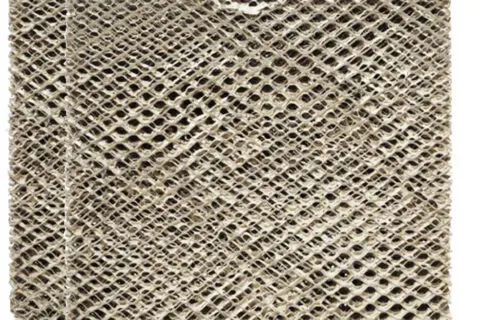
We recommend changing your evaporator pad at least once a year, prior to the heating season. Coordinate the change with…