
Why Does My Toilet Gurgle After I Take a Shower?
Key Takeaways
-
Gurgling toilets after a shower typically mean you have air or water flow issues due to clogged drains, blocked vents or main sewer line problems.
-
Initial action items like checking drains, taking the shower test, and inspecting other fixtures will assist you in locating where the problem may be.
-
Address minor clogs and prevent plumbing disruptions with tools like a plunger or drain snake and natural cleaning methods.
-
Paying attention to weird gurgles and changes in flow can provide an early heads up to more serious system problems.
-
Preventative maintenance such as regular drain cleanings and vent stack inspections can reduce the likelihood of repeat gurgling or clogs.
-
If you notice persistent or severe plumbing symptoms, don’t hesitate to contact a professional plumber in a timely manner to avoid additional damage and ensure dependable system operation.
A gurgling toilet after a shower usually indicates air traveling through the pipes or a blockage that impedes water flow. Toilets and showers share pipes and vents that assist waste and water flow from the toilet and shower.
Gurgling noises can occur when one area of the system becomes clogged. Typical culprits include blocked drains, vent pipe obstructions, or problems with the main sewer line.
The meat addresses symptoms, reasons, and easy remedies.
Primary Causes
A gurgling toilet after a shower often indicates plumbing issues. Trapped air in pipes, blockages in drains or vents, and main sewer line problems can all bubble. Occasionally, bad engineering or upkeep allows these issues to occur more frequently.
Common causes include:
-
Blocked or slow shower or toilet drains
-
Clogged vent pipes or vent stacks
-
Main sewer line blockages, often from roots or debris
-
Poor plumbing design or incorrect pipe slope
-
Overloaded or failing septic systems
-
Flushing non-biodegradable items or too much paper
1. Blocked Drain
Blocked drains are the number one culprit when toilets gurgle after a shower. Gunk can accumulate in the shower drain, impeding water and causing air to become trapped beneath as it attempts to exit. If this is the case, it can push air back through the toilet, causing that bubbling noise.
Toilet traps can snag wipes, paper towels, or small objects, leading to localized clogs. Even flushing regular waste in large quantities can overwhelm the mechanics. If you’re using a plunger, small clogs in the drain line may loosen, but if it persists, it could be a deeper clog.
If water drains slowly in more than one fixture, it means that the issue is not isolated to the shower or toilet. It probably indicates a clog somewhere on the main drain line, where a number of pipes converge and drain.
2. Clogged Vent
Vents allow air to travel in and out of the pipes so that water flows properly. If those vent pipes get clogged, the air gets trapped, and that’s when toilets start to gurgle. Dirt, leaves, or even birds’ nests can clog the vent stack, particularly in regions with significant weather changes.
Ensure that the vent pipes are clear of dirt or accumulation. When a vent is clogged, it can result in slow drains, toilet bubbliness, or even sewer odors in the home.
A clogged vent doesn’t just impact the toilet—it impacts the entire plumbing system. Proper venting is essential for clean drains and prevents pressure from accumulating within the pipes.
3. Main Sewer Line
Main sewer line clogs make toilets gurgle when you take a shower. You could hear more than one drain gurgling or observe water backing up into tubs and sinks. Tree roots, a frequent culprit, grow into pipes over time and obstruct flow.
Basic inspections of the main line will catch problems before they become serious. If your home uses a septic system, a full tank or saturated drain field may cause gurgling and other symptoms of slow drainage.
4. System Design
The second is poorly engineered plumbing. You could have pipes with the incorrect slope or vents in an incorrect position, which can impound water and trap air, bubbling up in toilets or drains.
There’s no one but a plumber who can see if your system is up to date. If your house is older, it might require updates to prevent these issues. Good design and regular maintenance are the best remedies for repeat plumbing problems.
Immediate Diagnosis
A gurgling toilet after a shower is usually a sign that there’s something wrong with the plumbing. Early checking is key, as this type of clanking can indicate problems from simple blockages to more serious mechanical concerns. Typically, problems begin with common drain lines, clogged vents, or pressure imbalances, which cause gurgling, slow drains, sewer odors, or even backups.
Homeowners can execute a simple checklist to know what’s most likely the issue, which saves time and stress and keeps repair costs down.
The Shower Test
Begin with the shower test. Turn on the shower for a couple minutes while keeping an eye on the toilet. If the toilet gurgles only when the shower is on, this indicates some connection between the two, perhaps a common drain or vent.
Monitor the duration of the gurgling. Short, feeble gurgles may indicate a minor clog, and loud or extended gurgling may indicate a significant clog or venting issue. Pay attention to whether the water in the bowl moves or if any air bubbles come up.
Observe and hear post-shower shut off. If the gurgling continues, this could indicate pressure or drainage problems. Pay attention to how the water drains in the shower itself. Slow emptying or pooling can provide clues toward whether the issue is localized or systemic.
Other Fixtures
Examine the sink and tub afterwards. Turn on the bathroom sink and run it for approximately 15 to 20 seconds. Hear gurgling in the toilet or in the sink. If you hear the same racket, the problem extends beyond a single fixture.
Run a test on the tub too. If water backs up or drains sluggishly, this suggests a shared drain or main line clog. Any funky smells or noises from drains are worth jotting down.
If all the fixtures act up, it generally indicates that the main drain line or vent stack has a blockage. If only the toilet gurgles, then the issue may be with that fixture specifically, typically a partial toilet trap clog.
Visual Inspection
Scan for leaks or pooling around the toilet base. Peep inside the tank for any weird water levels or slow leaks. Inspect exposed pipes beneath the sink and behind the toilet for rust, cracks, or buildup.
Old pipe materials or broken joints can fail and cause pressure changes that lead to gurgling. If you find standing water anywhere near a fixture, you have a drainage problem.
Go outside and check the vent stack on the roof. See if leaves, nests, or detritus are clogging it. Bad vent airflow is usually the culprit when gurgling or sewer smells arise inside the house, particularly after it rains hard.
DIY Solutions
Toilet gurgles after shower – this usually indicates either common drain problems or a clog in the vent pipe. These DIY solutions can fix these issues and prevent future ones from happening, all without resorting to harsh chemicals or expensive repairs. Here are some practical tips for do-it-yourself plumbing maintenance.
Plunger Use
Choose a flange plunger that fits toilet drains best. It makes a nice seal for firmer pressure. Plunging moves water and air through the trap to dislodge or pull out blockages trapped in the curve.
Now place the plunger down over the drain and pump up and down rhythmically. The correct technique counts more than brawn. Try again a few times, testing for water flow.
Once you’ve plunged, flush the toilet to determine whether the gurgling has stopped and the bowl drains quickly. If the water sits or drains sluggishly, repeat.
Maintain a plunger at close proximity in the bathroom for emergencies. Store it dry and clean to prevent stank.
Drain Snake
A drain snake, known as a plumbing auger, targets stubborn clogs beyond a plunger’s reach. Select a snake with a 1.5 to 3 meter cable to get to most household blockages.
Stick the tip into the toilet or shower drain, then twist and shove. This movement assists in loosening or catching gunk such as hair, soap scum, or other residue.
Snakes could easily and potentially damage pipes or splash water around, so they need to be removed very carefully. Wash the utility on the spot.
For others, snaking the shower drain, not the toilet, can shut down the gurgle if the shower is the culprit. As a preventative measure, feed a drain snake down your sink every couple of months as maintenance, particularly in homes with older pipes or recurring clogs.
It is pretty money-saving too, with DIY drain cleaning usually priced anywhere from $100 to $300, which is a whole lot less than a plumber’s bill.
Natural Cleaners
Natural drain cleaning is great for light clogs and preventative maintenance. Pour 120ml of baking soda into the drain, followed by the same amount of vinegar.
Allow the mixture to fizz for approximately 15 minutes to dissolve grease and light scale. Rinse with hot (not boiling) water to flush the loosened debris. It’s pipe safe for most pipes and sidesteps the destruction harsh chemicals can inflict.
Hear plumbing sounds after you clear it. Gurgling usually indicates that air is trapped because of a clog or partial blockage. Strange noises can be generated by pressure shifts as water goes through pipes or when vents are clogged.
Flush only human waste and toilet paper going forward. Inspect and clean drains every few months. If bubbling continues or increases, you’re likely going to need a professional plumber for a deeper inspection.
Plumbing Acoustics
Plumbing acoustics are important for any residence or building. The appropriate noises signify that everything is functioning properly. Incorrect sounds, such as gurgling or bubbling post-shower, can signal underlying problems. Knowing what to listen for and how to identify trouble makes it easier to keep plumbing systems healthy and steer clear of costly repairs.
Interpreting Sounds
Variations in water pressure frequently manifest themselves as strange sounds in pipes and faucets. If you hear a gurgling toilet after you take a shower, it can indicate a pressure change that pushes air back through drains. This vacuum is a textbook symptom of air being caught, which generally indicates a clog or venting issue.
Disruptions in standard water flow rates, such as sluggish drains or poor flushes, assist in identifying these problems ahead of time. You may hear the noise shift if you run more than one fixture simultaneously, for example, flushing a toilet while the tap is running.
Pressure variations can render plumbing inefficient. Uneven water pressure could imply that dust or air is obstructing the piping and impeding it all. Little hints, such as less powerful water or bubbling in the toilet bowl, usually indicate larger problems lurking further down in the plumbing.
Pressure Dynamics
Plumbing echoes typically signify air pockets or partial clogs within pipes. Pipes in older buildings are more susceptible as corrosion and debris can build up. Metal pipes conduct sound in a different way than plastic. If you hear a solid echo or a ‘thunk’ when using water, it can assist in identifying the location of the problem, perhaps a bend in the pipe or close to a joint.
At other times you’ll hear these echoes immediately after a fixture shuts off, which can be indicative of a venting or drainage problem. These reverberations indicate that the system is not pushing air and water as efficiently as possible.
Systemic echoes shouldn’t be ignored because they frequently indicate the plumbing system is under strain. Over time, this can result in bigger headaches like leaks or even pipe bursts.
Systemic Echoes
Cleaning drains regularly is one of the easiest things you can do to keep plumbing clear. The hot water or a safe cleaner will help to dissolve the grease or fine blockage,” he said. Don’t flush wipes, food, or hair, all of which cause clogs and weird noises.
Vent stacks have to remain unobstructed as well. Clogged vents prevent air flow and cause toilets to gurgle after showering. Tree roots, grease and old pipes are just a few of the typical culprits.
An annual plumber’s inspection, armed with drain snakes or augers, helps detect these problems early. Turn a deaf ear to these noises and risk backups, water damage or expensive repairs. These good habits and regular checks really do go a long way in keeping your plumbing quiet and reliable.
Preventive Maintenance
Preventive maintenance is crucial to a well-running toilet and plumbing system. Taking care of small issues up front saves you from expensive repairs down the road. For instance, it is typically easier to do septic tank pumping every three to five years rather than have it back up and fail.
Avoid damage. Checking for warning signs like gurgling toilets or slow drains can help you catch trouble before it escalates. Skipping these steps can have dire consequences, such as sewage backups and damage to your property, especially in older homes with aging pipes or shifting soil.
A little preventive maintenance reduces the likelihood of bad smells and helps keep your house clean. There are simple habits like not flushing non-biodegradable items or overloading the system with water that make a big difference. Certain jobs are a breeze for homeowners, while others require specific tools or the assistance of a professional.
Regular Cleaning
We all should know what can and cannot go down a toilet. Flush only toilet paper. Even ‘flushable’ wipes can cause clogs. Stuff such as sanitary products, cotton swabs, and paper towels are not designed to dissolve quickly and can clog pipes.
Remind everyone in your household about flush awareness. Educating the little ones and visitors on what to toss where saves headaches. Observing strange noises or slow draining provides an early notification. For instance, if your drains gurgle after a shower, it might signify a blockage is forming in the pipes or vents.
Inspect your toilet’s operation frequently. If water drains sluggishly or bubbles, act quickly. That way, you address problems early, which can save you money and reduce stress down the road.
Mindful Flushing
Check vent stacks on your roof every now and then. Branches, leaves, or animal nests can block airflow causing toilets to gurgle. If you discover any blockage, remove it carefully and restore the proper flow of air in the plumbing.
Vent stack covers keep out debris and animals. Make it part of what you do to check these vents, particularly prior to really rainy seasons or if you notice warning signs such as slow drains or bubbling toilets.
Vent Stack Care
Sometimes issues persist despite cleaning and inspecting vents. This is when you call in a licensed plumber. They’ll even bring specialized tools, such as cameras or electric augers, to peer deep into your pipes and discover hard-to-find clogs.
A pro’s know-how comes in handy when identifying elusive problems like corroded pipes or sewer line breaks, which are difficult to detect without specialized equipment. Be specific about symptoms when calling for assistance. It assists the plumber in identifying and repairing the issue quicker and more accurately.
Professional Help
A gurgling toilet after a shower hints at more serious plumbing problems than simple DIY repairs can solve. Not all situations require immediate professional assistance, but understanding what signs to look for can stave off major migraines. Heavy gurgling, sluggish drains, and strong odors are all red flags that cannot be overlooked.
These indicators can mean obstructed vent stacks, clogged drain lines, or even septic issues. If an easy solution such as a plumber’s snake does not eliminate the problem, it is too complicated for home cures. Recording any variation, such as how frequent it gurgles, when it began, or whether it is after heavy rain, provides your plumber valuable information.
Taking action promptly prevents small problems from escalating into expensive fixes.
When to Call
A plumber will look at your entire system, not just the toilet. Plan on a close examination of the vent stacks, drain lines, and occasionally the main waste pipe as well. They will bring cameras or smoke machines or pressure tests to find the source.
The plumber will suggest dusting vents, removing obstructions, or swapping out damaged components. If the issue is with your septic tank or drain field, more extensive repairs could be necessary.
Some things require swift attention. For instance, if water backs up into your shower or toilet or you smell sewage, immediately call a plumber. Waiting can translate into water damage, health issues or even a catastrophic system failure.
Most plumbers recommend not putting it off longer than a day if you notice these symptoms.
What to Expect
Plumbing prices vary based on the difficulty of the issue and your urgency. Simple clogs could be less expensive, whereas serious venting or septic problems run higher in price. Preventive work, like those annual vent stack checks, can be cheaper than waiting for the whole thing to block.
Ask your plumber for a cost breakdown before they begin work. Some charge hourly, others charge per project. If the plumber discovers additional issues during the visit, the price may vary. The earlier you act, the smaller the repair and the smaller the bill.
Cost Factors
Knowing what causes a toilet to gurgle after a shower helps you step in early. Minor fixes and scheduled inspections can prevent big expenses and keep your plumbing in tip-top shape. Don’t ignore long-term issues.
Fixing them quickly prevents expensive, large scale patches. When in doubt, professional help is the surest way to keep your system running well.
Conclusion
How to identify gurgling toilet after shower, inspect vents and drains initially. Strange noises are usually caused by small clogs or blocked vents. Addressing these in their early stages helps to keep pipes clear and prevent bigger messes. Quick solutions help with minor issues such as plunging or raking out hair and soap. For larger problems, experts can contribute with equipment and experience. Routine inspections can prevent gurgles before they begin. Don’t freak out about weird noises. It’s almost always a fast fix. Have a question or discovered a trick that works? Tip or story? Help others! Your feedback makes the next repair easier for all of us.
Frequently Asked Questions
What causes a toilet to gurgle after a shower?
Gurgling toilet after shower generally indicates a blockage or venting issue in your plumbing. The air can’t flow freely, and the water bubbles or makes noise.
Is a gurgling toilet after a shower a sign of a serious plumbing issue?
Yes, it is. Gurgling is usually a clue of a clog, vent, or sewer line issue. If you ignore the sound, bigger plumbing problems or water damage can occur.
Can I fix a gurgling toilet myself?
A plunger or drain cleaner can clear up minor clogs or vent problems. If the issue persists, calling a plumber is best for safety and lasting results.
How do plumbing vents affect toilet gurgling?
Plumbing vents suck in air, allowing water to flow smoothly. When a vent is obstructed, air becomes entrapped and results in your toilet gurgling after using other fixtures.
What are the benefits of regular plumbing maintenance?
MP-) Prevents clogs, vent blockages, and expensive repairs. It maintains your plumbing health, prevents leaks, and prolongs the life of your fixtures.
When should I call a professional plumber for gurgling sounds?
Call a plumber if the gurgling is recurrent, if you see drains backing up slowly or if there are foul smells. These symptoms can be reflective of some significant blockages or sewer line issues requiring professional assistance.
Can a gurgling toilet cause sewer smells in my bathroom?
Yes, a clogged vent or drain allows sewer gases into your bathroom. This usually causes bad smells and indicates that a plumbing inspection is needed right away.
Key Takeaways
Ductless mini split systems make use of refrigerant lines to transfer heat efficiently and provide flexibility in installation…
Key Takeaways
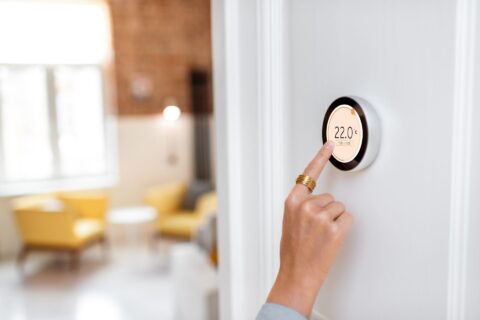
For the best energy savings, aim for 20°C during the day and 16 to 18°C at night or when away.
Programmable or smart…