
Why Is My AC Blowing Warm Air? 5 Common Causes and Solutions
Key Takeaways
-
Warm air from the AC unit is usually due to thermostat issues, airflow blockages, low refrigerant, electrical problems, or compressor failure.
-
Here are some common causes of inefficient cooling and things to regularly check and maintain, such as air filters, vents, and thermostat settings.
-
Ensure proper refrigerant levels and address any leaks promptly. Low refrigerant significantly impacts system performance and energy efficiency.
-
Simple fixes, like resetting breakers and clearing vents, can alleviate minor problems and keep the cooling going.
-
Regular professional maintenance ensures there aren’t deep problems, reduces wear, and extends the life of your AC.
-
Get professional help for persistent issues, suspected leaks, electrical faults, or if something weird sounds or smells when you turn on your AC.
AC blowing warm air causes can be caused by low refrigerant, dirty air filters, and faulty thermostats or electrical issues or blocked condenser coils. All of these can reduce cooling and result in warm air coming from your vents.
Even minor leaks or system wear can accumulate and contribute to the issue. Knowing the usual causes saves time and money.
Next, we deconstruct each cause and present explicit steps to diagnose and repair these problems.
Primary Causes
There are a ton of potential reasons your AC is blowing warm air. The top reasons include everything from mere operator mistakes to catastrophic equipment malfunction. Knowing these typical culprits facilitates quick, focused solutions.
1. Thermostat Settings
If the thermostat is not set to “COOL” or the temperature is not set lower than the room temperature, it will not initiate a cooling cycle. It’s a simple, yet frequently missed, problem. Change the batteries if your thermostat screen is blank or unresponsive. Dying batteries can halt accurate signaling.
Placement of the thermostat matters. If it sits in direct sunlight or near heat sources, it can misread the room’s temperature and run the system incorrectly. If the display appears off or it cycles at strange times, test the thermostat for software or sensor bugs.
2. Airflow Obstruction
A dirty air filter is among the most common culprits for AC units blowing warm air. Filters clogged with dirt and hair prevent proper airflow, which causes overheating and diminishes the ability to cool. Check filters every month and either clean or replace them as appropriate.
Blocked or dirty vents inhibit airflow. Look for furniture, curtains, or dust around vents and ducts. Even a tiny blockage can jam the entire apparatus. Your indoor air handler could exhibit indications of limited airflow like feeble air output. Leaving the whole path unclogged improves air and cooling performance.
3. Refrigerant Issues
Low refrigerant levels or leaks are primary causes of ACs blowing warm air. Check for hissing or ice on the refrigerant lines which indicate a leak. Not enough refrigerant means it can’t cool air effectively. This issue can boost energy bills and damage system efficiency.
As refrigerant leaks are harmful to the environment, repairs should only be carried out by licensed technicians. These problems are more than just a quick top-up. Repair leaks to protect safety and optimize performance.
4. Electrical Problems
Electrical faults can halt the AC from operating properly. They stop power to the outdoor or indoor units, resulting in warm air, such as tripped circuit breakers or blown fuses. Test the primary causes.
Test the main electrical panel and reset breakers if necessary. Damaged or loose wiring can cause intermittent failures and should be inspected by an expert. A bad capacitor can keep the compressor from getting started, which means no cooling. For the most part, testing and swapping out bad parts is the secret to bringing a system back to life.
5. Component Failure
Compressor failure is a primary cause of warm air. Listen for strange sounds or repeated shutting down while in use. Units over 10 to 15 years are more vulnerable to this type of failure.
Overheating or erratic cooling cycles can indicate additional failing components within the system. Routine upkeep helps detect these problems before they lead to a full-on blowout.
Simple Fixes
When your AC is blowing hot air, the majority of the problems can be reduced to a handful of simple reasons. Before picking up the phone to call a technician, homeowners have a handy checklist for rapid diagnostics. By tackling these fundamentals, you can stave off downtime, save some money, and stay cool, particularly on those hot summer days.
Check Thermostat
Make sure your thermostat is set to ‘cool,’ not heat or fan. Other times, it’s nothing more than switching the mode or dropping the temperature a few degrees. This easy trick can fix a lot of problems where just warm air is blowing from the vents.
Swap in new batteries if the display is faint or unresponsive. Weak batteries may result in erratic readings or prevent the system from activating. Ensure that the thermostat is not exposed to direct sunlight or near heat sources, which can lead to sensor misreading room temperature.
Test the unit by turning the setting and hearing the click or feeling the system start. This goes a long way toward eliminating the electronic gremlins that can often plague performance.
Inspect Filter
Dirty air filter: this is the most common cause of restricted airflow. Take out the filter and check it for dust or buildup. If it looks dirty, change it immediately. In homes with pets or allergy issues, replace the filter every one to three months to maintain clean air and a healthy system.
Check regularly and put a reminder every month to check the filter. Clean filters not only increase the indoor air quality but protect the system from overheating, a cause of warm blowing AC.
Clear Vents
|
Practice |
Description |
|---|---|
|
Clean vents regularly |
Remove dust using a soft brush or vacuum to keep airflow good. |
|
Check for blockages |
Move furniture or objects away from vents to allow free air. |
|
Inspect each vent |
Feel for airflow and note any weak spots in the system. |
|
Remove debris outdoors |
Clear away leaves, dirt, or blockages near the outdoor unit. |
Unclogging supply vents inside means air can reach every room, as it was designed to do. If a vent is weak, verify that it isn’t blocked or that a damper isn’t closed. Balanced airflow from each vent is required for uniform cooling.
Reset Breaker
Locate your circuit breaker panel and check for any tripped breakers associated with the AC unit. If a breaker tripped, turn it off and then on. This can restore power to the outdoor unit and cure a no-cool condition.
If the breaker tripped again, check for burnt smells or other indications of electrical problems. Immediate fix solutions are to track them. Record any trends and maintain a journal to bring to a technician because multiple visits can add up to a larger issue.
Deeper Diagnostics
Deeper diagnostics assist in identifying latent problems in AC systems before they manifest, allowing for more targeted, less invasive repairs. Routine inspections and intelligent maintenance can prevent breakdowns, particularly during the sweltering days when AC systems have to toil most.
Dirty filters, thermostat glitches, or even odd noises indicate trouble, and these can frequently be identified by diligent checking. Systems that miss out on this care can consume as much as 30 percent additional energy, harming both performance and budgets. That early detection and those routine steps conserve energy, cut utility bills, and keep the AC unit going longer.
Below is a table showing the main AC parts and what to check for each:
|
Component |
Inspection Criteria |
|---|---|
|
Condenser Unit |
Cleanliness, debris, damage, space around unit |
|
Evaporator Coils |
Frost, dirt, temperature, airflow |
|
Refrigerant Lines |
Leaks, insulation, ice, physical condition |
|
Thermostat |
Programming, calibration, battery, placement |
|
Air Filter |
Cleanliness, type, fit, replacement schedule |
Condenser Unit
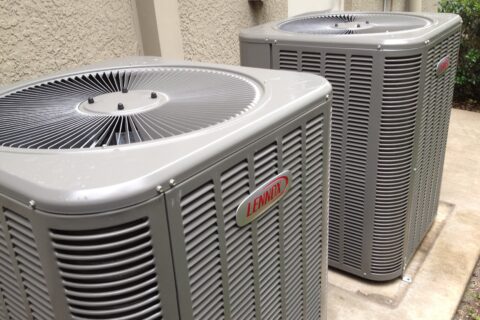
Check your outdoor condenser unit frequently for any dirt, leaves, or debris. This crud impeded airflow and caused the unit to be less efficient at cooling air. If the coils are dirty, clean them so heat can exit the system as it should.
Look for bent fins, rust, or physical damage. These symptoms indicate you should seek professional assistance. Always maintain a minimum of 60 cm clear space around the unit so air can circulate freely and cooling functions properly.
Evaporator Coils
Ice or frost-covered coils can indicate air flow issues or a low refrigerant charge. Clean coils allow heat to transfer from the air to the refrigerant and enhance cooling. Just monitor the coil temperature throughout the cycle; it should be cold but not iced over.
If you see ice, look for blocked vents or filters and clear them. Repairing these little things early prevents the system from crashing down the road.
Refrigerant Lines
Inspect refrigerant lines for leaks, dents, or oily spots that indicate a potential refrigerant loss. Seal up wasted air. Make sure the insulation is snug and gap free. Missing insulation can reduce AC efficiency.
Should you detect ice on these lines, it frequently indicates a more significant airflow or refrigerant issue. In any event, refrigerant line repairs should be conducted by a professional technician to ensure safety and proper function.
When you take these steps with refrigerant lines, you can avoid costly repairs and keep your AC safe for all.
The Refrigerant Myth
A lot of people think refrigerant in an AC system is like gas in a car – you use it and it runs out. This isn’t the case. Refrigerant doesn’t get used up in the day in the life. It’s to transfer heat from the inside to the outside, cycling in a closed loop. Provided the system is sealed and leak-free, the very same refrigerant can last the system’s typical lifespan, generally ten to fifteen years.
Actually, if the AC is blowing hot air, it’s usually not because it’s out of refrigerant. Instead, it indicates an underlying issue, typically a leak.
Too little refrigerant just won’t cool well, resulting in extended cycles and poor flow. Homeowners might observe that their unit is slower to cool a room or that the air is humid and less crisp. Other clues are water leaks near the unit, an increase in energy bills, or the unit blowing warm air.
These are frequently associated with leaks, not standard usage. Leaks occur when tubes or storage areas in the system become compromised, which often takes place in systems between four and seven years in use. Even pinhole-size openings in the tubes can leak refrigerant, which reduces the cooling capacity.
There is another important factor to consider: the type of refrigerant. The industry has switched from Freon, an older refrigerant discontinued in 2021 for its environmental damage. Today’s newer systems use R410A or Puron, which are better for the planet.
Some of the older units could have been converted to these new types during servicing. This shift is important because the laws around handling and refilling refrigerants are tighter now, requiring professionals to inspect and repair leaks. Improperly handling or venting refrigerant is not only damaging to the system, it is damaging to the environment.
The refrigerant myth that it needs to be topped off frequently can cause homeowners to ignore much more serious issues. If it has to be refilled periodically, it probably leaks. Let’s start debunking the refrigerant myth.
Just adding refrigerant doesn’t address the underlying issue. Pros should always check for leaks and fix the damage before they add new refrigerant. It’s a strategy that keeps their system running well, saves energy, and protects the environment from dangerous releases.
Systemic Wear
Systemic wear to air conditioners means slow decay of critical components. This can occur over years or after intense use. Typical indicators are warm air, strange sounds, or sluggish cooling. When components such as the compressor, wiring, or refrigerant lines experience wear, efficiency declines.
Leaks, short circuits, and choked air trumpets often ensue. Bad installations or efforts to repair things that lack the proper tools can accelerate this wear. Climate also factors in; units in hotter climates or dusty environments can deteriorate more quickly. Routine maintenance catches problems early and prevents minor issues from becoming major.
Age Factor
Old AC units tend to lose their chillers. Over time, parts inside the system wear or lose efficiency. Fans can seize up, compressors go bad, and wiring can become brittle. Most air conditioning components endure for approximately 10 to 15 years, but this varies with use and maintenance.
If a unit is running 24/7 in a hot environment, it could wear out quicker. When an AC system begins requiring constant repairs, those costs can add up quickly. Homeowners should watch just how much they’re investing to maintain an antiquated system. Sometimes it’s better to swap out a failing unit rather than pay the price for continuous repair.
Calculating the energy savings and reduced repairs goes a long way in determining if it’s time for a new system.
Neglect Impact
-
Neglect makes your AC more power hungry.
-
Filters that remain grimy inhibit air flow and cause the system to exert even more effort.
-
Missed inspections can hide leaks or failing parts.
-
Neglect can increase energy bills and reduce comfort over the years.
If maintenance is neglected, the system no longer cools rooms fast. Rooms can begin to feel clammy or humid. This constant stress can cause major failures such as shorted wiring or a failed compressor.
Periodic tune-ups keep these issues at bay. By establishing a maintenance schedule, you’ll catch problems early before they become costly repairs and keep the unit running longer and easier. Thoughtful maintenance such as clearing coils, inspecting refrigerant, and securing connections rewards with balanced energy consumption and comfort.
Professional Help
Every once in a while, repairing an air conditioner that blows warm air requires more than simple inspections or filter swaps. When the issue exceeds basic troubleshooting or becomes chronic, a qualified HVAC technician can enter with the proper equipment and expertise to identify the underlying cause.
Professional help means a well-rounded effort, guaranteeing the system operates securely and effectively. Professional service on a regular basis is critical to nipping bigger problems in the bud before they get out of control and does wonders to keep the air conditioner working “like new.
Some signs that indicate you may need professional assistance include:
-
Persistent warm air after basic troubleshooting
-
Suspected refrigerant leaks or low refrigerant
-
Unusual noises or burning smells coming from the unit
-
Electrical issues, such as tripped breakers or faulty wiring
-
Signs of compressor or thermostat failure
-
Difficulty accessing or cleaning internal components
-
Regular maintenance or annual servicing needs
When to Call
Call in a pro if your AC still blows warm air after you’ve verified the thermostat, cleaned or replaced the air filter, and de-bunched debris from around the unit. When the air remains warm after these simple measures, the problem could be more severe, like low refrigerant or a compressor issue.
A technician can perform a thorough inspection to verify the source and repair it securely. Indicators such as hissing, oil residues, or icing on the unit are typical of refrigerant leaks. If you notice these or if the AC continues tripping circuit breakers, it’s time to get expert assistance immediately.
Electrical components within the unit like contactors and capacitors can wear out and are not safe for most homeowners to repair. If you see weird smells, like burning or musty odors or hear loud banging or screeching from the unit, discontinue use of the AC and get a technician in there immediately.
Acting quickly can save you from additional damage or even a complete collapse, saving repair costs and protecting your home.
What to Expect
With professional AC help, a technician will conduct a complete diagnostic to locate the issue. They might check refrigerant levels, search for leaks, clean the evaporator and condenser coils, and examine electrical components.
If the compressor or thermostat is not working right, our technician can repair or replace these components. Effective communication is crucial. Inform the technician of any changes you’ve observed, such as when the blower began spitting warm air or making unusual noises. This gets them to the problem quicker.
Seasonal check-ups from a pro lead to cleaner coils, better airflow, and fewer breakdowns. A lot provide tips and tricks for what you can do between visits, like how often to change filters or keep the space around the outdoor unit clear.
Conclusion
AC that blows warm air leads to many possibilities. Dirty filters, wrong settings, or low coolant can all trip up the cool air. Old parts or leaks give me headaches, too. Simple things, such as swapping out filters or checking the power save, save time and money. Some fixes require a pro, of course, like leaks or major part replacements. Not all warm air is an indication that the coolant is low, so be on the lookout for other indicators. Repair tiny stuff ahead of time to avoid huge costs down the road. For steady cool air, stay on top of easy checks and enlist help for big things. Notice an issue? Move quickly or consult a tech to remain cool and cozy.
Frequently Asked Questions
What are the most common reasons my AC is blowing warm air?
Some of the most common causes are wrong thermostat settings, clogged air filters, low refrigerant, or electrical problems. Routine maintenance can help prevent these problems.
Can a dirty air filter cause warm air from my AC?
A clogged air filter impedes airflow and makes your AC blow warm air. Swap or wash filters for optimal operating.
Is low refrigerant always the cause of warm AC air?
No, low refrigerant is just one of several possible causes. Other issues such as thermostat problems or dirty coils can blow warm air.
Should I try to fix my AC blowing warm air myself?
Basic problems like swapping filters or verifying the thermostat can be managed yourself. For refrigerant or electrical issues, professional assistance is safer and more efficient.
How often should I service my AC to avoid warm air problems?
Servicing your AC at least once a year is ideal. Regular tune-ups keep trouble spotted early and your system running smoothly.
When should I call a professional for my AC?
Give an expert a ring when simple fixes do not resolve the trouble, or if you notice leaks, weird noises, or electrical problems. Professional assistance guarantees security and an accurate fix.
Can regular maintenance prevent my AC from blowing warm air?
Yes, routine service will guard against most causes of warm air. It keeps the system clean, detects wear at an early stage, and ensures the AC blows warm air.
Key Takeaways
Check air filters, outdoor units, and thermostats regularly for the best heat pump performance and efficient heating.
…

Key Takeaways
High efficiency AC systems can provide notable energy savings, especially during Colorado’s warm summer months. This leads…