
Energy-Efficient Home Upgrades That Save You Money
Energy-efficient home upgrades are improvements that reduce how much electricity, natural gas, or propane your house uses while keeping it comfortable year-round. For Front Range homes in Parker, Castle Rock, Castle Pines, Centennial, and Highlands Ranch, the upgrades that pay back fastest are air sealing, attic insulation, a high-efficiency furnace and air conditioner, a smart thermostat, and hard-water protection for your water heater.
The right combination depends on your home’s age, its elevation, and how well your current equipment is performing. A 1990s home in Douglas County loses energy very differently than newer construction, so the smartest first move is to measure where energy actually escapes before spending money on new equipment.
Start With an Energy Audit and Air Sealing
Before you buy anything, find out where your home leaks. A professional energy audit uses a blower door to depressurize the house and an infrared camera to reveal drafts, missing insulation, and cold spots you cannot see. On the Front Range, steady winds and the pressure differences that come with our altitude push conditioned air out through every gap, so sealing is often the cheapest way to cut a bill.
Once leaks are mapped, sealing them is straightforward:
- Caulk stationary cracks around window frames, baseboards, and where framing meets the foundation.
- Add weatherstripping to door and operable window edges.
- Use expanding foam around plumbing penetrations, recessed lights, and rim joists.
- Install foam gaskets behind outlets and switches on exterior walls.
Freeze-thaw cycles reopen small gaps every spring, so check your seals once or twice a year and touch up anything that has cracked.
Insulation That Handles Both Seasons
Insulation keeps heat inside during cold snowy winters and blocks it out during hot summer afternoons. Homes in Colorado climate zone 5 generally want attic insulation in the R-49 to R-60 range; if you can see the tops of your ceiling joists, you are under-insulated. Walls, crawl spaces, and rim joists matter too, since those are common places for heat to escape in older Parker and Centennial homes.
Whatever material you choose – blown-in cellulose, fiberglass batts, or spray foam – even coverage is what makes it work. Gaps and compressed sections quietly cut performance, which is why professional installation usually outperforms a rushed weekend project.
How to Save Money on AC in Summer
Summers on the Front Range are hot but dry, and that low humidity is your biggest advantage for cutting cooling costs. Here is how to save money on AC in summer without roasting through July and August:
- Set your thermostat to about 78°F when you are home and let it drift higher when the house is empty. Every degree you lower it adds to the bill.
- Run ceiling fans to feel a few degrees cooler, but turn them off in empty rooms – fans cool people, not spaces.
- Because our air is so dry, an evaporative (swamp) cooler can cool a home for a small fraction of the electricity an AC compressor uses. Many homes run a swamp cooler on mild days and save the central AC for the hottest stretches.
- Shade south- and west-facing windows with blinds, low-e film, or exterior awnings to block afternoon heat gain.
- Change the AC filter monthly in summer. High-altitude sun and spring dust load filters quickly, and a clogged filter forces the system to work harder.
- Book a tune-up before the first heat wave. Low refrigerant, dirty coils, and an improper charge waste power without any obvious warning.
If your air conditioner is more than 12 years old, replacing it with a modern high-SEER2 unit can noticeably lower summer bills, especially when paired with sealing and insulation so the cool air stays put.
High-Efficiency Heating for Cold, Snowy Winters
Heating is the biggest energy expense for most Front Range homes, so it is where efficiency upgrades have the most room to pay off. A modern condensing furnace rated at 95% AFUE or higher turns almost all of its fuel into usable heat, compared with 70% to 80% for many older units still running in the area.
Altitude matters here in a way many homeowners never hear about. At Parker’s elevation near 5,900 feet, gas furnaces and water heaters have to be derated – roughly 4% for every 1,000 feet above 2,000 feet – so they burn cleanly and safely in thinner air. A licensed technician sets this correctly; a unit installed at sea-level settings will run inefficiently and can fail early.
Cold-climate heat pumps are also worth a look. Today’s models keep working well below freezing and can be paired with a gas furnace in a dual-fuel setup, so the heat pump handles mild days and the furnace takes over during deep cold snaps. Sealing and insulating ductwork that runs through an unconditioned attic or crawl space adds efficiency no matter which system you have.
Water Heating and Hard-Water Protection
Water heating is typically the second-largest energy user in a home. Parker and much of the south Denver metro draw on hard groundwater, and that mineral content is hard on equipment. Scale builds up inside a tank water heater, insulating the burner from the water and forcing it to run longer to reach temperature.
- Flush a tank water heater once a year to clear sediment and keep it efficient.
- Consider a water softener to protect the water heater, fixtures, and appliances from scale.
- If you switch to a tankless water heater, plan on periodic descaling – hard water shortens the interval between service.
- Install low-flow faucets and showerheads to cut both water and the energy used to heat it.
Setting the water heater to 120°F is usually plenty hot for a household and trims standby losses compared with higher settings.
Smart Thermostats and Controls
A smart thermostat learns your schedule and stops heating or cooling an empty house. Setting the temperature back by 7°F to 10°F for the eight hours a day you are asleep or away can meaningfully lower both heating and cooling costs over a season. Because you can adjust it from your phone, you never pay to condition an empty home. Pairing a smart thermostat with sealing, insulation, and a right-sized system is what turns small daily savings into a noticeably lower monthly bill.
Colorado Rebates and Tax Credits
Upgrades cost less than the sticker price once incentives are applied. Xcel Energy offers rebates on qualifying high-efficiency furnaces, air conditioners, heat pumps, and smart thermostats, and the federal Energy Efficient Home Improvement Credit can offset part of the cost of qualifying insulation, windows, and HVAC equipment. Because programs change from year to year, confirm what is available before you buy so you can time larger projects to capture the most help.
Frequently Asked Questions
Which energy upgrade gives the best return?
For most Front Range homes, air sealing paired with attic insulation gives the biggest bang for the buck. Both are relatively inexpensive, and they make every other upgrade – from a new furnace to a smart thermostat – work better by keeping conditioned air inside.
How can I lower my AC bill in summer without replacing the unit?
Raise your thermostat toward 78°F, change the filter monthly, shade west-facing windows, run a swamp cooler on mild days, and schedule a tune-up. These low-cost steps take real load off the compressor before you ever consider new equipment.
Do I need to adjust HVAC equipment for Parker’s altitude?
Yes. Gas furnaces and water heaters must be derated for elevation – about 4% for every 1,000 feet above 2,000 feet – so they burn safely and efficiently. This is a job for a licensed contractor, not a factory default setting.
Does hard water really affect efficiency?
It does. Scale from hard groundwater coats the inside of a water heater and forces it to run longer. Flushing the tank yearly, adding a softener, or descaling a tankless unit keeps it running the way it should.
Whether you are planning a single improvement or a whole-home efficiency plan, the licensed team at 1st Choice Pro Services can measure where your Parker, Castle Rock, or Highlands Ranch home is losing energy and recommend the upgrades that pay you back the fastest. Call 303-841-1448 to schedule a heating, cooling, or plumbing efficiency visit and start lowering your bills with changes that make sense for the Front Range.
Key Takeaways
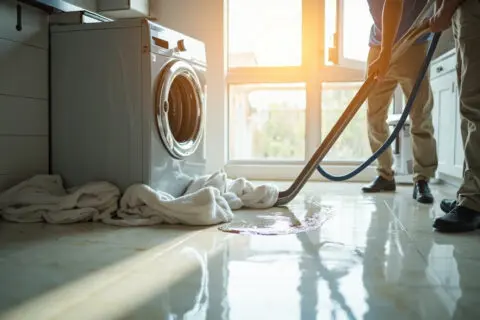
Understand typical issues such as drain clogs, incorrect installation, and pump or hose malfunctions to target fixes where…
Key Takeaways
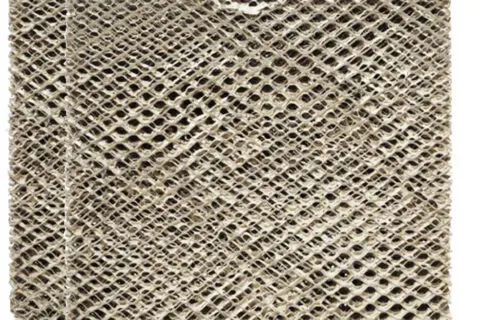
We recommend changing your evaporator pad at least once a year, prior to the heating season. Coordinate the change with…