
Why Is My Basement Floor Drain Gurgling in Littleton, CO?
Key Takeaways
-
Floor drains need traps and venting to keep sewer gases out and ensure proper flow in. Make sure the trap has water and vents aren’t blocked to prevent gurgling.
-
Typical culprits are main line blockages, vent restrictions, trap failure, pressure imbalances and soil shifting. All of these can be verified by observing slow drains, odors or sounds when other fixtures run.
-
Do a quick diagnostic routine of visual checks, sound mapping, and flow tests. Pour water and see if it bubbles or drains slowly before calling a pro.
-
Safe DIY fixes range from cleaning or refilling traps, using a plumber’s snake for easy-to-reach clogs, to flushing roof vents with water while wearing gloves and eye protection.
-
Think local in Littleton: clay rich soils, ancient plumbing, heavy rains that shift pipes or overfill drains, and keep a record of issues to identify patterns.
-
If the problems persist or you suspect main-line damage, tree root intrusion or sewer backup, have a licensed plumber look at it immediately to prevent property damage and potential health hazards.
A gurgling floor drain in a Littleton basement indicates that air has become trapped or there is sluggish drainage in the plumbing. Typical causes are partial blockages, a dry P-trap or venting problems that allow sewer gas to flow back through the drain. Homeowners commonly hear bubbling when they run sinks or appliances and experience slow emptying. The below divides simple checks, likely fixes, and when to call a licensed plumber.
Mechanics
Floor drains are designed to channel wastewater out of basement spaces and into the building’s drain system. A concrete or plastic drain bowl catches the water which drips into the branch drain and then the main sewer line. Design relies on gravity. The floor slope guides water toward the grate, and pipe diameter and fall rate control how fast water leaves. In hard-water basements, mineral scale can constrict pipes over years, slowing flow and making it easier for small debris to get stuck in partial blockages that gurgle.
Traps lurk just beneath the drain grate to prevent the invasion of sewer gases into human habitats. The standard P-trap contains a tiny water seal. If the trap dries, typically after two to three weeks without flow, that seal is lost and gases migrate up into the basement. A waterless trap seal offers an alternative; it uses a mechanical or membrane device to block gas while still letting water pass. That solution can come in handy in little-used floor drains or where routine flushing is impossible. Mechanics, individuals who identify and fix mechanical and plumbing issues, typically suggest traps be examined during regular maintenance to prevent smell and hazard issues.
Vent pipes preserve neutral air pressure within the drain system and facilitate wastewater flow. Vent pipes allow air to enter the system behind flowing water, avoiding suction that could potentially suck water out of traps. If a vent pipe is clogged with debris, bird’s nests, or ice, air can’t fill the void left by draining water. This can cause slow drains or gurgling as air is sucked through other vents or trapped bubbles shift past partial blockages. Blocked vents are an intermittent gurgling culprit that is often missed until a pro checks out the roof vents.
Waste passes from the floor drain through the trap into branch lines and then to the main sewer or septic tank. It flows by slope, pipe size and clear path. Clay soil can shift and misalign buried sewer lines, forming sags or breaks in which solids accumulate and cause repeated blockages. Main line issues can cause basement drains to gurgle as air and water fight to navigate a blockage. Routine maintenance, such as flushing lines, de-liming and checking traps and vents, minimizes the threat of expensive main line repairs. Floor drains can be forgotten until they give you problems. Running water through infrequently used drains once a month, fitting strainers to catch debris and using mechanical trap seals where appropriate can keep systems working and keep odors and gurgling at bay.
Common Causes
Basement floor drains gurgle when air and water cannot move through the plumbing as intended. The noise indicates a pressure and flow issue in the system. Here are the usual suspects, followed by an explanation of the most common failure points.
-
Main sewer line backup from debris, grease, or foreign objects.
-
Tree-root intrusion into underground pipes
-
Vent pipes that are blocked or undersized, such as from bird nests, leaves, or ice buildup.
-
Trap failure: dry, cracked, or siphoned P-traps
-
Pressure imbalances when multiple fixtures run at once
-
Soil shifting that misaligns or cracks sewer runs
-
Older plumbing or undersized vents that do not comply with modern codes
-
Seasonal effects like cold weather and ice in vent stacks.
1. Main Blockage
Built up debris, grease, and foreign objects constrict the main line. When you have a partial blockage to the primary sewer line, you will observe slow drains at multiple fixtures, not exclusively the basement floor drain. Tree roots are a frequent cause; roots follow moisture, enter joints, then expand and crush clay or older cast-iron pipe. Neglecting a primary blockage threatens sewer backup into the basement and expensive repairs. A sewer camera inspection will display the blockage location and frequently, the cause.
2. Vent Restriction
Vents allow air to enter the discharge line so that water can flow easily. If roof vents are plugged by bird nests, leaves, or ice, then air can’t move and drains will gurgle. Ice accumulation in vent stacks is typical of cold seasons and can reduce airflow to the point of completely blocking it, leading to dry traps and exposure to sewer gas. Undersized or disconnected vents in older homes generate negative pressure and pull air through traps, causing noise. Check roof vents visually and remove obstructions or get a plumber to check vent size and connections.
3. Trap Failure
Trap failure occurs when the water seal in a P-trap is lost. Traps can dry out in as little as two to three weeks of non-use, particularly in basement drains, which in turn allows sewer gas and gurgling. Siphoning from around fixture use or cracked traps will let air through. A dry or damaged trap sometimes introduces foul odors and noise. Top off low traps with water, replace broken traps, or install trap primers as necessary to maintain seals.
4. Pressure Imbalance
Pressure imbalances take place when air cannot circulate because of blocked lines or insufficient venting. Running multiple fixtures simultaneously, such as a washing machine, toilet, and shower, can cause sudden fluctuations and gurgling. Improper venting or partial blockages compound the issue. Look for trends associated with simultaneous appliance use that help isolate pressure problems.
5. Soil Shifting
Shifting soil around the foundation can bend, misalign, or crack drain pipes. Ground movement that stresses buried plumbing occurs due to heavy rain or new landscaping. Littleton homes are often built on clay-rich soils, making them especially susceptible to settlement, which causes gurgling to return after construction or yard work. Watch after such adjustments and consider a camera check if the gurgle returns.
Diagnostic Steps
Establish first what you can see and hear. These systematic checks assist in isolating a local trap problem from vent or main-line problems. Record times, fixtures used and location of gurgling to identify trends. Prioritize safety: wear gloves, eye protection, and avoid inhaling odors. Keep cleaning supplies and a phone nearby.
Visual Checks
Check the floor drain and surrounding area for puddles, hair, sediment, or foreign objects that may impede flow. Peek around exposed pipe runs for any cracks, corrosion, or wet spots indicating leaks. Check the trap water level. A dry or excessively low trap commonly causes air to be drawn through when adjacent drains flow. Scan local sinks, tubs, and toilets for slow drains or light backups. Slow flow in one fixture can signal a localized clog in that trap arm or branch drain. If you notice a sewer smell near the lowest drain in the house, make a note of it. This can indicate a more substantial blockage or venting issue.
Sound Mapping
Listen at the floor drain while something else runs to determine timing and location of gurgle. A sharp, gurgly gulp in one fixture when another is running is usually indicative of a vent or branch line problem, not a single-trap failure. Diagnostic steps observe how the gurgling varies in pitch or intensity as other fixtures are running. Note length and intensity of sounds. Sustained bubbling indicates trapped air being pushed through water seals. Short gulps are characteristic of venting imbalance. If you can, compare sounds from different drains. If multiple fixtures exhibit this symptom, it is likely a shared obstruction or main line issue.
Flow Tests
-
Dump approximately 5 to 10 gallons down the floor drain and observe the drainage rate and if bubbling or backflow occurs. Slow disappearance or bubbles indicate partial blockage.
-
Check surrounding sinks, tubs, and toilets individually. Isolate each fixture, use it alone and see if gurgling appears with that fixture only, which suggests a local clog.
-
Open water in a single fixture and watch the floor drain for a response. A gurgle in the drain as another fixture runs verifies a common vent or downstream blockage.
-
Trace movement between fixtures with a nontoxic dye or food coloring or flush dye down an upstream fixture and test lower drains for colored water or slow return.
If a hand auger clears a trap and the gurgle returns within a day or two, the actual blockage is probably further down the line than the P-trap scrubbing made it. If multiple fixtures gurgle or augering does not work, call a licensed plumber.
Safe Fixes
Gurgling in the basement floor drain typically indicates trapped air, partial blockages, or a dried trap. By taking care of these problems quickly, you minimize pooling water, restrict the spread of odors, and decrease the potential for backups that ruin finishes or disseminate contaminants. Here are, in order, some practical, safe fixes homeowners can attempt before they pick up the phone, with an emphasis on clearing traps and flushing vents.
-
Rove that there is any standing water in the burn area before you start.
-
Attempt a plunger on small single-drain clogs, being careful not to push the clog further down.
-
OR Safe Fixes Pour 1 cup baking soda down the drain, then 1 cup vinegar. Let it fizz for a few minutes, then flush with hot water.
-
Use a plumber’s snake for accessible deeper clogs.
-
Clean visible debris from the grate or trap housing.
-
Wear gloves and eye protection during all DIY work.
-
Don’t shove things down the drain or use brute force.
-
Apply only non-corrosive cleaners or diluted bleach, one cup of bleach per gallon of water, sparingly.
-
Plan for sewer camera inspections or hydro-jetting if issues come back.
Clear Traps
Where applicable, remove the trap plate or access cover and clean trapped debris and sediment. Snap some pictures if required so pieces return in the correct sequence. Remove hair, grit, and small solids by hand or with a small brush, then rinse with hot water. Immediately refill the trap with water to re-establish the water seal that prevents sewer gas and air from infiltrating the basement. Should the trap have cracks, heavy corrosion, or warped fittings, replace it. A new trap is inexpensive and keeps you from having to do this all over again.
A plumber’s snake, for example, can extend beyond the trap and further into the drain run to knock loose denser obstruction. Feed the snake in gradually, rotate and pull back at intervals to pull material out and not shove it further. After mechanical clearing, flush with hot water and apply the baking soda and vinegar treatment to help digest organic residue. For stubborn slow drains or standing water, consider hydro jetting every few years and occasional camera inspections, particularly in older houses or locations with expansive clay soil.
Flush Vents
Reach roof vents with safe fall protection or hire a pro. Spray water down the vent pipe to remove leaves, bird nests or light debris that can obstruct the flow. A garden hose with a little spray or a vent brush works great for your more obstinate material. After flushing, test for airflow at the vent opening. You should feel a slight suction or movement if the line is clear.
Replace vent covers tightly to protect from debris. If ventilation is still bad, it can gurgle as it sucks air back through drains. If a stubborn clog remains, it’s time to have a pro take a look.
Regional Variables
Littleton’s climate and local conditions influence how a gurgling floor drain acts, and knowing that helps you see the right solution. Your city’s seasonal transitions affect basement dampness, water table, and drain load. Tackle the what, why, where, and how for each major variable.
Basement moisture and climate: Littleton’s mix of wet springs, summer storms, and cold winters raises the chance of high basement humidity and a high water table at times. Floor drains in areas with a high water table or frequent flooding clog more quickly because solids and sediment travel through drainage lines and settle where flow decelerates. This causes water damage and health hazards from mold or bacteria if there is still standing water. Examine drains post-storm and scan for lingering gurgles that follow storms.
Older homes and plumbing size: Many older houses in the region were built with narrower or clay-based pipes and trap designs that do not match modern flow rates. Too small or worn plumbing will gurgle as air passes through partial blockages or when traps lose their water seal. In areas where houses are older, budget for video camera inspection of the line and replace short stretches of pipe with new materials sized to today’s codes to minimize clogs and noise.
Soil types and pipe stability: Littleton’s local soils often include clay and mixed loams that shift with moisture. Clay swells when wet and shrinks when dry, and that movement can bend, crack, or separate drain lines. Soil settlement misaligns the pipes, making low points where debris collects and gurgles. In unstable soils, anchor piping with bedding, flexible connectors where appropriate, and even deeper or better-compacted trenches to restrict future shifts.
Freeze-thaw and seasonal stresses: Cold cycles can crack or move shallow drain pipes. Cracked pipes allow roots and silt to seep in, resulting in partial blockages and the air pockets that cause gurgling. Insulate exposed lines and keep good cover depth to minimize freeze potential.
Practical regional considerations:
-
To protect against sewer backup, local codes typically mandate backflow prevention on basement drains.
-
Particular trap seal depths and trap primer use may be required to maintain filled seals.
-
By materials and slope, a regional variable is that many regions now favor PVC or ABS to clay for longevity.
-
Inspection/maintenance windows may be established by municipal ordinances following flood events.
-
Permits could be needed for any alteration of floor drain locations or connections to municipal sewers.
Design reactions are larger-diameter laterals, backflow valves, trap primers, and cleaning schedules that are adapted to rainfall and groundwater cycles.
Expert Insights
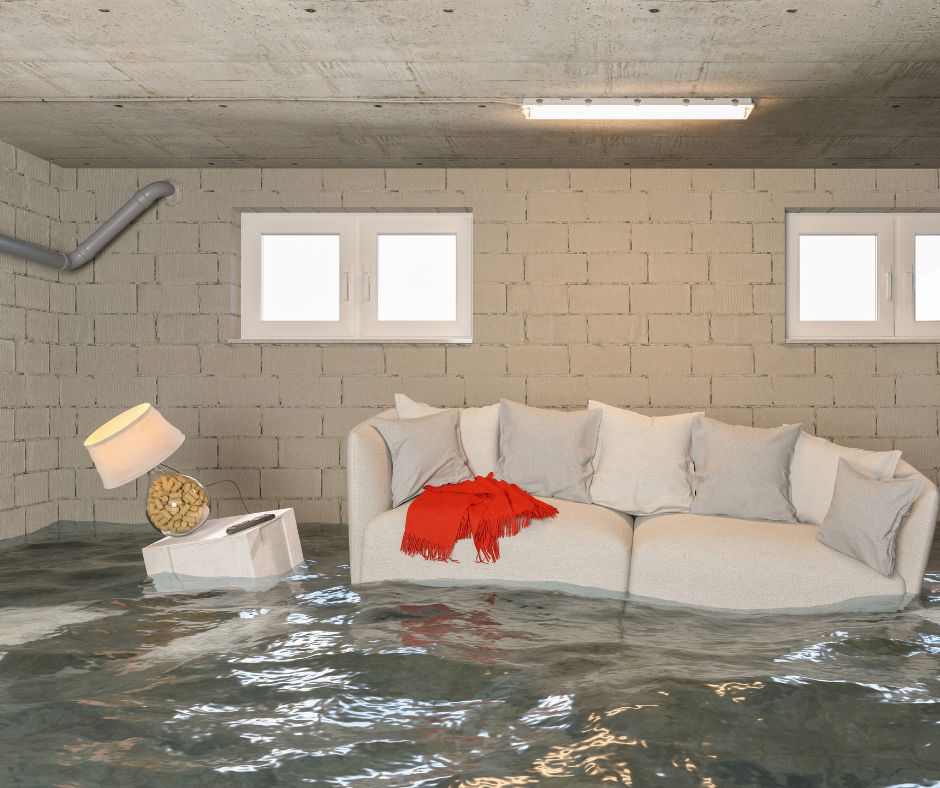
Gurgling floor drains in a Littleton basement are usually a call to action, something that requires immediate, hands-on solutions. Stagnant water in the drain can indicate a nearby blockage or a more serious issue in the plumbing. The U-shaped trap that retains a couple of inches of water is standard and prevents the smell of sewer gas. If that water is backing up, bubbling, or smelling, you need to track down the source before it gets worse. Climate, pipe slope, roots, sump pump function, and municipal conditions all play a role in diagnosis and repair.
Local plumbers suggest some obvious measures to avert and combat gurgling drains. First, look for standing water and slow flow. Flush a gallon of water in the floor drain monthly to keep the trap primed and to expose slow drainage. Check the exposed trap and clear open grates or strainers. If the drain is sluggish with a clear trap, have a camera inspection to find clogs, tree-root invasion, or broken pipes. Validate the pipe slope; a usual slope of 6 mm (approximately 1/4 inch) per 30 cm (1 foot) is required so that gravity drives water away. For homes with basements, keep that sump pump running as your first line of defense and consider a secondary pump or a backflow valve to protect against municipal backups, especially in areas where old infrastructure poses an increased risk.
Homeowners’ Troubleshooting Basement Drains: 6 Common Mistakes. They dump corrosive chemicals down the drain praying to dissolve the clog. These can eat through old pipes and pollute the environment. They depend solely on sight for checks and bypass camera inspection, overlooking root intrusions or collapses. They ignore climate effects: dry conditions can shrink soil and shift pipes, worsening leaks and clogs. They take their sump pump at face value — no float switches, no extra power sources, no redundancy. They don’t check the pipe slope or outside connection to municipal lines, which can obscure the true issue.
New tools ease diagnosis and make repairs less invasive. Miniature sewer cameras enable plumbers to identify blockages, breaks, and root intrusion with no excavation. Small, motorized drain snakes and hydro-jetting machines clear scale, sediment, and roots. While hydro-jetting works like a charm, it needs to be used carefully on older cast-iron pipes. Electronic leak detectors and pressure tests assist in locating concealed fractures. For tracking, smart sump pump alarms and remote sensors alert of outages before water hits the basement.
Basement maintenance checklist for Littleton homes: Pour a gallon of water into the floor drain monthly, inspect and clean drain covers, test the sump pump and backup power, schedule a camera inspection every few years, trim trees near sewer lines, and confirm pipe slope and municipal cleanout access.
Conclusion
A gurgling floor drain in a Littleton basement is a symptom of trapped air and uneven flow in the drain line. Most instances result from a step clog, a trapped vent or an extended run that traps water. Simple checks cut the work: clear the trap, run water, and listen. Snake or hydro-jet services are available for stubborn blockages. In winter, be on the lookout for shifting ground or frozen vents that redirect flow. Local plumbers know the ground and pipe types typical in Littleton and can identify problems immediately.
For a steady fix, pick the option that matches the cause: clean trap for a quick win, vent work for airflow issues, and pro cleaning for deep clogs. Call a plumber if the gurgle persists or you notice sluggish drains. Need assistance locating a vetted local professional or a DIY checklist? I can drag in options and local tips.
Frequently Asked Questions
Why is my Littleton basement floor drain gurgling?
Gurgling is generally a sign of air being trapped in the floor drain or sewer line. Typical culprits are partial clogs, a clogged vent, or sluggish wastewater. Local root incursion and winter ground heaves can play a part.
Can a gurgling floor drain indicate a health risk?
At times, sewage backups can release bacteria and odors. If gurgling is associated with a sewage smell or backups, stay clear and call a professional immediately.
How can I quickly check the cause myself?
Run water in adjacent drains and see. If more than one fixture gurgles, it’s probably a main sewer or vent problem. For small clogs, try a plunger on the floor drain. Pause and call a plumber if in doubt.
Will a homeowner prevent gurgling with regular maintenance?
Yes. Periodically clean drain grates, do not flush grease or solids, and get your sewer lines scoped every few years. This prevents blockages and helps you save on repair costs.
When should I call a professional plumber in Littleton?
Call a plumber if the gurgling persists after such checks, if more than one fixture is gurgling, or if you detect a sewage odor. Call after heavy storms or freezes when local conditions can exacerbate issues.
Could weather or local soil affect my basement drain?
Yes. In Littleton, freeze-thaw cycles, shifting soil and tree roots can stress pipes and cause blockages or misalignment, resulting in gurgling. Refer to local conditions to your plumber for quicker diagnosis.
Are there safe DIY fixes I should avoid?
Steer clear of chemical drain cleaners for main sewer issues. They can weaken pipes and burn technicians. Don’t excavate without having utility locates. Try a plunger or a drain snake for smaller blockages and then bring in the pros for anything else.

Key Takeaways
Unstable soil, bad compaction, water runoff, plants, and decaying materials are common causes of a sinking or leaning outdoor…
Key Takeaways
Douglas County requires annual backflow preventer testing on most sprinkler systems and documentation to keep from being fined…