
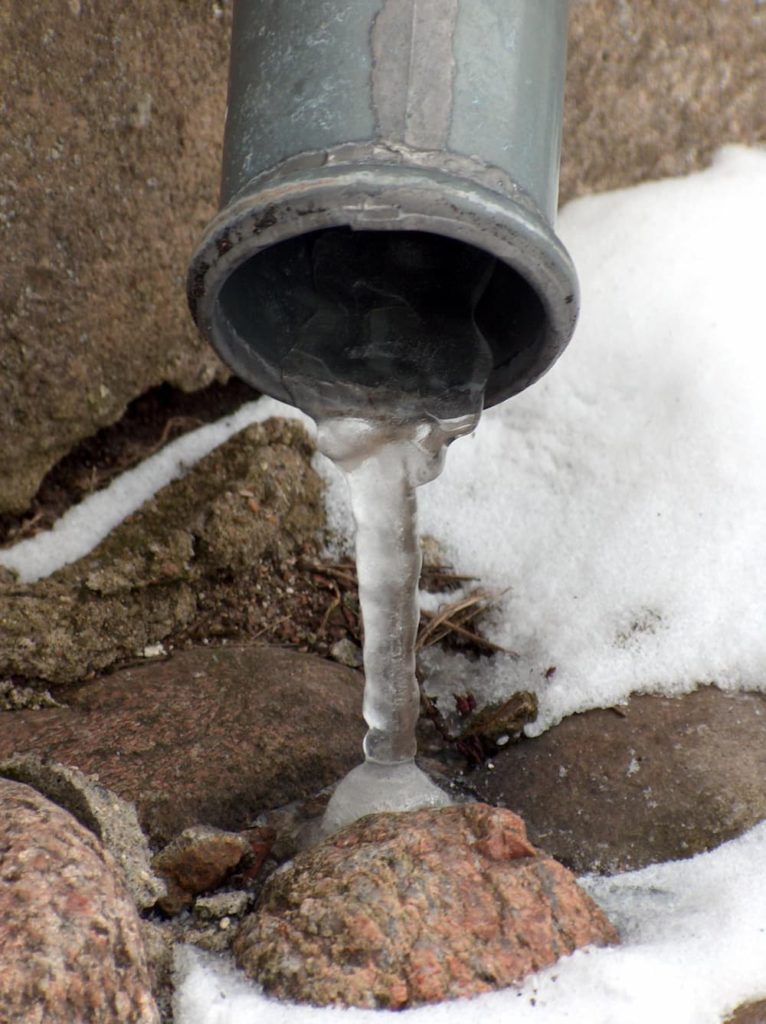
Frozen condensate line on a high efficiency furnace in Castle Rock, CO
Key Takeaways
-
Subzero outdoor temps in Castle Rock put high efficiency furnace condensate lines at great risk of freezing. Insulate exposed pipes and possibly reroute susceptible sections indoors to minimize exposure.
-
As for the condensate drain, make sure it has a continuous downward pitch and replace or rehang sagging or undersized PVC so water does not pool and freeze.
-
Be on the lookout for trouble like error codes on the furnace display, visible ice or standing water in proximity to the furnace, odd pump noises, or musty odors and note down findings for technicians.
-
Safely thaw by shutting down the furnace before thawing and heating it gently with a heating pad or hair dryer. Then flush the line with warm, not boiling, water or a wet/dry vacuum, never with an open flame or excessive heat.
-
Call a licensed HVAC tech for stubborn freezes, pump meltdowns, or installation hacks and inquire about professional fixes like heat tape, proper insulation, and upgraded condensate pumps.
-
Take care of frozen condensate lines immediately to prevent water damage, furnace shutdowns in subzero temperatures and cracks in PVC caused by multiple freeze-thaw cycles.
A frozen condensate line on a high efficiency furnace in Castle Rock is a clogged drainpipe that prevents condensate from draining out of the unit. Cold weather and bad slope tend to freeze the pipe and cause shutdowns and leaks. These types of local hard freezes coupled with long run times can cause repeat blockages to occur. The body explains how to locate the freeze point, safe thaw steps, and preventive fixes for reliable winter heat.
Primary Causes
A frozen hvac condensate line occurs when water remains in an exposed segment of pipe, and winter cold reduces the pipe temperature to below 0 °C. High-efficiency heating and cooling systems generate condensate constantly, and when that liquid cannot exit the system due to design, routing, or failure, it can pool, freeze, and block flow. Drain design is first to identify the root cause.
1. Subzero Exposure
Prolonged below freezing temperatures in Castle Rock increase the likelihood that any exposed drain segment will freeze, which can be a significant issue for your HVAC system. Sudden overnight dips into subzero temperatures are particularly dangerous since a pipe that was wet during the day can freeze by morning. If you identify any exposed run segments, insulate them with closed-cell foam or heating tape sized for the pipe diameter to keep the water above freezing. Wind chill accelerates heat loss, impacting both your heating and cooling efficiency. A wind-swept exterior wall will freeze a drain line faster than a protected one, so attempt to deflect lines from prevailing winds or route lines along the warm side of the wall. Relocating fragile lines inside or through conditioned crawl spaces decreases exposure and the risk of repeat freeze-ups.
2. Incorrect Pitch
A drain that is not a consistent downward slope can lead to significant issues with your HVAC system, as it holds standing water in pockets. When water pools, it freezes before moving water, causing ice to spread back upstream until the trap becomes a solid plug. Therefore, don’t treat the HVAC condensate line with flat or even upward runs, and verify that your fittings and hanger spacing sustain a consistent fall toward the drain. Following any service or repair, check the pitch to ensure proper heating and cooling performance. Incorrect reassembly or sagging hangers can introduce fresh pockets of standing water, so rehang sagging segments and fix minor dips immediately to maintain efficiency. Small slope adjustments can repair flow and avert freeze formation.
3. Pipe Diameter
Undersized PVC is more likely to clog and freeze, which can lead to significant issues in your HVAC system. A narrow pipe contains less water and constricts flow, gathering debris more easily and forming freezing pockets. To ensure proper function of your heating and cooling systems, match the pipe diameter to the furnace maker’s specifications and replace any run of reduced diameter based on previous repairs. Comparing the installed size with an HVAC reference chart is an obvious place to begin making things right if a pipe is too small.
4. Terminal Placement
It’s crucial to consider where the HVAC condensate line discharges. Terminals that release adjacent to foundations, paths, or low areas can cause puddling and refreeze, leading to potential issues with your heating and cooling system. Raise the terminal above average snow or consider a drain extension or splash block to direct water away from buildings, preventing dangerous ice formation on sidewalks.
5. Mechanical Failure
Failed condensate pumps, stuck float switches, and clogged traps can all lead to backups that cause freeze issues in your HVAC system. An annual furnace tune-up is essential for identifying failing pumps and sensor issues, ensuring your heating and cooling systems function efficiently. Unclog or replace these components and unblock drains to revive flow and prevent costly repairs.
System Diagnosis
Begin with a concise framing: Diagnose frozen HVAC condensate lines by combining electronic fault codes, targeted visual inspection, and checks for water backup in your heating and cooling system. Record it all to facilitate quick repair and minimize return trips.
Error Codes
Check the furnace display panel for error codes that identify issues with the HVAC system, such as condensate or pump faults. Once you have the codes, cross-check each one in the manufacturer manual to map them to the likely component, such as the trap, drain line, pump motor, or float switch. After repairing the suspected cause, reset the heating and cooling system and see if the code returns. A recurring code zeroes in on some mechanical or installation problem lurking under the surface. Log each code, date, fix, and result in a checklist, as repeat codes tend to point at seasonal reasons for problems, which are useful history for an HVAC technician.
Visual Checks
Check the HVAC condensate line from the furnace exit to line termination. Identify ice lumps on the pipe’s exterior or at the point where the line leaves the building. A frozen pipe typically occurs after a cold overnight temperature and appears as solid, frozen lumps close to pipe bends or low points. Look around for water stains, wet insulation, or cracked pipe sections due to ice expansion. Even tiny splits can quickly sprout and result in leaks, potentially leading to costly repairs for your heating and cooling system. Inspect for sagging or disconnected parts that hold water. Manufacturer instructions require an uninterrupted downward slope of at least 6 mm per 30 cm (a quarter inch per foot) and pipe sized at least equal to the furnace outlet. Employ a flashlight and mirror for tight spots and record any corrosion-prone materials, as condensate is mildly acidic and necessitates non-corroding pipe.
Water Backup
Water standing in the furnace cabinet or pooled in the drain pan indicates a clogged hvac condensate line. Listen for pump noises: a humming or clicking pump may be stalled by ice or debris, while a silent pump with water present could indicate electrical or float switch failure. Musty or sour smells indicate stagnant water and emerging mold in the drain system and should be cleaned. Symptoms of water backup include issues with your heating and cooling system.
-
visible standing water in the drain pan or cabinet
-
recurring tripped switches stopping the furnace
-
damp or discolored ceilings or walls near termination points
-
Stubborn mildew odors follow short system operation. If the system has sat for months, check and re-prime the trap with water prior to first startup. A primed trap stops sewer air and allows for drainage. The standard repair involves defrosting the line, verifying the trap contains water, then determining why freeze occurred. Possible reasons include a slim slope, exposed piping, too small a line, or missing insulation. If you smell gas or see electrical sparks, turn off power and gas, and contact a professional right away.
Safe Thawing
If your high-efficiency furnace in Castle Rock appears to have a frozen condensate line, safe thawing is the first concern to keep your appliance safe and your indoor safety intact. A frozen condensate line can cause issues with your HVAC system, as it activates safety controls that shut burners off due to improper drainage. For safe thawing, turn off the furnace prior to any thawing to minimize the risk of electrical shock, burner cycling, or improper operation. If your CO alarm sounds even once, get everyone outside and call 911 first. If you see ice inside a roof vent or deep in the pipe, call a licensed HVAC technician—these cases require professional care.
Apply Warmth
To address the issue of a frozen HVAC condensate line, wrap the frozen portion with a warm towel or a low-wattage heating pad. This method gradually warms the temperature and minimizes stress on the PVC. You can also use a hair dryer on low, running it along the pipe while ensuring you don’t hold it in one spot to prevent hot spots. Setting a small space heater to warm the air around the pipe, rather than the plastic—which could warp—can help in defrosting. Monitor the thawing process closely to detect any softening, leaking, or melting of the joints, and if you notice any deformation, it’s best to call a technician for your HVAC system.
-
Safe thawing tools and methods for homeowners: * Warm towel or cloth soaked with hot water and tied around the pipe.
-
Low-wattage electric heating pad on low or medium.
-
Hair dryer on low setting, kept moving.
-
Space heater nearby to increase the temperature.
-
Warm, not boiling, water used gradually and cautiously.
-
Wet/dry vacuum for suctioning up water.
-
Long-reach lamp with protective guard, low wattage only.
-
Insulating the exposed line after thawing with foam pipe wrap.
-
Flush Lines
-
Safely thaw too. Pour warm (not boiling) water into the drain line, a cup at a time, to clear residual ice and loosen debris. Avoid too much at once or you risk flooding an indoor pan.
-
Employ a wet/dry vacuum at the drain termination to softly suction melted water and loosened clog material. Form a seal on the exit for more suction.
-
Rinse the line with a gentle cleaner, such as diluted vinegar or an HVAC-safe detergent, then warm water to clear away residue that will refreeze.
-
Repeat the warm water flush or vacuum cycle until it flows free. If flow is still restricted or ice returns, cease and phone a pro.
Reset System
Turn on the power again after ensuring the HVAC condensate line is both clear and dry. Hit the furnace reset switch or just follow the manufacturer’s restart steps. If you’re not sure, check the manual. Safe thawing involves several short heating and cooling cycles while observing for normal drainage and no error codes. Note the reset date and any performance shifts for maintenance history. If issues repeat, have a trained technician examine the heating system and insulation to avoid future freezes.
Technician Solutions
Technician solutions emphasize cause diagnosis, unfreezing, and installing permanent fixes. A licensed HVAC technician must check the entire condensate path and related controls in cases where freezing is recurrent or extreme. They will check not just the condensate trap, but also the furnace pressure switches and safety controls because repeated water backup can impact more than one element and result in error codes or shutdowns. To prevent bigger breakdowns, technicians need to conduct this check before winter and act quickly when there is water, error codes, or unexplained shutdowns, especially in an HVAC system.
Technician Solutions – Have a licensed HVAC technician inspect and repair any stubborn or severe condensate line freezing. They will follow the condensate line from the furnace to the drain, remove any clogs, and ensure there is a proper slope and venting. They’ll test the condensate pump and replace it if necessary, because a weak or failing pump lets standing water freeze quickly. Technicians will ensure the drain trap is properly sized and installed and validate that the pressure switches function within specifications. If safety controls continue to fail, the tech will identify whether the underlying problem is mechanical, electrical, or a drainage issue related to the heating and cooling system.
Have heat tape or insulation professionally installed on susceptible pipe sections. Technician Solutions Technicians can install external heating cable or self-regulating heating cable inside the condensate drain pipe. Internal strategies are generally favored for ease. A self-propelling cable can be rolled inside half-inch ID pipes (minimum 0.485 inch). Exterior heating cables can be overlapped with no risk of overheating and can protect exposed runs where interior routing isn’t feasible. Insulation combined with heat tape minimizes heat loss and decreases the chance of freezing in unheated areas, which is crucial for maintaining your HVAC performance.
Have the technician check the condensate pump and replace it if needed. A pressure test and run test under load demonstrate whether the pump removes water quickly enough. Pump failure raises standing water and strains pressure switches and safety controls. Fixing a borderline pump is cheaper and less intrusive than a mid-winter frozen, flooded, or furnace shutdown, which can lead to higher costs in HVAC repairs.
|
Technician Solution |
What they do |
Benefit |
|---|---|---|
|
Full system inspection |
Check trap, switches, safety controls, slope |
Finds root cause before failures spread |
|
Install internal heating cable |
Feed self-regulating cable into pipe ≥0.485 in ID |
Simple, clean, effective anti-freeze measure |
& put them on your outside heat tape & insulation | Wrap exposed runs, lap permitted. Guard long or exposed sections | | Test and replace condensate pump. Load test and replace if weak | Stops standing water and back-ups |
Critical Risks
A frozen condensate line on a high-efficiency furnace generates multiple immediate risks to your equipment, home, and safety. Understand what breaks, why it breaks, and where the holes are so you can intervene before minor things turn into major fixes.
A frozen drain line will typically trip the furnace. The furnace detects the clogged drain via pressure switches or a full drain pan and locks out to avoid water overflowing. That shutdown brings heatless cold weather into a home and can cause pipes and other systems to perish from temporary low indoor temperatures. In areas that experience extended sub-freezing cold snaps, a shutdown can rapidly become a potential category for burst pipe dangers and occupant unease.
Water backups from a plugged condensate line wreck more than just the drain. Backups, even repeated backups, can foul pressure switches, clog drain traps and trip safety controls. Electronics exposed to moisture can corrode or glitch, leading to ongoing service visits and part replacements. Carbonic acid in condensate eats through metal parts and can damage seals and fittings, which makes repairs more common and sometimes less than fully curative.
Exposed or badly routed condensate lines are prime freeze points. Sections that run through unheated attics, crawlspaces, or exterior walls can freeze to sub-zero temperatures and create ice plugs that stop flow. Design inadequacies like insufficient slope, lengthy horizontal stretches, or undersized pipes lead to standing water and freezing. Insulation gaps and no heat tracing where it is needed transforms a manageable wet drain into a frozen clog.
Freeze/thaw cycles cause mechanical stress on PVC and other materials. Ice expansion can crack or split piping, cause leaks within walls or floors, and necessitate section replacement or rerouting. Repair costs increase when the damage is concealed behind finishes. Empty units and retail spaces are particularly vulnerable since there is no one around to observe early warning signs such as sluggish drains or error codes.
Covers these critical risks. Inspect condensate paths before cold seasons, slope and insulate or drain pan, clear clogs, and run heat-trace tape on exposed runs. Tackle design shortfalls ahead of a freeze event, not after. Apartment managers should winter check vacant apartments and test furnaces under load. Ignore early indications and you risk bigger collapses, water damage to finishes and contents, and repeat emergency repairs.
Critical risks at a glance:
-
Furnace shutdowns leaving spaces unheated and vulnerable.
-
Water leaks and property damage from overflowing condensate.
-
Corrosion of components due to carbonic acid exposure.
-
Damage to pressure switches, drain traps, and safety controls.
-
Cracked or split PVC from freeze-thaw cycles.
-
Higher risk in poorly designed or uninsulated drain runs.
-
Increased exposure in vacant or unmonitored properties.
-
Escalating repair costs when early signs are ignored.
Modern Adaptations
Modern adaptations lower the chances of a frozen hvac condensate line on a high efficiency furnace in Castle Rock by integrating native features, additional heat, smarter controls, and drainage and insulation retrofits. These actions address issues related to heating and cooling, such as what freezes, why it freezes, where the weak points are, and how to prevent doing it again. Here are the main choices, their applications, and examples to help you choose for both residential and small commercial locations.
Upgrade to high efficiency furnaces with built-in freeze protection features for added reliability
Most newer high efficiency furnaces come with factory-designed freeze protection, which is crucial for an effective HVAC system. More modern adaptations of these heating and cooling units route condensate and venting to reduce exposed cold spots and can even utilize internal routing that keeps drains within the conditioned envelope. Opt for models that specify freeze protection or condensate management. For example, a unit with an internal condensate trap and enclosed drain path will resist freezing better than one with an external trap. If swapping out older furnaces, verify the new unit’s condensate path and if extra insulation or a tiny in-line heater is suggested by the manufacturer.
Install smart thermostats to monitor and maintain consistent indoor temperatures during cold snaps
Smart thermostats assist with maintaining minimum indoor temperatures consistently, which is crucial for your HVAC system to function efficiently. This minimizes the possibility that HVAC condensate lines running near exterior walls will fall below freezing. Schedule low temperature setbacks judiciously, but never to a setting that allows interior air to drop below approximately 10 to 12 degrees Celsius, depending on the insulation of the building. Most clever devices dispatch notifications when indoor temperatures sink, and a few even tie into heating and cooling alerts so you can intervene before lines freeze. For example, remote monitoring lets an owner raise the heat from a phone when an overnight cold front is forecast.
Incorporate condensate pumps with automatic shutoff and alarm systems to alert homeowners of issues
Condensate pumps with float switches and audible or networked alarms stop overflow and alert of blocked or frozen drains in your HVAC system. To ensure proper heating and cooling, seek out pumps with auto-shutoff to halt the furnace if drainage should fail, along with models that feature a simple alarm relay for integration into a home automation setup. A pump with dry-run protection and a Wi-Fi alarm will stop the furnace and send a text when the HVAC condensate line is frozen or blocked.
Retrofit existing HVAC systems with improved insulation and drainage solutions to prevent future freezing
Retrofits often utilize heating cables, heat tape, and pipe insulation, especially in HVAC systems. Self-regulating heating cables can be custom-ordered to length and plug nearby, making them ideal for heating and cooling applications. They can be externally overlapped without overheating risk and work on pipes as small as 12 mm (1/2 inch). Internal heating cable installs are clean and effective but can be inappropriate where condensate is acidic; check materials compatibility. Routine winter inspections, slope for drainage, and sealed penetrations through exterior walls round out the retrofit philosophy. For example, adding external heat tape and upgraded insulation around an exposed drain on an exterior wall prevented repeated freezes at a small office.
Conclusion
It can halt a high-efficiency furnace quickly. Left unchecked, it will lead to water damage, system shutdown, and expensive repairs. OBVIOUS SIGNS OF A FROZEN CONDENSATE LINE
Drip pan overflow, abnormal burner cycles, and error codes associated with drainage are the most common indicators. Simple fixes often work: warm the line, clear the trap, and check slope and venting. Better solutions come from the pro who checks your condensate pump, replaces cracked PVC, and applies insulation or a wet location rated heat tape. Castle Rock, frozen condensate line on high efficiency furnace. Cold snaps increase the risk, so regular inspections pre-winter reduce the chance of freeze. If you see any drain issues, schedule a local tech for an inspection. Be proactive and prevent a mid-winter breakdown.
Frequently Asked Questions
What causes a condensate line to freeze on a high-efficiency furnace in Castle Rock?
Frozen HVAC condensate lines occur when standing water in the drain pipes freezes, often due to issues like bad insulation or a blocked trap. In Castle Rock, cold local temperatures increase the risk of this heating and cooling problem.
How can I tell if my condensate line is frozen?
Indicators of HVAC issues include furnace outages, fault codes related to drainage, and water bubbling near the heating system. Additionally, check for ice on the external drain line and listen for strange noises while inspecting the HVAC condensate line.
Can I safely thaw a frozen condensate line myself?
Yeah, if you watch, treat the frozen HVAC condensate line with warm (not boiling) water, a hair dryer, or a heat gun on a low setting. Stay away from candles and electrical outlets. If in doubt, give a licensed HVAC tech a call for any heating and cooling issues.
When should I call a technician for a frozen condensate line?
If the heating system won’t restart once it thaws, or if you have water damage from a leak in the HVAC system, call a pro to diagnose and repair the issue.
What permanent fixes do technicians provide?
Techs can re-route and insulate the HVAC condensate line, add heat tape, increase slope for drainage, replace traps, or install an indoor condensate pump to prevent issues and enhance heating and cooling efficiency.
What are the risks of ignoring a frozen condensate line?
Neglecting your HVAC system can lead to furnace shutdowns, costly repairs, and issues like flooding or mold due to leaks in the HVAC condensate line.
How do modern furnace designs reduce condensate freezing?
Today’s high-efficiency HVAC systems, including furnaces and heat pumps, are equipped with insulated drain lines and built-in diagnostics, enhancing reliability and reducing the cost of heating and cooling.

Key Takeaways
Aging pipes often cause low water pressure in older Englewood homes and may require inspection or repiping to restore flow.…

Key Takeaways
Unstable soil, bad compaction, water runoff, plants, and decaying materials are common causes of a sinking or leaning outdoor…