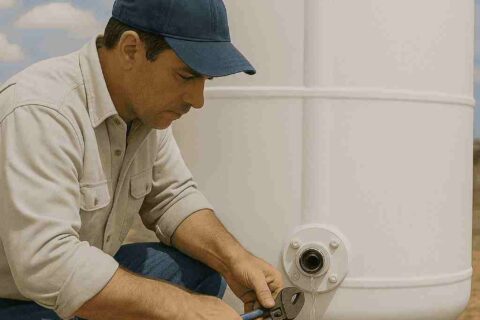
Commercial Rooftop HVAC Units South Denver Energy-Efficient Commercial Heating
Key Takeaways
-
Select rooftop units sized to your building’s total heating and cooling load for dependable comfort throughout South Denver’s large temperature fluctuations and elevated altitude.
-
Opt for energy-efficient RTUs, cold-climate heat pumps, or hybrid systems to reduce operating expenses and cope with fluctuating seasonal demand.
-
Stick to local codes and permitting, and collaborate with seasoned commercial HVAC installers for safe mounting, sealed and code compliant installs.
-
Implement a preventative maintenance plan with quarterly checkups and annual servicing to maximize unit lifespan and maintain efficiency. Steer clear of crisis repairs.
-
Add new controls and building automation for real-time monitoring and predictive maintenance while enhancing indoor air quality and energy performance.
-
Schedule for lifecycle replacement by tracking service history, identifying signs of aging, and researching financing or rebate opportunities to facilitate timely and economical upgrades.
Commercial HVAC rooftop units South Denver are rooftop heating and cooling systems designed for business buildings in South Denver.
These systems deliver consistent temperature, energy efficiency, and more convenient maintenance access than ground units. Proper selection takes into account building size, insulation, and local climate patterns like wide temperature swings and low humidity.
Service plans and regular inspections extend equipment life and keep energy costs lower. The meat addresses selection, installation, and maintenance stages.
South Denver Rooftop Units
South Denver RTU – Rooftop units in South Denver deliver efficient heating, cooling, and ventilation to commercial buildings at different elevations and different weather. Models are available with gas heat and electric cooling, all-electric as well as heat pump options. Units are designed to operate from approximately 25°F (-4°C) to 115°F (46°C) and many utilize Puron refrigerant and advantages such as ASHRAE 62.1 compliant condensate pans and Axion fan technology for enhanced airflow and reduced energy consumption.
1. Climate Impact
South Denver’s winters can be cold and its summers can be hot, so rooftop units need strong heating and cooling capacity. Dependable backup heat or auxiliary heat is critical when a cold snap hits or when a primary heat source requires maintenance.
South Denver Rooftop Units include high-efficiency RTUs and heat pump rooftop units, some with SEER ratings as high as 15.8, which help control energy bills that fluctuate with wide temperature variations. Routine maintenance, particularly ahead of winter and summer peaks, keeps systems working well and reduces the risk of emergency repairs that cause downtime.
2. Unit Selection
Match unit size and heating capacity to the aggregate load of the building, not square meters. Select from gas heating for consistent heat, heat pump systems for cooling and light heating, or hybrids that toggle modes based on price and situation.
Create a brand, SEER, and AFUE percentage for heat, warranty, and special technology like Axion fans comparison chart to help decisions. Consider modular or scalable RTUs so cooling and heating can grow with the business without full replacement.
3. Local Codes
South Denver and Colorado codes establish standards for energy efficiency, refrigerant handling, and ventilation air rates. Adhere to them carefully. Permits for new rooftop units or major replacement units are required for fines and safety.
Follow code language and refrigerant rule changes because updates can impact equipment selection and service approaches. Facility managers should examine code updates a minimum of once a year.
4. Installation Nuances
Professionally installed by expert commercial HVAC teams for safety and longevity. The right location, secure mount, curb installation, and seals save roof leaks and roof stress.
Incorporate controls and building automation at install so systems operate efficiently and can be tuned remotely. Schedule installs in off-peak seasons to minimize business disruption and provide time for testing.
5. Maintenance Realities
Regular maintenance, including quarterly inspections and an annual service, prolongs its life and maintains efficiency. Key tasks include refrigerant level checks, filter replacement, access panel inspection, condensate pan checks, and thermostat calibration.
Poor maintenance leads to higher bills and busted equipment. Consider commercial maintenance contracts for consistent service, priority repairs, and even budgeting.
Business Advantages
Rooftop commercial HVAC units deliver business advantages that count for building owners and managers throughout South Denver and comparable markets. Their all-in-one design nestles heating and cooling components in a single package on the roof, simplifying service, repairs, and seasonal changeovers and causing less disruption to occupants.
Dependable rooftop units service keeps customers comfortable and staff productive. When systems are properly maintained, temperature remains consistent and indoor humidity remains in range which decreases complaints and absenteeism. For a retail store, steady comfort fuels longer dwell time and more sales per visit. For an office, uniform temperature minimizes distraction and keeps employees engaged.
On-site techs can get to rooftop units without passing through customer spaces, so repairs tend to be quicker and less disruptive to operations.
Energy-efficient rooftop units reduce operating expenses in the long run. Newer units incorporate smarter compressors, variable-speed fans, and better heat exchangers that reduce kilowatt-hour consumption. Pairing an efficient rooftop unit with regular preventative maintenance keeps performance near peak and avoids the efficiency loss that comes with dirty coils or worn parts.
For example, replacing an older rooftop unit with a high-efficiency model can reduce annual energy use by a noticeable percentage, lowering utility bills and lowering total cost of ownership over the unit’s life.
Indoor air quality advantages are obvious with proper rooftop configuration. Centralized rooftop systems simplify the installation and maintenance of filters, UV lights, and fresh-air intakes to satisfy health guidelines. Routine filter replacements and duct inspections minimize particulate and microbial presence, which is important for staff, clients, and auditors in regulated environments.
Adequate air ventilation from rooftop units, for example, can help control CO2 levels and odors, enhance perceived air quality, and reduce health-related complaints.
Business benefits flexible financing and cost options that allow businesses to select systems that fit budgets in Parker and other south Denver communities. Suppliers and contractors frequently provide leases, low-interest loans, or staged payment plans.
Cheaper upfront options might be new but basic efficiency units or refurbished rooftop units with a service contract. Installation is usually faster since the single-unit design minimizes labor and indoor disturbance, and the rooftop location liberates interior space for income-generating activities.
Think of maintenance like regular oil changes. It extends the lifespan and prevents premature failure. High-performing rooftop units help fuel your sustainability goals by reducing energy consumption and emissions.
For business benefits, the dual heating-and-cooling configuration provides flexibility for businesses with fluctuating demand, all with space-saving and easy service access.
Modern HVAC Technology
Modern RTUs mix smart controls, more efficient components and service models that reduce energy consumption while maintaining indoor air quality and thermal comfort. RTUs continue to be popular for commercial buildings as they sit out of the way, are easy to service and can house modular options such as variable-speed compressors, staged heating and on-board control panels that connect to building systems.
These units are designed to reduce operating expenses and achieve energy compliance benchmarks without increasing operational complexity.
Advanced RTU models featuring demand ventilation controls, smart thermostats, and predictive maintenance services
High-tech RTUs use demand ventilation to align fresh-air intake to occupancy and CO2 concentrations, reducing wasted outside-air conditioning. Smart thermostats provide zone-level control and learn schedules to prevent waste.
Predictive maintenance uses sensors and analytics to monitor vibration, refrigerant pressure, and motor current. It alerts to problems in advance of failure, enabling technicians to repair components during scheduled windows.
For instance, a retail plaza might cut unplanned downtime by 40 percent after deploying RTU sensors and cloud analytics, since filter and belt wear issues are detected early. These features provide data to service contractors for remote diagnostics, reducing truck rolls and enabling targeted part swaps.
Compare traditional gas heating systems with cold climate heat pumps and hybrid rooftop heat pump systems for superior efficiency
Old school gas-fired rooftop boilers or furnaces still deliver easy heat but produce CO2 and have part-load inefficiencies. Cold-climate heat pumps maintain a good coefficient of performance at lower temperatures and eliminate fossil fuel usage by transitioning to electric drive.
Hybrid systems combine a heat pump with a gas burner: the heat pump runs when efficient, and the burner kicks in for very low temperatures or peak loads. This blend allows building owners to meet decarbonization targets while maintaining dependable heat.
Across climates, owners should size systems for typical load and include controls that switch modes automatically based on outdoor temperature and price signals.
Integration with building automation systems for real-time monitoring, remote adjustments, and energy optimization
Connecting RTUs to a building automation system (BAS) allows operators to monitor temperatures, humidity, and energy consumption in real-time and implement remote setpoint adjustments. BAS can run sequences to stagger start times, restrict simultaneous demand, and react to utility tariffs.
For data centers, resiliency features such as redundant RTUs and automated load shed extend equipment life and uptime. Remote dashboards store performance trends, which assist energy managers in identifying drifted sensors, incorrect setpoints, or poorly timed schedules.
Optional upgrades: high-SEER cooling, dehumidification systems, and energy-compliant equipment
Upgrades include high-SEER compressors for lower kWh per cooling ton, dedicated dehumidification coils or desiccant wheels for tight humidity control, and UV light or HEPA modules for air hygiene. Electrification and advanced filtration bolster low emissions and healthier indoor environmental quality.
Owners can combine these with commissioning services and ongoing measurement to ensure the savings and comfort promised actually show up.
Energy & Sustainability
Commercial rooftop HVAC in south Denver is central to building energy use and emissions. Today’s rooftop units are light years more efficient than their predecessors, building on seven decades of rooftop HVAC design but engineered to meet stricter standards. Unit upgrades and system redesign can reduce energy consumption, operating expenses and greenhouse gas emissions.
Advance energy efficiency retrofits and decarbonization with efficient heat pumps and low-GWP refrigerants. Heat pumps can consume two to three times less energy than gas heaters because they transport heat rather than create it. Our cold-climate heat pumps now operate at temperatures as low as −22°F, allowing them to provide year-round heating in frigid winters.
Low-GWP refrigerants reduce direct emissions from leaks and future-proof systems against stricter regulations. Replacing a 15-year-old gas rooftop unit with a variable-speed electric rooftop heat pump and R-454B refrigerant can cut annual site energy by 30 to 50 percent depending on building load and controls.
Motivate them to take advantage of commercial heater rebates and energy audits to get the most energy value. Lots of utilities and governments operate rebate programs for high-efficiency rooftop units, heat pumps, and controls. These can represent a significant chunk of upfront cost.
Begin with a professional energy audit to map existing loads, locate duct losses, and properly size replacements. An audit frequently discovers low-cost fixes, such as setback controls, economizer tuning, and demand-controlled ventilation that reduce payback time. For example, an audit identifies 20% duct leakage.
Sealing and balancing, plus a high-efficiency heat pump, can drop energy bills enough to meet simple payback in three to five years. Emphasize the ecological advantages of making the transition to rooftop heat pumps and embracing comprehensive building techniques for sustainability.
Heat pumps minimize onsite combustion and related NOx and CO2. Energy recovery ventilators allow buildings to provide 100% outside air while recovering energy from exhaust, enhancing indoor air quality without significant energy consequences. Holistic approaches that improve insulation, shading, controls, and ventilation together multiply gains.
UHP HVAC systems can save up to 65% compared with older units while improving air quality and occupant comfort. New 2023 DoE standards increase minimum efficiency levels, so upgrades now keep pace with longer-term policy trends.
Sustainable commercial HVAC options:
-
rooftop electric heat pumps with variable-speed drives
-
low-GWP refrigerants (e.g., R-454B alternatives)
-
energy recovery ventilators for fresh-air demand
-
enhanced controls: smart thermostats, demand control ventilation
-
duct sealing and insulation upgrades
-
UHP modular rooftop systems with high SEER ratings
Unit Lifecycle
With good maintenance, a commercial RTU has a life cycle of approximately fifteen to twenty years. Packaged RTUs generally last fifteen to twenty-five years based on the quality of the unit, maintenance, and climate. Lifecycle stages begin with selection and installation, progress into routine maintenance and occasional repairs, and conclude with planned replacement or emergency replacement when the unit ceases to meet performance or cost thresholds.
Facilities that operate twenty-four seven, like data centers or hospitals, accumulate operating hours and start-stop cycles significantly faster than retail sites with fixed hours. As a result, their RTUs wear out faster even if the calendar years are comparable.
When they’re young, an RTU will run at close to its rated efficiency. Typical regular work at this stage is simple filter changes, coil cleanings, system calibration, belt and bearing checks, and controls verification. These prevent minor annoyances from blossoming into full scale meltdowns and maintain productivity.
Failure to perform routine maintenance is a frequent cause of premature failure. A neglected unit can sink to 65 percent or less of original efficiency within a few years, while newer or well-maintained units can retain much higher efficiency.
With mid-life come more repairs and a need for precision strikes. Anticipate increasing parts replacement, refrigerant top-offs and control upgrades. Monitor service history carefully, keeping detailed service sheets that document dates, replaced components, working hours and performance parameters like airflow, delta T and power consumption.
These logs allow managers to identify patterns, such as insidious energy consumption, and make informed choices about repair versus replacement. A practical rule is to multiply the unit age by the cost of a proposed repair. If the product exceeds $5,000, replacement usually makes more financial sense.
The tell-tale signs of an aging or failing unit are frequent call-outs, a decrease in heating or cooling comfort, unbalanced zones, increasing energy consumption and louder mechanical noise. After around 15 years, most RTUs exhibit a noticeable increase in breakdown frequency, elevated repair expenses and diminished output.
Newer models can be up to 30% more efficient than old units, so a loss in performance is not just an annoyance; it is a quantifiable expense. Schedule replacements before failure so you don’t end up with emergency downtime and compressed budgets.
Develop an age, service history, and criticality of space served replacement timeline. For sites with round-the-clock use, speed up the timelines to account for greater damage. Employ planned capital planning cycles, reserve funds, and vendor quotes obtained in advance to smooth procurement.
Keep a strong maintenance schedule and reports so lifecycle decisions are based on facts, not guesswork.
The Ownership Perspective
Owners and facility managers need to understand their fundamental responsibilities for rooftop HVAC units. They have to maintain regular inspections, schedule fixes, record maintenance, and ensure systems satisfy codes and safety regulations. This translates into monitoring filter replacements, belt and motor examinations, refrigerant quantities, and wiring on a predetermined timetable.
It means logging energy consumption and observing shifts in run times or temperatures that could indicate an issue. Owners, when they look at new units, consider insulation, window quality, and building shell tightness because those factors change the load and the size of the unit.
When you partner with a trustworthy commercial HVAC repair company or contractor, select companies with established business experience, licensed, insured, and references on similar projects. A good contractor will size units to match your building’s load, recommend options such as heat pumps versus traditional packaged rooftop units, and explain trade-offs.
Heat pumps often lower energy use and emissions, but they may have different upfront costs and performance in extreme cold. Inquire about emergency response times, parts availability, and if the contractor provides energy audits and commissioning services. Contracts for such should include services, response times, replacement part policies, and compliance documentation.
There are obvious operational advantages to routine upkeep. Planned maintenance maintains machines close to optimal efficiency, minimizing power consumption and avoiding unplanned outages. Your nicely maintained rooftop unit hums happily, runs more efficiently, lasts longer, and does not have an unexpected blowout on a tenant or operation.
Maintenance reduces liability: regular records show due diligence in case of disputes or inspections. For instance, switching out filters on a monthly to quarterly basis and cleaning coils annually can reduce energy penalties and sustain airflow required for occupant comfort.
Enact a facility comfort warranty or maintenance plan to ensure consistent temperature and air quality. A plan connects weekly tasks, seasonal inspections, occupant feedback mechanisms, and indoor air quality indicators like CO2 and particle counts.
Use a tiered approach: basic preventive maintenance, a mid-level service that includes controls calibration, and a premium plan with predictive monitoring and energy tracking. Include clear KPIs: target indoor temperature ranges, acceptable humidity bands, and energy use per square meter.
Consider lifecycle costs when choosing equipment: upfront price, expected service intervals, and typical parts costs. Make sure everything complies with local building codes and regulations and consider any available incentives or rebates for efficient equipment or low-GWP refrigerants.
Conclusion
Commercial HVAC rooftop units south denver save floor space, reduce installation time, and simplify servicing. New units incorporate smart controls, quieter fans, and improved filters. These features reduce energy consumption and assist in meeting local efficiency targets. During a unit’s lifetime, concentrate on consistent inspections, proactive part replacements, and easy improvements. Owners experience less downtime, more consistent indoor comfort, and more transparent cost projections.
As a fast next step, have a site survey and an efficiency audit done. Ask for real numbers: expected run hours, estimated energy use in kilowatt-hours, and payback time in years. Compare parts, services, and savings projected in each quote.
Frequently Asked Questions
What size rooftop unit does my South Denver building need?
Select by building square meters, insulation, occupancy, and equipment heat load. Have a qualified HVAC professional do a load calculation, such as Manual J or its commercial equivalent, to be sure you do not get the wrong capacity or efficiency.
How much does a commercial rooftop unit cost in South Denver?
Prices depend on power and functions. Typical installed prices vary. Anticipate a consultation and detailed quote. Request line item quotes with removal, curb work, and controls.
Are rooftop units reliable in South Denver’s climate?
Yes. Built-in temperature swings and high altitude in mind, modern rooftop units installation, sizing, and seasonal maintenance keep them from icing or having reduced airflow.
How often should I service a rooftop HVAC unit?
Service at least twice a year: spring for cooling and fall for heating. Routine filter changes, coil cleaning, and inspections boost efficiency and unit life.
Can rooftop HVAC units save energy for my business?
Yes. High-efficiency units, variable-speed motors, and smart controls lower energy consumption. It’s important to note that good maintenance and building envelope improvements can multiply savings.
What is the typical lifespan of a rooftop unit?
Between 10 and 20 years depending on model quality, usage, and maintenance. With routine preventative care and timely component replacements, you can push that upper range.
Do rooftop units require special permits in South Denver?
Frequently, yes. Local building codes, permits, and even occasionally historic district rules come into play. Work with licensed contractors for permit submission and code compliance.