
Category: Heating and Cooling Systems
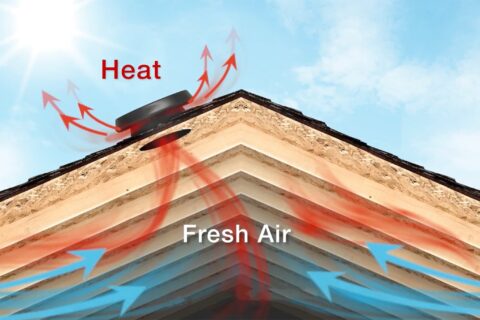
An attic fan pulls superheated air out of your attic and draws cooler air in through soffit or gable vents, easing the load on your air conditioner…
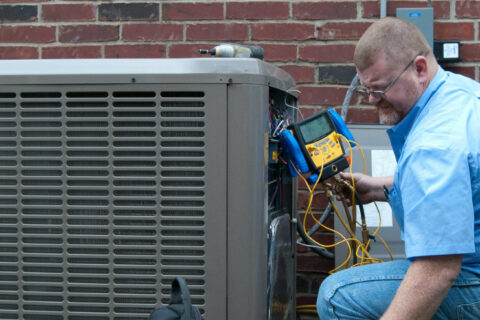
Most HVAC systems last 15 to 20 years, though the range depends on the component: furnaces run 15 to 30 years, central air conditioners 15 to 20,…
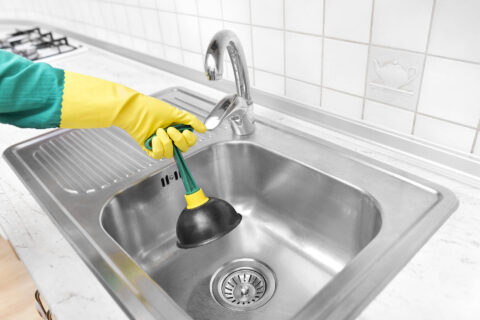
A leak under your kitchen sink usually traces to one of four sources: loose slip-joint connections, worn faucet washers or O-rings, a corroded…
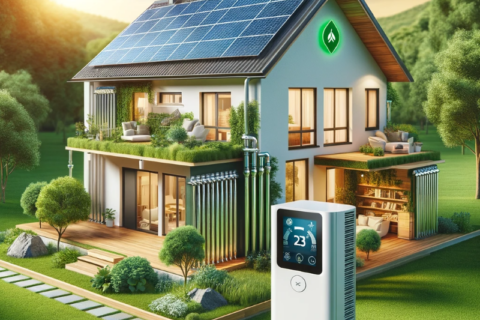
Eco-friendly HVAC upgrades help Colorado homeowners cut energy bills and shrink their carbon footprint while staying comfortable through Front Range…
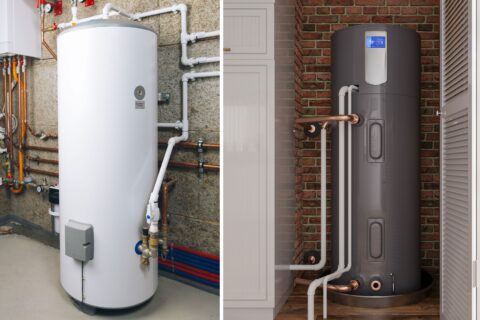
Gas water heaters heat water faster and keep working during a power outage, while electric models cost less to install, fit tighter spaces, and…
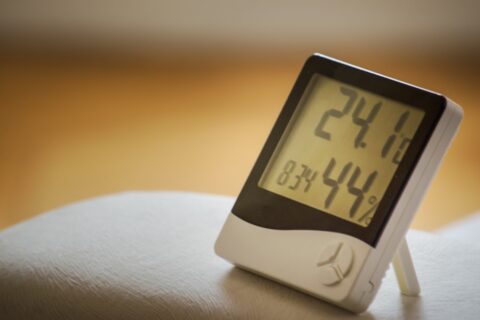
Indoor humidity has a direct effect on your home’s heating efficiency. When relative humidity falls too low, the air feels colder than the thermostat…
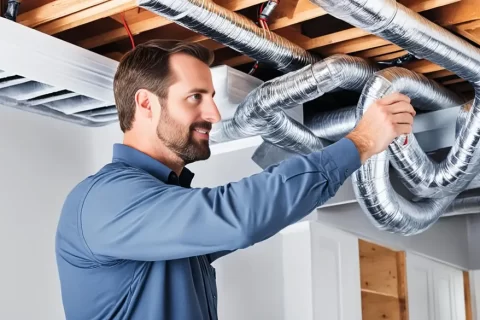
Improved insulation boosts HVAC efficiency by slowing the transfer of heat through your attic, walls, floors, and ductwork. When less heated or…
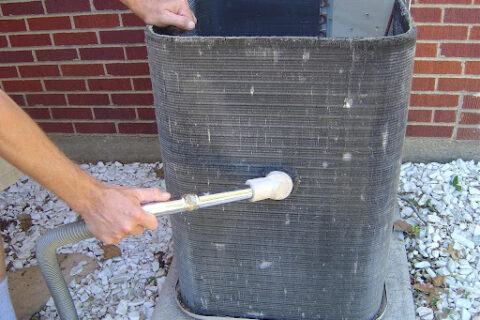
AC condenser coils sit inside your outdoor unit and release the heat your air conditioner pulls from your home. When dirt, cottonwood fluff, and lawn…

Sump pump maintenance means testing the pump, clearing the pit, and checking the battery backup twice a year; replacement typically comes due every 7…
A finished basement needs dedicated HVAC that handles its cool, below-grade air and limited ventilation. For Front Range homes around Parker, the…