
Benefits of Hot Water Recirculation Pumps for Large Castle Pines Homes
Key Takeaways
-
Large, multi-level homes can benefit from properly sized and placed recirculation pumps to deliver hot water quickly and reduce that ‘waiting for hot water’ cold-water waste at distant fixtures.
-
Recirculation systems reduce water waste and save utility costs when combined with timers, demand controls and proper pipe insulation.
-
Using pumps maintains stable pressure and temperatures along long runs of piping.
-
If you’re considering a full hot water recirculation system, dedicated return loops offer the best performance. Thermostatic bypass valves and pump-driven retrofits can provide effective alternatives for existing plumbing.
-
Pump maintenance, insulation inspection, and occasional flushing of the recirculation loop prevent scale build-up and pipe corrosion and prolong the life of the system.
-
Weigh initial expenditures with anticipated water and energy savings and select options such as motion sensors or smart controls to optimize convenience and efficiency.
Hot water recirculation pump advantages in sizable Castle Pines residences. It maintains hot water primed at remote fixtures and reduces consumption when used in conjunction with a timed or on-demand controller. Installation options range from dedicated return lines to comfort systems that use the cold pipe. Castle Pines hot water recirculation pump benefits for large homes.
Architectural Challenges
Large Castle Pines homes face unique hot water distribution challenges due to their size, height, and layout. Extensive pipe runs and multi-level designs can lead to delays in hot water delivery. A well-designed hot water recirculating system, including a dedicated return line and recirculation loops, ensures dependable operation without wasting energy or causing pressure issues.
Address the complexity of hot water distribution in large homes with multiple floors and distant fixtures
Several floors and dispersed bathrooms and kitchens require water to go a long distance from the hot water heater to the tap. Long runs delay hot water delivery to fixtures, which annoys residents and leads to increased water bills due to wasted water while waiting. In practice, it might seem like a basement mechanical system fueling a third-floor master bath and a pool house 30 meters away. A hot water recirculating system is essential to maintain elevated return temperatures without constantly cycling the heater.
Highlight the increased risk of heat loss and pressure drop due to long pipe runs and larger plumbing systems
Long pipes lose heat along their length, so by the time water hits distant fixtures, it’s cooler and needs more run time to warm up. This heat loss can significantly impact energy demand on the hot water heater, leading to higher water bills. To improve efficiency, a hot water recirculating system can be implemented, which reduces the time it takes to deliver faster hot water. Architectural challenges include low pressure at a far fixture that leads to weak flow and slower delivery of hot water. Here, the use of larger-diameter piping in main trunks and insulation rated to at least 25 mm around runs can help mitigate these losses.
Emphasize the need for tailored recirculation solutions to overcome cold water lag in expansive layouts
A one-size-fits-all pump hardly ever works in a sprawling home, making a hot water distribution system crucial. A customized solution may include using a combination of a high-capacity zone pump for the main trunk and smaller branch pumps near clusters of fixtures. Another alternative is a distributed hot water recirculating system with thermostatic bypass valves at branch ends to prevent continuously running pump heads. For outdoor or detached structures, consider a separate loop and local pump. Controls matter: timed schedules, temperature sensors, and smart controllers can cut run time while keeping hot water on demand.
Identify the importance of proper sizing and placement of recirculation pumps to match unique architectural demands
Pump sizing for a hot water recirculating system takes into consideration total loop length, number of branches, fixture flow rates, and head loss from fittings. It’s important to plan pumps near heat sources for main loops and near fixture clusters for remote zones to ensure faster hot water delivery. Be sure that check valves prevent backflow between zones while isolation valves permit service without draining entire systems. Good location and sizing save energy, increase comfort, and extend the service life of the plumbing system.
Core Benefits
Cassidy homes in large Castle Pines contend with long pipe runs, multiple floors, and dozens of fixtures. A hot water recirculating system solves all of these issues by providing faster hot water, conserving water, stabilizing pressure, reducing energy consumption, and safeguarding plumbing. The subsections below detail the real-world benefits and provide concrete methods for homeowners to quantify and control them.
1. Instant Access
Instant hot water reaches showers, sinks, and tubs even in far away bathrooms or kitchens, eliminating waits that disrupt daily habits. A hot water recirculating system ensures that remote guest suites and finished basements receive the same quick response as primary bathrooms, sustaining more high-end lifestyles. On-demand activation through push-button or motion sensor provides exacting control so the hot water heater recirculation pump operates only when necessary, sidestepping continuous circulation. For instance, a homeowner could program a motion sensor in the laundry room so hot water reaches the washer in seconds instead of pouring cold water into the floor drain for minutes.
2. Water Conservation
Core benefits of a hot water recirculating system include recirculating unused hot water back to the heater, which significantly slashes the gallons wasted daily while waiting for temperature rise. In a typical big house, this adds up to conserving tens of liters per fixture per day. Monitoring before and after water meter totals makes the results tangible. Additionally, timers or motion sensors can restrict pump operation to high-use windows, such as mornings and evenings, further curtailing waste in regions with water stress, ultimately providing faster hot water delivery when needed.
3. Pressure Balance
Big homes typically experience pressure drop at far taps with several fixtures running, making a hot water distribution system essential. Recirculation pumps maintain flow by circulating water through extended pipe runs and across different floors, which balances flow rates and minimizes temperature fluctuations at end fixtures. Pressure-balancing valves along with a recirculating pump pair with the pump to ensure consistent psi throughout the house. There will be no more cold shower turn-offs or complaints concerning weak flow, provided architects and plumbers design the loop layout to match the home’s circulation requirements.
4. Energy Efficiency
When combined with timers, demand controls, or smart thermostats, a hot water recirculating system can be limited to only when it’s needed, significantly reducing standby losses. By insulating the entire loop and individual runs, heat loss from pipes is minimized, so less energy is required to maintain water in the tank at set temperatures. Comparing traditional and recirculating systems highlights trade-offs: modest extra pump electricity versus lower water heating demand and reduced hot water waste. Core advantages include efficient pump motors and smart controls that lower overall operating costs and can deliver shorter paybacks in larger homes.
5. Pipe Longevity
Consistent flow in a hot water recirculating system decreases thermal stress and expansion-contraction cycles in copper or PEX, extending the life of joints and fittings. Active circulation in the hot water distribution system restricts mineral deposits and corrosion by preventing cold water from sitting for extended periods. Frequent inspections of insulation and fittings avoid leaks and maintain the loop’s efficiency, ensuring faster hot water delivery.
Modern Configurations
Modern recirculation configurations for large Castle Pines homes differ by design, control strategy, and heater type. Here’s a refresher that frames typical system configurations and how they scale to sprawling, open-concept homes before we discuss particular layouts.
-
Dedicated loop with central pump is best for new builds, has low wait times, has a higher install cost, and is easy to balance.
-
Distributed pumps at branch risers are good for phased retrofits, lower pipe runs, and need multiple controls.
-
Crossover/bypass retrofit uses a thermostatic valve at the fixture or manifold, the lowest pipe work, and may add cold-water warming.
-
Zone-based recirculation with multiple pumps is tailored for large estates. It offers energy savings when paired with smart controls and has higher complexity.
-
Thermosiphon (gravity) loop is passive, has no electric pump, and is limited to small elevation differences and short runs.
-
Hybrid systems: pump-assisted thermosiphon or variable-speed pumps with demand controls is both comfortable and efficient.
Gravity-fed thermosiphon loops and pump-driven thermosiphon loops rely on natural convection. Hot water rises while cooler water sinks. They require switchback loop elevation and short runs in order to operate.
Pros: no electrical use, simple hardware, low maintenance.
Cons: limited reach in large homes, slow response, potential for heat loss if run continuously, and poor control over when hot water is at fixtures.
Pump-driven systems push flow and can support great distances and many branches.
Pros: fast delivery, precise control, can use demand activation to save energy and water.
Cons: require power and periodic maintenance, higher upfront cost, possible noise and small standby energy draw if not well controlled.
Compatibility with common water heaters:
-
Tankless (on-demand) heaters work well if pump control and minimum flow are managed to avoid short cycling. They are best paired with smart controls and buffer tanks when runs are lengthy.
-
Storage tanks: straightforward pairing. The pump pulls from the hot outlet and pushes to the cold inlet or dedicated return. Sizing should avoid temperature layering problems.
-
Heat pump water heaters are compatible but require careful return placement to avoid cooling the tank top and reducing the coefficient of performance. Insulated returns and controlled pump cycles preserve efficiency.
Building science considerations inform location, insulation, and controls. Reduce pipe heat loss as much as possible with insulated copper or PEX and short routing. Configure loops to extend to distant bathrooms and kitchens without having too large a diameter that creates noise or pressure drop. Proper pipe sizing balances flow rate and pump horsepower. A pump that’s too big can cause noise and wasted energy. Think thermal zoning, setback schedules, and integration with your home automation for demand activation. Air sealing and mechanical room layout matter: locating the heater centrally reduces run length and improves overall system performance.
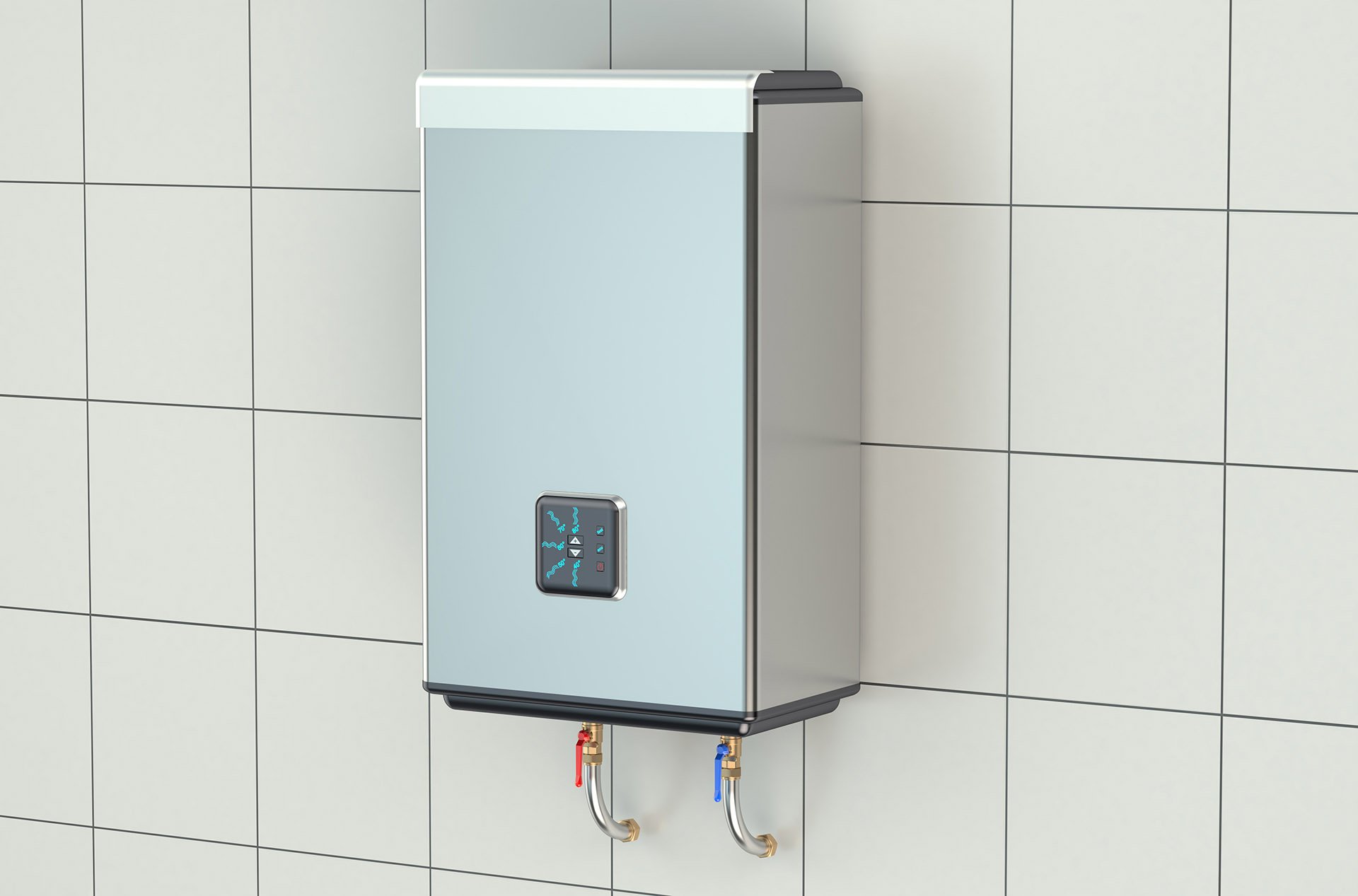
Dedicated Loops
With modern configurations, install dedicated return lines sized to meet fixture demand and pump capacity. Serve every key fixture including remote baths and kitchens.
Line insulated copper or PEX along the loop minimizes heat loss and maintains high return temperatures. This decreases recycle time and energy waste.
Design pipe diameters to optimize flow and pressure drop. Too little increases friction and too large impedes velocity and delivery.
Bypass Valves
Bypass valves at fixtures or manifolds send cool hot-line water back into the cold supply when a pump runs (retrofit).
This allows extra cool water to feed back to the heater through the cold line, preserving waits without complete re-piping.
Select thermostatic bypass valves to shut off flow when hot line water reaches set temperature and prevent overheating.
Easier to install and maintain than full-loop retrofits, can slightly warm cold taps after extended recirculation.
Demand Activation
Modern Configurations – Install push-buttons or motion sensors to activate the pump only when residents require hot water, located in bathrooms, kitchens, and laundry.
This eliminates energy and water waste over continuous operation and can be connected to timers for consistent schedules.
Intelligent systems enable remote start and scheduling. Variable-speed pumps scale flow to demand for quieter, more efficient operation.
Strategic Integration
Strategic integration primes a hot water recirculating system to provide reliable, speedy hot water with little waste. Begin by evaluating the house’s plumbing blueprint, water heater position, and everyday access points. This provides a much clearer sense of where to locate the pump, what loop configuration will be optimal, and what trade-offs there are between initial investment and saving over time.
Plan the installation of the hot water heater recirculation pump with basement renovations or new construction for seamless integration. While the basement is open, run your main supply and return lines in straight, short runs and place pump wirings and controls where your electricians and HVAC contractors can easily access them. For example, placing the pump near the water heater and routing a dedicated return line through a utility chase avoids later drywall cuts. If retrofitting the pump post-wall finishing, consider an under-sink point-of-use loop for remote toilets or a cold-line return retrofit kit; both minimize hassle but can sacrifice peak efficiency.
Map out the hot water runs for the lowest possible pipe length. Strategically map paths so the loop supplies clusters of fixtures together—such as the kitchen, master bath, and guest baths—rather than long zigzags that increase lag time and heat loss. Employ larger mains with smaller branch lines to minimize flow resistance and cluster high-use fixtures on the same loop to maintain low pump run time. For larger homes with several wings or stories, place zoned loops with individual pumps or valves. This keeps cycles quick and restricts energy consumption for unused spaces. Add pumps controlled by occupancy or timers and smart thermostats that self-learn to reduce unnecessary operation.
Strategically insulate pipes and the entire loop during integration. Insulate all hot and return lines with closed-cell foam rated for hot water, at least 19 mm for exposed runs and equivalent protection within conditioned crawl spaces. Insulation reduces the pump’s duty cycle and maintains acceptable dead-leg temperatures in infrequently used wings. An insulated loop can shave minutes off recovery time between uses, which matters in homes with long distances from the heater to fixture.
Coordinate recirculation system improvements with plumbing inspections for code compliance and safety. Provide the inspector with the layout, pump specs, and control strategy early. Certain areas may require check valves, thermal or backflow prevention when tying into potable systems. Coordinating the upgrade with mandatory inspections or permitting prevents rework and guarantees the installation complies with local codes for pressure, venting, and electrical connections.
System Maintenance
A hot water recirculating system needs care and maintenance to keep big Castle Pines homes running efficiently, ensuring faster hot water delivery and energy savings. Here’s a checklist and practical advice on key inspection points, routine checks, and minerals management for facility managers and homeowners to maintain comfort and equipment life.
Checklist: Maintenance Tasks
-
Inspect insulation and fittings: Walk the loop and feel pipes for cold spots. Look for cracked or missing insulation, loose clamps, or wet areas that suggest a leak. Swap out busted insulation with closed-cell hot water-rated foam and retighten fittings with thread sealant as necessary. Mark precise locations and photograph for later comparison.
-
Clean or replace filters and check valves: Identify in-line strainer or sediment filter and set a replacement schedule based on local water quality, commonly every 6 to 12 months. Check valve operation at return tees and replace any with backflow, heavy wear, or corrosion. Have spare filters and a valve kit readily available.
-
Flush the loop: Shut off appropriate valves, open drain points, and flush until the water runs clear. For persistent scale, a mild descaling agent approved for the system materials may be used. Consult manufacturer instructions and neutralize after. Note flushing dates in the log.
-
Document tasks: Maintain a bound or digital maintenance log with dates, readings, parts replaced, and technician notes. Use a simple table: date, task, findings, action taken, next due date. This increases accountability and makes warranty or insurance claims easier.
Routine Checks
To ensure efficiency in your hot water distribution system, test the pump operation and timer monthly to verify that the recirculating pump starts, stops, and operates on programmed intervals. Additionally, check that your timers align with your household’s comings and goings, including vacation schedules. It’s essential to measure water temperature at the farthest fixtures, targeting delivery within a narrow band of plus or minus 2 to 3 degrees Celsius to prevent scalding or wasted recirculation. Listen at the pump and piping for any hums, knocks, or loose bearings, as these can indicate issues. Finally, monitor pressure in pounds per square inch at multiple taps, including the kitchen and master bath, to detect any potential blockages.
Mineral Mitigation
MAINTENANCE – flush the hot water recirculating system with periodic scale removal. For hard water environments, arrange for a chemical descale once or twice a year based on deposit accumulation. If scale comes back fast, installing a whole-house softener or point-of-entry filter can save on maintenance and prolong component life. Detach and clean aerators and showerheads at least twice a year to revive flow. Soaking in vinegar or a gentle descaler, then rinsing, is effective. Additionally, swap out corroded parts, such as check valves and pump seals, promptly to prevent unexpected breakdowns in your plumbing system.
Evaluation Factors
Large Castle Pines homes require you to take a good hard look at some factors before installing a hot water recirculating system. This part explains what to consider so the decision matches the home design, water bills, and eco-friendly objectives.
Assess the upfront cost versus long-term savings in water and energy bills.
The upfront cost of a hot water recirculating system consists of the pump price, installation labor, any necessary piping modifications, and controls. Average pumps range from low to high end, and installation in a large house can take half a day to a full day, especially if a dedicated return line is installed. When comparing this to long-term savings, a hot water recirculating system significantly cuts wait time for hot water, which lowers wasted cold water drain-offs and can reduce monthly water bills where metered. Energy savings can vary based on the pump type and control strategy; for instance, a pump that runs continuously may waste energy, while those with timers or demand-based controls only operate when necessary. To evaluate the benefits, run sample calculations by estimating the current cold water waste per day in gallons, multiplying by local water costs, and adding potential sewer savings. Typically, the break-even point occurs within a few years in large homes with extensive plumbing systems and multiple bathrooms.
Consider compatibility with existing plumbing, water heater type, and home layout.
Dwellings with a dedicated return line are simplest to convert, while those without can deploy a comfort valve or retrofit solutions that suck hot water back through the cold water line at fixtures. It’s important to check the water heater type: tank heaters work well with a hot water recirculating system, whereas tankless systems require a hot water heater recirculation pump sized to avoid short-cycling and may need buffer tanks or specific controls. Wide horizontal runs, multi-levels, and remote outbuildings all increase pump size and control requirements. Additionally, check valve positions, pipe types, and insulation to ensure efficient hot water distribution.
Evaluate the benefits of advanced features like timers, motion sensors, and smart controls.
Timers allow you to limit run hours, which is great for known schedules. Thanks to motion or flow sensors, it fires the pump just when someone requires hot water from the hot water recirculating system, reducing run time when idle. Smart controls connect to home automation, letting you schedule from anywhere, and have usage logs to optimize settings. Example setups include timer-only for a household with routine mornings, motion sensors at entry bathrooms for irregular use, and smart control in a vacation home to enable pre-heating before arrival. These features increase cost but can significantly reduce energy demand and extend equipment life.
Weigh the environmental impact of reduced water and energy waste in your decision-making process.
Less water waste saves a limited resource and diminishes treatment burdens, especially when using a hot water recirculating system. Energy consumption depends on the control strategy, and demand controls keep additional electricity to a minimum, thus enhancing the net environmental benefit. Pairing recirculation with solar water heating can further reduce carbon footprint and optimize hot water distribution.
Conclusion
Hot water recirculation pumps reduce wait and water wastage in large Castle Pines homes. They maintain hot water at remote fixtures, reduce monthly water bills, and cut energy waste when programmed with intelligent schedules. For large homes with long pipe runs, multiple stories, or remote bathrooms, a pump delivers reliable comfort and less frustration. Select a pump sized to your plumbing layout, add a demand or timer control, and keep heat where you want it with check valves and insulated lines. Schedule regular inspections and minor maintenance to help maintain system dependability.
If you want an obvious next step, get a site survey from a local plumber. The survey reveals precise pump size, layout adjustments, and cost versus savings.
Frequently Asked Questions
What is a hot water recirculation pump and how does it help large Castle Pines homes?
A hot water recirculating system uses a recirculation pump to circulate hot water through the plumbing, ensuring faster hot water delivery at the tap. In large Castle Pines homes, this system eliminates wait time, reduces water bills, and enhances comfort over long pipe runs.
How much water can a recirculation pump save in a big house?
A hot water recirculating system can preserve hundreds to thousands of liters annually. Savings vary based on family habits, home size, and the efficiency of the recirculating pump.
Will a recirculation pump increase my energy costs?
Thanks to the hot water recirculating system, it uses very little energy. Modern pumps with timers, thermostats, or demand sensors run only when needed, keeping energy use low compared with wasted water heating and reheating.
What configurations work best for multi-level or sprawling homes?
Dedicated return-loop systems or point-of-use pumps are optimal for hot water distribution. Return loops deliver immediate hot water throughout, while point-of-use pumps provide isolated wings economically.
Can a pump be added to an existing plumbing system?
Yes. Several pumps, including a hot water recirculating pump, retrofit conveniently to existing systems. Installation complexity differs; return-line retrofits are more involved than point-of-use additions, but a plumber can determine the optimal solution for your hot water distribution system.
How do I maintain a hot water recirculation system?
Maintain your hot water recirculating system by following manufacturer schedules: check valves, flush lines, and inspect electrical and timer controls to ensure faster hot water delivery.
What factors should I evaluate before installing one in my Castle Pines home?
Take into account the home floor plan, distance of piping, demand for hot water, and energy control options when considering a hot water recirculating system. Consult a licensed plumber or HVAC professional for an on-site evaluation to properly size and design the system.

Key Takeaways
Along with following manufacturers guidelines on distance to help reduce false alarms, ensure that you install carbon monoxide…

Key Takeaways
Additional holiday cooking and guests create a high risk for kitchen drain clogs, so establish laundry-list rules about what…