
How Improved Insulation Boosts Your HVAC Efficiency in Parker, CO
Improved insulation boosts HVAC efficiency by slowing the transfer of heat through your attic, walls, floors, and ductwork. When less heated or cooled air escapes, your furnace or air conditioner runs shorter cycles to hold the temperature you set. That means lower energy bills, less wear on the equipment, more even room-to-room comfort, and a system that lasts longer.
This guide is written for homeowners across the south Denver metro – Parker, Castle Rock, Castle Pines, Centennial, and Highlands Ranch – where cold snowy winters, a mile-high altitude, and hot dry summers all put a heavy load on heating and cooling equipment. Insulation and air sealing work hand in hand with a correctly sized, well-maintained HVAC system, and the two together deliver the biggest gains.
Why Insulation Matters for HVAC Efficiency on the Front Range
Insulation is any material that resists heat flow. Its performance is measured by R-value: the higher the R-value, the more it slows heat moving through it. Heat always travels from warm to cold, so in a Parker winter your furnace’s warmth is constantly trying to escape to the freezing air outside, and on a bright summer afternoon the high-altitude sun drives attic heat down into your living space.
Colorado sits in a demanding climate zone. Douglas and Arapahoe counties fall in U.S. Department of Energy Climate Zone 5, where the DOE recommends R-49 to R-60 of attic insulation. Many older Front Range homes were built to lower standards and have settled, thin, or missing insulation. The less resistance your home has to heat flow, the harder your HVAC system works to make up the difference.
Where Homes Lose the Most Conditioned Air
Air and heat escape from predictable places. Knowing where to look tells you where added insulation and sealing will pay off the most.
The Attic
Heat rises, so an under-insulated attic is usually the single biggest source of winter heat loss. In summer, an uninsulated attic under the intense Colorado sun can climb well above 130°F and radiate that heat downward. Bringing attic insulation up to the R-49 to R-60 range is often the highest-return improvement a Front Range homeowner can make.
Walls
Exterior walls that are thinly insulated or have gaps let heat pass straight through. You often feel this as one wall or room that stays colder than the rest of the house in January.
Floors and Crawl Spaces
Uninsulated floors over crawl spaces and unheated basements make floors cold underfoot and pull warmth out of living areas. Insulating these spaces also helps control moisture, which matters during freeze-thaw swings.
Ductwork
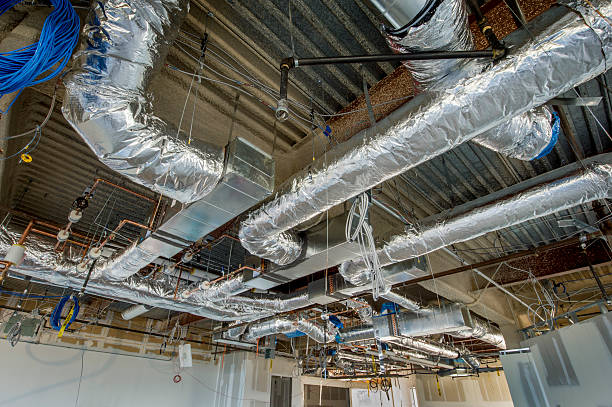
Leaky or uninsulated ducts running through an unconditioned attic or crawl space can waste a large share of the air your system produces before it ever reaches a register. Sealing and insulating ducts is one of the most overlooked ways to recover lost efficiency.
Signs Your Home Could Use Better Insulation
You do not need special tools to spot many insulation problems. Watch for these warning signs:
- Rooms that run noticeably hotter or colder than the rest of the house
- Drafts near windows, doors, and electrical outlets
- Heating and cooling bills that climb faster than you would expect
- Cold floors in winter and an HVAC system that seems to run constantly
- Ice dams – ridges of ice at the roof’s edge after a snowfall – which often point to heat escaping into the attic and melting snow unevenly
A professional energy audit goes further. Using an infrared camera, a technician can see exactly where warm air is leaking and where insulation has thinned or settled, then prioritize the fixes that matter most.
How Better Insulation Eases HVAC Workload
Every time your furnace or air conditioner cycles on, it draws energy and puts wear on components like the compressor, blower motor, and heat exchanger. When your home holds its temperature, the system cycles less often and runs shorter. According to Energy Star, sealing air leaks and adding insulation in attics, floors, and crawl spaces can save homeowners about 15% on heating and cooling costs.
The benefit is not only lower bills. A system that runs less has fewer chances to break down, tends to need fewer repairs, and often lasts years longer before replacement. On the Front Range, where furnaces work hard from October through April and air conditioners run through dry summer heat, that reduced strain adds up quickly.
Practical Ways to Improve Insulation and Air Sealing
Seal Air Leaks First
Sealing is usually the cheapest, fastest win. Use weatherstripping around doors and operable windows, caulk around fixed window frames and trim, and expanding foam for larger gaps at plumbing penetrations, recessed lights, and attic hatches. Air sealing before adding insulation lets the new insulation do its job.
Add or Upgrade Attic Insulation
Because the attic offers the largest payback, topping up blown-in or batt insulation to current levels is usually worth doing first. Make sure soffit vents stay clear so the attic can still breathe, which helps prevent moisture buildup and ice dams during snowy stretches.
Seal and Insulate Ductwork
Sealing duct joints and insulating ducts that pass through unconditioned space keeps the air your HVAC system worked to heat or cool from leaking away. This is an area where a licensed HVAC contractor can measure real-world losses and improve air delivery to every room.
Consider Windows and Doors
Energy-efficient double-pane windows and well-sealed exterior doors reduce heat transfer and drafts. These are larger investments, but they round out a whole-home approach to comfort and efficiency.
Frequently Asked Questions
How much insulation should a Parker, CO attic have?
The U.S. Department of Energy recommends R-49 to R-60 of attic insulation for our Climate Zone 5. Many older south Denver metro homes fall short of that, so adding insulation to reach the recommended range is often the most cost-effective upgrade.
Will better insulation actually lower my energy bills?
Yes. By slowing heat loss in winter and heat gain in summer, insulation lets your HVAC system run shorter cycles. Energy Star estimates that air sealing plus insulation can cut heating and cooling costs by about 15%, though your exact savings depend on your home’s size, age, and current insulation.
Can poor insulation shorten the life of my furnace or AC?
It can. When a home leaks conditioned air, the system runs longer and cycles more often, putting extra wear on the compressor, blower, and other parts. Reducing that workload with insulation and duct sealing helps your equipment last longer.
Should I insulate or replace my HVAC system first?
In most cases, sealing and insulating first is the smart move. It lowers your home’s heating and cooling load, which can let you install right-sized, less expensive equipment and get more out of any system you already own. A load calculation from a licensed contractor confirms the right approach for your home.
Get Your Front Range Comfort Dialed In
Insulation and a healthy HVAC system are two halves of the same job: keeping your home comfortable and efficient through Colorado’s cold winters and hot dry summers. If your rooms feel uneven, your bills keep climbing, or your furnace and AC seem to run nonstop, the team at 1st Choice Pro Services can evaluate your system, check your ductwork, and recommend the improvements that make the biggest difference. Call 303-841-1448 to schedule service in Parker, Castle Rock, Castle Pines, Centennial, or Highlands Ranch.
Key Takeaways
Understand typical issues such as drain clogs, incorrect installation, and pump or hose malfunctions to target fixes where…
Key Takeaways
We recommend changing your evaporator pad at least once a year, prior to the heating season. Coordinate the change with…