
How to Increase Hot Water Tank Efficiency: Simple Tips to Lower Energy Use and Save Money
Key Takeaways
-
Hot water tank efficiency, insulation and heat loss. Standby heat loss from your hot water tank is the equivalent of the energy required to service 10 million households every year.
-
Why not set the thermostat at 49°C (120°F) and check with a thermometer to make sure it isn’t creeping higher.
-
Timers, smart controls, or a recirculation pump with scheduling can help run the heater only when needed and reduce wasted energy and water.
-
Be sure to schedule routine maintenance such as an inspection each year, check the anode rod every 1 to 2 years, and flush the tank every 6 to 12 months to prevent corrosion and sediment loss of efficiency.
-
Size your tank based on household peak demand, so that you don’t oversize your tank and incur excessive standby losses. Consider high-efficiency or ENERGY STAR models when replacement is due.
-
Audit for hidden culprits, such as leaks, uninsulated pipes, a faulty thermostat, local climate, and water hardness, and you’ll be able to maintain efficiency for the long haul.
How to increase hot water tank efficiency is a series of actionable solutions that trim energy consumption and save on bills.
Easy stuff like insulating the tank and pipes, turning down the thermostat to 50°C, and limiting shorter, off-peak cycles can make a significant difference.
Regular flushing removes sediment that kills efficiency.
Upgrading to a high-efficiency model or supplementing with a timer provides obvious savings in the long run.
The subsequent sections describe each step and provide cost and savings estimates.
Efficiency Upgrades
They minimize standby losses, minimize operating costs, and extend equipment life. Here are the subtopics that address practical measures, performance figures, installation notes, and no-guess easy steps you can take to cut water heating energy.
1. Insulation
Efficiency upgrades – Wrap your hot water tank with an insulating blanket rated for water heaters to reduce heat loss. Well-fitted wraps and sealing gaps around the tank lead to incremental gains. Insulation can result in 7 to 16 percent water heating energy savings annually in many homes.
Select high R-value materials and seek out moisture-resistant blankets with easy-to-understand installation guides. Insulate the initial one to two meters of hot water outlet and inlet pipes. Short pipe runs hold heat and reduce recovery cycles.
In colder basements or garages, tape drafts near the tank. Air movement increases losses even with a wrapped tank.
2. Temperature
Make the thermostat 120°F (49°C) for a combo of comfort and efficiency. Reducing from 140°F to 120°F normally cuts energy consumption by about 4 to 8 percent and reduces the risk of scalding.
Seasonally check the setting. Hotter months might permit slight drops, while winter months might require small raises. Double-check with a quick tap thermometer. Tank dials run hot.
Regular monitoring helps you identify a floundering thermostat or hidden scale that drives up set points and energy waste.
3. Pipe Wraps
Wrap all vulnerable hot water lines with foam or rubber pipe insulation, focusing on runs through unheated areas. Pipes in crawlspaces, garages or exterior walls lose heat quickly and increase wait time at fixtures.
Fasten insulation with tape or zip ties so it remains tight. Gaps or loose wrapping undermine its effectiveness. Map your home’s hot-water pipe runs and rank the longest or coldest sections first.
Insulating remote runs conserves wasted water while waiting and reduces energy consumption in general.
4. Timers
Put a timer on electric water heaters to restrict their operation to predictable use windows. Schedule it to shut off during low demand periods, such as late night or mid workday, and turn on prior to the morning or evening peaks.
Digital timers provide exact schedules and convenient adjustments for vacations or evolving routines. For intermittently used rooms, combine timers with occupancy or smart-home sensors so the unit operates only when necessary.
5. Retrofits
Heat traps installed on tank inlet and outlet lines prevent convection and decrease standby loss. Efficiency upgrades include retrofitting a thermostatic mixing valve to maintain safe delivery while enabling lower tank set points.
Where compatible, upgrade burners or elements to higher-efficiency models. Some changes save hundreds a year. Heat pump water heaters can save households hundreds a year but require space, usually a minimum of 3 m x 3 m with a 2.1 m ceiling.
Add recirc pumps with timers to reduce wasteful runs. Many upgrades are eligible for incentives and can pay back in just 3 years. Routine anode checks and component replacement underpin these efficiency upgrades.
Routine Maintenance
Routine maintenance keeps a hot water tank running efficiently, saves energy consumption and reduces the risk of premature failure. Yearly inspections and basic repairs prevent rust, sediment accumulation and malfunctioning safety devices. The activities underneath detail what, why, where and how for each action.
Anode Rod
Check the anode rod every 1 to 2 years to avoid tank corrosion! Pull the rod and inspect for severe pitting or core metal loss. Replace it when more than 15 centimeters (6 inches) of core wire is exposed.
In areas of soft water, apply magnesium rods to increase your protection and aluminum or zinc rods where water is hard or has high mineral content. Note the installation and replacement dates in your maintenance log to help you keep track of when services are performed and anticipate future replacements.
Keep a simple checklist item: remove access fitting, use a socket to loosen the rod, inspect visually, and torque to manufacturer spec on reinstallation. In corrosive water or aggressive chemistry areas, check yearly. Otherwise, every two years is fine.
Sediment Flush
Routine Maintenance: Drain and flush the tank every 6 to 12 months to remove sediment that reduces heating efficiency and can cause overheating or element failure. Run a garden hose from the drain valve to a floor drain or safe outdoor location. Open the valve and let it partially empty, then open the cold supply for a second to stir up any remaining sediment and flush some more until it runs clear.
In hard-water locations, do this semi-annually or look into descaling chemicals or a service professional. Check water clarity and debris load. Excessive volumes of sediment indicate the need for more frequent cleaning or installation of a water-softening or sediment-prefilter system.
Flushing provides a chance to check inlet filters and vent openings for obstructions.
Pressure Valve
Test the T&P valve once a year. Lift the valve lever to expel a forced discharge. Water should flow freely and cease once the lever is released, with no residual drips.
Swap out the valve without delay if it leaks after testing or doesn’t reseat, as a bad valve is a huge safety liability. Maintain a clear area around the valve for testing and emergencies.
Consult manufacturer guidelines for valve changes and make sure that the discharge pipe leads water away from residents and electrical items. Add T&P valve checks to the annual checklist with burner, combustion chamber, flame sensor, igniter, and condensate neutralizer inspections where applicable.
Smarter Usage
A smarter use of hot water reduces waste, decreases bills and lessens stress on the tank. Average households consume around 64 litres of hot water every day and tanks run for several hours. Habit shifts and easy controls often prove the highest yielding 13 to 17 kWh, or approximately $2.10 per day. The tips below tell you what to modify, why it’s effective, where to use it, and how to implement it.
Cut showers shorter, use low-flow faucets and shower heads and reduce demand for hot water. Reduce your showers by 1 to 3 minutes and install showerheads that use 7.6 to 9.5 liters per minute. A 2-minute reduction in a house with long showers can save liters every day and reduce the burner-on time for the tank.
Low-flow aerators on taps reduce hot water usage in kitchens and baths without reducing wash effectiveness. If you want a benchmark, try to reduce total daily hot-water volume by 20 to 30 percent and monitor the impact on energy consumption.
Dishwashers and washing machines run full loads only. Newer machines consume a fraction of the water per cycle compared to older ones, so load them up and select eco or short cycles whenever available. Transfer hand washables to cold rinse cycles.
Where possible, opt for high energy-efficiency labelled machines. In a four-person household, replacing a conventional water heater with a super-efficient model and efficient appliances can save an estimated close to US$600 annually.
Stagger hot water use to prevent demand spikes. Stagger showers, the dishwasher, and laundry so the heater doesn’t get slammed with heavy cycles all at once. Peak pulls extend burner or element run time and increase standby losses.
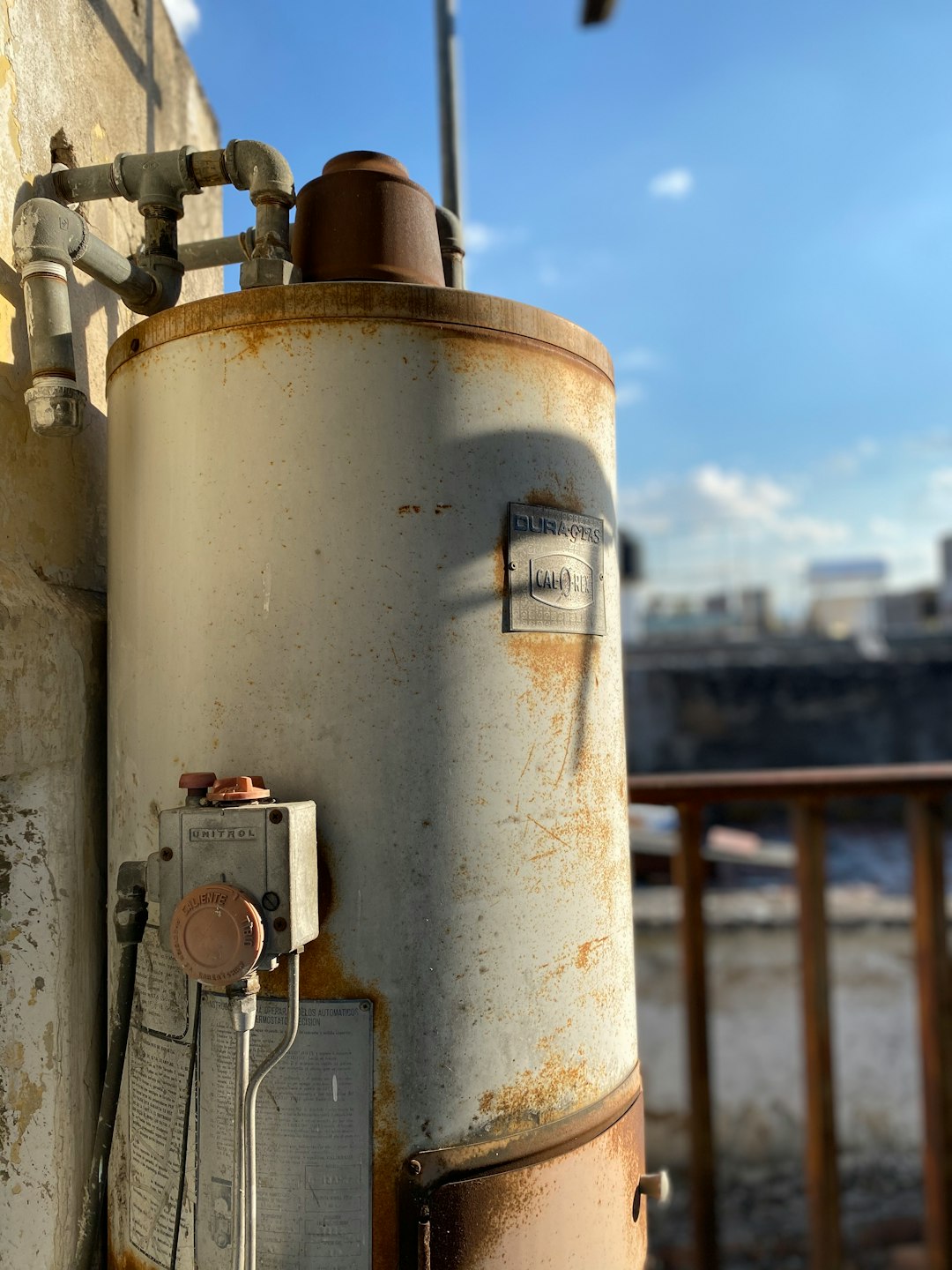
For homes with electric or hybrid heaters, time appliances or showers in blocks separated by 30 to 60 minutes. Use a dumb timer or smart plug to time-shift appliance start times and avoid overlapping peaks.
Practical control measures include setting the tank to 125°C or lower to reduce standby heat loss while still preventing bacterial growth. Put a timer on it to shut the heater off during established low-use times, like work hours or when sleeping.
For heat pump units, house them in areas that hardly go below 3 to 4°C with approximately 20 m³ (700 ft³) of surrounding air. Periodically flush sediment, inspect anode rods, and adhere to maintenance intervals. Tankless units require regular maintenance as well and can last approximately 20 years if cleaned.
Smart hot-water usage tips:
-
Track daily hot-water liters and major uses.
-
Set heating schedule to match occupancy.
-
Use low-flow fixtures and shorter cycles.
-
Run full loads and delay nonurgent cycles.
-
Replace old tanks with high-efficiency models when feasible.
Proper Sizing
Getting the right size guarantees that your water heater is just right for your family’s needs without burning extra energy or presenting safety hazards. It’s about proper sizing based on household size, daily habits, peak demand, local groundwater temperature, and the kind of appliances you have.
Look at both tank size and the first-hour rating (FHR) since FHR measures how much hot water the unit can provide in a standard hour of heavy use, factoring in recovery rate.
-
Calculate household hot water needs:
-
Count occupants and typical uses: estimate litres per person per day for showers, sink use, laundry, and dishwashing. For instance, 50 to 80 litres for a shower, 10 to 20 litres for handwashing, and 50 to 100 litres for a washing machine load multiplied by household members multiplied by average loads.
-
Identify peak demand window: find the busiest hour, often morning. List simultaneous usage—two showers and dishwasher, for example—and sum their hot water pulls to find peak-hour litres needed.
-
Adjust for appliance type and efficiency: modern high-efficiency dishwashers use less hot water. Older models use more, so add or subtract 10 to 30 percent accordingly.
-
Account for local groundwater temperature: colder inlet water reduces effective usable hot water, so increase required volume when inlet temperature is low. Use local averages if available.
-
Include future changes: plan for family growth or new appliances by adding a margin of 10 to 20 percent to calculated peak demand.
-
Optimal sizing is crucial. Take your peak-hour litre total and select a tank with an FHR equal to or exceeding that number. Tank gallon rules of thumb map to litres: roughly 110 to 150 L (30 to 40 US gal) for 1 to 2 people, 190 to 280 L (50 to 75 US gal) for 3 to 4 people.
Don’t just look at tank size; check manufacturer FHR charts. A high FHR on a mid-sized tank can outperform a large tank with slow recovery.
Don’t oversize your water heater. The more volume, the more standby heat loss and higher operating costs. A tank that’s too big will waste energy maintaining hot water you’re not using.
An undersized unit demands constant recovery cycles or cold-water stab during peak demand, which can increase energy consumption and scald hard if users turn up temperature to compensate.
When selecting, trade off tank volume, FHR, and recovery rate. A 200 L tank with strong recovery will serve a hectic morning better than a 280 L tank with weak recovery.
Consider control options—thermostat limits, tempering valves—to minimize scald hazard from bigger tanks.
Unseen Factors
Unseen things, like termites, can quietly eat away at productivity. Leaks in valves, fittings, or the tank shell waste heated water and make the heater run more. A faulty thermostat misreads temperature and short-cycles the element or burner. Sediment build-up on the tank floor or near heating elements inhibits heat transfer so the heater runs longer.
Small problems add up. A slow drip at a mixing valve, a cracked pipe joint in a crawl space, or a loose insulation jacket each cost energy over time. Monitor energy bills month to month, as unexpected spikes usually signal a hidden defect even if behavior remains consistent.
Local Climate
Tailor insulation and thermostat settings to regional temperature fluctuations. In regions with prolonged cold winters, incorporate heavier pipe wrap (25–50 mm) and additional tank insulation. Close up drafts in utility rooms to prevent cold air from striking the tank.
For mild climates, consider heat pump water heaters — they’re most efficient when ambient air is warm, with COP eroding in freeze conditions. Protect outdoor or garage-located tanks from freezing with insulated enclosures or trace heating and make sure that the unit is rated for that exposure.
Timing matters: a shower at 20:00 can cause a heat pump to kick in when outside temperatures have dropped, reducing efficiency. Heating water in the afternoon, when ambient temperatures are higher or solar input is available, often lowers energy use. Run space heating for 30–60 minutes after water heating, so the starting temperature is higher for the next cycle.
Water Hardness
Test water hardness with a simple kit. Results aid maintenance and material decisions. Hard water accelerates sediment and scale accumulation. Flush tanks more frequently, quarterly in very hard water areas, to clear sediment that reduces element efficiency.
When it accumulates on fixtures or heating elements, you call that a deposit. Install a water softener. Select tank materials and sacrificial anode rods that fight corrosion from your water type, such as magnesium anodes for softer water and aluminum or zinc-aluminum anodes for harder, more corrosive environments.
Transition to more frequent descaling when the mineral load is heavy. Scale can cause an electric element to work double as long to produce the same heat. When sizing capacity, select a tank with a first-hour rating within 1 to 2 gallons of peak-hour demand to prevent repeated deep draws that cool the tank rapidly.
Water can fall from 44 °C to 9 °C in two showers if supply and recovery aren’t well matched. Some users adjust target temperatures during the day, 40 °C at 09:00 and 45 °C at noon, to match use patterns and cut energy use. Think weekly Legionella runs on the top half of the tank, a quick rise from 50 °C to 68 °C to guard the water.
Repair or Replace
Consider the age and state of your hot water tank before anything else. Tanks over 10 years old frequently have difficulty meeting demand, operate less efficiently, and have mechanical failures more often. Check for rust or moisture at the base, listen for continual popping or banging, and observe how frequently repairs need to be made.
Inspect the anode rod for corrosion every couple of years and replace it when heavily corroded. Flushing the tank once a year eliminates sediment that reduces heat transfer and causes the heater to work overtime. If you discover pooling water, low hot-water volume, or frequent failures, these indicate internal tank damage that repair cannot address.
Line up repair costs versus a new, efficient model with a clean slate. Add parts, labor and the probable next-fail window. Minor repairs, such as thermostat or heating element replacement, frequently are less expensive and prolong life in the near term.
Major repairs, including tank leaks, severe corrosion, or repeated component failure, mount up fast and erode reliability. Replacing an outdated tank with a new energy-efficient model can reduce energy bills by 10 to 20 percent, depending on your household consumption, hot water temperature settings and local utility rates. New units have safety features like automatic shutoff or leak-detect sensors that older units did not.
Think about longevity and model selection. Tank-style heaters typically have a lifespan of 10 to 15 years, while tankless designs can surpass 20 years if properly maintained. If your heater hovers around the 10-year mark and exhibits wear—rust, banging, leakage—replace or repair to ward off expensive emergency breakdown.
For households with high peak demand, evaluate capacity: a too-small tank or undersized tankless unit can feel like a failure even when functioning. It may be that upgrading to a larger or more efficient unit, or adding a second heater, more closely matches needs than continued repairs.
Consider real-life scenarios. Imagine a family swapping an electric tank that was 12 years old and had a failing thermostat multiple times for something that was quieter and lowered its bills by 15%. Water damage was averted and turnover headaches were minimized with the rental property owner that replaced their leaking 11-year-old gas tank with a tankless unit that lasts longer.
A single occupant could have a 7-year-old tank with nothing wrong but a failed heating element and opt to repair to extend two or three years of life after replacing the anode rod and flushing the tank.
|
Option |
Pros |
Cons |
|---|---|---|
|
Repair |
Lower short-term cost; quicker fix |
May need repeat work; limited life extension |
|
Replace with tank |
Familiar tech; moderate cost |
10–15 year lifespan; less efficient than new models |
|
Replace with tankless |
Longer life; higher efficiency; saves space |
Higher upfront cost; needs correct sizing and possible gas line/electrical upgrades |
Conclusion
How to maximize your hot water tank efficiency. 3.5/5 (2) You can slash energy consumption and enjoy reliable hot water with a few simple actions. Cut heat loss by insulating the tank and pipes. Set your thermostat to a safe, lower temperature to conserve power. Repair leaks and flush sediment to maintain heater efficiency. Match tank size to your home so the unit runs less and lasts more. Add a timer or a smart controller to stop waste during low use hours. Swap out aging units for a high-efficiency model if repair bills begin to mount or recovery becomes sluggish. Quantify savings by monitoring energy and hot water hours monthly. Test one tweak at a time and observe the effect. Prepared to conserve power and cash? Begin with the simplest home improvement upgrade today.
Frequently Asked Questions
How much can insulating my hot water tank save on energy bills?
By adding insulation to the tank and hot pipes, you can reduce standby heat loss by as much as 20%. Savings differ by climate and tank age, but most homes experience significant decreases within a year.
How often should I flush my hot water tank?
Flush the tank once a year to clear sediment. Flushing more often, every 6 months, helps in hard-water areas and increases tank life and efficiency.
Is a timer or heat pump more efficient than a standard electric tank?
A timer minimizes wasted heating and saves energy. A heat pump water heater uses 50 to 60 percent less electricity and will be a much larger efficiency upgrade if your region and budget permit.
What temperature should I set the tank to balance comfort and efficiency?
Lower your water heater temperature to 49-52 C (120-125°F). This prevents scalding, saves energy and reduces bacterial growth while still keeping water hot enough for household use.
How do I know if my hot water tank is the right size?
If you find yourself regularly running out of hot water at the height of demand, your tank is probably too small. Tank size should match tank capacity to household demand during peak hour usage, or have a professional perform a sizing calculation.
Can regular maintenance delay replacing my hot water tank?
Yes. Installation of efficient components such as heat traps and insulation blankets can reduce standby losses by up to 45 percent.
What unseen factors reduce tank efficiency?
Sediment, corroded anode rods, bad thermostats, and poor insulation all reduce efficiency. Inspections catch these problems early and restore performance.

Key Takeaways
Isolate the smell by determining its precise odor, where it is coming from and when it occurs, in order to zero in on causes…
Key Takeaways
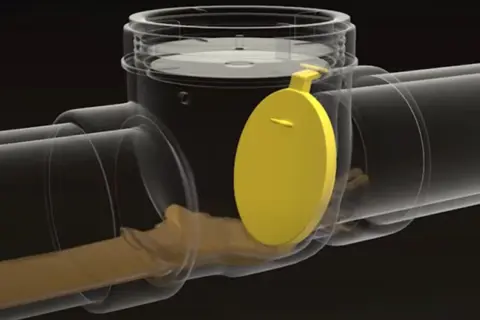
Backwater valve prevents sewage backflow into a home by letting it out as usual but automatically closes when there is reverse…